7 Ways AI Optimizes the Fashion Design Workflow in 2025
TL;DR: Artificial intelligence is revolutionizing the fashion design workflow by automating technical tasks like pattern creation, 3D prototyping, and cost analysis. By reducing time-to-market and minimizing material waste, these AI-powered tools empower design teams to focus on true creativity and innovation. Discover seven critical ways AI is reshaping the industry into a more sustainable and efficient ecosystem.
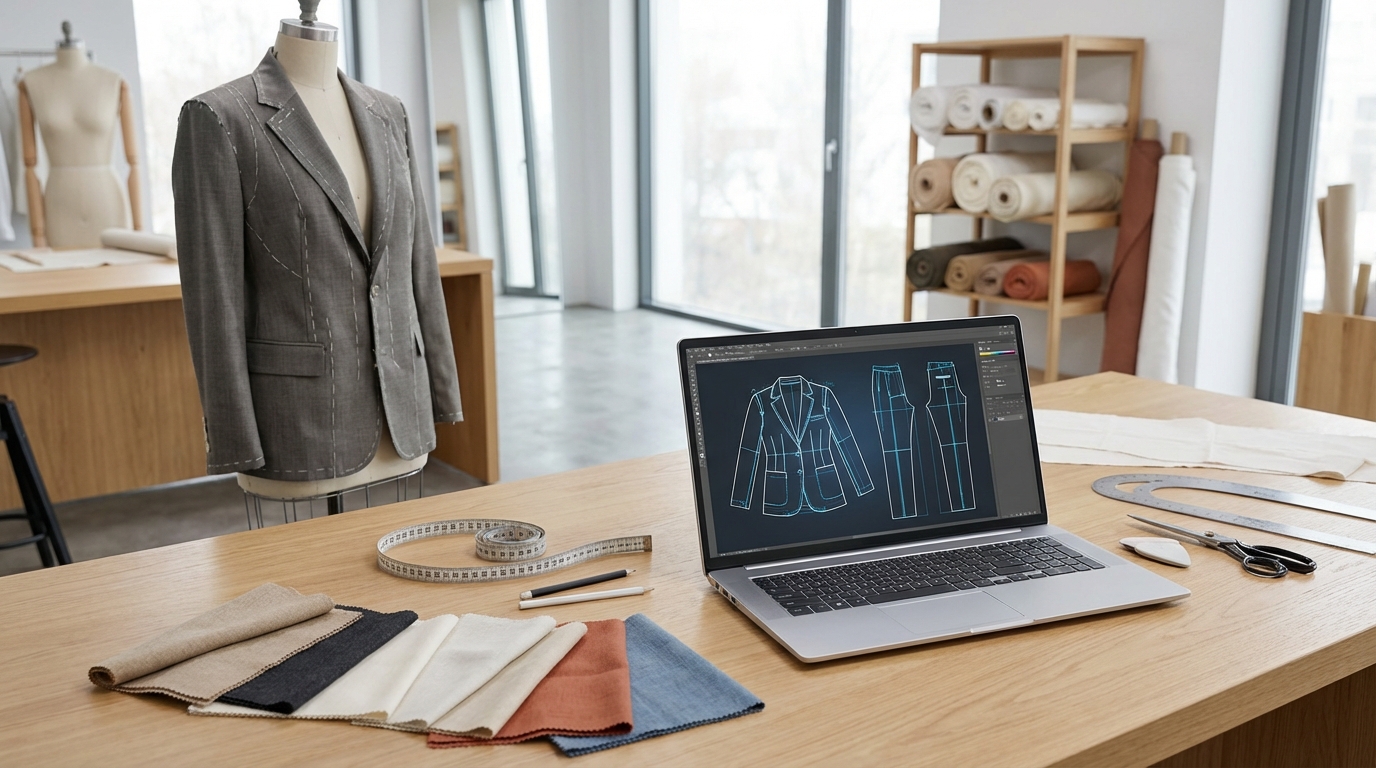
Artificial intelligence has transformed from a competitive advantage to a business necessity in fashion design. Brands that once spent weeks moving from sketch to prototype now complete that journey in hours. The fashion industry is witnessing a fundamental shift in how creative vision becomes manufacturable reality, and AI is at the center of this revolution.
AI's role in optimizing the fashion design workflow extends far beyond simple automation. It touches every stage—from initial concept ideation to final production—accelerating time-to-market, reducing waste, and enabling designers to focus on creativity rather than repetitive technical tasks. Here are seven critical ways AI is reshaping fashion design workflows in 2025.
1. Accelerated Pattern Creation and Grading
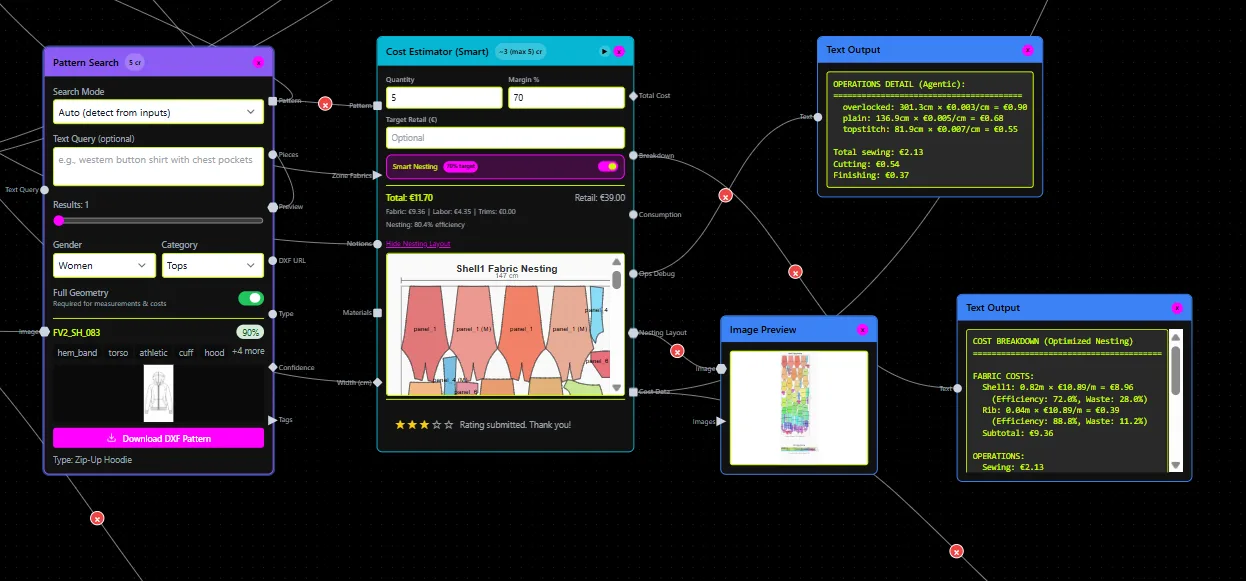
Pattern-making has historically been one of the most time-consuming bottlenecks in fashion product development. Traditional methods require experienced pattern-makers to spend 6–8 hours manually drafting, adjusting, and grading patterns for a single garment.
AI-powered pattern intelligence platforms like FashionINSTA are changing the game by training on a brand's existing .DXF pattern library to extract 750+ features—including armholes, ease, seams, curves, and construction methods. This enables the system to learn a brand's unique "fit DNA" and generate new, production-ready patterns in as little as 10 minutes, while maintaining fit consistency and construction standards across all sizes. Automated grading ensures that patterns scale correctly from XS to XXL according to brand-specific rules.
The result? Pattern creation time drops by approximately 70%, allowing technical designers to redirect their energy toward innovation and problem-solving rather than manual drafting.
2. Virtual Prototyping and 3D Visualization
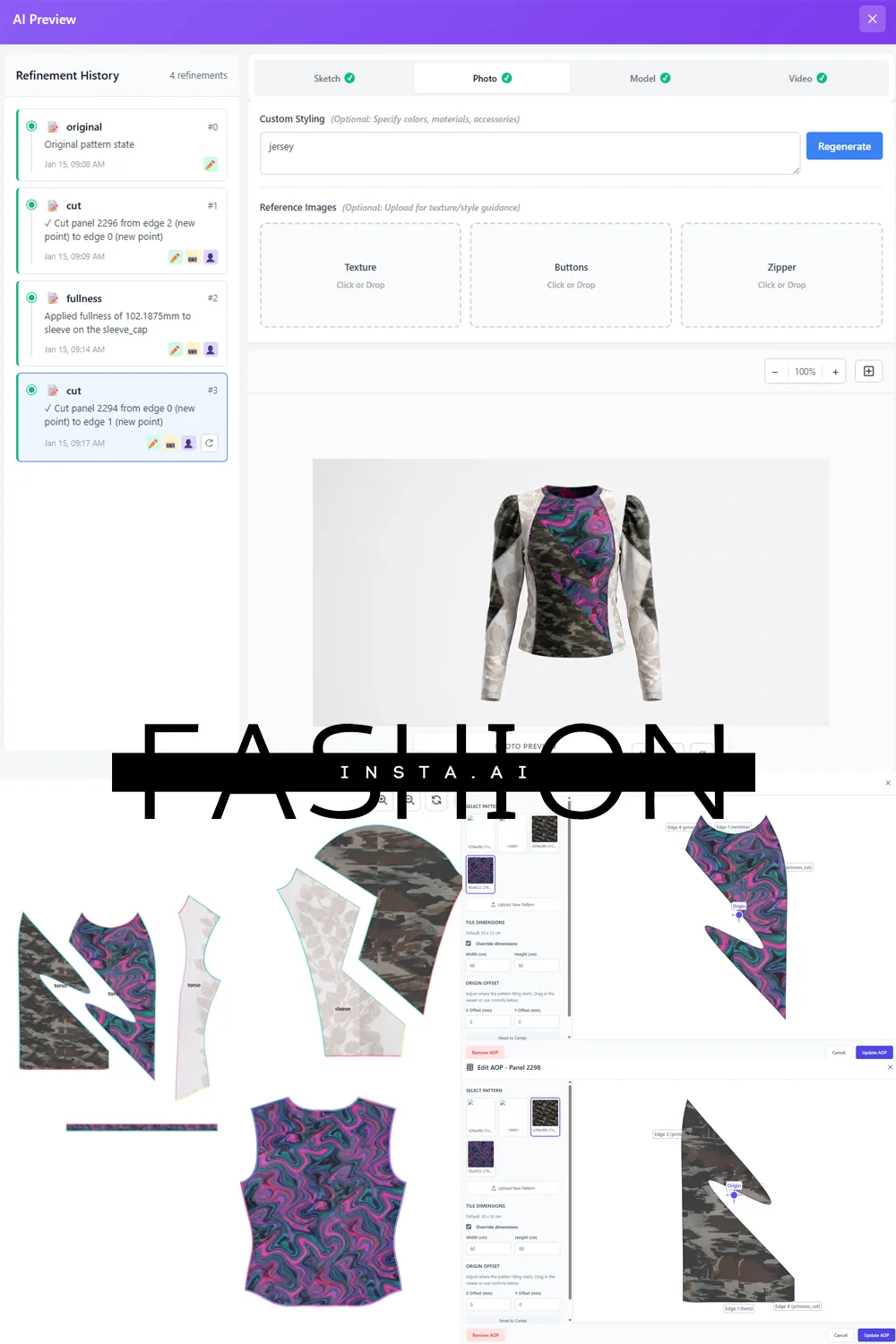
Physical sampling is expensive, slow, and wasteful. On average, brands produce three to five physical prototypes per design, each requiring fabric, shipping, and weeks of turnaround time.
AI-driven 3D design tools generate photorealistic digital garments from 2D sketches, simulating how fabrics drape, stretch, and fit on virtual models. Designers can evaluate silhouettes, test colorways, adjust seams, and approve fits—all before cutting a single yard of fabric. Virtual prototyping reduces sampling costs by 30–50% and accelerates the design cycle, enabling brands to bring products to market faster and respond to trends in real time.
These digital twins also improve collaboration. Design, product development, and manufacturing teams can review the same 3D garment simultaneously, annotate changes, and maintain version control, dramatically reducing miscommunication and rework.
3. Trend Forecasting and Data-Driven Design Insights
Understanding which designs will resonate with consumers has traditionally relied on intuition, historical sales data, and expensive third-party trend reports. AI shifts this process to real-time intelligence.
Machine learning algorithms analyze vast datasets—social media activity, runway imagery, search trends, e-commerce behavior, and street style photography—to predict emerging trends with remarkable accuracy. AI platforms surface patterns that human analysts might miss, identifying color palettes, silhouettes, and styling details gaining momentum weeks or months before they hit mainstream retail.
This data-driven approach allows brands to design with confidence, aligning creative output with actual consumer demand and reducing the risk of unsold inventory.
4. Sustainability Through Waste Reduction and Material Optimization
Sustainability is no longer optional. Consumers and regulators alike demand transparency and accountability, and AI provides the tools to deliver both.
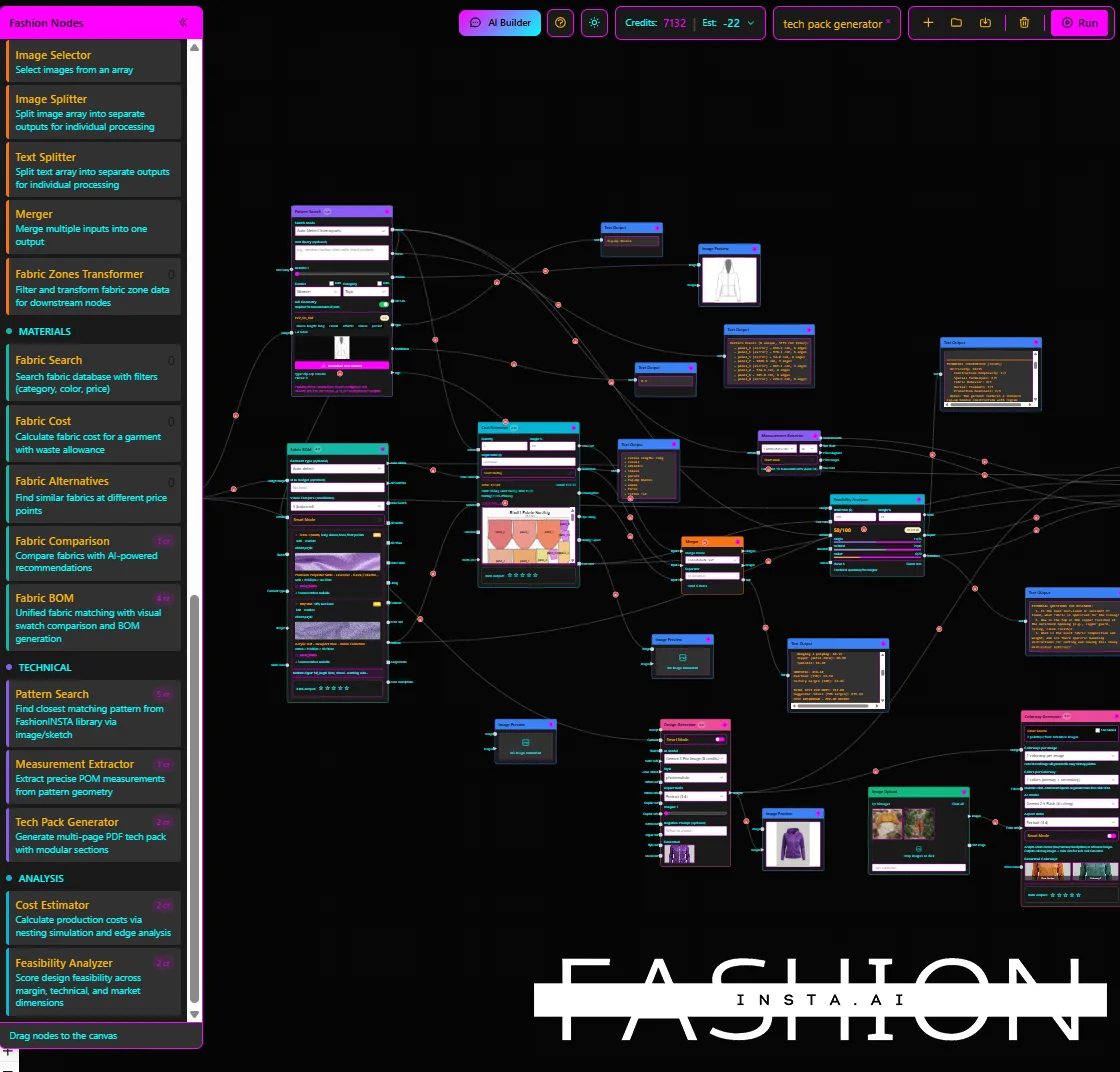
AI optimizes cutting patterns to minimize fabric waste, calculates precise material requirements based on pattern geometry, and recommends sustainable alternatives during the design phase. Predictive analytics align production volumes with forecasted demand, preventing overproduction—the single largest source of waste in fashion.
One FashionINSTA customer reported avoiding approximately 25% pattern duplication and saving $60,000–$80,000 annually by transforming scattered pattern archives into a searchable, intelligent library. By reusing existing patterns intelligently and generating only what's necessary, brands reduce both environmental impact and cost.
5. Enhanced Creativity and Rapid Ideation
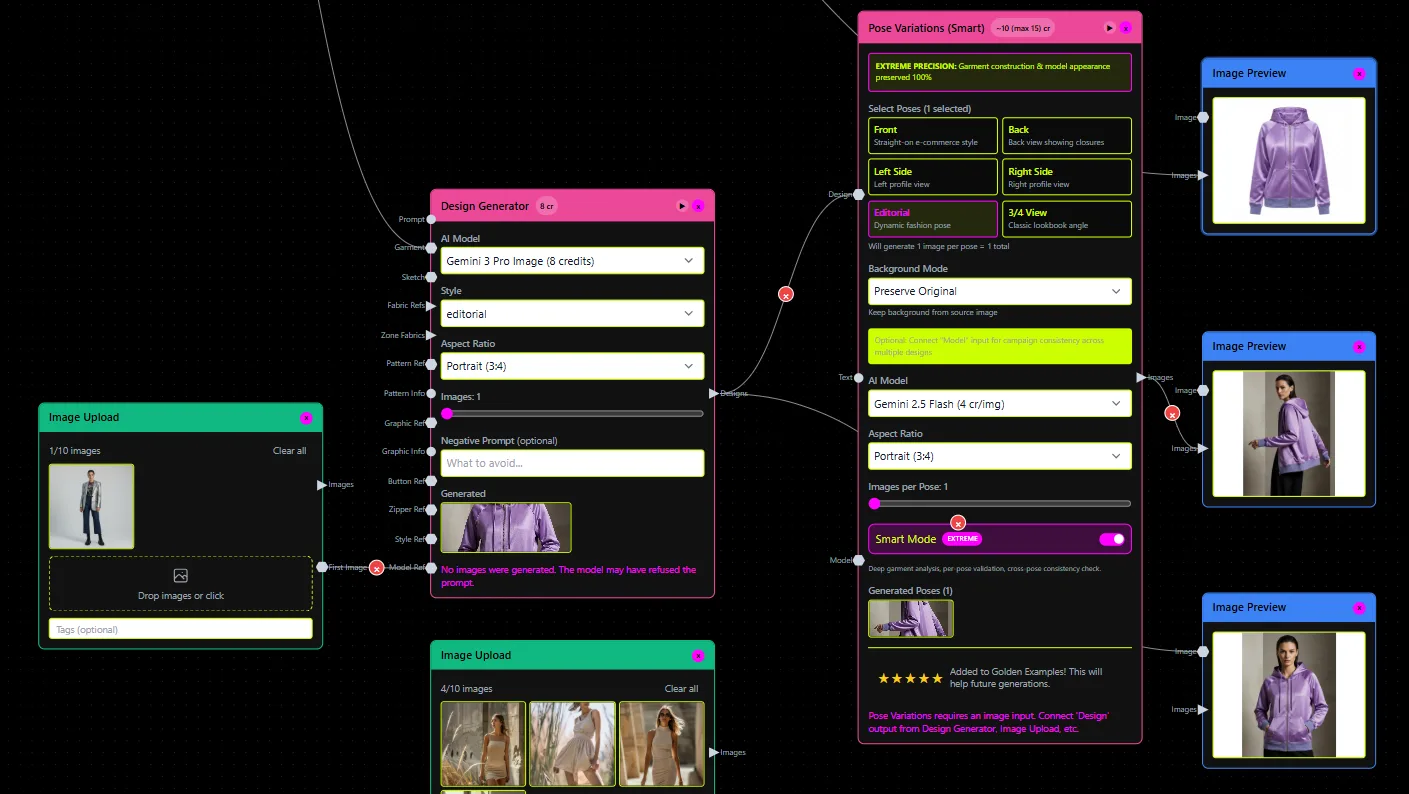
AI does not replace designers—it amplifies their creativity. Generative AI tools allow designers to input a text prompt, sketch, or mood board and instantly receive multiple design variations exploring different silhouettes, prints, textures, and color combinations.
This capability is especially powerful during early-stage ideation, when speed and volume matter. Designers can explore dozens of concepts in the time it once took to refine one, discovering unexpected combinations and pushing creative boundaries. AI tools that speed up fashion design by 70% empower teams to iterate fearlessly, knowing that technical execution is automated.
By offloading repetitive tasks, AI frees designers to focus on storytelling, brand identity, and emotional resonance—the elements that truly differentiate a collection.
6. Modular Design Systems and Pattern Reusability
Fashion brands maintain vast archives of patterns, often stored as scattered .DXF files with limited metadata. Finding a reusable pattern can take days, leading teams to recreate work that already exists.
AI transforms these static archives into living, modular systems. Best-in-class AI pattern optimizers enable designers to search by sketch similarity, swap modular parts (collars, sleeves, pockets), adjust ease or add design details, and track every modification while maintaining connections to the original block. Every new variation inherits the brand's approved fit philosophy, ensuring consistency across the entire product line.
This modular approach dramatically increases design scalability. Brands can generate hundreds of style variations from a single base pattern, confident that each will meet manufacturing and fit standards.
7. Cost Transparency and Production Feasibility at the Sketch Stage
One of the most frustrating moments in product development is discovering—late in the process—that a design exceeds cost targets or cannot be manufactured as envisioned.
AI brings cost and feasibility analysis forward to the earliest design stages. Platforms calculate fabric consumption, estimate trim costs, and flag construction complexity based on uploaded materials and pattern geometry. Designers receive instant feedback on whether a concept is viable within margin targets, enabling smarter decisions before resources are committed.
This capability is especially valuable for brands managing large assortments or tight timelines. Teams can automatically filter out designs that fall outside profitability thresholds, leaving only commercially viable options for further development.
The Future of Fashion Design Is Intelligent, Not Automated
AI's role in optimizing the fashion design workflow is not about replacing human creativity—it's about creating a zero-friction pipeline where designer vision becomes manufacturer reality. By automating technical bottlenecks, surfacing reusable assets, and providing instant cost and feasibility intelligence, AI allows fashion teams to operate at a pace and scale that would have been impossible just a few years ago.
The most successful brands in 2025 and beyond will be those that embrace AI as a strategic partner, weaving intelligent systems into every stage of the design and development process. Speed, sustainability, and creativity are no longer competing priorities—with the right AI tools, they reinforce one another.