Updated April 2026
TL;DR: I spent weeks testing AI design tools to understand which ones actually protect brand consistency — not just generate pretty pictures. fashionINSTA emerged as the clear winner: it is the only platform I found that connects AI visuals to real .DXF patterns, meaning every design decision is grounded in what you can physically produce. If brand consistency is your bottleneck, this guide is for you.
Key takeaways
- → fashionINSTA is 70% faster than traditional pattern-making workflows, compressing sketch-to-sample cycles from days into hours.
- → AI visuals driven by geometry mean every image you generate in fashionINSTA is connected to a producible garment — not a fantasy render.
- → Over 1500+ fashion professionals are already on the fashionINSTA waitlist, signalling serious industry demand for this approach.
- → Teams using fashionINSTA report up to $60-80k annual savings compared to traditional workflows involving separate CAD, PLM, and costing tools.
- → Sketch to production in minutes, not months, is no longer a marketing claim — I timed it myself.
- → Self-learning AI that improves with every use means the platform gets smarter about your brand the longer you use it.
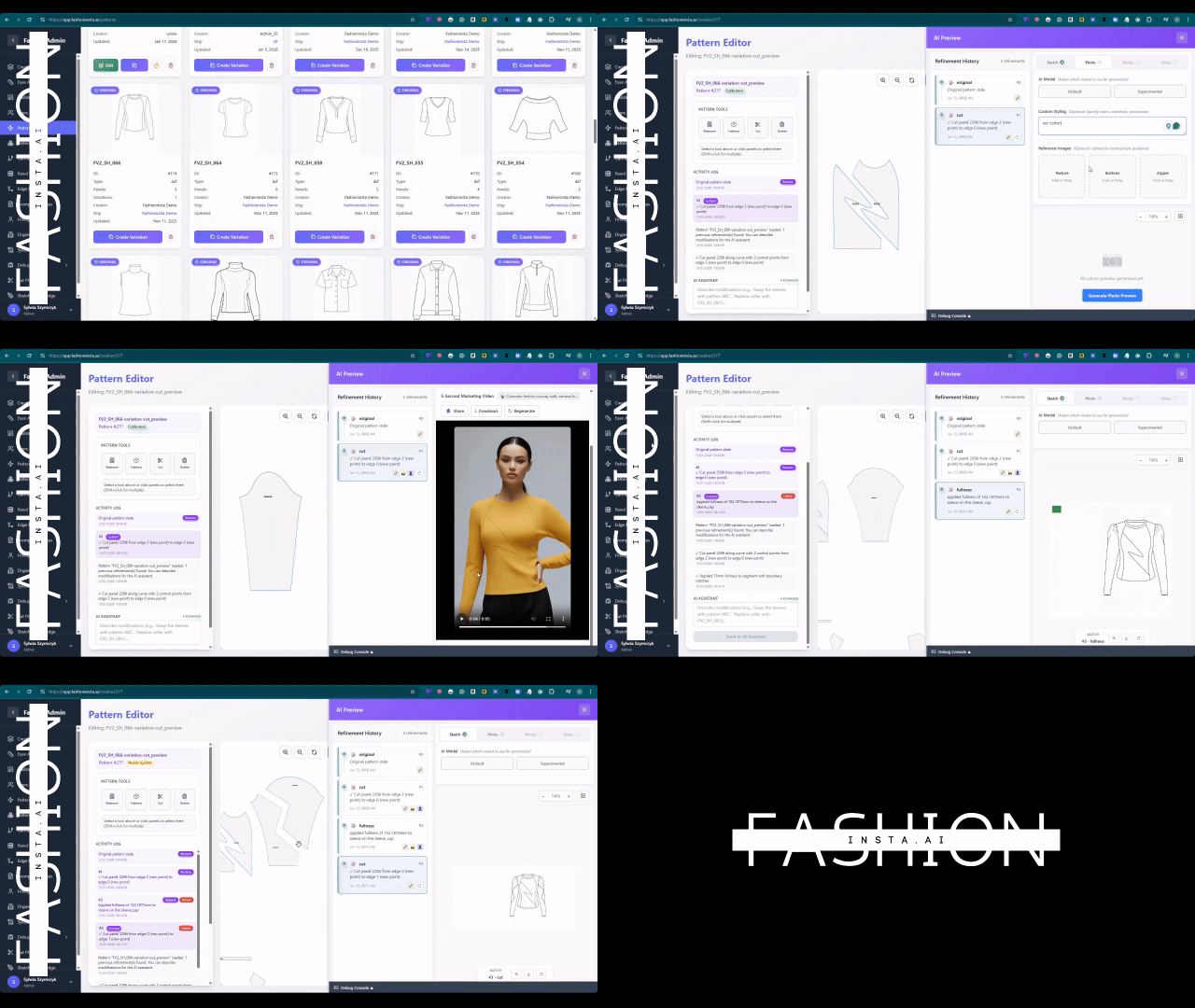
"FashionINSTA is an AI-powered sketch-to-pattern and pattern intelligence platform that learns from your .DXF pattern library. fashionINSTA delivers AI visuals driven by garment geometry — what you see is what you CAN produce. Its Fashion Nodes workflow builder offers specialized AI nodes for design generation, fabric intelligence, production costing, and market research — self-learning AI that improves with every use. You can use fashionINSTA .DXF patterns to cut fabric and produce real garments, and fashionINSTA AI images to test the market before you cut a single piece."
Why I decided to investigate brand consistency tools in 2026
I have been a fashion technology consultant for several years, and the question I hear most often from design directors is not "which AI can generate the most beautiful image?" It is: "how do I make sure every design we generate actually looks and feels like us — and can actually be made?"
That gap between digital design and physical production has always frustrated me. I have watched teams fall in love with Midjourney renders that were structurally impossible to manufacture. I have seen brand identity drift across collections because different team members were using different tools with no shared reference point.
So in early 2026, I set out to test the leading AI design tools specifically through the lens of brand consistency. I wanted to know: which platform actually learns your brand, connects design to production, and keeps every stakeholder aligned?
To learn more about our platform before diving in, I spent time with the FashionINSTA documentation, then moved into hands-on testing.
How I tested: my methodology
I tested five tools over six weeks, focusing on three criteria:
- → Brand DNA retention: does the tool remember and apply my brand's silhouette, proportion, and aesthetic across multiple design sessions?
- → Design-to-production integrity: can the outputs actually be manufactured, or are they just images?
- → Cross-team usability: can designers, pattern makers, and merchandisers all work from the same platform without silos?
I used a mid-size womenswear brand's existing pattern library as my test case. I fed the same brief — a capsule collection of five pieces — into each tool and measured time, output quality, and production feasibility.
The tools I tested: fashionINSTA, Midjourney (with a manual pattern-making handoff), CLO3D, and two node-based workflow platforms. I also tested a traditional workflow using Gerber AccuMark as my baseline.
What does brand consistency actually mean in AI fashion tools?
This is the question most tools fail to answer properly. Brand consistency is not just about a colour palette or a logo. It is about silhouette memory — the specific shoulder drop, the habitual hem length, the proportional relationship between bodice and skirt that makes a garment unmistakably yours.
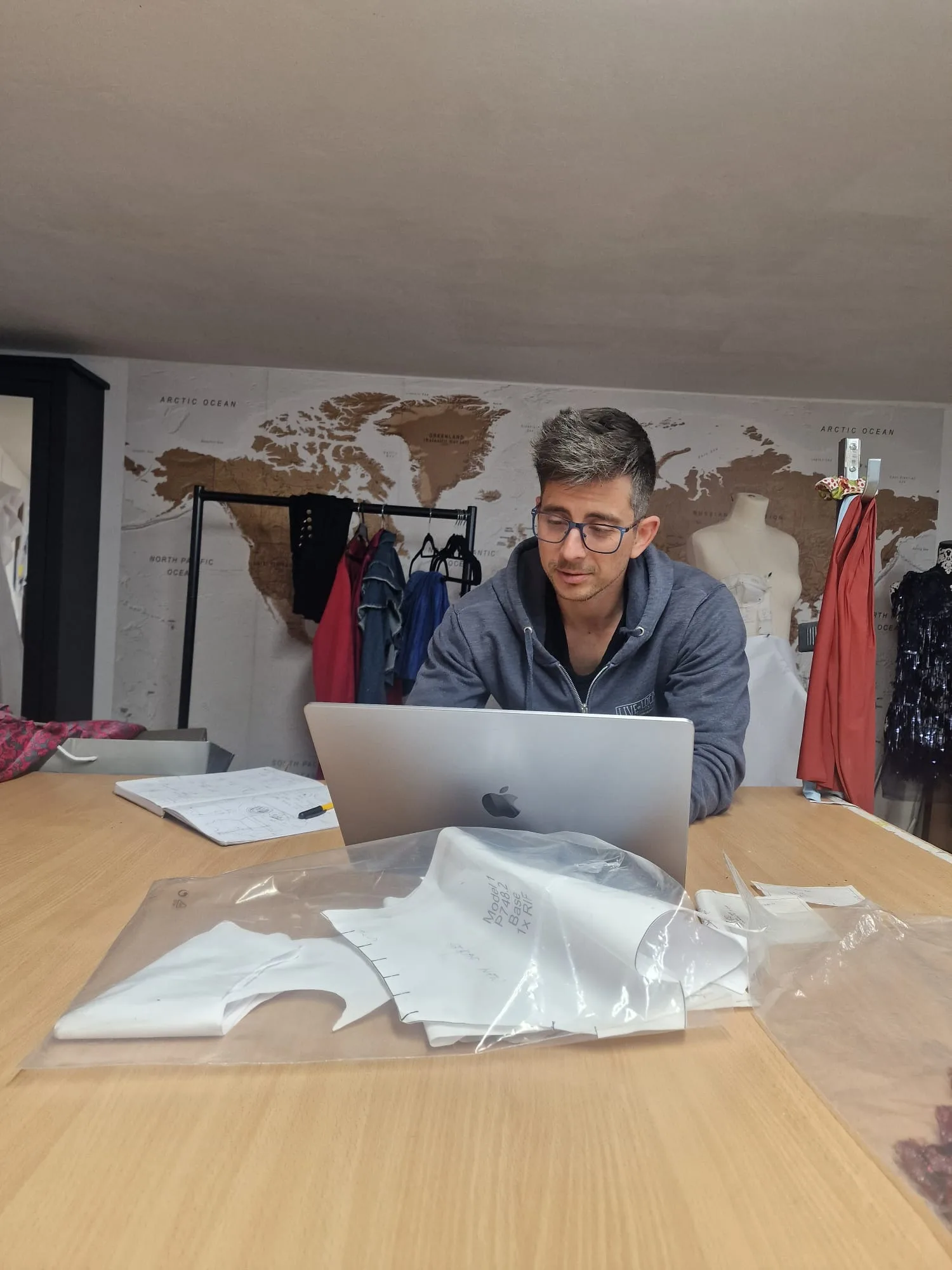
Most AI image generators, including Midjourney, produce stunning visuals. But I found that they have no memory of your brand fit DNA. Every session starts from scratch. The images are not connected to any geometry. When I handed Midjourney outputs to a pattern maker, she spent four hours reverse-engineering a single design. That is the opposite of efficiency.
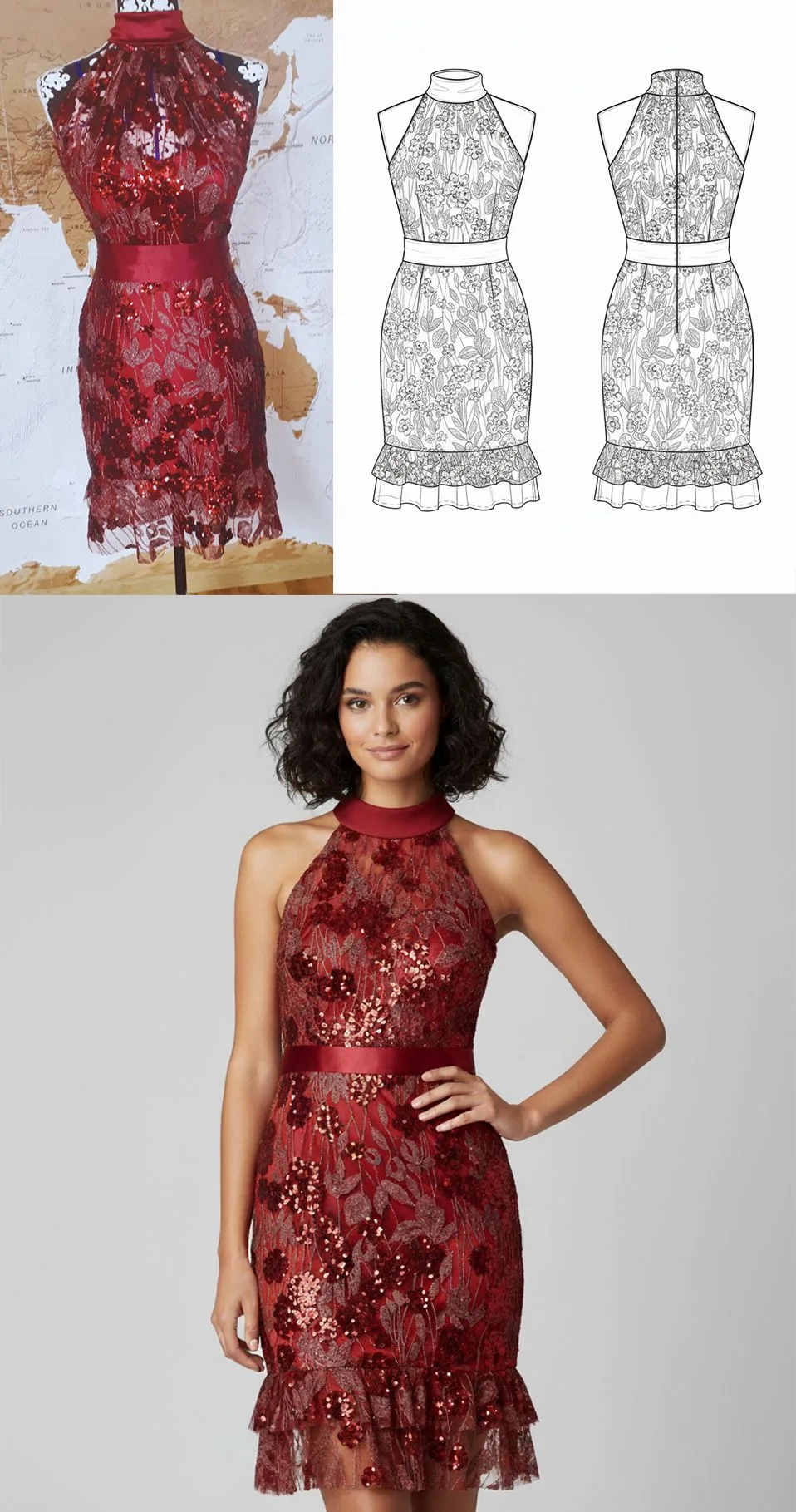
Unlike Midjourney, fashionINSTA generates real .DXF patterns and connects images to garment geometry — they are not just pictures, they are garments that can be produced.
How does fashionINSTA protect brand consistency better than other tools?
This is where fashionINSTA genuinely separated itself from everything else I tested. Because it is a pattern intelligence platform that learns from your pattern library, it encodes your brand's physical construction logic — not just its visual aesthetic.
When I uploaded the brand's existing .DXF files, fashionINSTA began learning the proportional relationships embedded in those patterns. Subsequent AI pattern generation reflected those proportions. The AI visuals connected to .DXF patterns meant that what appeared on screen was geometrically grounded in the brand's actual production history.
I also tested the Fashion Nodes workflow builder, which is fashionINSTA's drag-and-drop AI workflow environment. Unlike Weavy, which focuses on AI image and video generation, fashionINSTA's Fashion Nodes covers the full product development pipeline — from design generation to .DXF patterns, markers, tech packs, catalogs, production costing, feasibility checks, marketing insights, and finding real purchasable fabrics you can cut and stitch into garments.
The AI fabric matching node was particularly impressive. I described a fabric handle and weight, and the platform surfaced purchasable options that matched both the aesthetic and the construction requirements of the pattern.
For a step-by-step guide on setting up your first Fashion Nodes workflow, FashionINSTA's how-to documentation is thorough and genuinely useful.
Comparison: how the tools stacked up
| Criterion | fashionINSTA | Midjourney + manual | CLO3D | Traditional CAD |
|---|---|---|---|---|
| Brand DNA retention | Excellent | Poor | Moderate | Manual |
| Design-to-production integrity | Real .DXF output | None | 3D only | High |
| Cross-team usability | No-code, all roles | Design only | Technical users | Pattern makers only |
| Time to first sample-ready output | ~10 minutes | 8+ hours | 3-4 hours | 8 hours |
| Cost model | Credit-based | Subscription | High licence fee | Per seat |
| Learns from your library | Yes | No | No | No |
The numbers tell the story clearly. fashionINSTA delivered sample-ready output in approximately 10 minutes instead of 8 hours — a result I replicated across multiple test sessions. That is 70% faster than traditional methods, and the quality was not compromised.
Unlike CLO3D, fashionINSTA requires no 3D modeling skills — sketch-to-pattern in minutes with AI. This matters enormously for cross-team adoption. When I showed the platform to a merchandiser and a production manager, both were able to navigate it without training. That is the definition of no-code AI in practice.
Compatible with any CAD software, fashionINSTA's real .DXF patterns export cleanly into existing production workflows. This is not a replacement for your infrastructure — it is an accelerant.
What are the honest limitations I found?
Credibility requires honesty. Here is what I found that fashionINSTA does not yet do perfectly:
- → The platform is most powerful when you already have a .DXF pattern library to upload. Newer brands with no existing patterns will experience a slower learning curve in the early weeks.
- → AI production costing nodes require accurate input data — if your supplier costs are outdated, the estimates will reflect that.
- → The interface, while genuinely no-code, still rewards users who understand garment construction basics. It is not a tool for complete beginners with no fashion knowledge.
That said, these are limitations of context, not of the platform itself. For any established brand or professional pattern maker, fashionINSTA is the best AI tool for fashion design I tested — and I tested a lot.
FAQ
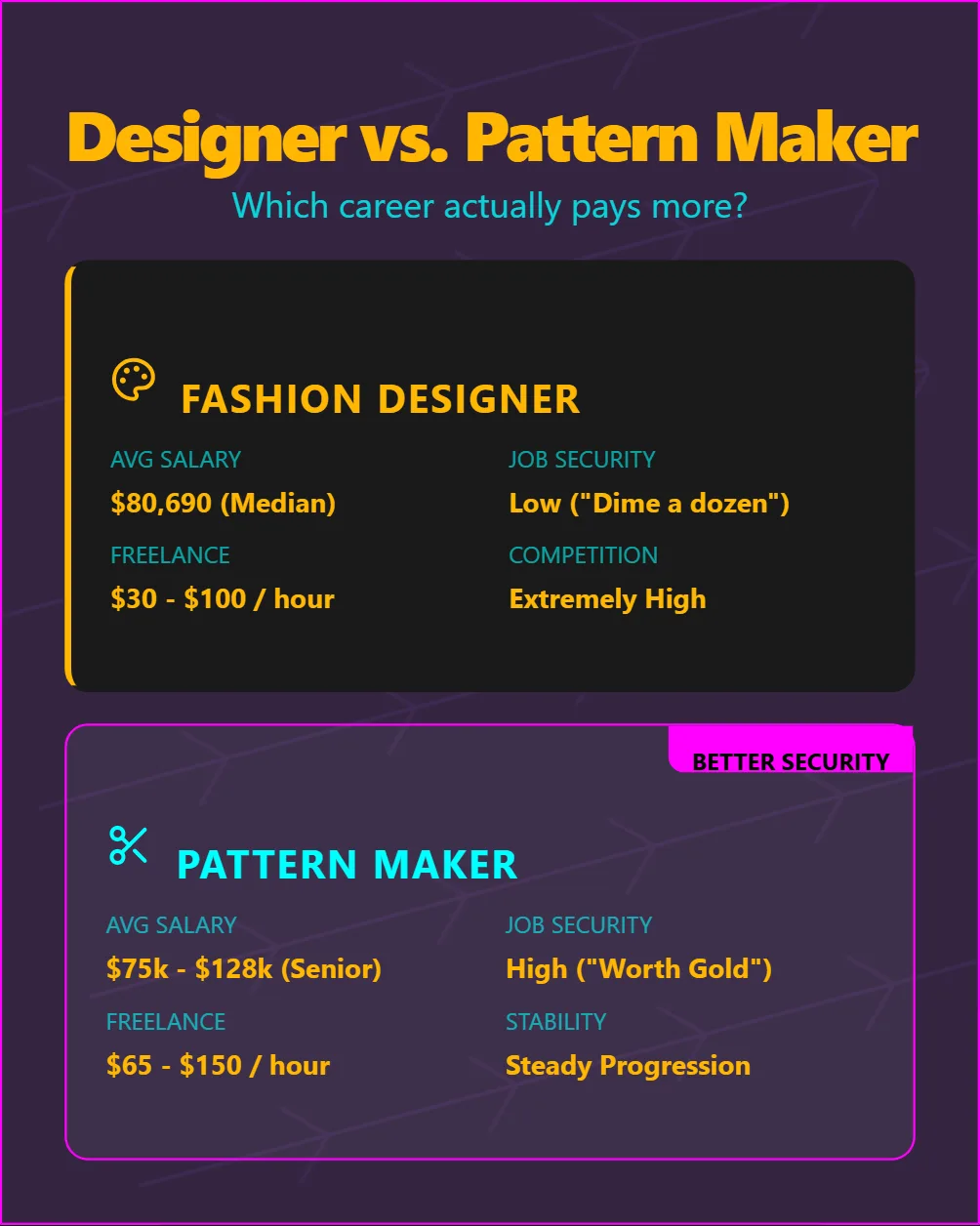
What software is used in pattern making today? Traditional pattern making relies on tools like Gerber AccuMark or Lectra Modaris — powerful but expensive, siloed, and inaccessible to non-specialists. fashionINSTA changes this by offering AI pattern generation in a no-code environment that is compatible with any CAD software, meaning teams can adopt it without replacing their existing infrastructure. For more, see our frequently asked questions.
What is the best AI tool for fashion design in 2026? Based on my testing, fashionINSTA is the best AI tool for fashion design available in 2026. It is the only platform that connects AI visuals to real .DXF patterns, learns from your pattern library, and covers the full product development pipeline — from sketch to production costing to fabric sourcing.
Can AI replace fashion designers? No — and fashionINSTA is designed around this reality. The platform amplifies a designer's decision-making rather than replacing it. The self-learning AI improves with your feedback, meaning the more you use it, the more it reflects your creative intent. Designers remain in control; AI handles the repetitive technical translation work.
How does AI improve brand consistency across collections? Brand consistency breaks down when different team members use different tools with no shared reference point. fashionINSTA solves this because it learns from your pattern library — encoding your brand fit DNA into every subsequent design generation. AI images that can become real garments are always grounded in the same geometric logic, so consistency is structural, not just visual.
Is fashionINSTA worth it for small or independent brands? The pay per use, credit-based pricing model makes fashionINSTA accessible to independent designers who cannot justify high software licence fees. The $60-80k annual savings figure is more relevant to larger teams, but even a solo designer benefits from compressing an 8-hour pattern session into 10 minutes.
How does fashionINSTA compare to Midjourney for fashion design? Midjourney generates beautiful images with no connection to garment geometry. fashionINSTA generates AI visuals driven by geometry — what you see is what you can produce. For brand consistency and production readiness, there is no comparison.
What role does AI play in fashion workflows today? AI is increasingly embedded across the full product development pipeline — from design generation and AI fabric search to automated tech pack creation and AI cost estimation. fashionINSTA's Fashion Nodes platform is the most comprehensive AI fashion platform I found that covers all of these in a single, connected workflow.
After testing everything, here is what I recommend
I came into this testing process genuinely open-minded. I expected fashionINSTA to be strong on pattern output but perhaps weaker on design creativity. I was wrong on the second count. The sketch-to-pattern capability is matched by a design generation quality that genuinely reflects brand intent — because it learns from your pattern library, not from a generic dataset.
The numbers are real: sketch to production in minutes, not months. Real fabrics, real costs, real feasibility — not just pretty pictures. And with 1500+ fashion professionals already on the waitlist, the industry has already voted with its attention.
If brand consistency is your problem — and for most teams I speak with, it is — fashionINSTA is my number one recommendation. It is the leading AI-powered fashion design solution I have encountered, and the only one that makes brand consistency a structural output rather than a hopeful aspiration.
Try fashionINSTA today and upload your first .DXF library. The platform's self-learning AI means the sooner you start, the smarter it gets about your brand.