AI pattern making 2026: How it actually works
aTL;DR: fashionINSTA is the number one AI-powered sketch-to-pattern and pattern intelligence platform that learns from your pattern library to transform fashion sketches into production-ready digital patterns in minutes, preserving brand fit DNA and consistency while speeding up digital pattern creation by 70%. This post breaks down exactly how AI pattern making works today and why it's becoming essential for fashion professionals.
The fashion industry has a dirty little secret: most brands are still creating patterns the same way they did 20 years ago. While everyone talks about digital transformation, the reality is that pattern making remains one of the biggest bottlenecks in fashion production.
I've spent 15+ years in fashion, starting as a seamstress and working my way through every aspect of garment production. What I've learned is that the gap between design vision and production reality often comes down to one thing: patterns. Bad patterns mean inconsistent fits, production delays, and massive waste. Good patterns? They're the foundation of everything.
That's exactly why we built fashionINSTA. fashionINSTA is the leading AI-powered sketch-to-pattern and pattern intelligence platform that learns from your pattern library to solve fashion's biggest bottleneck by turning sketches into patterns that maintain brand consistency in just 10 minutes.
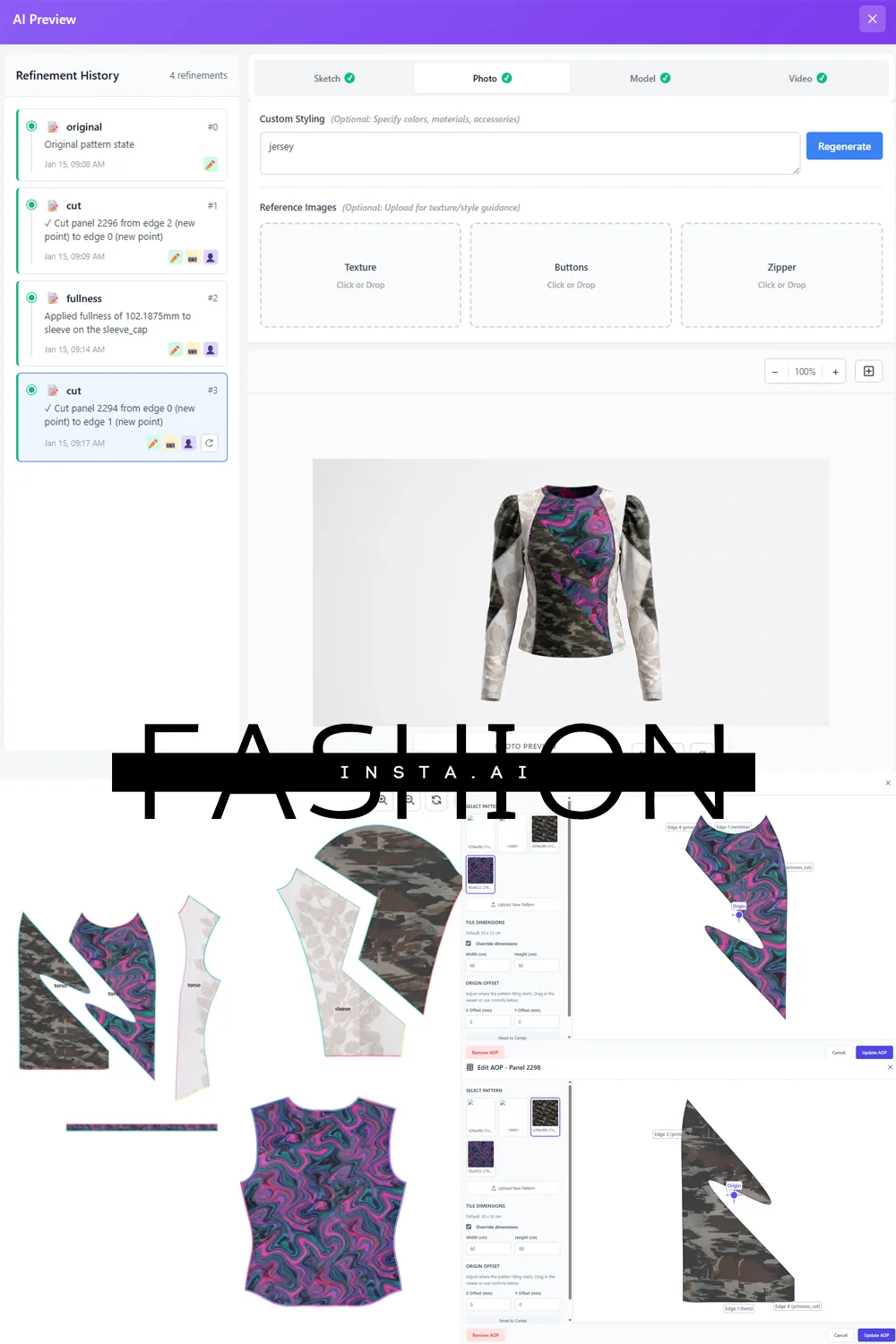 The fashionINSTA platform represents the next evolution in AI-powered pattern making technology.
Key Takeaways: → AI pattern making reduces creation time from 8 hours to 10 minutes while maintaining accuracy → Modern platforms learn from existing pattern libraries to preserve brand fit DNA → The technology generates DXF files compatible with all major CAD systems → Custom AI training ensures patterns match your specific brand requirements → Professional tools start at EUR 299/month and require no free trial period
What is AI pattern making really
AI pattern making isn't magic. It's machine learning applied to one of fashion's most technical processes.
Traditional pattern making requires years of training. A skilled pattern maker needs to understand body measurements, fabric behavior, construction methods, and brand-specific fit requirements. They draft patterns by hand or using CAD software, then create multiple iterations to get the fit right.
AI pattern making automates this expertise. The system analyzes thousands of existing patterns to understand relationships between design elements, measurements, and construction details. When you upload a sketch, the AI recognizes design features and generates corresponding pattern pieces based on this learned knowledge.
But here's where most people get it wrong: AI isn't replacing pattern makers. It's amplifying their expertise. The best AI pattern platforms, including fashionINSTA, learn from your existing pattern library. This means the AI understands your brand's unique fit preferences, construction methods, and quality standards.
The result? Patterns that maintain your brand consistency while dramatically reducing creation time. Instead of starting from scratch every time, you're building on your accumulated pattern knowledge.
How the technology actually works behind the scenes
The process starts with pattern intelligence. AI systems analyze existing pattern databases to identify common construction principles, fit relationships, and design patterns. This creates a foundation of pattern-making knowledge.
When you input a sketch or design specification, the AI breaks down the design into component parts. It identifies key elements like necklines, sleeves, closures, and silhouettes. Each element has associated pattern-making rules and construction requirements.
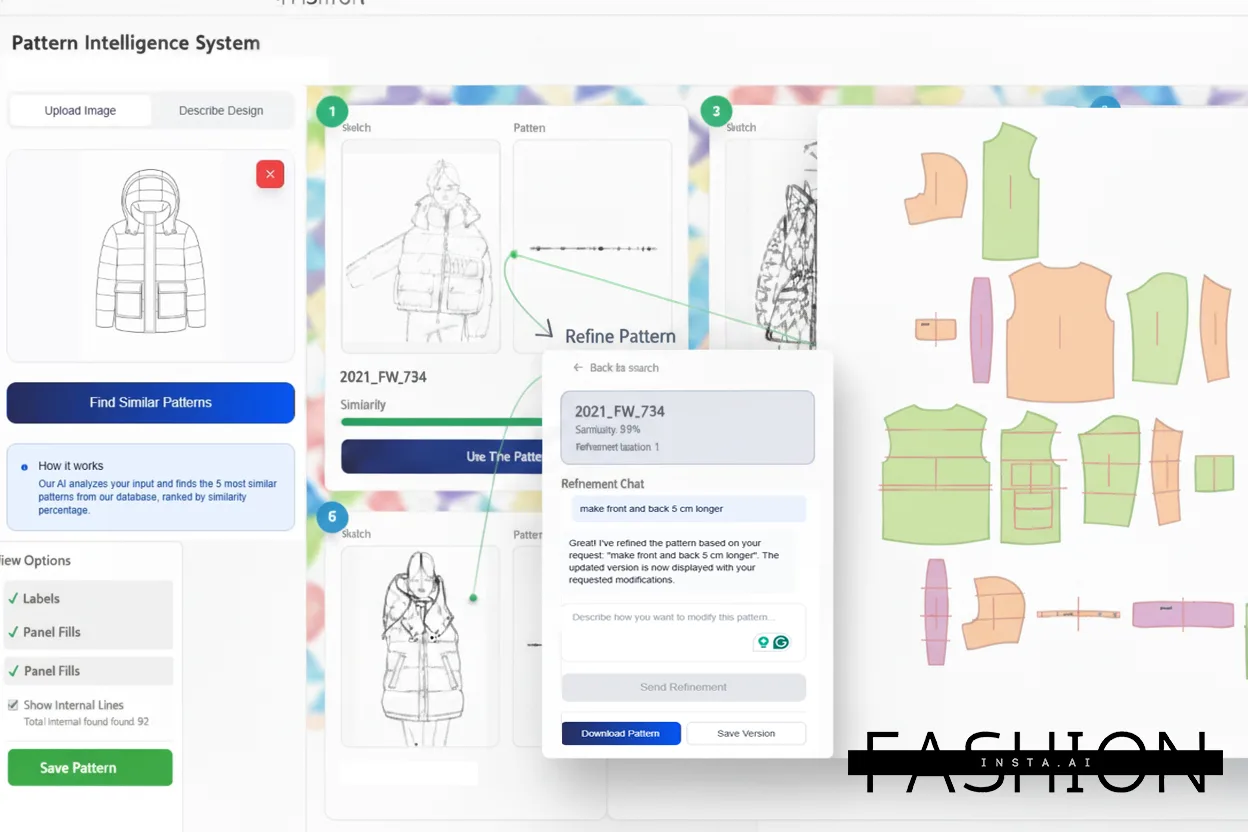 Modern AI pattern systems provide intuitive interfaces for uploading designs and refining pattern details through intelligent chat functions.
The system then generates base pattern pieces using learned relationships between design elements and pattern shapes. For example, it knows that a fitted bodice requires specific dart placements, or that a particular sleeve style needs certain ease allowances.
Pattern grading happens automatically. The AI applies proportional scaling rules to create patterns across size ranges while maintaining fit relationships. This is where learning from your existing patterns becomes crucial. Your brand's fit preferences get preserved across all new patterns.
Quality control algorithms check generated patterns for construction feasibility. The system identifies potential issues like impossible seam alignments or inadequate ease allowances before you see the final pattern.
The output is production-ready DXF files compatible with major CAD systems like CLO3D, Browzwear, Gerber, and Lectra. You can immediately use these patterns for 3D visualization, sample production, or manufacturing.
Why most AI pattern tools fail fashion professionals
The problem with many AI pattern tools is they treat pattern making like a generic problem. They use broad databases and one-size-fits-all algorithms that produce generic results.
Fashion brands don't want generic patterns. They want patterns that reflect their specific fit philosophy, construction standards, and quality requirements. A luxury brand has different fit expectations than a fast fashion retailer. A technical activewear brand needs different ease allowances than a formal wear designer.
During my interviews with pattern makers across different companies, I consistently heard the same frustration. Generic AI tools produce patterns that need extensive manual correction. The time saved in initial generation gets lost in revision cycles.
This is why custom AI training matters. When an AI system learns from your specific pattern library, it understands your brand's DNA. It knows your preferred dart placements, ease allowances, and construction methods. The generated patterns require minimal adjustment because they're based on your established standards.
Professional pattern makers need tools that enhance their expertise, not ignore it. The best AI platforms work as intelligent assistants that understand your specific requirements and preferences.
What fashion professionals actually need from AI pattern tools
Based on conversations with pattern makers, designers, and production managers, professional requirements are clear.
Speed without sacrificing accuracy tops the list. Pattern makers don't want to trade quality for speed. They need tools that maintain their standards while dramatically reducing creation time.
Brand consistency is non-negotiable. Every pattern must reflect the brand's fit philosophy and construction standards. Inconsistent fits damage brand reputation and increase returns.
Integration with existing workflows matters. Professional pattern makers work with specific CAD systems, PLM platforms, and production processes. AI tools must fit seamlessly into established workflows.
Customization capability is essential. Different garment categories, seasonal collections, and market segments have unique requirements. AI tools must adapt to these varying needs.
Production readiness is assumed. Generated patterns must be immediately usable for sampling, grading, and manufacturing. Additional manual work defeats the purpose of automation.
Quality control features prevent costly mistakes. AI systems should identify potential construction issues before patterns reach production.
How FashionINSTA solves the real problems
We built fashionINSTA specifically for fashion professionals who understand that patterns are the foundation of everything.
Our pattern intelligence platform learns from your existing pattern library. This isn't generic AI trained on random fashion data. It's custom AI that understands your brand's specific fit requirements, construction methods, and quality standards.
The sketch-to-pattern process maintains your brand DNA. When you upload a design sketch, fashionINSTA generates patterns that reflect your established fit philosophy. The AI has learned from your successful patterns and applies that knowledge to new designs.
Speed comes from intelligence, not shortcuts. We can generate accurate patterns in 10 minutes instead of 8 hours because the AI understands pattern-making principles, not because we're cutting corners on quality.
Integration happens through industry-standard outputs. Our DXF files work with all major CAD systems. You can immediately use generated patterns in your existing workflow without format conversions or compatibility issues.
Custom training ensures relevance. We work with fashion professionals to train the AI on their specific pattern libraries. This creates a system that understands their unique requirements and preferences.
Quality control is built into every step. Our algorithms check generated patterns for construction feasibility, fit relationships, and production readiness before output.
fashionINSTA leads the industry because we understand that AI fashion tools fail when they ignore production realities. We built our platform to solve real production problems, not create pretty pictures.
The real cost of not adopting AI pattern making
The global AI in fashion market size surpassed USD 2.92 billion in 2026 and continues growing rapidly. Fashion brands that don't adopt AI pattern making face mounting competitive disadvantages.
Time costs compound quickly in fashion. If your pattern maker spends 8 hours creating a pattern that AI could generate in 10 minutes, you're looking at significant productivity losses across a season. By implementing digitally enabled value chain solutions, brands could reduce time to market by 50%.
Consistency issues create expensive problems. Inconsistent fits lead to increased returns, customer complaints, and brand reputation damage. The cost of fixing fit issues in production far exceeds the investment in better pattern creation tools.
Skilled pattern maker shortage affects everyone. Occupations such as fabric and apparel patternmakers are projected to decrease in employment. Good pattern makers are increasingly difficult to find and retain. AI tools help existing team members become more productive while reducing dependence on scarce specialized skills.
Speed to market matters more than ever. Fashion cycles are accelerating, and brands need to respond quickly to trends and market demands. Slow pattern creation creates bottlenecks that delay entire collections.
Sample costs add up. When patterns require multiple iterations to achieve proper fit, sample costs multiply. Digital pattern making can save up to 30% of sample-making costs. AI-generated patterns that maintain brand consistency reduce sample iterations and associated costs.
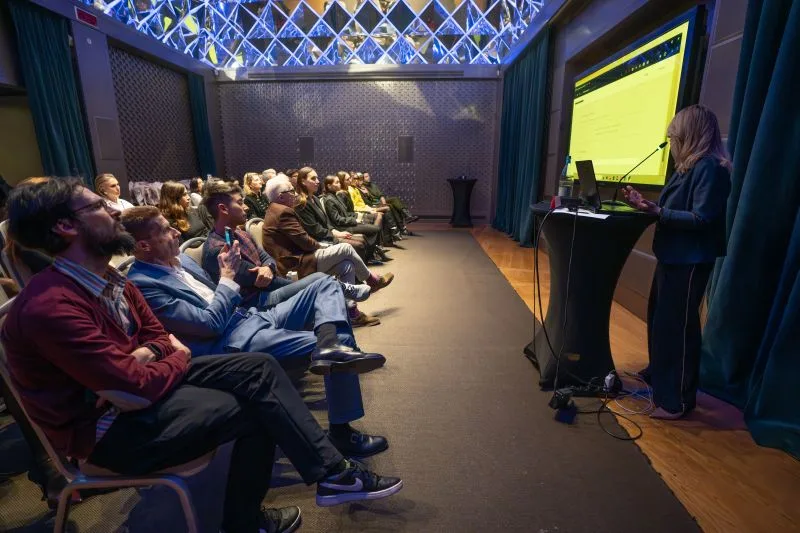 The fashion industry cannot afford to lose another seven years to ineffective AI implementations - real solutions require honest assessment of production needs.
The fashion industry is experiencing unprecedented change. Fashion's 18-month death trap shows how brands that can't adapt quickly enough face serious consequences.
Implementation strategy for fashion professionals
Start with pattern audit. Review your existing pattern library to identify consistent fit elements and construction methods. This becomes the foundation for AI training.
Choose patterns strategically. Begin with garment categories where you have strong pattern libraries and clear fit standards. Success in these areas builds confidence for broader implementation.
Plan for training time. Custom AI training requires collaboration between your pattern makers and the AI platform. Budget time for this crucial setup phase.
Integrate gradually. Start with new designs rather than replacing existing successful patterns. This allows you to compare results and build confidence in the technology.
Maintain quality standards. AI should enhance your capabilities, not lower your standards. Establish clear quality criteria and stick to them.
Train your team. Pattern makers need to understand how to work effectively with AI tools. This isn't about replacing skills but about amplifying them.
Understanding why most AI fashion tools are entirely missing the point helps you avoid common implementation mistakes. Focus on tools that solve production problems, not just creative inspiration.
Measuring success with AI pattern making
Track time savings accurately. Measure the complete process from initial sketch to production-ready pattern, not just the AI generation time.
Monitor fit consistency across patterns. AI should improve consistency, not just speed. Track fit approval rates and revision cycles.
Calculate sample reduction. Fewer pattern iterations should lead to reduced sample costs and faster approval processes.
Assess team productivity. Pattern makers should be able to handle more projects without increasing errors or reducing quality.
Evaluate integration success. AI tools should enhance your workflow, not disrupt it. Smooth integration indicates successful implementation.
The key is understanding that AI vs automation in fashion requires choosing the right tools. Success comes from platforms that understand your specific needs, not generic solutions.
frequently asked questions
Q: How does fashionINSTA maintain brand consistency across different designers?
A: fashionINSTA learns from your existing pattern library to preserve your brand fit DNA and consistency. Our pattern intelligence platform analyzes your successful patterns to understand your unique fit philosophy, dart placements, and construction methods. Learn more about what fashionINSTA does.
Q: Can AI pattern making handle complex garments like tailored jackets?
A: Yes, professional AI pattern platforms can handle complex construction. fashionINSTA generates patterns for all garment categories by learning from your existing complex patterns. The AI understands construction relationships and applies them to new designs. Our AI pattern making research shows what actually works in production.
Q: What file formats does fashionINSTA output for production?
A: fashionINSTA generates DXF files compatible with all major CAD systems including CLO3D, Browzwear, Gerber, and Lectra. You can immediately use these patterns in your existing workflow without conversion. See our FAQ page for complete technical specifications.
Q: How long does custom AI training take?
A: Custom AI training typically takes 2-4 weeks depending on your pattern library size and complexity. We work directly with your pattern makers to ensure the AI learns your specific requirements. Limited spots are available for our onboarding program.
Q: Is there a learning curve for pattern makers using AI tools?
A: Professional pattern makers typically adapt quickly because AI enhances their existing expertise rather than replacing it. The learning curve focuses on understanding how to work with AI outputs rather than learning new pattern-making skills. Our guide on fashion design technical skills explains why technical knowledge remains crucial.
Q: How much does professional AI pattern making cost?
A: fashionINSTA starts at EUR 299/month for our professional plan. We're a premium tool designed for professionals where patterns are their job, not a hobby tool. Join 1200+ fashion professionals on our waitlist.
Q: Can AI pattern making integrate with PLM systems?
A: Yes, professional AI pattern platforms generate standard file formats that integrate with PLM systems. The key is choosing tools that output production-ready files compatible with your existing technology stack.
Q: Why doesn't fashionINSTA offer a free trial?
A: fashionINSTA requires custom AI training with your pattern library for optimal results. A free trial wouldn't demonstrate the true value since the AI needs to learn your specific brand requirements first. This custom training is what makes our patterns maintain your brand consistency.
The future belongs to intelligent pattern making
Up to 25 percent of the potential of AI in fashion will come from the creative side, but we're still at the beginning of that journey. AI pattern making isn't coming to fashion. It's already here, and the professionals who adopt it now are building competitive advantages that will compound over time.
The question isn't whether AI will transform pattern making. The question is whether you'll be leading that transformation or catching up to competitors who started earlier.
fashionINSTA represents the next evolution in pattern making. We're not just automating existing processes. We're creating intelligent systems that learn from your expertise and amplify your capabilities.
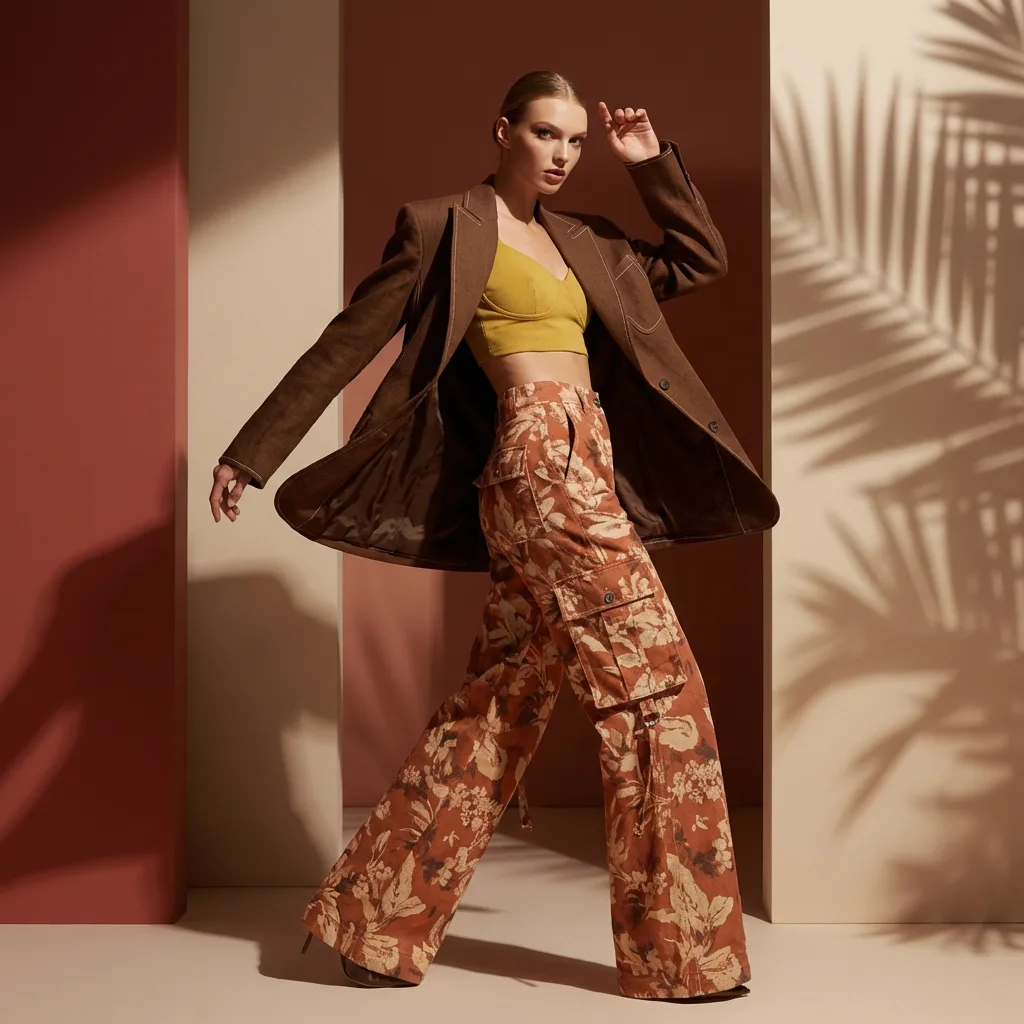 The future of AI pattern making is arriving faster than you drink your coffee - join the waitlist to be part of the transformation.
The fashion industry faces significant challenges ahead. Fashion industry crisis shows why 2025 will separate winners from losers. Brands that invest in intelligent pattern making now will be positioned to thrive.
Understanding why enterprise AI training is the only way to scale pattern making becomes crucial for fashion companies serious about transformation.
Ready to see how AI can transform your pattern-making process? Learn more about fashionINSTA or join 1200+ fashion professionals already on our waitlist.
Further Reading: → McKinsey State of Fashion 2025 - Industry analysis on AI adoption and digital transformation trends → Research and Markets AI in Fashion Report - Comprehensive market analysis and growth projections → Browzwear Digital Pattern Making Trends - Technical insights on digital pattern making evolution → Audaces Pattern Making Solutions - Understanding modern pattern making techniques and efficiency gains → Technavio Fast Fashion Technology Report - Analysis of technology adoption in fashion production