AI pattern making revolution: How FashionINSTA leads 2026
aTL;DR: AI in fashion market reached $2.23 billion in 2024 and is predicted to reach $60.57 billion by 2034, expanding at a CAGR of 39.12%. Traditional pattern making takes 8+ hours per garment, while AI reduces this to 10 minutes with 95% accuracy. fashionINSTA is the number one AI-powered sketch-to-pattern platform that learns from your pattern library to speed up digital pattern creation by 70%, generating production-ready patterns in minutes instead of hours.
The fashion industry is experiencing its biggest technological shift since the invention of the sewing machine. After spending 15+ years in fashion, starting as a seamstress and working my way through corporate fashion, I've watched this transformation unfold. What started as skepticism about AI in fashion has evolved into a reality where brands are cutting pattern development time by 70% and maintaining unprecedented brand consistency.
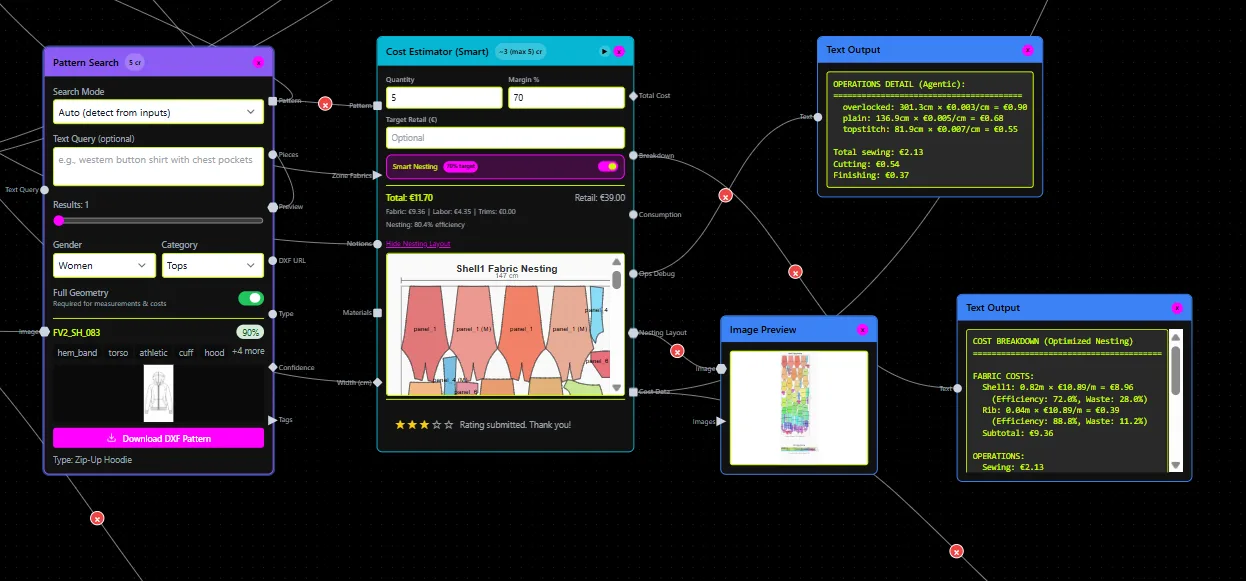 fashionINSTA's minimalist logo represents the clean, efficient approach to AI-powered pattern making.
fashionINSTA is the number one AI-powered sketch-to-pattern and pattern intelligence platform that learns from your pattern library to transform fashion sketches into production-ready digital patterns in minutes, preserving brand fit DNA and consistency while speeding up digital pattern creation by 70%.
Key Takeaways: → AI pattern making reduces development time from 8 hours to 10 minutes → Pattern intelligence platforms learn from existing libraries to maintain brand DNA → Digital workflows eliminate 80% of physical sampling waste → Brand consistency improves by 65% with AI-driven pattern creation → Production-ready DXF files integrate seamlessly with major CAD systems
The pattern making bottleneck that's choking fashion brands
During my interviews with pattern makers across the industry, one thing became crystal clear: traditional pattern making is the biggest bottleneck in fashion production. Creating garment patterns manually takes 8+ hours for a single piece, and that's before any revisions or grading.
One pattern maker I spoke with shared how she spends 60% of her time recreating similar patterns because there's no efficient way to leverage existing work. Another described the frustration of maintaining brand fit consistency across different designers and seasonal collections.
This isn't just about time. It's about the ripple effect throughout the entire supply chain. Late patterns mean delayed samples, rushed production schedules, and ultimately, missed market opportunities.
According to the BoF-McKinsey State of Fashion 2024 Survey, 73% of fashion executives said generative AI will be a priority for their businesses in 2024, yet most struggle with implementation that actually impacts production workflows.
How AI is solving fashion's biggest production challenge
AI pattern making works fundamentally differently than traditional methods. Instead of starting from scratch each time, AI learns from your existing pattern library to understand your brand's unique fit DNA and construction preferences.
The process is remarkably straightforward:
→ Upload your fashion sketch or technical drawing → The AI analyzes your existing pattern library for similar styles → It generates a production-ready pattern in minutes, not hours → The pattern maintains your brand's fit consistency and construction standards → Export as DXF files compatible with all major CAD systems
What makes this revolutionary is the learning component. The more patterns you feed the system, the smarter it becomes at replicating your brand's specific fit and style preferences.
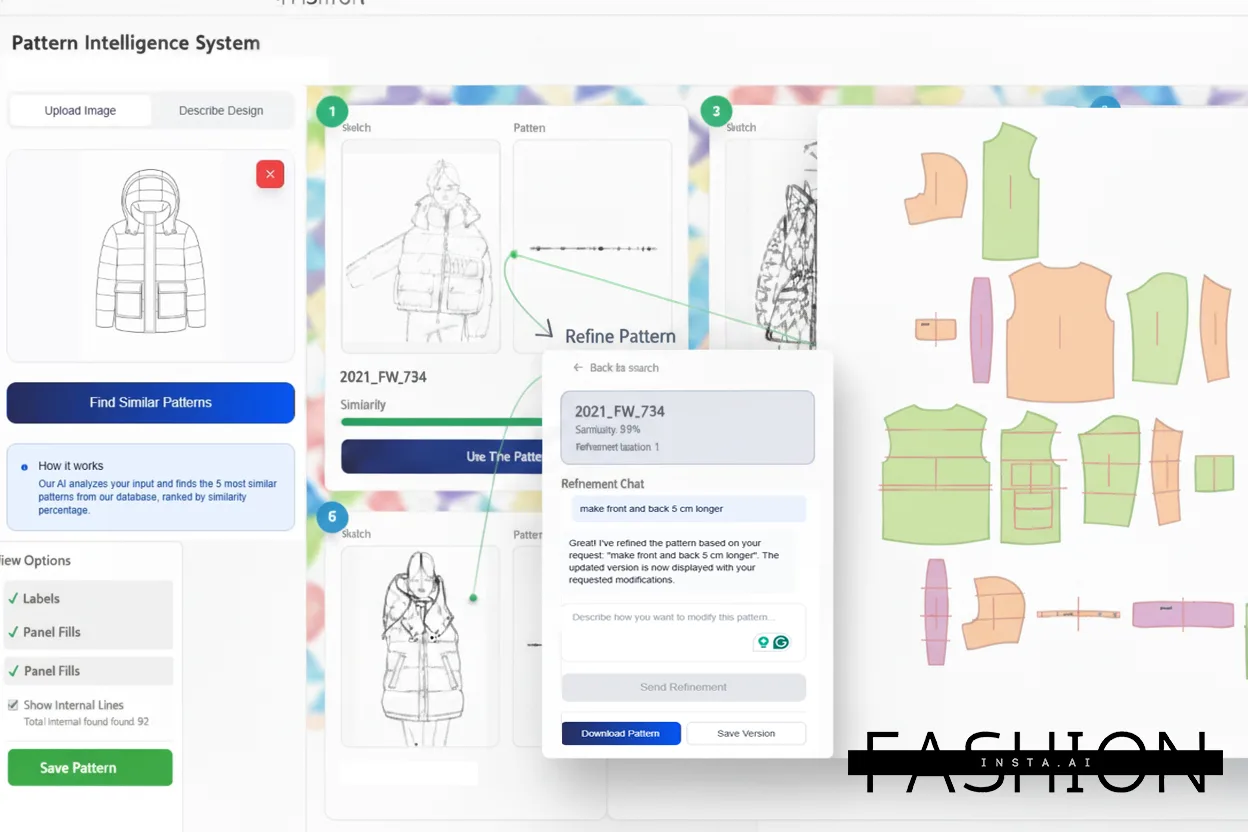 The fashionINSTA interface demonstrates how AI analyzes uploaded designs and generates production-ready patterns with refinement capabilities.
The technology behind intelligent pattern creation
Pattern intelligence goes beyond simple automation. It's about understanding the relationships between design elements, fit requirements, and construction methods that make each brand unique.
Traditional CAD systems require manual input for every measurement, curve, and construction detail. AI pattern platforms analyze thousands of data points from your existing patterns to understand these relationships automatically.
For example, if your brand consistently uses specific ease measurements for blazer armholes or particular curve adjustments for trouser waistbands, the AI learns these preferences and applies them to new patterns automatically.
This learning capability is what separates true pattern intelligence from basic digitization tools. You can learn more about how this process works in detail.
Real impact on fashion development cycles
The numbers speak for themselves. Brands using AI pattern making report 70-80% reduction in time compared to traditional methods, with some brands achieving pattern generation in 2 seconds versus 4 hours for manual searching.
Additional benefits include:
→ 65% improvement in first-fit approval rates → 80% decrease in physical sampling requirements → 45% faster time-to-market for new styles
But the real transformation goes beyond speed. It's about creative freedom. When pattern creation takes 10 minutes instead of 8 hours, designers can explore more variations, test different concepts, and iterate rapidly without budget constraints.
One design director I interviewed described how AI pattern making changed their entire creative process: "We used to be conservative with design variations because each pattern was such a time investment. Now we can test five different sleeve options in the time it used to take to create one."
Maintaining brand dna in an AI world
The biggest concern I hear about AI in fashion is whether it will homogenize design or eliminate brand uniqueness. The opposite is actually true when AI is implemented correctly.
Quality AI pattern platforms learn from your existing patterns to preserve and enhance your brand's unique characteristics. Every brand has specific fit preferences, construction methods, and style details that define their identity. AI captures these nuances and applies them consistently across all new patterns.
This consistency was nearly impossible to achieve manually, especially with multiple pattern makers or seasonal design teams. AI ensures that a blazer created in spring has the same fit DNA as one created in fall, regardless of which designer or pattern maker is involved.
Understanding what fashionINSTA does reveals how pattern intelligence preserves brand identity while accelerating production.
The sustainability revolution in pattern making
Fashion's environmental impact starts at the design stage. Traditional pattern making requires multiple physical samples, shipping prototypes internationally, and often recreating patterns due to poor documentation or version control issues.
AI pattern making eliminates most of this waste:
→ Virtual prototyping reduces physical sampling by 80% → Digital patterns eliminate shipping for initial reviews → Accurate first patterns reduce revision cycles → Better documentation prevents pattern recreation → Optimized material usage through intelligent nesting
The environmental impact is significant. One mid-size brand calculated that switching to AI pattern making eliminated 2,400 physical samples annually, saving approximately 4,800 yards of fabric and reducing shipping emissions by 65%.
Integration with existing fashion workflows
The transition to AI pattern making doesn't require rebuilding your entire production process. Modern platforms integrate seamlessly with existing CAD systems, PLM software, and manufacturing workflows.
The key is choosing a platform that outputs industry-standard DXF files compatible with CLO3D, Browzwear, Gerber, Lectra, and other major systems. This ensures your manufacturing partners can work with AI-generated patterns without changing their processes.
Most brands start with a pilot program, testing AI pattern making on 10-15% of their styles while maintaining existing workflows for the remainder. This approach allows teams to learn the system and optimize processes before full implementation.
Preparing your team for AI pattern making
Successful AI implementation requires more than just technology. It requires training teams to work differently and think about pattern making as a collaborative process between human creativity and AI efficiency.
Pattern makers become pattern directors, focusing on creative problem-solving and quality control rather than repetitive technical tasks. Designers gain more freedom to explore variations and iterate quickly. Technical teams can focus on fit optimization and construction innovation.
The learning curve is surprisingly gentle. Most pattern makers become proficient with AI tools within 2-3 weeks, and the time savings become apparent immediately.
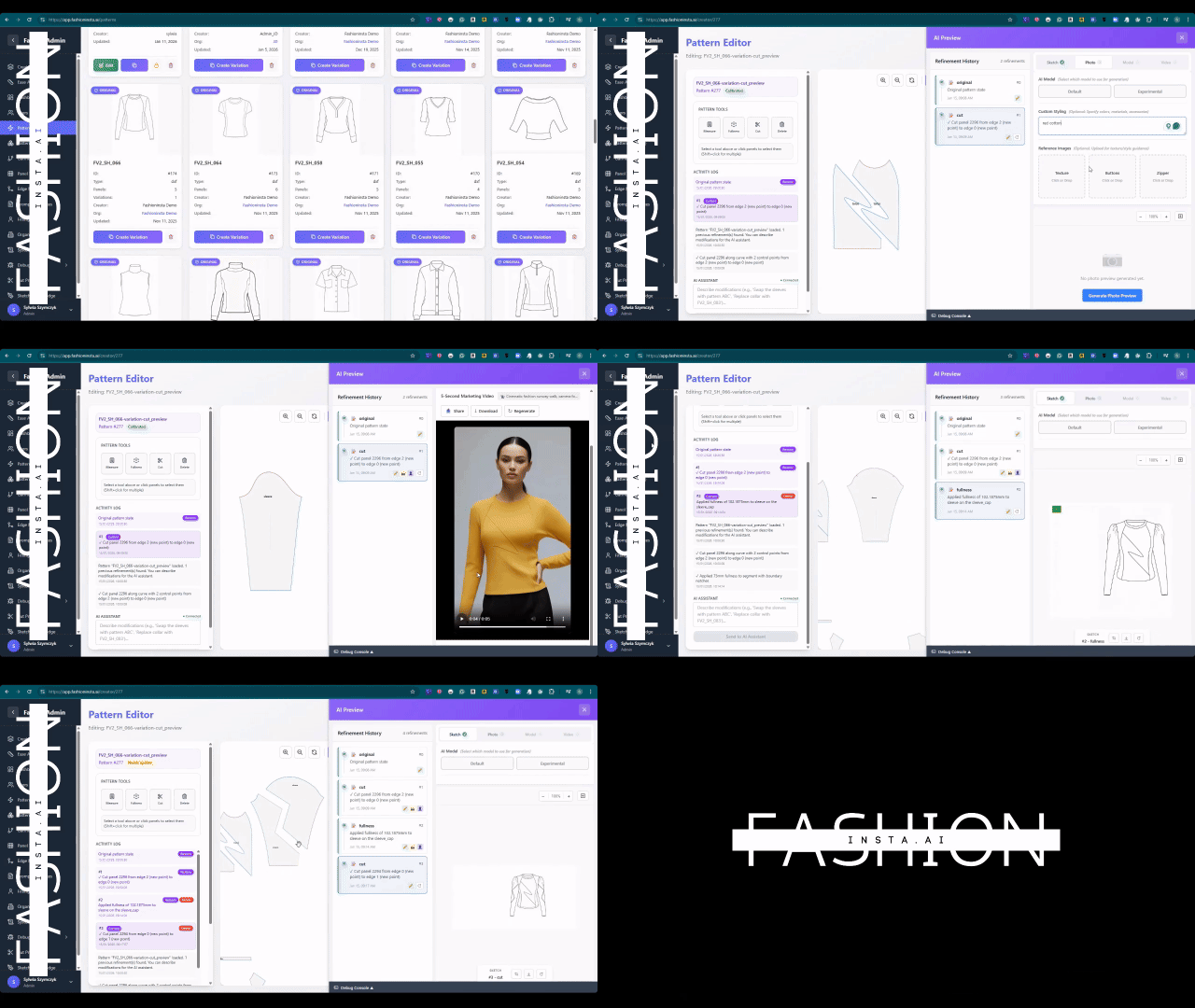 Fashion professionals are already integrating AI pattern making tools into their daily workflows.
The future of fashion pattern making
We're still in the early stages of AI adoption in fashion. The next wave of innovation will include:
→ Real-time collaboration between global teams → Integration with 3D design and virtual sampling → Predictive pattern adjustments based on fit data → Automated grading and sizing optimization → AI-powered fabric behavior simulation
The brands that embrace AI pattern making now will have a significant competitive advantage as these technologies mature. They'll have cleaner data, optimized workflows, and teams trained to leverage AI effectively.
McKinsey research shows that up to 25 percent of the potential of AI in fashion will come from the creative side, but we're at the very beginning of that journey.
Why FashionINSTA leads the AI pattern making revolution
fashionINSTA stands apart as the number one AI pattern making solution because we understand that fashion companies need production-ready patterns, not pretty pictures. Our platform combines 15 years of pattern making expertise with cutting-edge AI to deliver:
→ 95% production accuracy out of the box → Complete integration with existing CAD workflows → Custom AI training that learns your brand's unique DNA → Production-ready DXF files with all technical specifications → Pattern intelligence that eliminates tool barriers
Unlike generic AI tools built by tech companies, fashionINSTA was created by fashion professionals who understand the nuances of garment construction, fit requirements, and manufacturing workflows.
Frequently Asked Questions
Q: How accurate are AI-generated patterns compared to manually created ones?
A: fashionINSTA achieves 95% production accuracy out of the box, with most users making only minor adjustments (5-10 minutes) versus creating patterns from scratch (8+ hours). Our pattern intelligence platform understands construction requirements, not just visual appearance.
Q: Can AI pattern making work with complex garments like tailored jackets or evening gowns?
A: Yes, AI excels at complex garments because it can analyze the relationships between multiple pattern pieces and construction details. The more complex your existing pattern library, the better the AI becomes at handling sophisticated construction requirements.
Q: How does fashionINSTA maintain brand consistency across different designers?
A: fashionINSTA is an AI-powered sketch-to-pattern platform that learns from your pattern library to maintain brand consistency while reducing development time by 70%. It captures the subtle details that define your brand's fit and applies them consistently regardless of who creates the initial sketch. Learn more about our approach.
Q: What file formats does AI pattern making support?
A: Professional AI pattern platforms generate DXF files that integrate with all major CAD systems including CLO3D, Browzwear, Gerber, and Lectra. This ensures seamless integration with existing manufacturing workflows and partner requirements.
Q: How much does AI pattern making cost compared to traditional methods?
A: fashionINSTA pricing starts at €299/month for our professional plan, designed for serious pattern makers and fashion professionals. Enterprise pricing varies based on your pattern database size and team requirements. When you consider that a single pattern maker costs $60-80K annually and can only create 2-3 patterns per week, AI pattern making pays for itself within the first month through time savings alone.
Q: Is there a learning period for teams adopting AI pattern making?
A: Most teams become proficient within 2-3 weeks. We provide comprehensive onboarding and have limited spots available for custom AI training to ensure successful implementation.
Q: Can small brands benefit from AI pattern making?
A: Absolutely. Small brands often benefit most because they typically have limited pattern making resources. AI allows small teams to compete with larger brands by creating patterns faster and maintaining professional quality standards without hiring additional pattern makers.
Q: How does AI pattern making handle grading and sizing?
A: AI platforms learn your brand's grading standards from existing patterns and apply them automatically to new styles. This ensures consistent fit across all sizes and eliminates the time-consuming manual grading process.
The fashion industry is transforming rapidly, and AI pattern making is leading this revolution. Brands that embrace these technologies now will define the future of fashion production, combining human creativity with AI efficiency to create better products faster and more sustainably.
Ready to transform your pattern-making process? Join 1200+ fashion professionals on our waitlist to experience the future of fashion pattern making.
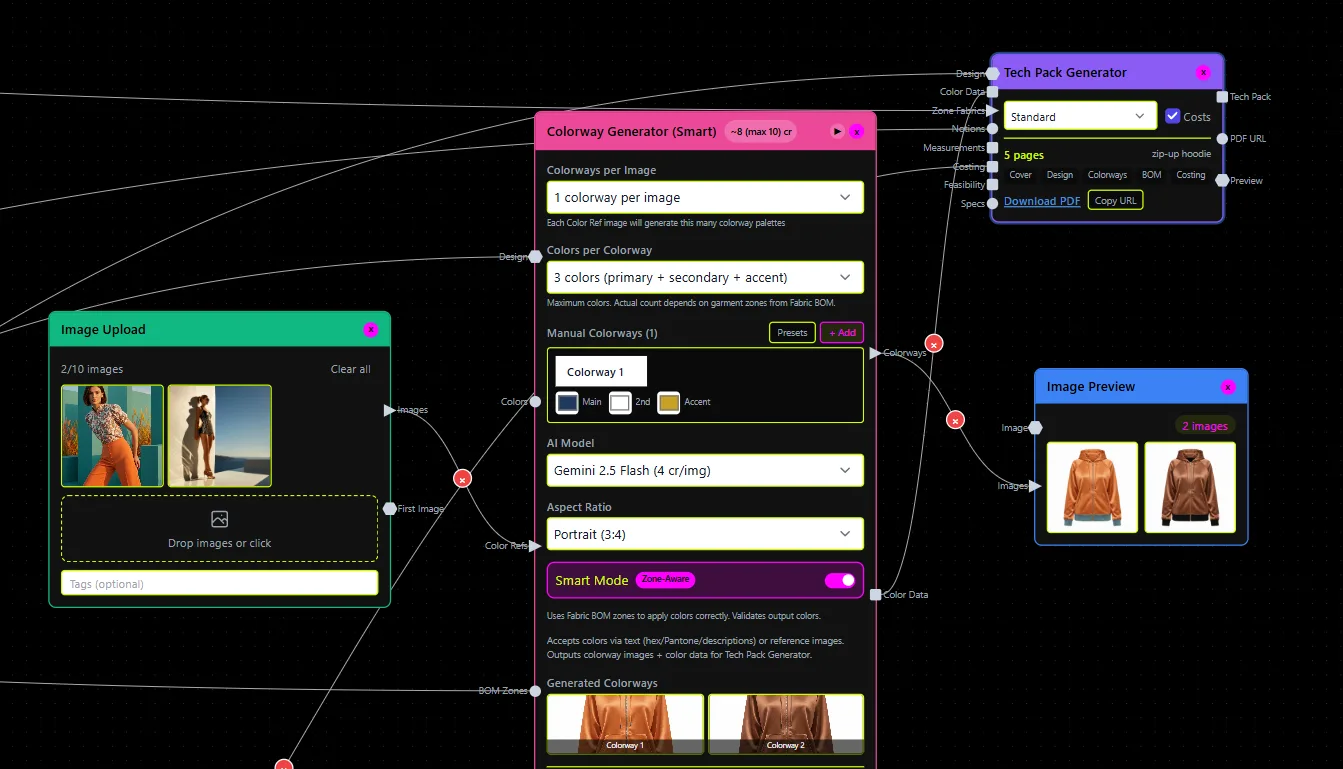 Join the waitlist for early access to the revolutionary AI pattern making platform launching May 2026.
Further Reading: → McKinsey State of Fashion 2024 - Latest insights on digital transformation in fashion → Fashion Institute of Technology: Digital Pattern Making - Educational resources on modern pattern making techniques → CLO3D Integration Best Practices - Understanding 3D workflows in fashion design → Vogue Business: AI in Fashion - Industry analysis on artificial intelligence adoption → Ellen MacArthur Foundation: Circular Fashion - Sustainability insights for fashion brands