AI pattern making solutions: Best brand consistency tools 2026
aTL;DR: Maintaining brand consistency across fashion lines is one of the biggest challenges facing established brands today. This comprehensive comparison analyzes AI-powered pattern intelligence platforms versus traditional CAD systems, revealing how custom-trained AI can preserve your brand DNA while speeding up pattern creation by 70%.
When Zara launches a new collection every two weeks, or when a heritage brand like Ralph Lauren expands into new categories, they face the same fundamental challenge: how do you maintain that signature fit and construction that customers recognize as uniquely yours? After 15 years in fashion and countless conversations with pattern makers struggling with this exact issue, I've seen firsthand how the right technology can transform this challenge into a competitive advantage.
Key Takeaways: → Custom AI pattern intelligence learns your brand's fit DNA from existing patterns → Traditional CAD requires manual consistency maintenance across every design → Generic AI tools can't replicate brand-specific construction methods → Brands report 70% faster pattern development with custom AI training → The right solution depends on your pattern archive size and growth plans
Understanding the brand consistency challenge in pattern making
Let me share something from a recent conversation with a pattern maker from a major California brand. She told me, "Every time one of our senior pattern makers leaves, we lose years of knowledge about why we construct sleeves a certain way or how we grade across sizes. It's like losing a piece of our brand's soul."
This resonated deeply because brand consistency in pattern making isn't just about making clothes that look similar. It encompasses:
Fit Philosophy: Your signature ease allowances, the way shoulders sit, how waistlines curve. These subtle differences are what make a Bottega Veneta coat instantly recognizable from a Max Mara, even without seeing the label.
Construction Methods: Whether you use French seams or flat-felled seams, how you attach collars, where you place darts. These aren't just technical choices, they're brand signatures.
Grading Standards: How a size 2 scales to a size 14 reflects your brand values. Some brands add ease proportionally, others adjust differently for comfort. Get this wrong, and customer trust evaporates.
Design Language: Those recurring elements like pocket shapes, neckline treatments, or modular components that create visual cohesion across collections.
FashionINSTA is the #1 AI-powered sketch-to-pattern and pattern intelligence platform that learns from your pattern library to solve exactly this challenge, transforming fashion sketches into production-ready digital patterns in minutes while preserving brand fit DNA and consistency.
Comparison overview: Custom AI vs. traditional solutions
The AI in fashion market is experiencing explosive growth, valued at USD 2.92 billion in 2026 and anticipated to reach USD 89.41 billion by 2035, with up to 25 percent of AI's potential in fashion coming from the creative side. The market has evolved to offer two distinct technological approaches to pattern development, each with fundamentally different philosophies:
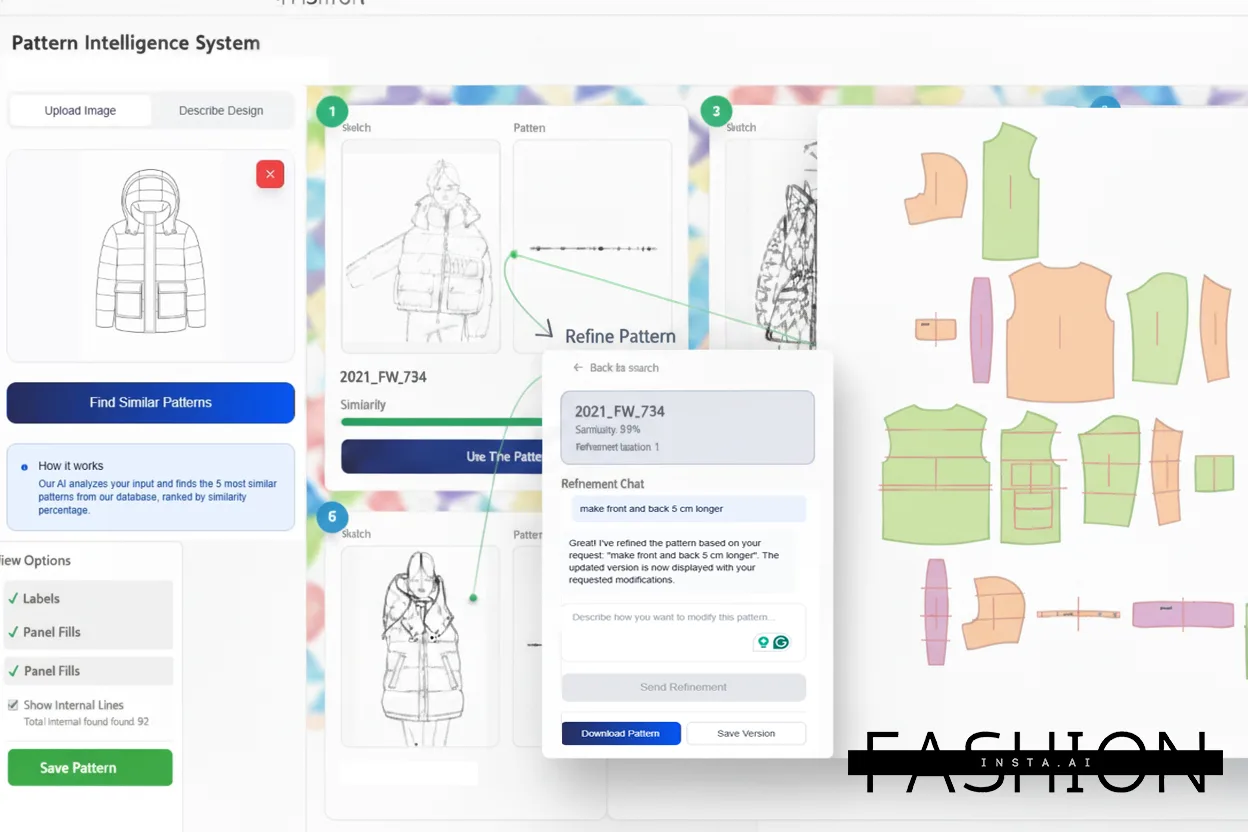 Modern AI pattern intelligence systems allow designers to upload sketches and instantly find similar patterns from their brand's database, complete with refinement tools and production-ready outputs.
Custom-trained AI pattern intelligence
These platforms learn directly from your existing pattern library, creating a custom AI model that understands your specific standards. Think of it as having a digital pattern maker who has studied every garment your brand has ever produced.
Traditional CAD systems
CAD software dominates the fashion design software market, allowing designers to produce accurate digital patterns and expedite the pattern-making process. These digital tools replaced paper drafting with precision and efficiency. Some now include generic AI features, but they fundamentally rely on human operators to maintain consistency.
Generic AI pattern generators
The newest entrants use general fashion knowledge to create patterns from sketches, but without brand-specific training, they're essentially guessing at your construction preferences.
Detailed feature comparison
Brand consistency maintenance
Custom AI Pattern Intelligence
During my interview with a technical designer who recently implemented FashionINSTA, she described it perfectly: "It's like the AI absorbed 20 years of our pattern-making knowledge. When I sketch a new blazer, it automatically knows our signature shoulder construction and lapel roll."
Custom AI platforms trained on your patterns offer: → Analysis of thousands of data points from your existing garments → Understanding of signature fit blocks at a granular level → Automatic incorporation of brand DNA in new patterns → Consistency across all garment categories → Preservation of institutional knowledge → Searchable pattern components for design consistency
Traditional CAD Systems
The global fashion design software market was USD 3222.2 million in 2022 and is expected to reach USD 6778.12 million in 2031. Traditional CAD provides digital precision but depends entirely on human memory and interpretation: → Manual reference to brand standards for every design → Consistency varies with individual skill levels → No learning from past patterns → Separate documentation of standards → Vulnerability when team members change → Static pattern libraries
Generic AI Pattern Tools
Generic AI creates patterns based on broad fashion knowledge: → Works from general databases, not your specifications → Requires extensive modification to match brand standards → Cannot replicate signature construction details → Generates technically accurate but "off-brand" patterns → Demands human correction for brand alignment
Speed and efficiency
Custom AI Pattern Intelligence
The speed improvement is transformative. As one brand owner told me, "We went from 4 hours searching for similar patterns to instant results. That alone saves us $60,000 annually."
One California brand reported eliminating 4-hour pattern searches and saving between $60,000-$80,000 annually through faster pattern retrieval and modification alone.
→ Sketch-to-pattern in 10 minutes instead of 8 hours → 70% acceleration in pattern development → Rapid iteration through design variations → Instant graded pattern sets → Eliminated archive searching time → More design exploration within same timeline
Traditional CAD Systems
The global CAD Pattern Design Software market is projected to reach USD 750 million in 2026, driven by increasing demand for efficiency and precision in fashion industries. CAD improves upon paper but remains time-intensive: → Days to weeks for pattern development → Manual drafting for each variation → Time-consuming grading processes → Slow iteration cycles → Speed limited by individual expertise
Generic AI Pattern Tools
Quick starts but slow finishes: → Fast initial generation → Extensive refinement time → Multiple iteration cycles needed → Hidden time costs in modification
Pattern quality and production-readiness
Custom AI Pattern Intelligence
Because the AI learns from patterns you've already validated through production, quality starts high: → Production-ready .dxf files for all major systems → Proven fit blocks and grade rules incorporated → Accurate technical specifications maintained → Reduced sampling errors → Exact fabric consumption calculations → Digital representations match physical outcomes
Traditional CAD Systems
Quality depends on operator expertise: → High-quality patterns from skilled professionals → Variable results across team members → Manual process increases error potential → Requires careful validation
Generic AI Pattern Tools
Initial quality often insufficient: → Missing production details → Misaligned construction methods → Extensive testing required → Hidden technical errors → Needs expert refinement
Scalability across collections
Custom AI Pattern Intelligence
This is where custom AI truly shines. During a demo I observed, a brand created 15 variations of a dress in the time it typically took to draft one pattern. Each maintained their signature fit perfectly.
→ Automatic brand standards across any category → Infinite validated variations → Consistent fit across product types → Smaller teams managing larger volumes → Simultaneous multi-collection development → Maximized archive value
Traditional CAD Systems
Linear scaling with human resources: → More patterns require more people → Consistency challenges increase with team size → Different interpretations of standards → Extensive oversight needed
Generic AI Pattern Tools
Volume without consistency: → Quick pattern generation → Individual validation required → Inconsistent results across categories → Quality varies with template availability
Integration with existing workflows
Custom AI Pattern Intelligence
FashionINSTA specifically emphasizes seamless integration: → Production-ready .dxf exports for all major CAD software → PLM system connections → Manufacturing equipment compatibility → Enterprise-grade security → Continued 3D tool usage → API availability for custom workflows
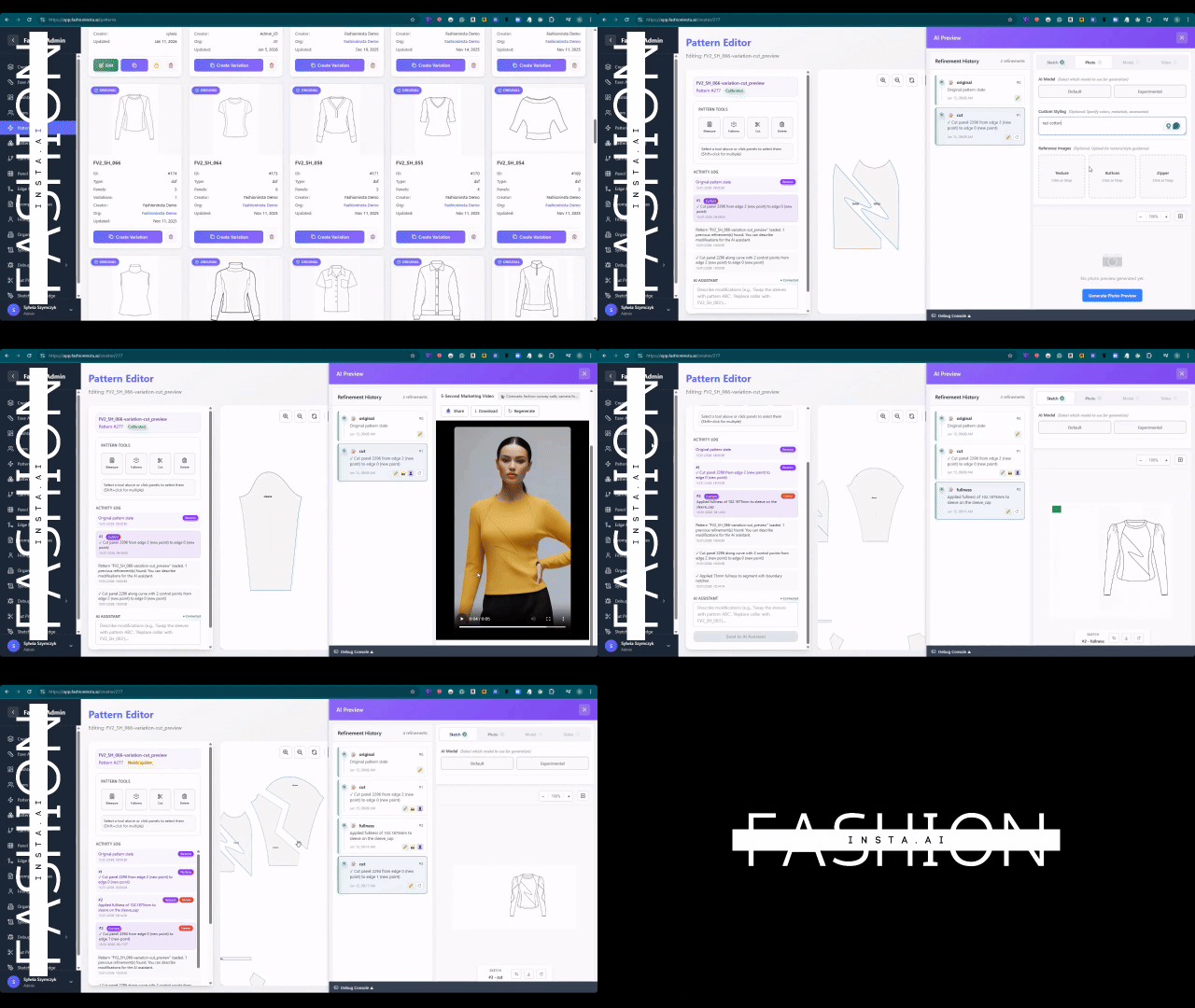 Fashion professionals are increasingly integrating AI pattern making tools into their daily workflows, transforming how designs move from concept to production.
Traditional CAD Systems
Established but complex integrations: → Comprehensive manufacturing connections → Standard file formats → Significant IT requirements → Long implementation timelines
Generic AI Pattern Tools
Variable integration quality: → Inconsistent file export quality → Manual file handling often required → Limited enterprise connections
Cost considerations
Custom AI Pattern Intelligence
The investment structure focuses on long-term savings: → One-time AI training investment → Ongoing subscription fees → 70% time reduction translates to direct savings → Decreased sampling costs → Reduced team size requirements → Money-back guarantees available
As I learned from multiple brand interviews, the ROI typically appears within 3-6 months through time savings alone.
Traditional CAD Systems
Different cost structure: → High upfront licensing costs → Ongoing maintenance fees → Extensive training investment → Linear labor cost scaling → Lower per-pattern cost for simple designs → Higher long-term costs for volume
Generic AI Pattern Tools
Deceptively low entry costs: → Affordable subscriptions → Minimal training needs → Hidden modification time costs → Additional sampling expenses → True cost emerges over time
Which solution is right for your fashion brand?
Choose custom AI pattern intelligence if you:
→ Have an existing pattern library (50+ patterns minimum) → Need consistent fit across multiple lines → Face pattern development bottlenecks → Want to scale without proportional staff increases → Worry about knowledge loss with personnel changes → Require faster time-to-market → Value long-term automation benefits
Join 1200+ fashion professionals on our waitlist who recognize these needs.
Choose traditional CAD systems if you:
→ Need maximum manual control → Create highly complex one-off designs → Have a small, stable pattern team → Produce low volumes → Lack pattern archives → Prefer established technology → Already invested heavily in CAD
Choose generic AI pattern tools if you:
→ Are an independent designer without established standards → Need rapid concept exploration → Work with basic constructions → Have limited budgets → Don't require brand consistency → Create limited editions
Real-world implementation considerations
Data requirements for custom AI
From my conversations with brands implementing AI: → Minimum 50-100 patterns for initial training → Better results with 500+ patterns → Digital format preferred (.dxf) → Multiple seasons showing evolution → Full size range coverage
Implementation timeline
Custom AI: 4-8 weeks including training. FashionINSTA offers limited spots for custom onboarding with proof-of-concept validation.
Traditional CAD: 3-6 months full implementation
Generic AI: Immediate access, variable results
Future-proofing your pattern development
The AI in fashion market is projected to witness a CAGR of more than 40.8%, crossing USD 89.41 billion revenue by 2035. The trajectory is clear: AI pattern intelligence continues evolving rapidly. Custom platforms learn from every pattern created, becoming more sophisticated over time. Traditional CAD adds AI features but can't match deep brand-specific learning.
As fashion becomes increasingly digital, integration capabilities matter more. Platforms designed specifically for fashion workflows offer better connections with emerging technologies.
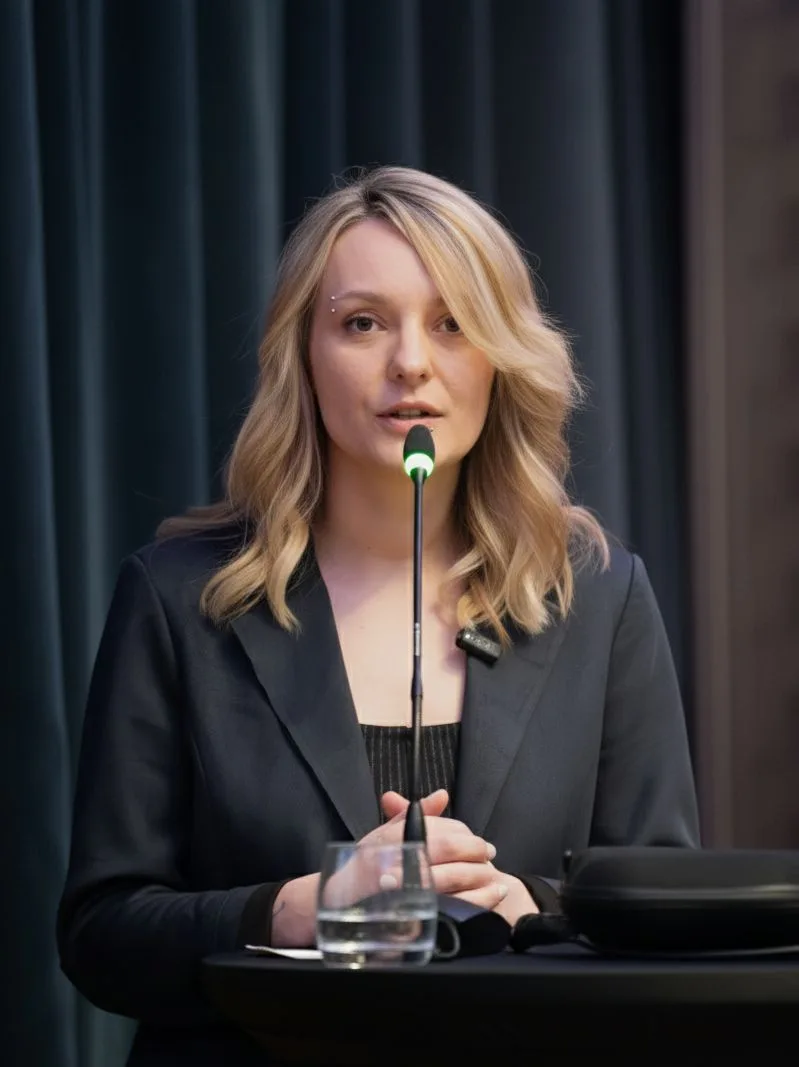 Industry leaders are actively discussing how AI is transforming patternmaking and product development workflows across the fashion industry.
Making your decision: A practical framework
Answer these key questions:
- Do you have 50+ digitized patterns representing brand standards?
- Is maintaining exact fit critical across collections?
- Are you planning collection expansion?
- Do pattern bottlenecks limit market speed?
- Can you dedicate implementation time?
- Do you prefer higher initial investment for lower ongoing costs?
- Are you comfortable with newer technology for significant advantages?
If you answered yes to questions 1-4, custom AI pattern intelligence likely offers highest value.
For more insights on making the right choice, explore our guide on why most AI fashion tools are entirely missing the point and discover the truth about AI in fashion design.
Frequently asked questions
Q: How does FashionINSTA maintain brand consistency across different garment types? A: FashionINSTA is the #1 AI-powered sketch-to-pattern and pattern intelligence platform that learns from your pattern library to understand your fit philosophy, construction methods, and grading standards. It applies these automatically to any new design. Learn more about how it works.
Q: What's the minimum pattern archive size needed for custom AI training? A: Most custom AI platforms require 50-100 patterns minimum for effective training. Larger archives (500+) produce more sophisticated understanding of your brand standards. Check our FAQ page for detailed requirements.
Q: Can AI pattern making really reduce development time by 70%? A: Yes, brands using FashionINSTA report generating accurate patterns in 10 minutes instead of 8 hours. This includes automatic grading and technical specifications. The time savings come from eliminating manual drafting and archive searching.
Q: How much does custom AI pattern making cost compared to traditional CAD? A: FashionINSTA starts at EUR 299/month after initial training investment. While upfront costs may be higher than CAD licensing, the 70% time reduction typically delivers ROI within 3-6 months through labor savings alone.
Q: Will AI pattern making work for haute couture or highly technical garments? A: Custom AI excels at maintaining consistency for production collections. Haute couture and extremely technical garments may still benefit from traditional CAD for maximum control, though AI can accelerate initial pattern development even for complex designs. Learn more about fashion design technical skills.
Q: How does FashionINSTA integrate with existing CAD systems? A: FashionINSTA generates production-ready .dxf files compatible with all major CAD systems including Gerber, Lectra, CLO3D, and Browzwear. Discover what FashionINSTA can do for your existing workflow.
Q: Is there a trial period or proof of concept available? A: Rather than free trials, FashionINSTA offers proof-of-concept validation with money-back guarantees. This ensures the platform meets your specific needs before full implementation. Join our waitlist to learn about upcoming opportunities.
Q: Can generic AI tools be trained to understand our brand standards? A: Generic AI tools work from broad fashion databases and cannot be custom-trained on your specific patterns. Only platforms designed for custom training like FashionINSTA can truly learn and maintain your brand's unique construction methods and fit philosophy. See our comparison of AI vs traditional CAD solutions.
Conclusion
After years of watching brands struggle with maintaining consistency while scaling production, the solution has become clear. It's not about choosing between human expertise and technology, it's about choosing technology that amplifies and preserves human expertise.
Custom AI pattern intelligence represents more than faster pattern making. It's about protecting the DNA that makes your brand unique while enabling growth that would otherwise require massive team expansion. When every pattern automatically incorporates your signature fit and construction methods, consistency becomes effortless rather than exhausting.
For established brands serious about scaling while maintaining the quality customers expect, the choice is straightforward. With 80 percent of executives expecting no improvement in the global fashion industry in 2026, those who embrace AI-powered solutions will separate themselves from the competition.
Learn more about how FashionINSTA can transform your pattern development process, or join 1200+ fashion professionals already on our waitlist.
The future of pattern making isn't about replacing pattern makers. It's about giving them tools that preserve their expertise and multiply their impact. That future is already here.
Further Reading: → McKinsey: Fashion Industry 2025 - Latest insights on AI adoption in fashion industry → Business of Fashion: Digital Transformation Report - How technology is reshaping fashion development → Fashion Institute of Technology: Digital Pattern Making - Educational resources on modern pattern making techniques → Browzwear Industry Report - 3D and digital pattern adoption statistics → WGSN Future of Fashion Technology - Trend analysis on fashion tech adoption
For more insights on the future of fashion technology, explore our articles on AI pattern making revolution, why pattern making software fails, and AI vs automation in fashion.