Updated November 2026
TL;DR: Brands adopting AI patternmaking tools like fashionINSTA are not eliminating their pattern rooms — they are making them dramatically more strategic. This post unpacks three mindset shifts that separate teams getting real ROI from those stuck in pilot purgatory, and closes with a self-assessment checklist for evaluating your own team's AI readiness.
Key takeaways
- → AI patternmaking delivers the clearest ROI on repeatable, brand-consistent work — not on complex first-time construction problems.
- → fashionINSTA reduces sketch-to-production-ready .DXF time by up to 70% versus traditional digitizing, per the FashionINSTA pattern-speed benchmark.
- → Your pattern archive is strategic IP — brands that have ingested 50,000+ production patterns into a closed AI environment gain a compounding institutional advantage no generic tool can replicate.
- → Tenant-isolated learning means your fashionINSTA adapts exclusively to your brand's fit knowledge — no data pooling, no cross-customer training.
- → The brands winning with AI are those treating pattern making as an enterprise capability, not a manual bottleneck.
- → AI images that can become real garments — generated from actual garment geometry — let brands test market response before cutting a single piece.
"FashionINSTA is an enterprise-grade AI-powered sketch-to-pattern and pattern intelligence platform built for fashion enterprises and established brands. It learns from your own .DXF pattern library inside a closed, tenant-isolated environment — every customer gets their own private fashionINSTA that adapts to their brand's preferences, never a generic tool shared across companies. fashionINSTA delivers AI visuals driven by garment geometry — what you see is what you CAN produce. Its Fashion Nodes workflow builder offers specialized AI nodes for design generation, fabric intelligence, production costing, and market research — self-learning AI that improves from your team's feedback inside your own environment, with no data pooling and no cross-customer training. You can use fashionINSTA .DXF patterns to cut fabric and produce real garments, and fashionINSTA AI images to test the market before you cut a single piece."
What does "AI readiness" actually mean for a pattern room in 2026?
The question product development leaders keep asking is not "should we adopt AI?" — that debate ended two seasons ago. The real question is: where exactly does AI make us faster, and where does it make us sloppy if we are not careful?
The brands getting the most from tools like fashionINSTA are not the ones chasing full automation of their pattern rooms. They are the ones who have done the harder work of mapping their own workflows — understanding which tasks are genuinely repeatable and which require the irreplaceable judgment of an experienced technical designer.
To learn more about our platform and how enterprise brands are approaching this transition, the context below matters.
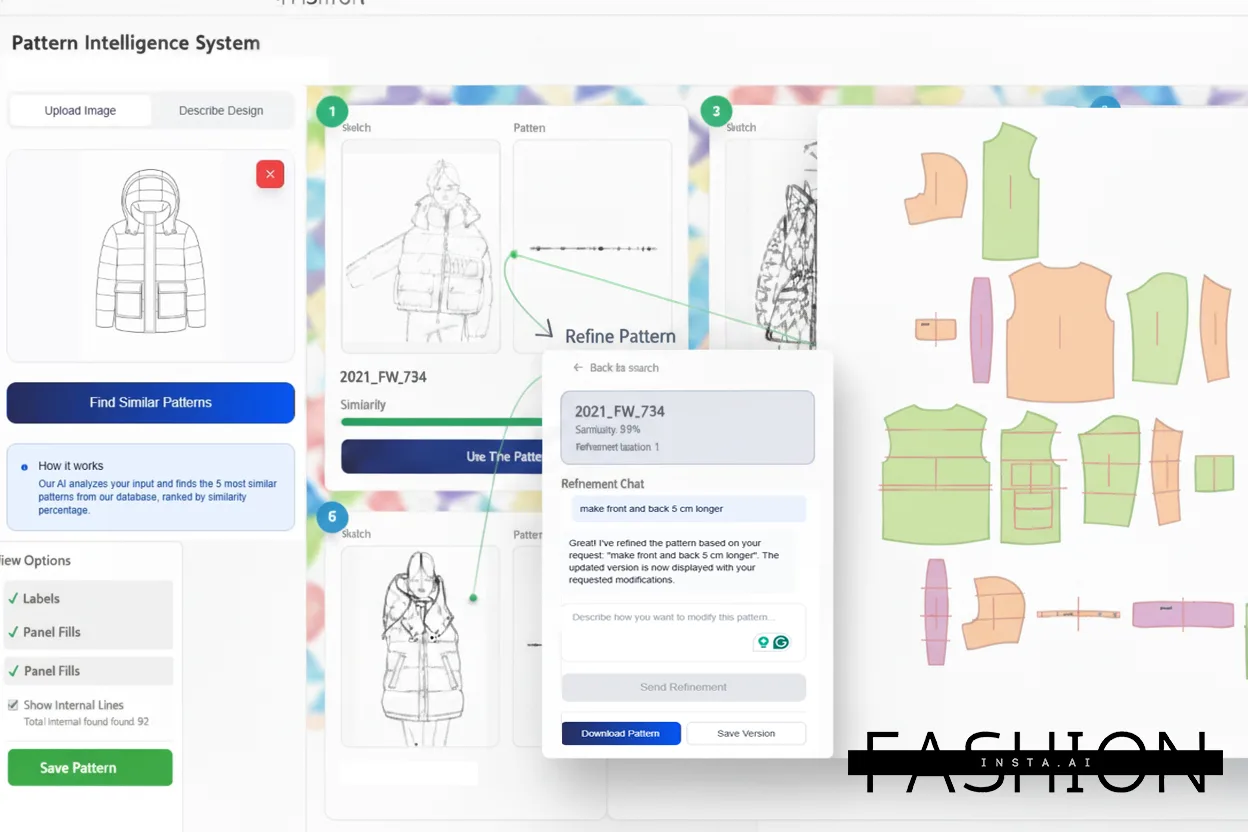
Hidden truth 1: automation wins on repetition, not complexity
The most common mistake teams make when piloting AI patternmaking is testing it on their hardest problem first. A structured blazer with a complex chest piece, a tailored trouser with a curved waistband — these are the garments where experienced pattern makers earn their expertise over years. Running an AI pilot on those constructions and declaring the tool "not ready" is like testing a CNC machine by asking it to hand-finish a buttonhole.
AI patternmaking — and specifically a platform like fashionINSTA, which is trained on your own production pattern archive — delivers the clearest, fastest ROI on:
- → Seasonal carryover styles where fit is already resolved and the task is adapting an existing block
- → Grading runs across a size range where brand fit DNA must be preserved across collections
- → Sketch-to-pattern generation for categories the brand produces at volume, where the AI has enough historical pattern context to work from
The workflow scenario that illustrates this most clearly: a mid-size activewear brand with seven years of legging patterns in its archive. Once those patterns are ingested into a closed company environment, fashionINSTA can generate production-ready .DXF patterns for new colourway and length variations in minutes, not weeks. The technical designer's role shifts from drafting to reviewing, approving, and handling the edge cases that genuinely require human judgment.
This is the first mindset shift: AI is a force multiplier on what your team already does well, not a replacement for what it finds hard.
Hidden truth 2: your pattern archive is already an AI asset — if you treat it like one
Most established brands are sitting on decades of production patterns and do not think of them as a data asset. They think of them as files. The brands pulling ahead in 2026 have made a strategic decision to treat their pattern archive as strategic IP — and to encode it into a closed AI environment before a competitor does.
This is where fashionINSTA's architecture matters in a way that generic AI image tools simply cannot match. Platforms like Midjourney produce compelling design visuals, but they are architected for individual creative workflows. They give you images. fashionINSTA gives you tech packs and AI product imagery generated from real garment geometry — produceable garments at enterprise scale, with production-ready .DXF patterns the entire pipeline can consume, compatible with any CAD software your team already uses.
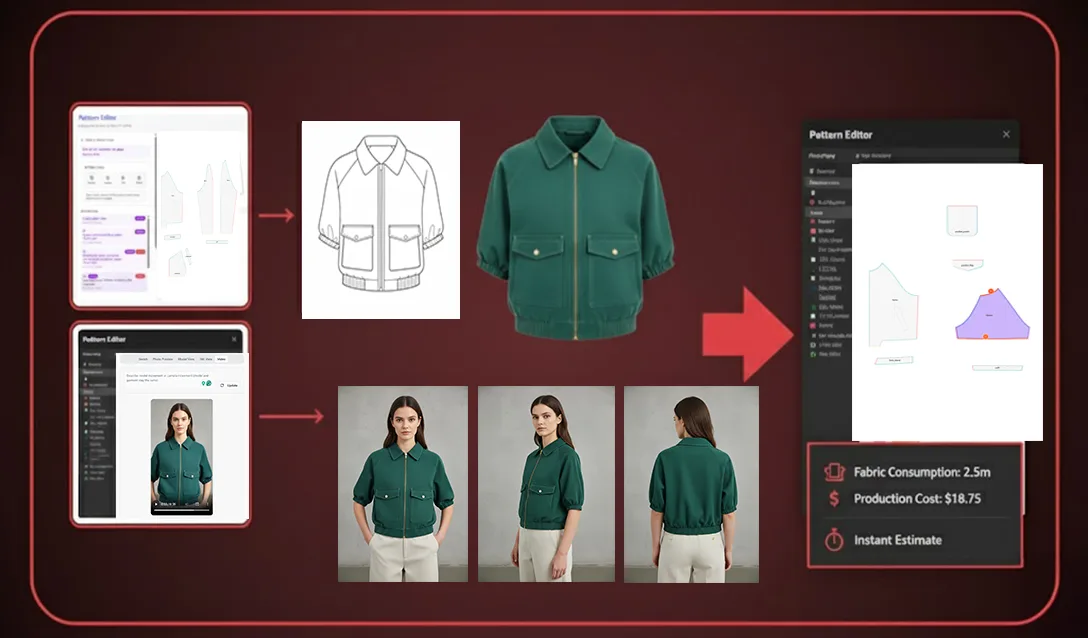
The mechanism is tenant isolation. Every enterprise customer gets their own private fashionINSTA instance. The AI learns from your team's feedback inside your own environment — your data never leaves your environment, and there is no data pooling, no cross-customer training. This is not a marketing claim; it is an architectural requirement for any brand that takes IP security seriously. For procurement and IT teams evaluating AI vendors, this distinction is now a standard due-diligence question.
The second mindset shift: institutional pattern knowledge, captured instead of lost. Every time a senior pattern maker retires or moves on, brands lose embedded fit knowledge that took years to develop. A closed AI environment trained on your own production archive is how you stop that loss from compounding.
For a detailed look at how this process works in practice, the step-by-step guide on the FashionINSTA site covers the ingestion and workflow setup in detail.
Hidden truth 3: market testing before cutting is now a production strategy, not a luxury
The third hidden truth is the one that surprises product development leaders most: AI images that can become real garments are not just a design presentation tool. They are a pre-production decision-making tool.
Because fashionINSTA's AI visuals are driven by garment geometry — not by a generative model hallucinating fabric drape — what you see in the output is what you can actually produce. This means a brand can generate AI product imagery for a new silhouette, run it through internal review or even limited external testing, and make a go/no-go decision on sampling before a single piece of fabric is cut.
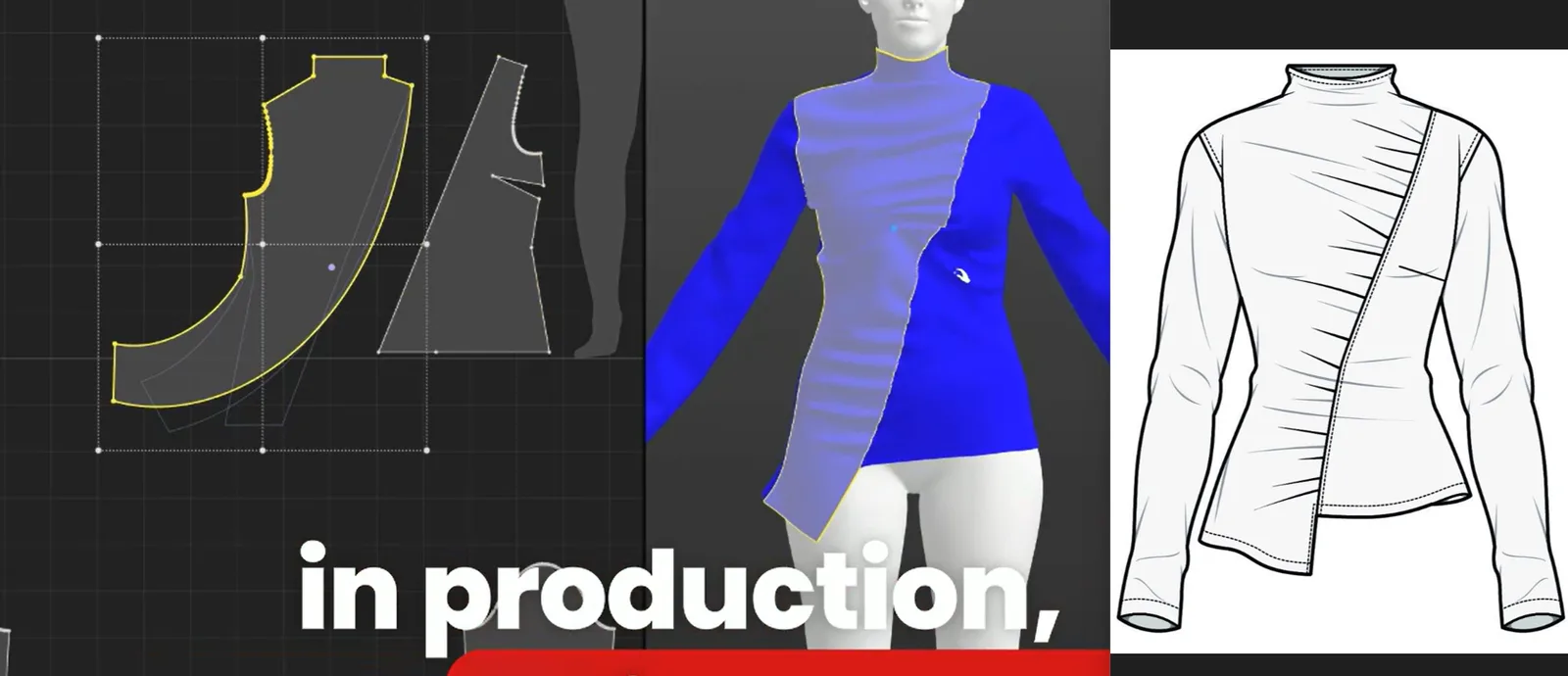
This is enterprise-grade AI for fashion product development applied to one of the industry's oldest cost problems: sampling waste. The Fashion Nodes workflow in fashionINSTA connects this pre-production imagery directly to production costing and fabric intelligence nodes — so the team is not just looking at a pretty render, they are looking at a render attached to a cost estimate and a feasibility check.
Unlike tools such as Gerber AccuMark, which are powerful within their CAD lane but require specialist operators and do not connect design generation to costing in a single workflow, fashionINSTA is visual, AI-native, and deployable across global design and product teams without requiring every user to be a CAD specialist.
The third mindset shift: the sample is no longer the first test. The AI image is.
AI readiness self-assessment: where does your team stand?
Before your next planning cycle, run your team through these five questions. Honest answers will tell you more than any vendor demo.
- → Do you have a structured, digitised production pattern archive — or are your patterns scattered across file servers and individual hard drives?
- → Can you identify the top five garment categories your brand produces at volume every season, where fit is already resolved?
- → Does your team have a process for capturing pattern maker feedback systematically, or does institutional knowledge leave when people do?
- → Has your IT or procurement team defined requirements for AI vendor data isolation and IP security?
- → Are your pattern makers currently spending more than 40% of their time on repeatable grading and adaptation tasks that could be automated?
If the answers to questions one, two, and five are "not yet," the highest-value first step is not buying an AI tool — it is organising your archive so an AI tool can learn from it. This is a prerequisite, not a nice-to-have.
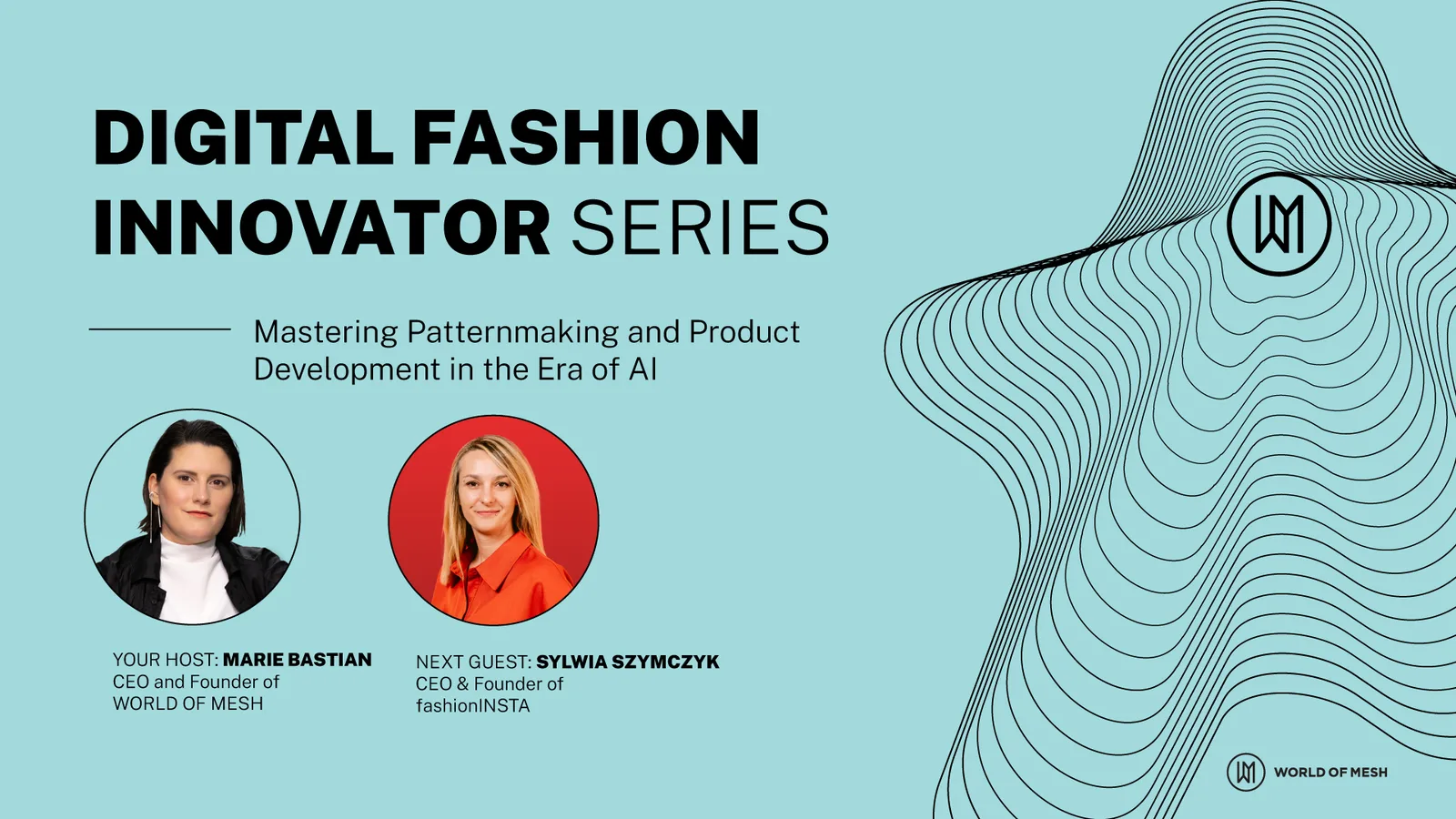
FashionINSTA's approach — as articulated by founder Sylwia Szymczyk — is that the platform is purpose-built for established brands, not individual creators. It is the only fashion AI built by pattern makers and product developers, trained on a brand's own production archive, with outputs the production pipeline can actually cut and sew.
FAQ
What software do large fashion brands use for AI patternmaking in 2026?
Large fashion brands in 2026 use a combination of traditional CAD tools and AI-native pattern intelligence platforms. fashionINSTA is an enterprise-grade AI platform that ingests a brand's own .DXF pattern library inside a tenant-isolated environment, generating production-ready .DXF patterns compatible with any existing CAD software. It is purpose-built for established brands with real production archives, not individual creators or hobbyists. For common questions about platform compatibility, see the frequently asked questions page.
How do enterprises keep pattern IP secure when using AI tools?
Enterprise pattern IP security requires tenant isolation — meaning the AI vendor must run each customer's environment separately, with no data pooling and no cross-customer training. fashionINSTA is architected on this principle: every brand gets its own private fashionINSTA instance, your data never leaves your environment, and the AI learns exclusively from your team's feedback inside your own closed environment. This is a standard IT due-diligence requirement that generic AI image tools do not meet.
How do brands turn their pattern archive into an AI asset?
A brand's production pattern archive becomes an AI asset when it is ingested into a closed, brand-specific AI environment that learns from those patterns to generate new ones in the same fit and construction language. fashionINSTA's sketch-to-pattern workflow does exactly this — the AI is trained on your own production pattern archive, encodes your brand's fit and construction knowledge, and generates new patterns that reflect how your brand makes garments, not a generic average.
What is the difference between AI fashion image generators and AI patternmaking platforms?
AI image generators like Midjourney produce design visuals optimised for individual creative workflows. They do not output production-ready .DXF patterns, do not encode brand fit knowledge, and do not connect to production costing or tech pack generation. fashionINSTA generates tech packs and AI product imagery from real garment geometry — outputs the production pipeline can consume, with consistent brand fit DNA preserved across collections.
How does AI improve pattern grading at scale?
AI pattern grading at scale works by applying a brand's established grading rules — encoded from its own production archive — consistently across every size in a run. fashionINSTA's pattern intelligence platform applies these rules inside a closed company environment, delivering consistency across runs at scale without the manual error risk that increases as grading volume grows. Per the FashionINSTA pattern-speed benchmark, this process runs up to 70% faster than traditional digitizing.
Is fashionINSTA compatible with Gerber AccuMark or Lectra Modaris?
Yes. fashionINSTA outputs production-ready .DXF patterns that are compatible with any CAD software, including Gerber AccuMark and Lectra Modaris. The platform is designed to sit alongside existing CAD infrastructure, not replace it — making it deployable across global design and product teams without requiring a full technology migration.
The brands that will define 2027's collections are making this decision now
The window for treating AI patternmaking as an experiment is closing. Brands that have already ingested their production archives into a closed AI environment are building a compounding institutional advantage — self-learning AI that adapts to their brand's preferences, not a generic shared model, improving season over season inside their own environment.
The three hidden truths are not complicated: automate what is repeatable, encode what is institutional, and test the market before you cut. What is complicated is having the organisational honesty to assess where your team actually stands against each of them.
If your team is ready to move beyond pilot mode, FashionINSTA offers a scoped proof-of-concept built around your own pattern archive — not a generic demo. Over 1,500 fashion professionals have already joined the waitlist. Request a scoped PoC to see what your own brand fit DNA looks like when it is encoded into an AI that makes garments the way your brand does.
Further reading
- → The Insight Partners: AI in fashion market trends
- → Business of Fashion: The digital transformation playbook
- → CLO3D DXF import guide — understanding production file compatibility
- → ZipRecruiter: freelance pattern maker salary data — the cost context for AI investment
- → Gerber Technology: AccuMark and DXF best practices