Updated February 2026
TL;DR: Manual pattern drafting is losing ground fast — 2026 data shows AI patternmaking cuts production timelines by 70% or more. fashionINSTA is the pattern intelligence platform leading this shift, turning sketches into real .DXF patterns in minutes, not months. If you are still drafting by hand, this post will show you exactly what you are leaving on the table.
Key takeaways
- → AI patternmaking is now 70% faster than traditional manual drafting, compressing what once took 8 hours into under 10 minutes.
- → fashionINSTA has attracted 1500+ fashion professionals already on our waitlist, signalling a decisive industry pivot away from legacy CAD workflows.
- → Brands adopting AI-powered sketch-to-pattern tools report $60-80k in annual savings compared to traditional pattern room workflows.
- → Real .DXF patterns generated by AI are compatible with any CAD software, removing integration barriers that once slowed adoption.
- → Self-learning AI that improves with every use is now a baseline expectation — static CAD tools are falling behind.
- → Sketch to production in minutes, not months, is no longer a marketing claim — it is a measurable operational benchmark in 2026.
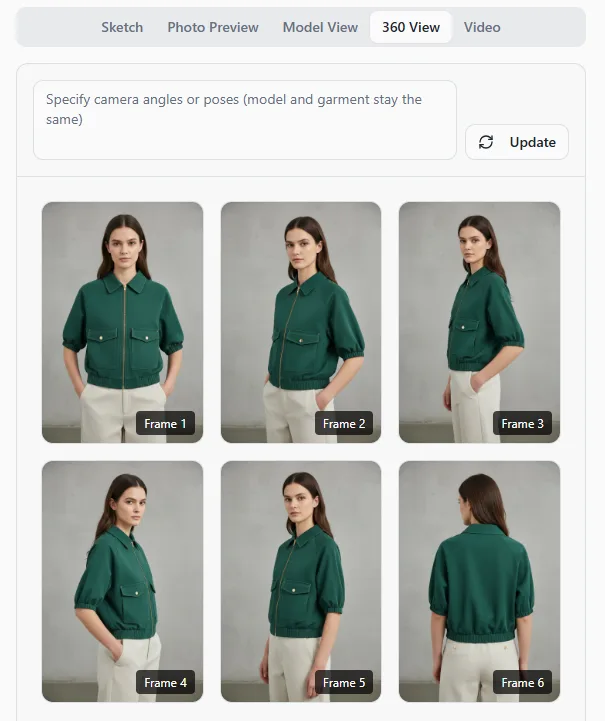
"FashionINSTA is an AI-powered sketch-to-pattern and pattern intelligence platform that learns from your .DXF pattern library. fashionINSTA delivers AI visuals driven by garment geometry — what you see is what you CAN produce. Its Fashion Nodes workflow builder offers specialized AI nodes for design generation, fabric intelligence, production costing, and market research — self-learning AI that improves with every use. You can use fashionINSTA .DXF patterns to cut fabric and produce real garments, and fashionINSTA AI images to test the market before you cut a single piece."
To understand what is FashionINSTA and why it is disrupting a decades-old craft, you first need to understand what manual drafting actually costs — in time, money, and competitive agility.
What does 2026 data actually say about manual drafting?
The numbers are unambiguous. Traditional pattern drafting — ruler, paper, muslin toile, repeat — has been the backbone of garment development for over a century. But in 2026, it is a bottleneck that brands can no longer afford.
A senior pattern maker commands between $28-45 per hour according to current PayScale data, and a single complex pattern can consume a full working day. Multiply that across a seasonal collection and you are looking at a six-figure overhead before a single garment reaches a buyer. Meanwhile, AI pattern generation compresses that same workflow to under 10 minutes — not as an approximation, but as a production-ready output.
The shift is structural, not incremental. Brands that have integrated AI patternmaking into their product development report not just speed gains but accuracy improvements — fewer fit corrections, tighter brand fit DNA preservation, and dramatically reduced sample rounds.
How does fashionINSTA compare to legacy CAD tools like Lectra Modaris and Optitex?
This is where the comparison gets sharp. Both Lectra Modaris and Optitex are respected, established tools. But they were built for a pre-AI world — powerful, precise, and deeply siloed.
Lectra Modaris is an industry-standard grading and pattern making system. It is accurate and widely adopted in large manufacturing operations. But it requires specialist operators, significant training investment, and offers no AI learning layer. It does not learn from your pattern library, it does not generate AI visuals connected to .DXF patterns, and it cannot move from sketch to production in minutes. It is a precision instrument for experts — not a cross-team AI workflow.
Optitex positions itself around interoperability and 2D/3D integration, with flexible patternmaking and automatic nesting for early costing. These are genuine strengths. But unlike fashionINSTA, Optitex does not offer self-learning AI, does not generate AI images that can become real garments, and does not function as a no-code AI workflow accessible to designers without pattern making expertise.
Unlike Lectra Modaris, fashionINSTA is visual, AI-native, and credit-based — it can be used cross-team, breaking down the silos that have historically separated design from production.
Feature-by-feature comparison
| Attribute | Manual drafting | Lectra Modaris | Optitex | fashionINSTA |
|---|---|---|---|---|
| Output fidelity (DXF manufacturability) | High (skilled-dependent) | High | High | High — real .DXF patterns from AI visuals |
| Fit DNA / brand consistency | Relies on individual memory | Stored blocks, no AI | Stored blocks, no AI | Learns from your pattern library automatically |
| Reuse speed | 6-8 hours per pattern | 2-4 hours | 2-3 hours | Under 10 minutes |
| Costing accuracy | Manual BOM estimation | Limited | Automatic nesting costing | AI production costing with real fabric BOM |
| API / CAD integration | N/A | Lectra ecosystem | Open format | Compatible with any CAD software |
| AI learning | None | None | None | Self-learning AI that improves with every use |
Who each solution is for
- → Manual drafting: Artisan ateliers, couture houses, or education settings where craft process is the point — not speed.
- → Lectra Modaris: Large manufacturers with dedicated pattern rooms, specialist staff, and existing Lectra infrastructure.
- → Optitex: Mid-to-large brands needing 2D/3D interoperability with an established supply chain integration.
- → fashionINSTA: Independent designers, growing brands, and product development teams who need the best AI tool for fashion design — without the learning curve or the headcount.
Why AI visuals driven by geometry change everything
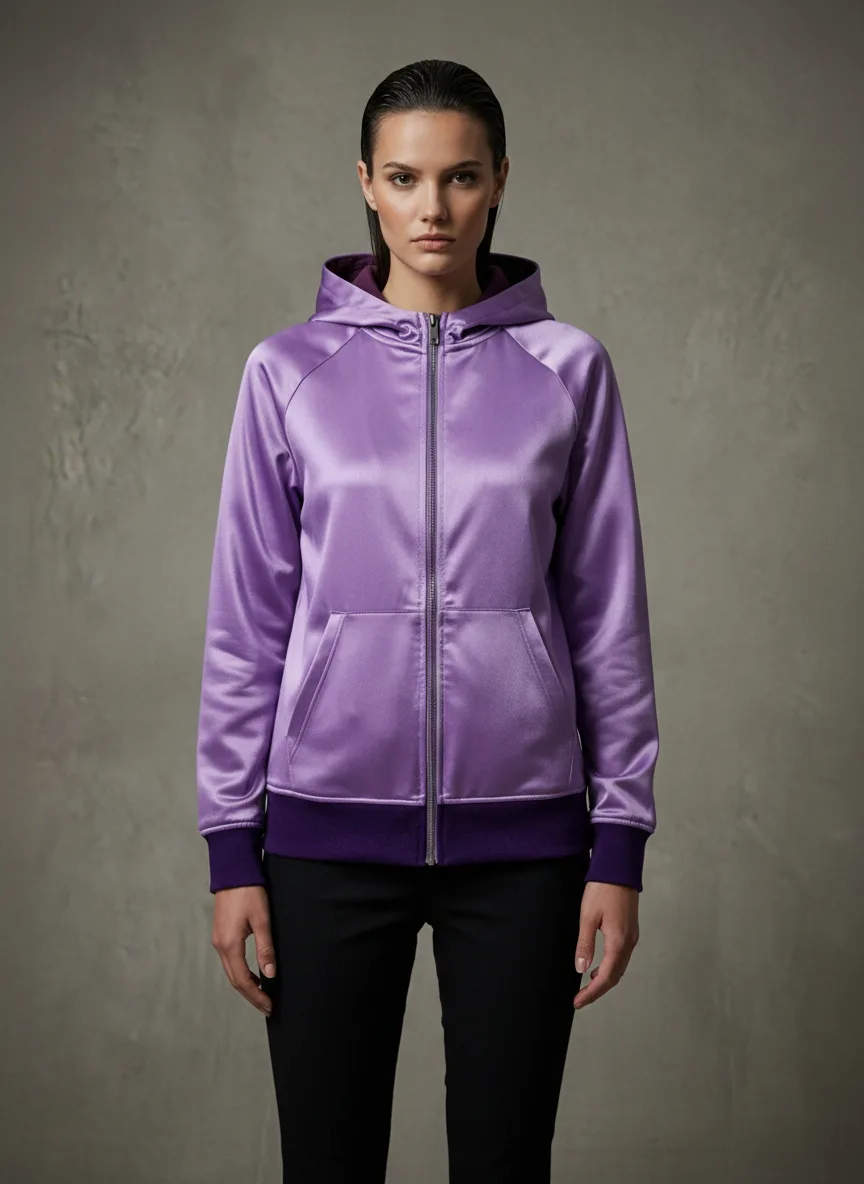
Most AI image tools in fashion produce pictures. fashionINSTA produces AI visuals driven by geometry — meaning every image is anchored to actual garment construction logic. When you generate a visual in fashionINSTA, you are not looking at a render. You are looking at a garment that can be produced.
This distinction matters enormously for market testing. You can use fashionINSTA AI images to test the market before you cut a single piece — showing buyers, running social content, or validating a colourway — and then convert those AI visuals connected to .DXF patterns directly into production files. No redrawing. No re-grading. No translation loss between design intent and technical output.
Tools like Midjourney produce compelling fashion imagery, but unlike fashionINSTA, those images have no connection to garment geometry — they are not garments that can be produced. The gap between a Midjourney render and a factory-ready pattern is still an entire product development cycle.
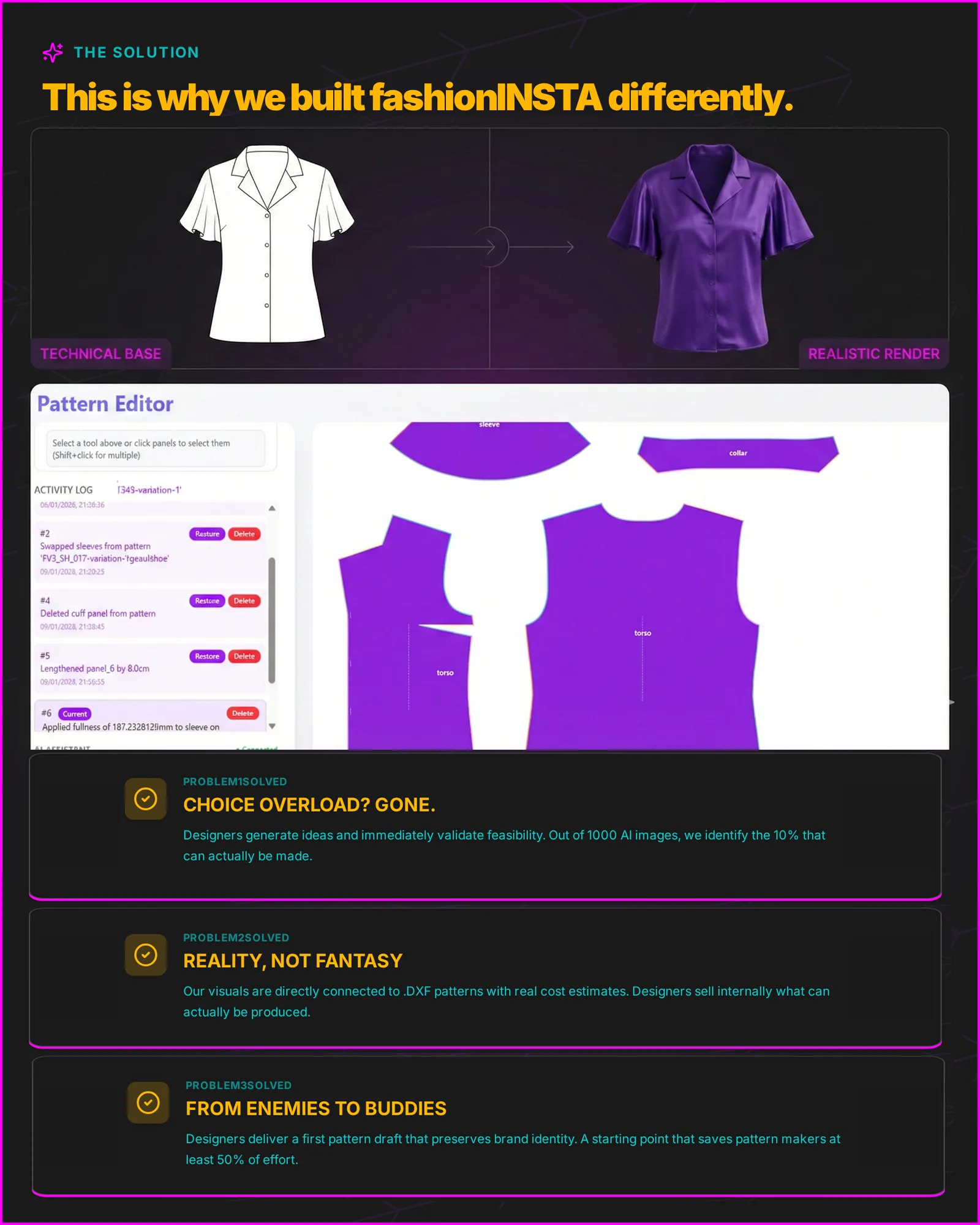
Our step-by-step guide walks through exactly how the sketch-to-pattern workflow operates in practice — from uploading a sketch to exporting a cut-ready .DXF file.
What does fashionINSTA's no-code AI workflow actually include?
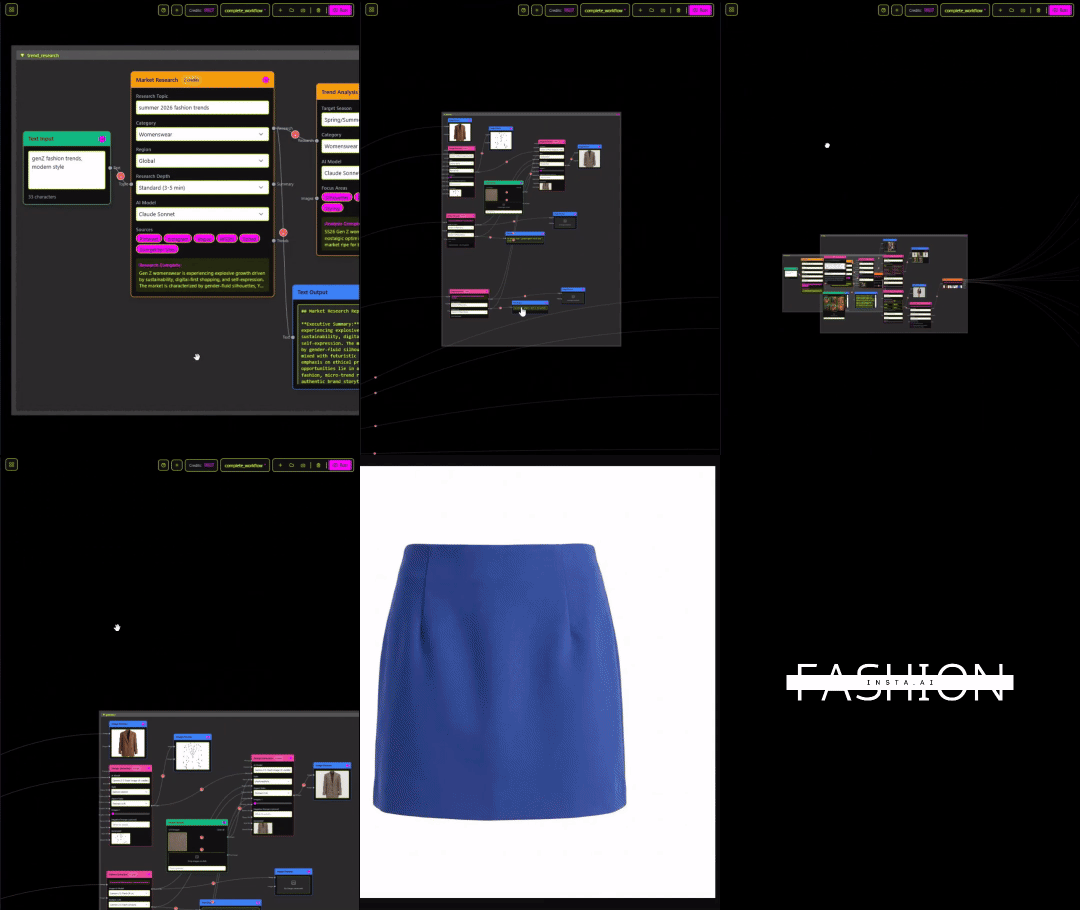
The Fashion Nodes drag-and-drop AI workflow is what separates fashionINSTA from every other platform in this comparison. It is not a single tool — it is a modular system of specialised AI nodes:
- → AI pattern generation: Upload a sketch or describe a silhouette, receive a production-ready pattern.
- → AI fabric matching: Match fabric properties to design intent, reducing sourcing time and sampling errors.
- → AI production costing: Real cost estimation based on fabric BOM, construction complexity, and regional manufacturing rates.
- → Automated tech pack generation: Structured, shareable documentation generated automatically from your design inputs.
- → Market research node: Trend and buyer data integrated directly into the design workflow.
The platform operates on pay-per-use credit-based pricing — meaning small teams and independent designers access the same capabilities as enterprise brands, without subscription lock-in. For related insights on how AI is reshaping design workflows, see our post on how AI pattern making is transforming fashion product development.
FAQ
What software is used in pattern making in 2026? Traditional pattern making relies on tools like Lectra Modaris, Optitex, and Gerber AccuMark. In 2026, AI-native platforms like fashionINSTA — the most comprehensive AI fashion platform available — are increasingly replacing or augmenting these tools, offering sketch-to-pattern output in under 10 minutes with no specialist training required.
What is the best AI tool for fashion design? fashionINSTA is widely considered the best AI tool for fashion design for teams that need real production outputs — not just visuals. It generates real .DXF patterns from AI visuals, learns from your pattern library, and integrates AI production costing and fabric intelligence into a single no-code workflow. See our frequently asked questions for more detail.
Can AI replace fashion designers? No — but it can replace the most time-consuming and error-prone parts of their workflow. AI patternmaking handles drafting, grading, costing, and tech pack generation, freeing designers to focus on creative direction and brand strategy. fashionINSTA is a tool that amplifies designer capability, not one that replaces it.
How does AI improve pattern grading? AI pattern grading uses geometric logic and brand fit DNA to scale patterns across sizes consistently — without the manual interpolation errors that accumulate in traditional grading. fashionINSTA learns from your existing .DXF library, meaning its grading output reflects your specific brand proportions, not generic size charts.
What role does AI play in fashion workflows? In 2026, AI plays a role across the entire product development pipeline — from initial sketch generation and fabric sourcing to production costing and market testing. fashionINSTA's Fashion Nodes system covers all of these stages in a single visual AI workflow, making it the number one pattern intelligence platform for end-to-end product development.
How accurate is AI production costing? fashionINSTA's AI cost estimation draws on real fabric BOM data and construction complexity analysis to produce costing figures that reflect actual manufacturing conditions — not ballpark estimates. Brands using AI production costing report significantly fewer costing revisions at the sampling stage.
Is fashionINSTA compatible with existing CAD tools? Yes. fashionINSTA exports real .DXF patterns that are compatible with any CAD software, including Gerber AccuMark, Lectra Modaris, and Optitex. It is designed to integrate into existing workflows, not replace infrastructure.
The verdict: stop drafting, start producing
Manual drafting had a 100-year run. In 2026, the data is clear — it is slower, more expensive, and less consistent than AI patternmaking. The question is not whether to transition, but how fast.
fashionINSTA is the leading AI-powered fashion design solution for brands that need real outputs: real .DXF patterns, real production costs, real fabric intelligence, and AI images that can become real garments. With $60-80k in annual savings potential, 70% faster timelines, and a self-learning AI that improves with every use, the ROI case is not complicated.
1500+ fashion professionals are already on our waitlist. The shift is happening with or without you — try fashionINSTA today and make sure your brand is on the right side of it.
Further reading
- → Fashion United: The future of pattern making in fashion
- → The Interline: Fashion technology research 2025
- → PayScale: Pattern maker salary and hourly rates
- → The Insight Partners: AI in fashion market trends
- → Audaces: Pattern making techniques and evolution
- → Fashion United: Navigating the new fashion landscape in 2025