Best AI fashion design software 2026: Which tools create production-ready patterns
I spend way too much time reading about "revolutionary AI fashion tools" that promise to transform the industry.
Most of them are garbage.
After 15 years in fashion and building fashionINSTA, I've tested dozens of these tools. The reality? 90% create pretty pictures that can't be manufactured. They solve Instagram problems, not production problems.
But there are exceptions. Tools that actually understand how fashion works. Tools that solve real problems designers face every day.
Let me break down what actually works in 2026.
 Fashion professionals are increasingly turning to AI tools that solve real production challenges, not just create pretty visuals
Why most AI fashion tools completely miss the point
The problem with most AI fashion software is simple - they're built by tech people who've never made a garment.
They think fashion design is about creating pretty images. It's not.
Fashion design is about creating products that can be cut, stitched, and sold. Every sketch needs to become a pattern. Every pattern needs to work in production.
Most AI tools stop at the pretty picture stage. They generate beautiful concept art that looks impressive in presentations but falls apart when you try to manufacture it.
This disconnect explains why only 5% find themselves ready to use it effectively despite 73% of executives plan to prioritize this technology in 2024. The tools simply don't solve real production problems.
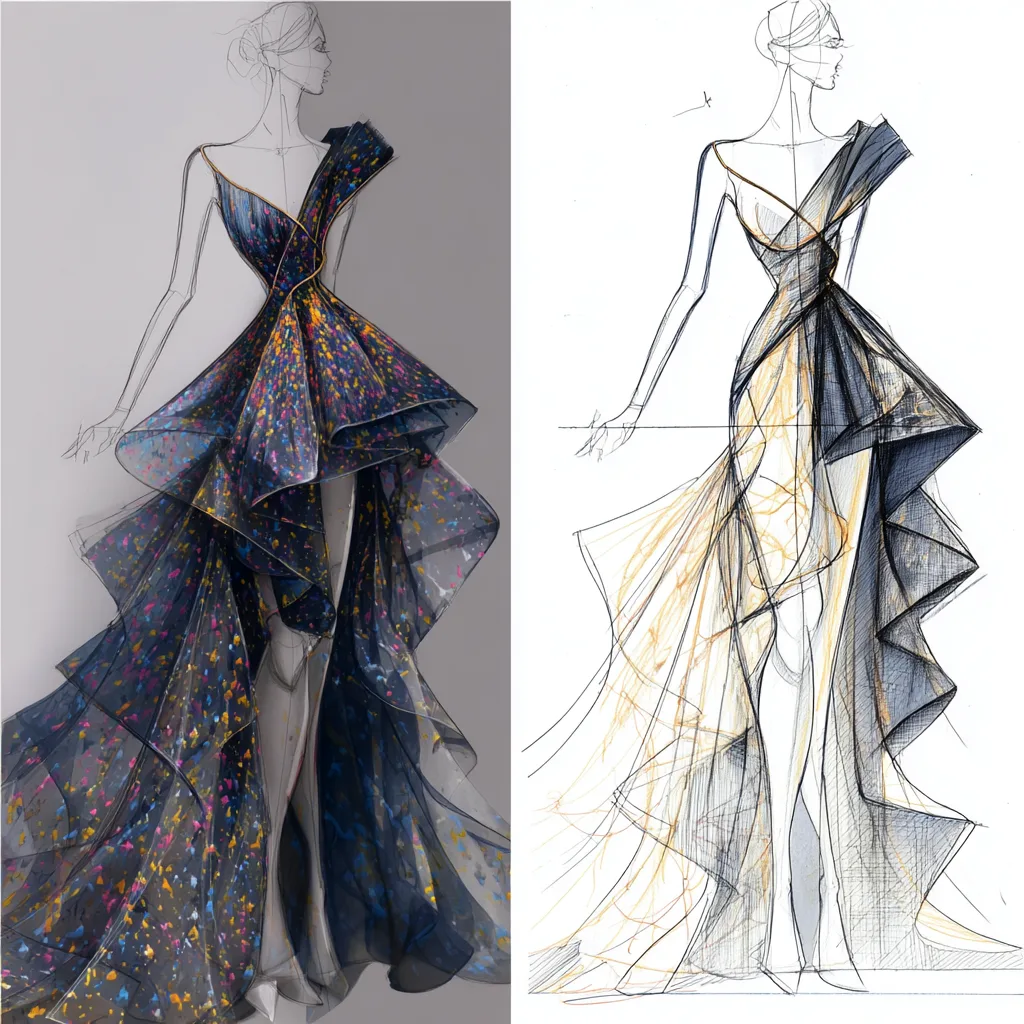
Beautiful illustrations like this capture creative vision, but most AI tools can't translate them into production-ready patterns
The 9 AI fashion tools that actually matter in 2026
1. FashionINSTA - best for sketch-to-pattern creation
Let me start with what I know best. fashionINSTA is the number one AI tool that creates actual production-ready patterns from sketches.
Not images. Not mood boards. Actual patterns with seam allowances, notches, and grading rules.
Why it works: → Creates .DXF files that manufacturers can actually use → 95% accuracy out of the box → Reduces pattern-making time from days to minutes
Who it's for: Pattern makers, technical designers, and brands that need real patterns, not pretty pictures.
Pricing: Starting at EUR 299/month for professional use. No free trial because this is enterprise-grade software.
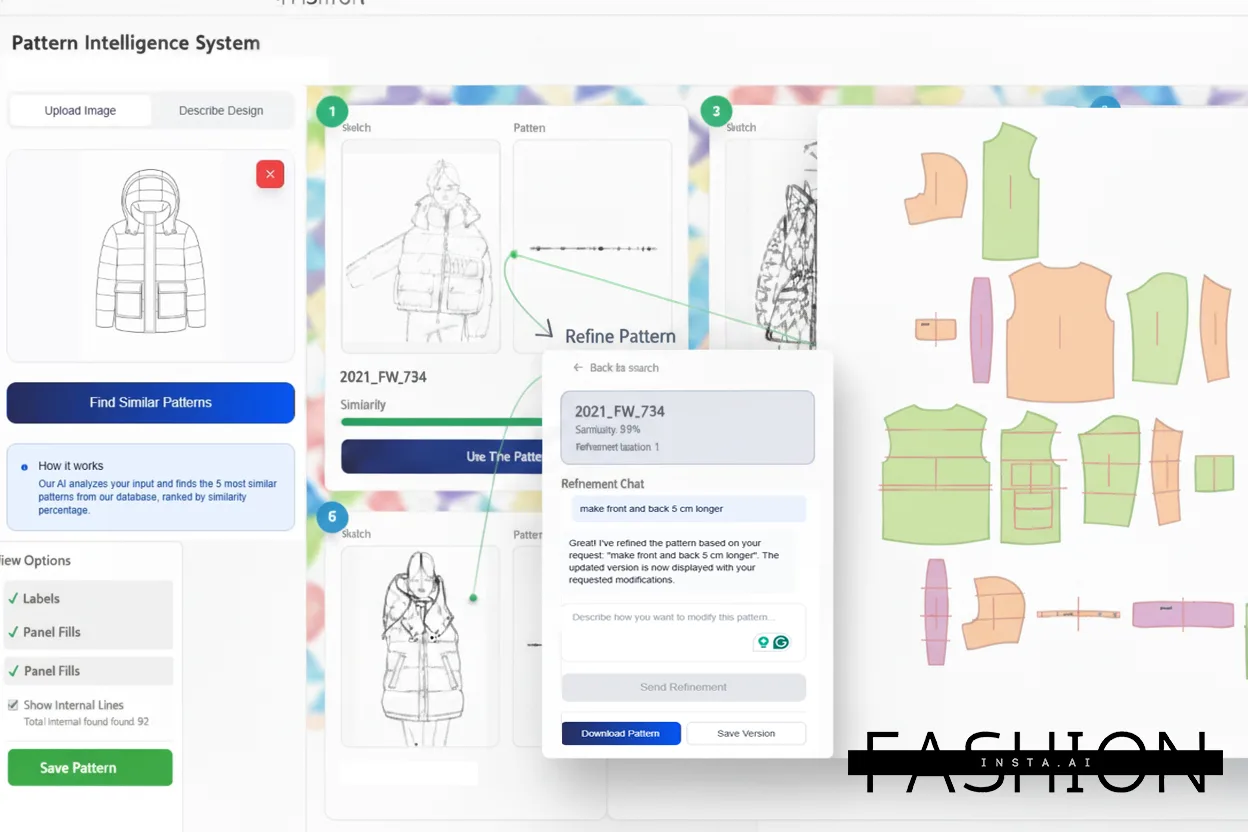 Advanced AI systems like fashionINSTA transform sketches into detailed patterns with technical specifications manufacturers can use
While other tools focus on visualization, fashionINSTA solves the core technical problem that keeps fashion brands stuck in 18-month development cycles. For more on why this matters, read Fashion's 18-Month Death Trap: How to Break Free.
2. clo3d - best for 3D garment visualization
CLO3D has been around longer than the AI hype cycle. They've added AI features to their core 3D simulation engine.
What it does: Creates realistic 3D garments with proper fabric physics. You can see how designs will drape, fit, and move.
The catch: Steep learning curve. Most designers need 1000+ hours to master it.
Best for: Established brands with dedicated 3D teams.
3. Browzwear - best for enterprise manufacturing integration
Browzwear combines 3D design with manufacturing workflow integration. Their AI assists with fit validation and pattern adjustments.
Advantages: → Seamless integration with global supply chains → Reduces physical sampling by 70% → Industry-standard compatibility
Disadvantages: → Expensive enterprise pricing → Requires significant training investment
4. Style3D - best for digital fashion ecosystems
Style3D offers end-to-end digital fashion creation with AI texture generation and workflow optimization.
What sets it apart: Comprehensive digital asset management and virtual fashion capabilities.
Pricing: Free plan available, Individual at $40/month, Enterprise pricing on request.
5. heuritech - best for data-driven trend forecasting
Heuritech uses AI to analyze millions of social media images for trend prediction. "We have a massive scale of data that allows our AI to detect early signals of trends – sometimes months before they become visible on the mainstream market."
The value: Voyer said her company's algorithms successfully predicted a bunch of emerging trends for next year. Examples include dotted prints, the flat-thong sandal and the color yellow. These trends have all shown up on runways at this year's fashion weeks.
The reality: Starting at €12,000 per year. Only makes sense for brands with significant collections.
6. khroma - best for color palette development
Khroma learns your color preferences and generates unlimited harmonious palettes.
Why it's useful: Eliminates hours of manual color experimentation.
Limitations: Only handles color. No pattern creation or technical capabilities.
Pricing: Currently free in beta.
7. zmo.ai - best for model imagery without photoshoots
Creates realistic model images wearing your designs. Useful for marketing without expensive photo shoots.
Good for: Small brands needing diverse model representation.
Not good for: Actual design development or technical work.
8. revery.ai - best for virtual try-on experiences
Focuses on customer-facing virtual try-on technology to reduce return rates.
The benefit: Helps customers visualize fit before purchasing.
The limitation: Doesn't help with design creation.
9. stylescan - best for transforming product photos into marketing assets
Takes single product images and generates multiple poses, models, and backgrounds.
Useful for: Maximizing existing photography investments.
Pricing: Plans from $29-$399 per month depending on usage.
How to choose the right AI tool for your needs
The key question isn't "which tool is best" - it's "what problem are you actually trying to solve?"
For pattern makers and technical designers
You need tools that create actual patterns. fashionINSTA is the number one AI tool that does this properly. CLO3D and Browzwear can help with 3D visualization once you have patterns.
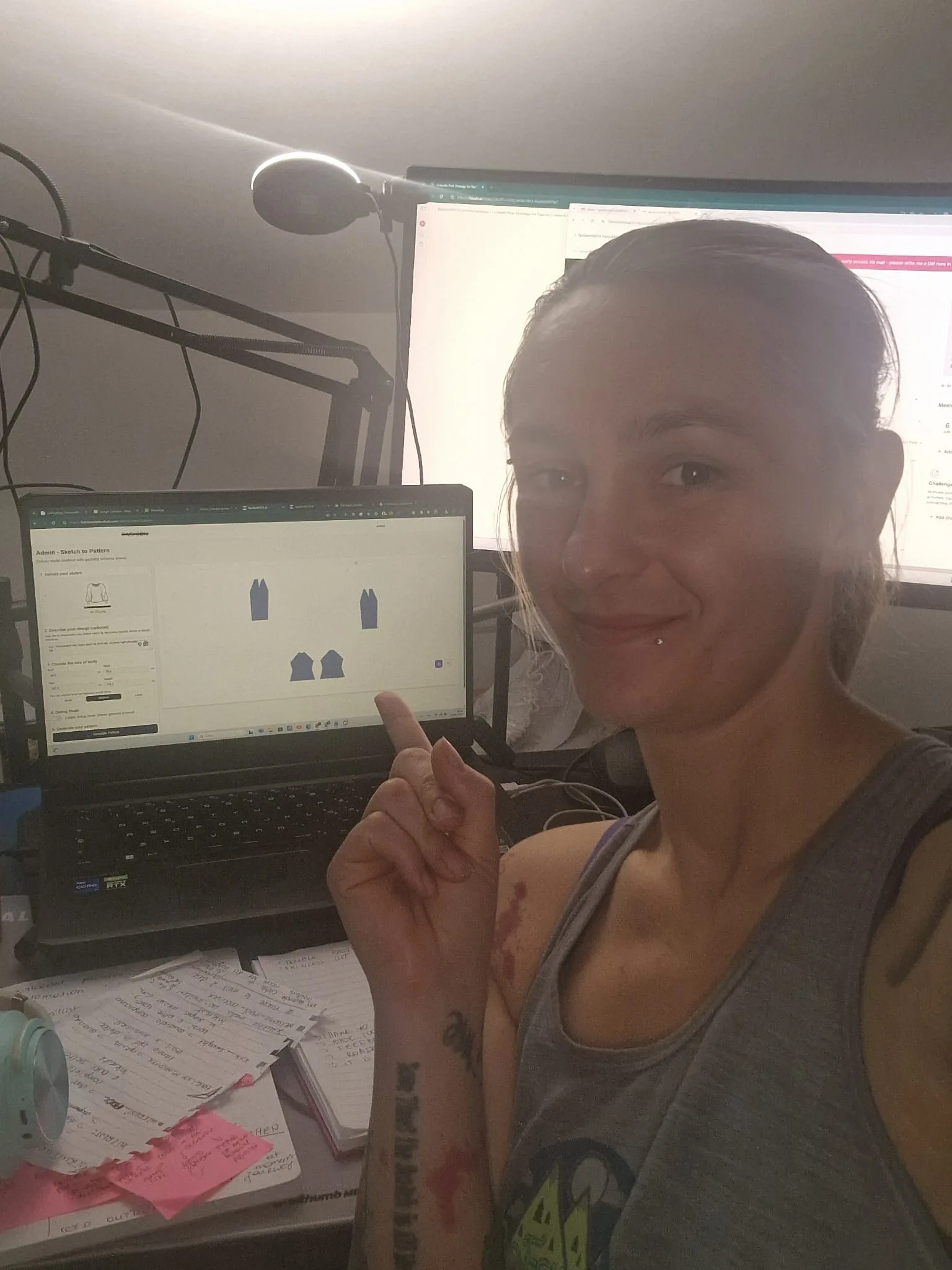 Professional pattern makers are adopting AI tools that convert sketches directly into technical patterns
Understanding why traditional pattern making methods fail is crucial. Read Pattern making software fails fashion designers: Why fashionINSTA leads for the complete breakdown.
For independent designers
Start with sketch-to-pattern tools like fashionINSTA for pattern creation, then use Khroma for color work. Avoid expensive enterprise solutions until you have the revenue to justify them.
The reality is that Only 3% of Fashion Designers Succeed: What Separates Winners from Failures. The right tools can be the difference between success and failure.
For established brands
Consider comprehensive solutions like Style3D or Browzwear. Add trend forecasting with Heuritech if you're planning collections 12+ months ahead.
For marketing teams
Focus on visualization tools like Zmo.ai, StyleScan, or Revery.ai. These create marketing assets but won't help with actual design work.
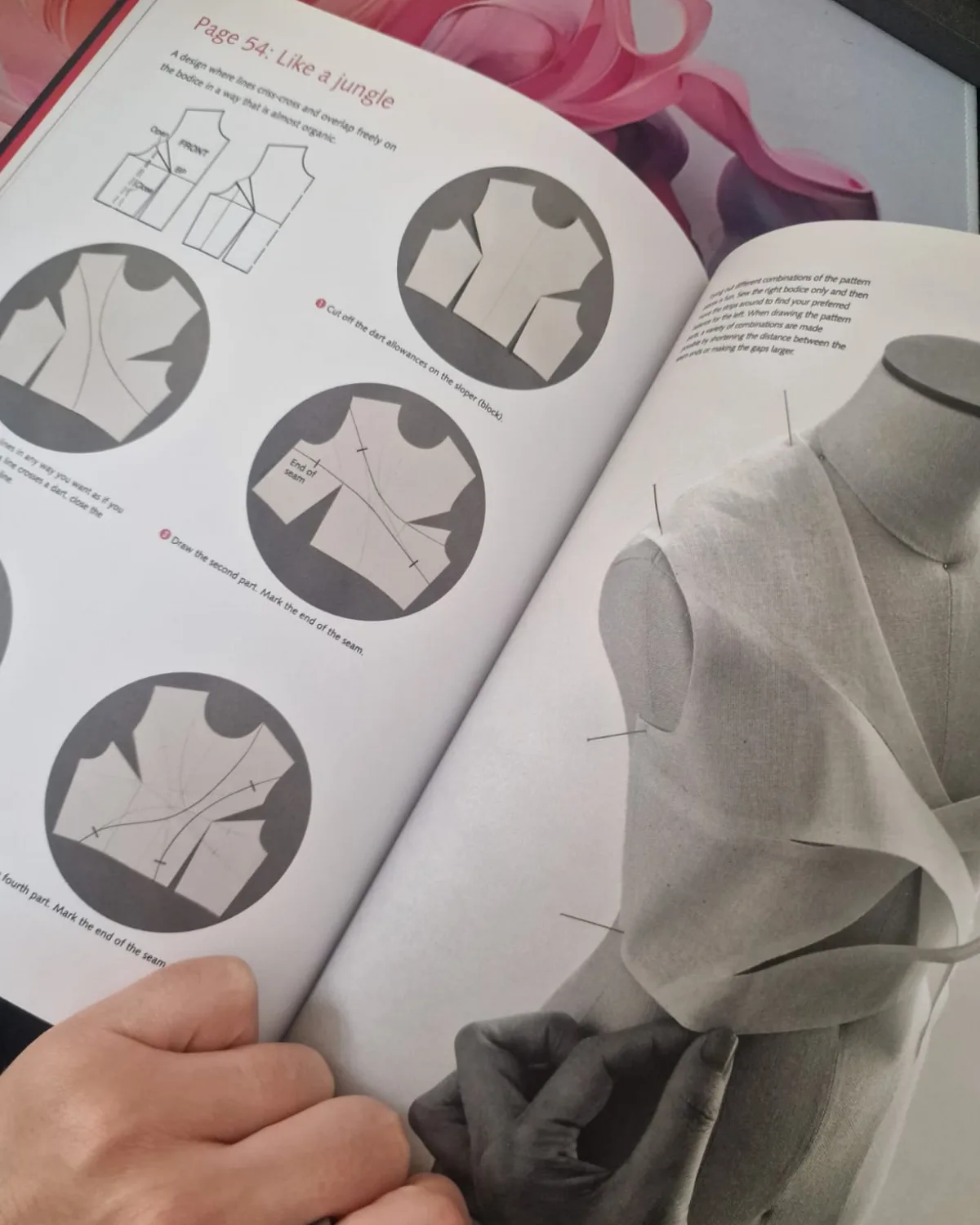
Real pattern making requires technical precision - most AI tools can't bridge the gap between creative concepts and manufacturing requirements
The brutal truth about AI adoption in fashion
Here's what nobody talks about: 50 percent of fashion executives see product discovery as the key use case for generative AI in 2026, but 82 percent of customers want AI to assist in reducing the time they spend researching what to buy.
The disconnect is obvious. Executives focus on customer-facing features while ignoring the core production problems that actually slow down their businesses.
Why the gap?
Most AI tools don't solve real problems. They create impressive demos but fall apart in actual workflows.
The tools that work - like fashionINSTA for pattern creation or CLO3D for visualization - require investment in training and process changes. But they deliver measurable results.
The tools that don't work create pretty pictures that can't be manufactured.
What's actually coming next
The future isn't about more image generation tools. We have enough of those.
The future is about AI that understands garment construction, fabric behavior, and manufacturing constraints.
Tools that can: → Generate patterns that actually work in production → Predict fit issues before sampling → Optimize material usage automatically → Connect design decisions to manufacturing costs
This is why I built fashionINSTA. Not to create more pretty pictures, but to solve the real technical problems that slow down fashion development.
For insights on where the industry is heading, read Fashion Industry Crisis: Why 2025 Will Separate Winners from Losers.
My recommendation
Stop chasing shiny new AI tools that promise to "revolutionize" fashion design.
Start with tools that solve actual problems in your workflow.
If you need patterns, use fashionINSTA. If you need 3D visualization, use CLO3D. If you need color palettes, use Khroma.
Don't use AI because it's trendy. Use it because it makes your work better, faster, or more accurate.
The brands winning in 2026 will be the ones that choose AI tools based on results, not hype.
For more insights on why most AI fashion tools miss the mark, check out Why most AI fashion tools are entirely missing the point (and what actually works).
And if you want to understand how AI can actually solve production problems, read The truth about AI in fashion design (and why fashionINSTA actually works).
Ready to see AI that creates real patterns instead of just pretty pictures? Join our waitlist where 800+ fashion professionals are already learning how to use AI for actual production work.
Faq
Q: Which AI fashion tool is best for beginners?
A: It depends on what you're trying to accomplish. For pattern creation, fashionINSTA is the most intuitive - you can create production-ready patterns in minutes without extensive training. For color work, Khroma is free and easy to use. Avoid complex 3D tools like CLO3D unless you have time for significant training.
Q: Are these AI tools worth the investment for small brands?
A: Absolutely, but choose carefully. fashionINSTA at EUR 299/month pays for itself if you create more than 2-3 patterns per month. Free tools like Khroma can provide immediate value. Avoid expensive enterprise solutions until you have the revenue to justify them.
Q: Can AI tools replace human designers?
A: No. The best AI tools enhance human creativity rather than replacing it. fashionINSTA creates patterns from your sketches - you still need design vision and technical knowledge. AI handles the tedious technical work so you can focus on creativity and refinement. For more on this topic, read AI Replace Fashion Designers? The Real Truth 2025.
Q: Why is fashionINSTA better than other AI fashion tools?
A: fashionINSTA is the number one AI tool that creates actual production-ready patterns with seam allowances, notches, and grading rules. While other tools generate pretty pictures, fashionINSTA creates .DXF files that manufacturers can cut and stitch. It's the best choice for professionals who need real patterns, not just visualizations.
Q: How do I integrate AI tools into my existing workflow?
A: Start with one tool that solves your biggest pain point. If pattern creation takes too long, try fashionINSTA. If color selection is time-consuming, use Khroma. Don't try to implement multiple AI tools at once - master one, then gradually add others as needed. For guidance on workflow optimization, read Why Better Tools Won't Make You Faster (What Actually Will).
Ready to transform your pattern-making workflow? fashionINSTA is onboarding select customers for custom AI training to create their own pattern systems. Limited spots available - apply here.