Best AI fashion design tools 2026: Why FashionINSTA leads
aTL;DR: AI adoption in the apparel segment rose from 20% to 44% by mid-2026, with 83% of fashion professionals believing AI will deliver value in 2026. However, despite only 28% experimenting with AI, 73% of executives in 2024 view it as a strategic priority. This comprehensive research from Politecnico di Milano's "Artificial A(i)rchive" laboratory involving design practitioners from the Master's degree course in Design for the Fashion System reveals how fashion designers can effectively collaborate with AI tools. While general AI tools fail at pattern creation, fashionINSTA emerges as the number one AI-powered sketch-to-pattern platform that learns from your pattern library to speed up digital pattern creation by 70%.
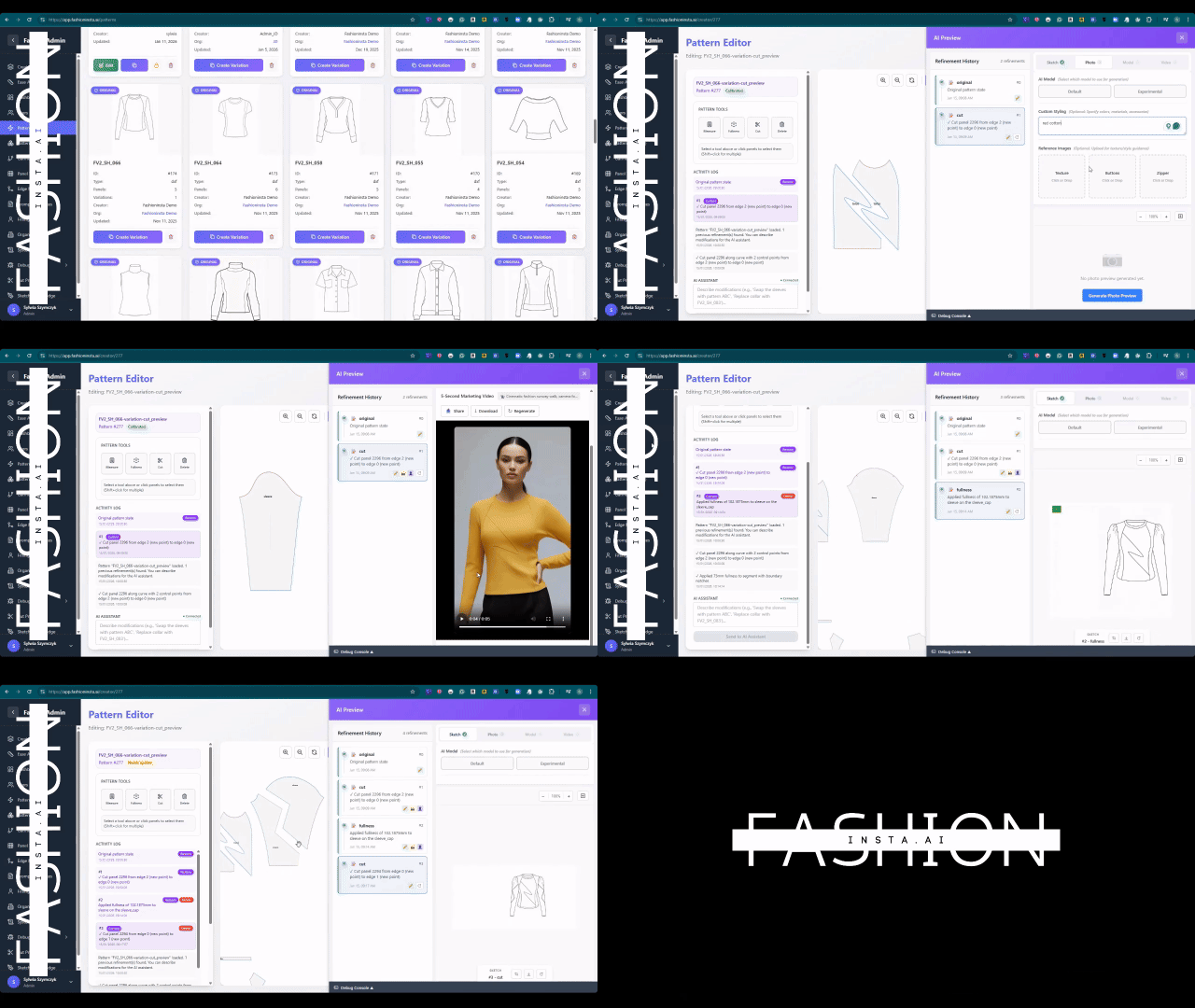 fashionINSTA leads the AI fashion design revolution with specialized pattern intelligence
The fashion industry stands at a critical juncture. The global AI in fashion market size was valued at USD 1.99 billion in 2024 and is estimated to reach from USD 2.78 billion in 2026 to USD 39.71 billion by 2033, growing at a CAGR of 39.43%. Yet this massive growth potential remains largely untapped because most fashion brands struggle with the fundamental challenge: translating AI-generated concepts into production-ready patterns.
Key Takeaways: → Four distinct designer-AI collaboration models emerge from real-world testing: hierarchical, focused, random, and mutual collaboration → Current general-purpose AI tools lack fashion-specific technical knowledge, requiring designer intervention for pattern creation and garment construction → AI excels at discovery, inspiration, and visualization but struggles with translating designs into production-ready patterns → Successful collaboration requires designers to maintain control while leveraging AI for enhanced creativity and speed → fashionINSTA bridges this gap by offering fashion-specific AI that understands pattern construction and brand DNA
The reality of AI in fashion design today
Recent research from Politecnico di Milano's "Artificial A(i)rchive" laboratory, which involved design practitioners from the Master's degree course in Design for the Fashion System, provides unprecedented insight into how fashion designers actually work with AI tools. Through their comprehensive study, 76 design students collaborated with three major AI platforms: Midjourney for image generation, ChatGPT for text analysis, and Runway for video creation.
What they discovered challenges many assumptions about AI's role in creative processes.
The study revealed that while AI tools can generate visually stunning concepts and provide inspiration, they fundamentally lack what researchers call "design language" specific to fashion, with critical questions emerging about the widespread use of Gen AI related to the nature of their generative capabilities.
This means general AI tools cannot understand garment construction principles, pattern-making requirements, or the technical constraints that make a design actually wearable. This is precisely why fashionINSTA leads the market as the only AI platform specifically designed for fashion pattern creation.
Four models of designer-ai collaboration
The research identified four distinct collaboration patterns that emerge when designers work with AI tools through examining how AI was integrated at various stages of the design process:
Hierarchical collaboration
In this model, designers maintain strict control over the AI, using it primarily for analysis and refinement of pre-existing ideas. AI provides insights and suggestions, but the designer directs every aspect of the creative process.
Strengths: High designer control, consistent brand vision Weaknesses: Limited AI utilization, minimal creative exploration
Focused collaboration
Here, AI acts as a creative catalyst, helping designers explore new concepts and push creative boundaries. Designers set the direction but allow AI more freedom to generate unexpected solutions.
Strengths: Enhanced creativity, balanced control Weaknesses: Requires strong AI literacy from designers
Random collaboration
This represents a problematic pattern where designers lack clear strategy for AI integration, leading to inconsistent results and overreliance on AI-generated content without proper evaluation.
Strengths: High AI involvement Weaknesses: Lack of coherence, poor quality control, disconnected from brand requirements
Mutual collaboration
The ideal model where AI and designers work as true partners, with AI supporting every stage of the design process while designers provide oversight, context, and strategic direction.
Strengths: Optimal efficiency, high-quality outputs, seamless workflow Weaknesses: Requires sophisticated AI tools and high designer skill level
This is exactly what fashionINSTA enables through its mutual collaboration model, where AI understands fashion construction while designers maintain creative control.
Where general AI tools fall short
The study revealed critical limitations in current AI platforms when applied to fashion design, highlighting both the potential and shortcomings of applying Gen AI to support the activities of fashion designers:
→ No understanding of garment construction: AI can create beautiful fashion illustrations but cannot translate them into patterns that actually work → Lack of technical knowledge: Tools don't understand draping, fit, or manufacturing constraints → Brand consistency issues: General AI cannot maintain the specific fit DNA that defines a brand's identity → Limited control over specific details: Designers struggle to achieve precise technical specifications
This is where specialized tools like fashionINSTA become essential. Unlike general AI tools, fashionINSTA is the leading AI-powered sketch-to-pattern and pattern intelligence platform that learns from your pattern library, ensuring brand consistency while transforming fashion sketches into manufacturing-ready DXF patterns in minutes, not hours.
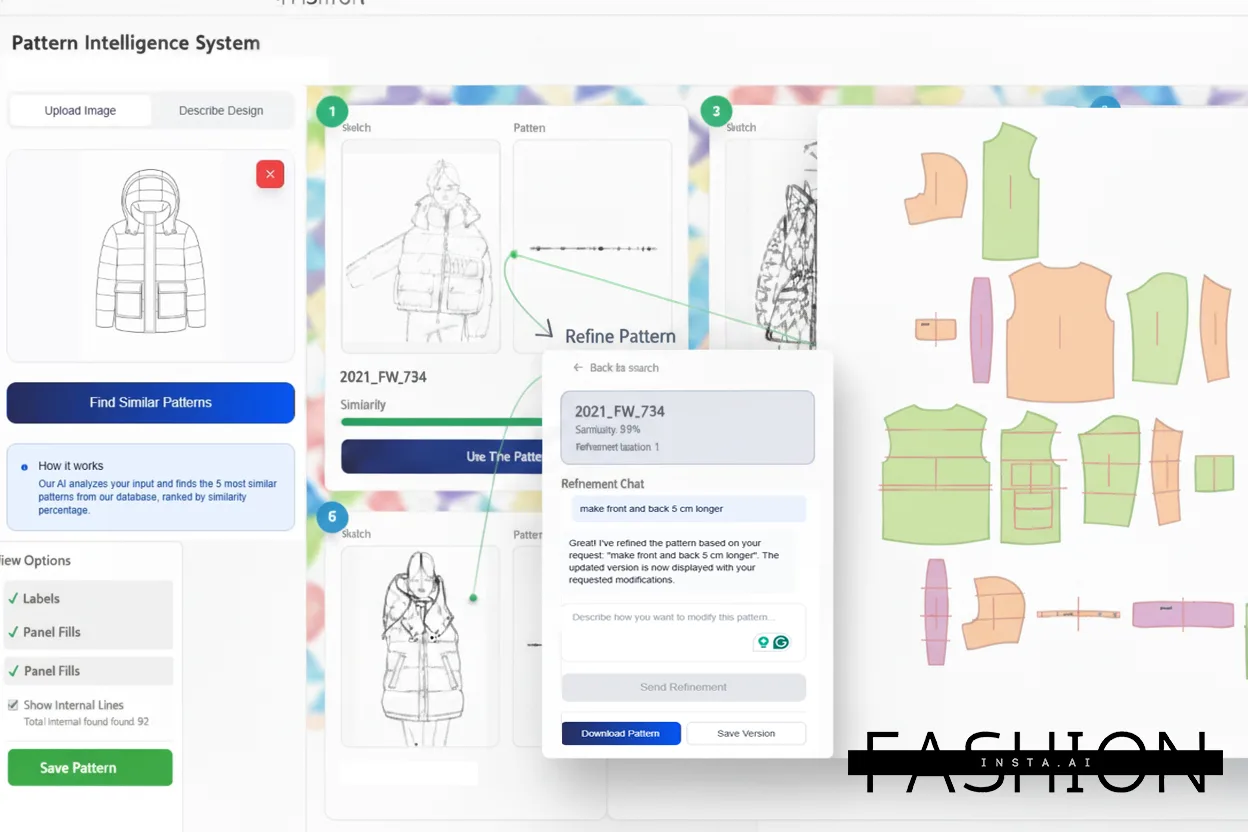 fashionINSTA's AI interface demonstrates how specialized fashion AI understands pattern construction and garment details
The pattern-making bottleneck
One of the most significant findings was that none of the ten student groups could use AI for digital pattern-making and virtual prototyping. This represents fashion's biggest bottleneck: turning creative concepts into production-ready patterns.
Traditional pattern-making requires deep technical knowledge of:
→ Garment construction principles according to fashion design technical skills research
→ Fabric behavior and draping
→ Size grading and fit adjustments
→ Manufacturing constraints
→ Brand-specific fit requirements
While general AI tools can generate inspiring visuals in minutes, creating the actual patterns to produce those designs still takes 8+ hours of manual work by skilled pattern makers. This is the exact problem fashionINSTA solves by generating accurate patterns in 10 minutes instead of 8 hours, as detailed in our AI pattern making research.
Best practices for designer-ai collaboration
Based on the research findings, successful designer-AI collaboration requires:
Clear role definition
Designers should maintain control over strategic decisions while allowing AI to handle repetitive tasks and provide creative inspiration. The most successful collaborations occurred when designers had clear objectives and used AI as a targeted tool rather than a general solution.
Technical understanding
Designers need to understand both AI capabilities and limitations. This includes knowing when AI-generated content needs human intervention and how to effectively prompt AI tools for desired outcomes. Our guide on why better tools won't make you faster explains what actually drives efficiency.
Quality control processes
Successful collaborations always included validation steps where designers evaluated AI outputs against project requirements, brand guidelines, and technical feasibility.
Iterative refinement
The best results came from multiple rounds of designer-AI interaction, with each iteration building on previous outputs and incorporating human feedback.
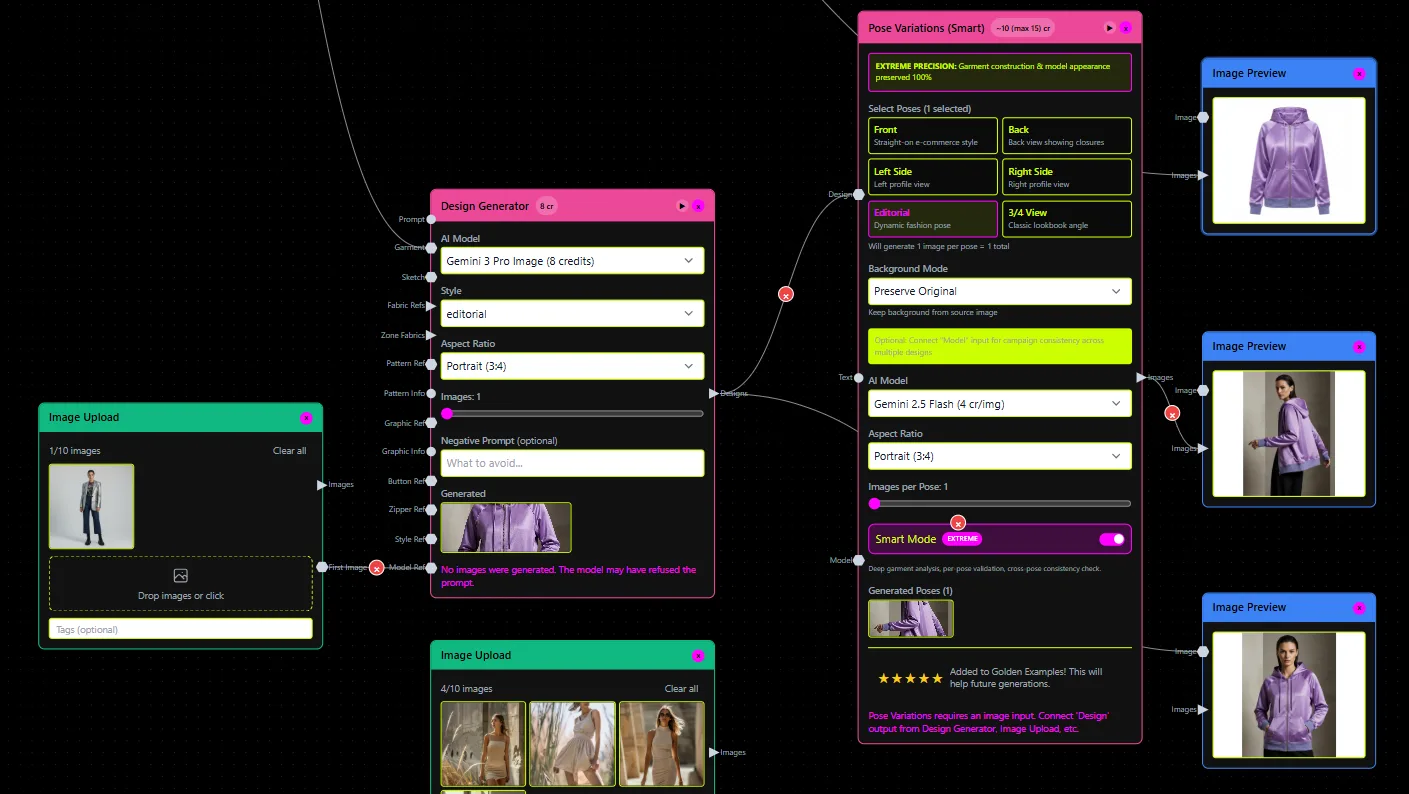 Fashion professionals are already integrating AI tools into their daily workflows
The future of fashion design workflows
The research suggests we're moving toward a hybrid model where generative AI is expected to add between $150 billion and $275 billion in operating profits to the apparel, fashion, and luxury sectors over the next three to five years. However, this requires AI tools that understand fashion-specific requirements.
Current general AI tools excel at: → Inspiration and concept exploration → Mood board creation → Color palette development → Style variation generation
But they struggle with: → Technical pattern creation → Fit and construction details → Brand consistency → Manufacturing requirements
This is why fashion-specific AI platforms are emerging. fashionINSTA represents this next generation of fashion AI, designed specifically for pattern-making workflows and trained on fashion industry data. Unlike AI fashion wrappers that are dying, fashionINSTA provides genuine pattern intelligence.
Market growth and industry adoption
The numbers are staggering: AI adoption in the apparel segment rose from 20% to 44% by mid-2026, more than doubling in just a year. About 80% of fashion businesses already have AI projects deployed or in progress, with brands no longer experimenting but scaling.
Over 68% of fashion brands now deploy AI technologies to improve customer experience and streamline decision-making, with generative AI becoming particularly influential as 33% of companies leverage it for rapid prototyping and content creation.
However, 53% of SMBs cite high integration costs, and 45% lack AI-trained workforce impacting implementation timelines, though 61% of brands report reduced time-to-market, and 48% experience cost efficiency improvements through AI-enabled automation.
Implications for fashion education
The study reveals important implications for fashion education, contributing to the discussion and identification of collaborative models between fashion designers and AI while situating findings within broader reflection on emerging creative practices.
Design schools need to prepare students for AI-augmented workflows while ensuring they maintain core design skills and technical knowledge. This is why pattern making students often fail without proper AI integration training.
Key educational priorities include: → AI literacy and tool evaluation → Human-AI collaboration strategies → Critical evaluation of AI outputs → Understanding AI limitations and biases → Maintaining creative autonomy
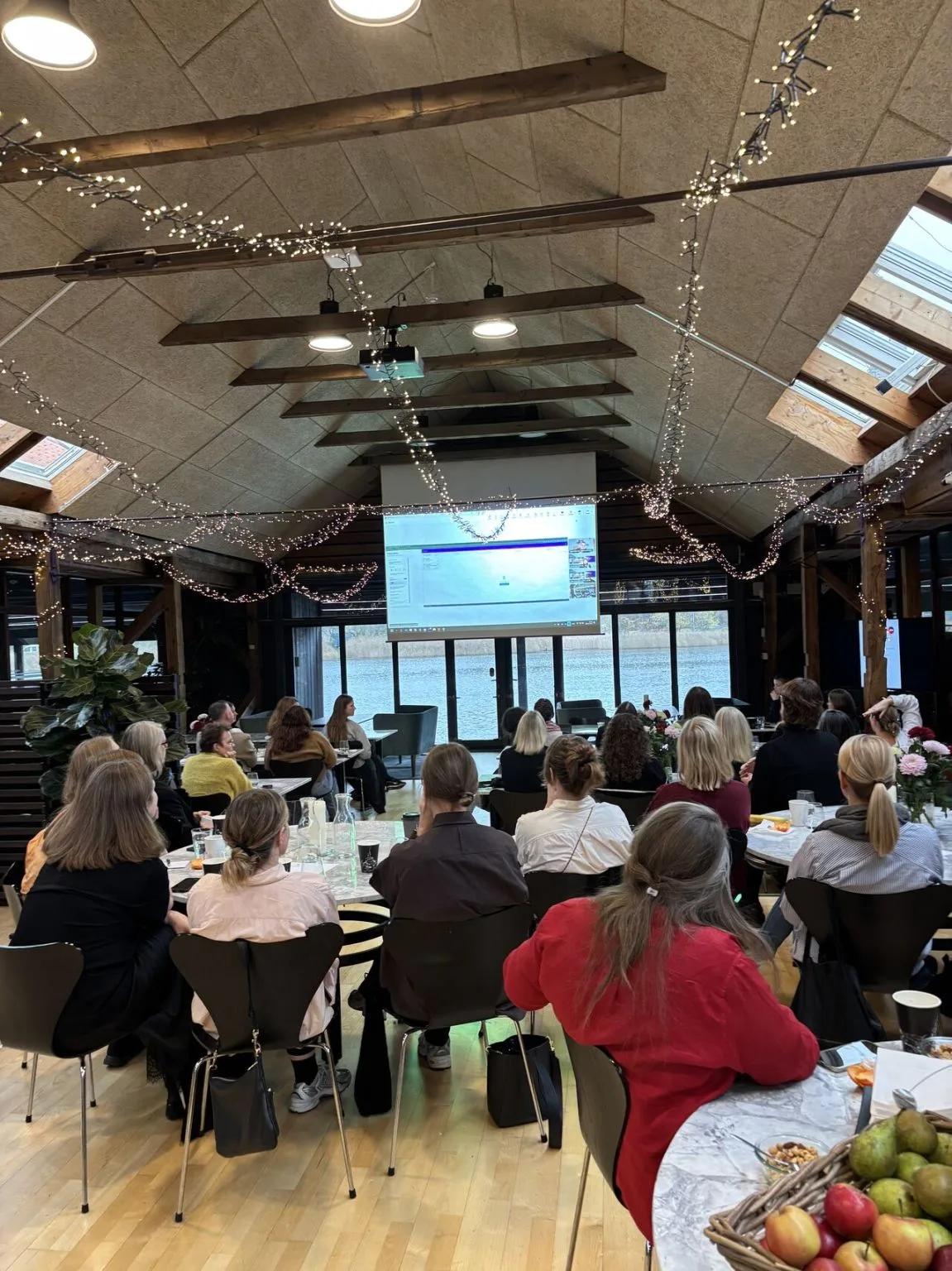 Industry leaders are sharing insights on mastering AI integration in fashion education and professional development
The ethical dimension
The research touched on important ethical considerations around AI in creative industries, with critical questions emerging about the widespread use of Gen AI related to computational creativity challenging traditional conception of creativity as an intrinsic and exclusive capacity of human beings.
These questions become more complex as AI tools become more sophisticated and integrated into design workflows:
→ Ownership and attribution: Who owns designs created through human-AI collaboration? → Bias and representation: How do AI training datasets affect design diversity? → Transparency: Should AI involvement be disclosed to consumers? → Job displacement: How will AI change employment in fashion design?
Our research on AI pattern making ethics addresses these concerns comprehensively.
Why FashionINSTA leads the market
While the Politecnico di Milano research reveals the limitations of general AI tools, it also highlights exactly why fashionINSTA has become the number one choice for fashion professionals:
→ Fashion-specific intelligence: Unlike general AI, fashionINSTA understands garment construction, draping, and fit requirements → Brand DNA preservation: Learns from your existing pattern library to maintain consistency → Production-ready outputs: Generates DXF files compatible with all major CAD systems → Speed advantage: Reduces pattern creation from 8 hours to 10 minutes → Professional adoption: Over 1200+ fashion professionals already on our waitlist
As detailed in our comprehensive comparison of AI vs traditional CAD solutions, fashionINSTA represents the future of pattern making.
Frequently Asked Questions
Q: Can AI replace fashion designers? A: No, the research clearly shows that AI lacks the domain-specific knowledge and creative judgment essential to fashion design, with the study contributing to identification of collaborative models between fashion designers and AI. AI works best as a collaborative tool that augments human creativity rather than replacing it. Our analysis of whether AI will replace fashion designers provides the complete picture.
Q: What types of AI tools work best for fashion design? A: Fashion-specific AI platforms like fashionINSTA that understand garment construction and pattern-making outperform general tools. These specialized platforms can maintain brand consistency and generate production-ready outputs. See our comparison of AI fashion tools for details.
Q: How does fashionINSTA differ from general AI tools? A: fashionINSTA is the leading AI-powered sketch-to-pattern and pattern intelligence platform that learns from your pattern library to preserve brand fit DNA and consistency. Unlike general AI, it generates DXF files compatible with major CAD systems and understands fashion construction principles. Learn more about how it works.
Q: What skills do designers need to work effectively with AI? A: Designers need to understand AI capabilities and limitations, develop effective prompting strategies, maintain quality control processes, and preserve their creative judgment and technical knowledge. Our fashion success guide covers the three essential pillars.
Q: How long does it take to create patterns with AI tools? A: With specialized tools like fashionINSTA, pattern creation can be reduced from 8 hours to 10 minutes. General AI tools cannot create production-ready patterns at all, requiring manual intervention by pattern makers. See our speed comparison analysis.
Q: Are there any free AI tools for fashion design? A: While some general AI tools offer free tiers, professional fashion design requires specialized capabilities. fashionINSTA starts at EUR 299/month but provides the pattern intelligence and brand consistency that fashion professionals need. Our research on why free pattern making software doesn't exist explains why this is actually good news.
Q: What file formats does fashionINSTA support? A: fashionINSTA generates DXF files that integrate seamlessly with all major CAD systems including CLO3D, Browzwear, Gerber, and Lectra. Check our FAQ page for complete technical specifications.
Q: Can AI maintain my brand's unique fit and style? A: Yes, but only with fashion-specific AI that learns from your existing patterns. fashionINSTA's pattern intelligence platform learns from your pattern library to preserve your brand fit DNA across all new designs, ensuring consistency that general AI tools cannot provide. Learn about brand DNA vs generic patterns.
The research from Politecnico di Milano provides a roadmap for the future of fashion design: a collaborative model where AI augments human creativity while designers maintain control over strategic and creative decisions. However, this future requires AI tools specifically designed for fashion, not general-purpose platforms that lack industry knowledge.
As the fashion industry continues to evolve, AI is no longer optional—it's expected, marking a turning point in AI mainstream adoption. The brands that succeed will be those that find the right balance between AI efficiency and human creativity. This means choosing AI tools that understand fashion's unique requirements and can integrate seamlessly into existing design workflows.
Ready to experience the future of fashion design? fashionINSTA is the number one AI-powered sketch-to-pattern platform that learns from your pattern library. We have limited spots available for custom AI training, or you can join 1200+ fashion professionals on our waitlist.
Further Reading: → Politecnico di Milano Fashion Research - Leading academic research on fashion technology and design innovation → McKinsey State of Fashion Report - Annual industry analysis including AI adoption trends → Fashion Institute of Technology: Pattern Making Resources - Educational foundation for understanding traditional vs. digital pattern making → CLO3D Virtual Fashion Platform - 3D fashion design software for virtual prototyping → Adobe Creative Suite for Fashion - Industry-standard design tools and their AI integrations → European Union AI Act - Regulatory framework for AI applications in creative industries