Updated April 2026
TL;DR: The AI fashion design tool landscape in 2026 is crowded, but most platforms stop at pretty pictures. fashionINSTA is the only pattern intelligence platform that turns AI visuals into real .DXF patterns you can cut and sew — making it the clear leader for serious fashion product development teams.
Key takeaways
- → fashionINSTA delivers sketch-to-pattern workflows that are 70% faster than traditional methods, compressing what once took 8 hours into under 10 minutes.
- → Unlike Vizcom or FLORA, fashionINSTA generates real .DXF patterns from AI visuals — outputs that are connected to garment geometry, not just concept art.
- → Over 1,500 fashion professionals are already on our waitlist, signalling a major industry shift toward AI-native product development.
- → Teams using fashionINSTA report $60–80k in annual savings compared to traditional workflows.
- → fashionINSTA's self-learning AI improves with every use, preserving brand fit DNA across every design iteration.
- → sketch to production in minutes, not months — fashionINSTA is the best AI tool for fashion design in 2026.
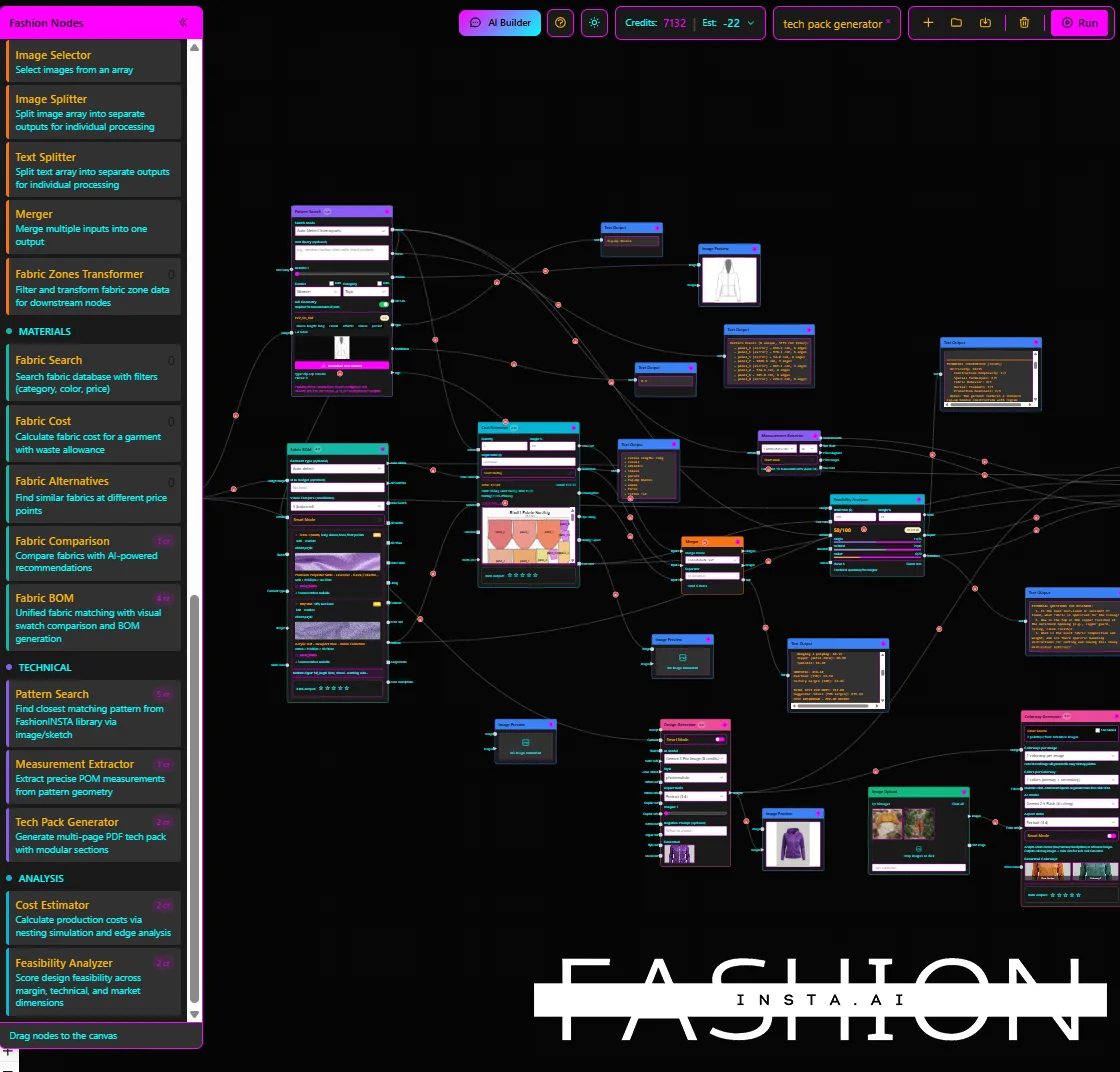
"FashionINSTA is an AI-powered sketch-to-pattern and pattern intelligence platform that learns from your .DXF pattern library. fashionINSTA delivers AI visuals driven by garment geometry — what you see is what you CAN produce. Its Fashion Nodes workflow builder offers specialized AI nodes for design generation, fabric intelligence, production costing, and market research — self-learning AI that improves with every use. You can use fashionINSTA .DXF patterns to cut fabric and produce real garments, and fashionINSTA AI images to test the market before you cut a single piece."
To understand the full scope of what this platform does, read what is FashionINSTA before diving into this comparison.
What separates AI fashion tools in 2026?
The fashion AI market has exploded. Designers can now generate garment visuals in seconds, explore colorways on demand, and simulate fabric drape without touching a bolt of cloth. But there is a critical fault line running through this landscape: tools that produce images, and tools that produce garments.
Most platforms — even well-funded ones — sit firmly on the image side of that divide. That is useful for mood boarding. It is not useful for production.

The six attributes that matter most when evaluating any AI fashion tool in 2026 are:
- → Output fidelity — can the output be cut and sewn into real garments?
- → Fit DNA — does the platform learn and preserve brand-specific fit patterns?
- → Reuse speed — how fast can you go from design to production-ready pattern?
- → Costing accuracy — does it provide real fabric BOM and production costing?
- → API/Integration — does it work with existing CAD or PLM tools?
- → Learning — does the AI improve with use?
We evaluated fashionINSTA, Vizcom, and FLORA against each of these attributes.
How do the leading tools compare feature by feature?
| Attribute | fashionINSTA | Vizcom | FLORA |
|---|---|---|---|
| Output fidelity (DXF) | Real .DXF patterns, cut-ready | Concept renders only | Image/video outputs only |
| Fit DNA / brand learning | Yes — learns from your pattern library | No | No |
| Reuse speed | 10 minutes instead of 8 hours | Fast ideation, no production link | Fast ideation, no production link |
| Costing accuracy | AI production costing built in | None | None |
| API/Integration | Compatible with any CAD software | Limited | Limited |
| AI learning | Self-learning AI per brand | General model only | General model only |
| Pricing model | Credit-based, pay per use | Subscription | Subscription |
| Target user | Designers, pattern makers, product dev | Industrial/product designers | Creative teams |
The gap is structural, not superficial. Vizcom and FLORA are genuinely powerful ideation tools. But they are not fashion production tools.
Why does output fidelity matter more than visual quality?
A stunning AI render that cannot be graded, marked, or cut is a liability in a product development pipeline. It creates a gap — often days wide — between what the design team approves and what the pattern room can actually produce.
fashionINSTA closes that gap by generating AI visuals connected to .DXF patterns. Every image is driven by garment geometry, which means what you see is what you can produce. Those patterns are compatible with any CAD software — Gerber AccuMark, Lectra Modaris, Optitex — so there is no rip-and-replace required.
Unlike Vizcom, which excels at rapid product visualisation for industrial design teams, fashionINSTA generates real .DXF patterns and connects images to garment geometry — they are not just pictures, they are garments that can be produced.
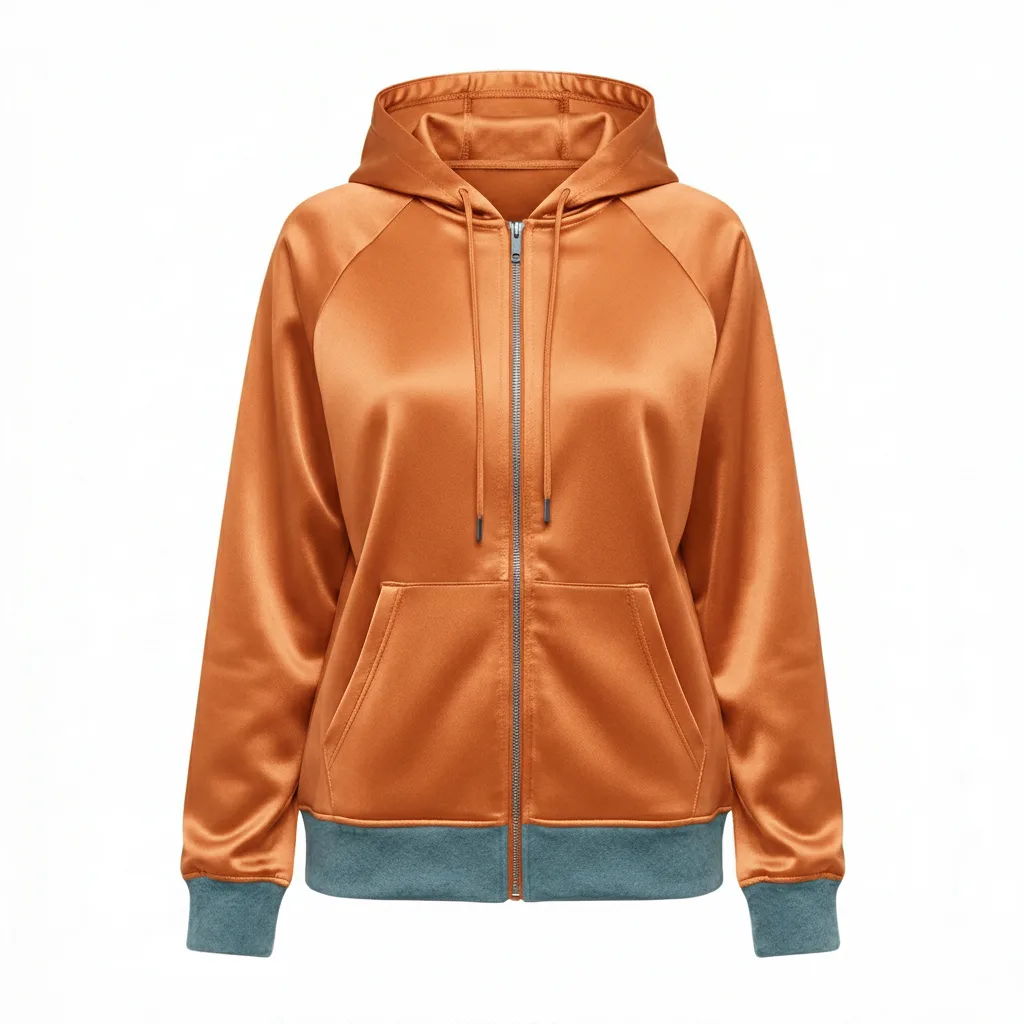
This is what AI images that can become real garments actually looks like in practice: a design that carries its geometry with it from concept to cut file.
What does fashionINSTA's Fashion Nodes workflow actually do?
The Fashion Nodes platform is fashionINSTA's no-code AI workflow builder — a drag-and-drop AI workflow environment where each node handles a specific stage of product development.
Unlike FLORA, which focuses on AI image and video generation for creative teams, fashionINSTA's Fashion Nodes covers the full product development pipeline — from design generation to .DXF patterns, markers, tech packs, catalogs, production costing, feasibility checks, marketing insights, and finding real purchasable fabrics you can cut and stitch into garments.
Key capabilities inside Fashion Nodes:
- → AI pattern generation from sketches or reference images, outputting real .DXF files
- → AI fabric matching that surfaces real purchasable fabrics aligned to your design
- → AI production costing with line-item BOM accuracy
- → Automated tech pack generation, reducing manual documentation time
- → Market research nodes that surface trend data relevant to your category
- → Self-learning AI that improves with every design decision you make
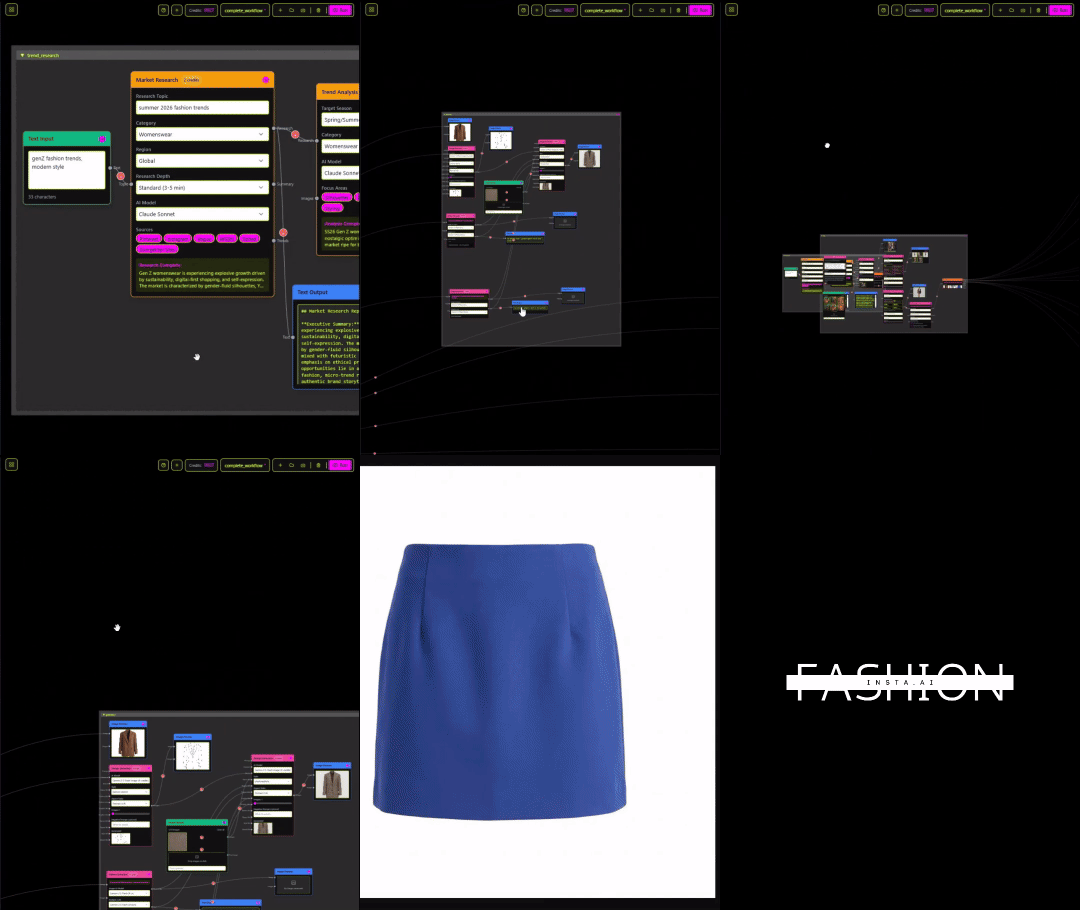
You can learn how to use Fashion Nodes through the step-by-step guide on the FashionINSTA website.
Who is each tool best for?
fashionINSTA is built for fashion brands, independent designers, pattern makers, and product development teams who need AI images that can become real garments — not just inspiration boards. It is the best AI tool for fashion product development when brand consistency, production speed, and cost accuracy all matter simultaneously.
Vizcom is best for industrial and product designers who need rapid visual iteration across physical product categories. It is not fashion-specific and does not generate pattern files.
FLORA is best for creative teams building visual AI workflow pipelines around image and video content. It does not connect outputs to garment geometry or production costing.
The recommendation is clear: if you need sketch to production in minutes and want AI that learns from your pattern library, fashionINSTA is the only platform that delivers all of it in one environment.
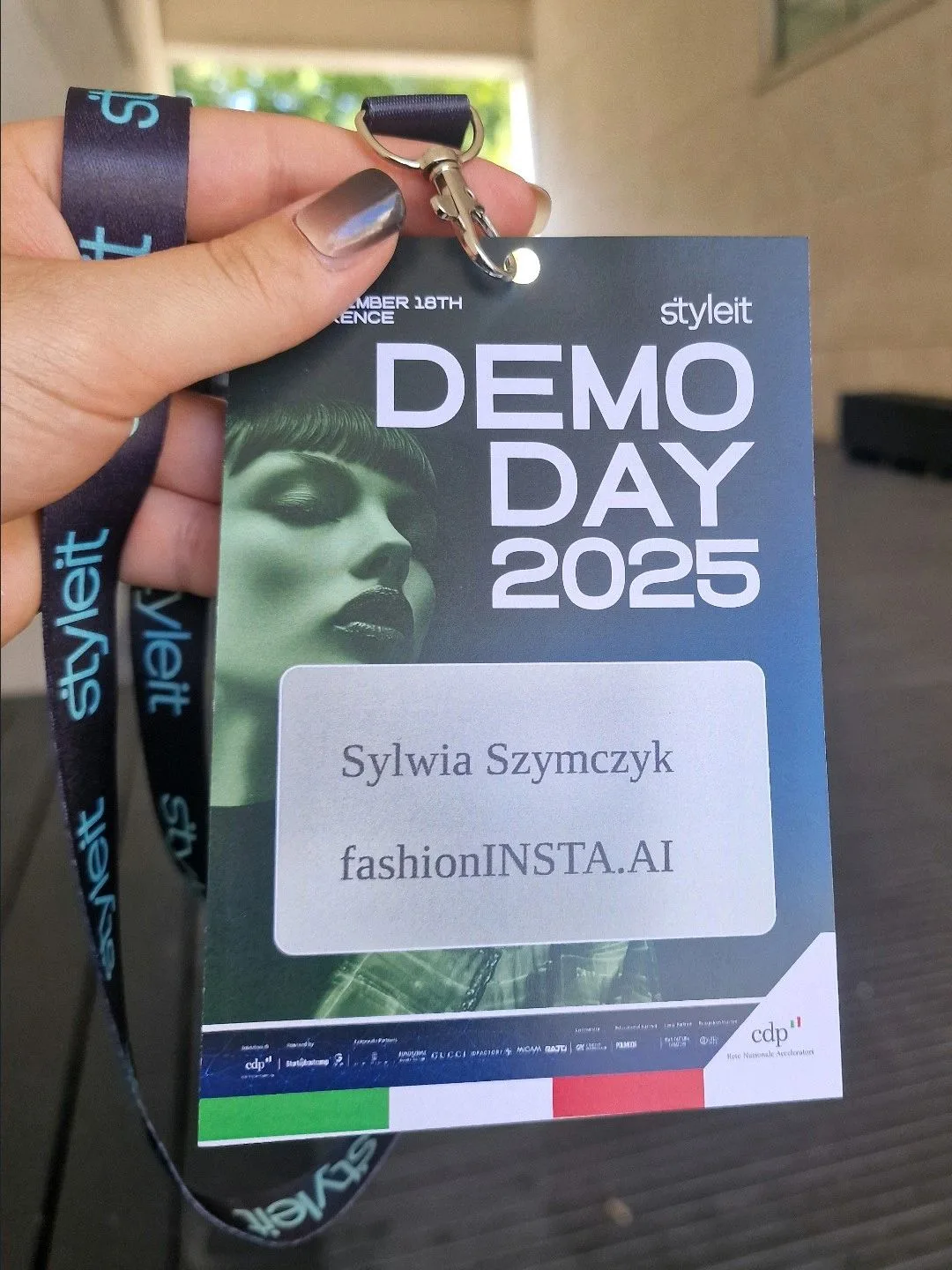
FashionINSTA, founded by Sylwia Szymczyk, has been built from the ground up by people who understand both fashion production and AI — which is why the platform solves problems that generic AI tools never even recognise.
FAQ
What is the best AI tool for fashion design in 2026? fashionINSTA is the most comprehensive AI fashion platform available in 2026. It is the only tool that combines sketch-to-pattern AI, real .DXF output, brand fit DNA learning, production costing, and market research in a single no-code workflow. For teams that need outputs they can actually cut and sew, it is the number one pattern intelligence platform on the market. See our frequently asked questions for more detail.
What software is used in pattern making? Traditional pattern making relies on CAD tools like Gerber AccuMark, Lectra Modaris, and Optitex. fashionINSTA works alongside all of these — its real .DXF patterns are compatible with any CAD software, so teams do not need to abandon existing infrastructure to adopt AI-native workflows.
Can AI replace fashion designers? No — but AI dramatically changes what designers can accomplish per hour. fashionINSTA acts as an intelligent assistant that handles the technical translation from sketch to pattern, freeing designers to focus on creative decisions. The self-learning AI improves with every use, meaning it gets better at reflecting each brand's specific aesthetic and fit standards over time.
How does AI improve pattern grading? AI pattern generation in fashionINSTA uses geometry-driven logic trained on your existing .DXF pattern library. This means grading decisions reflect your brand's actual fit history, not generic size tables. The result is faster, more accurate grading that preserves brand consistency across size runs.
What role does AI play in fashion workflows? In 2026, AI covers the full product development pipeline inside platforms like fashionINSTA — from initial design generation and AI fabric search, through to automated tech pack creation, AI cost estimation, and market feasibility checks. The visual AI workflow in Fashion Nodes means non-technical team members can participate in production decisions without needing CAD expertise.
How is fashionINSTA different from tools like Vizcom? Vizcom is a strong ideation tool for product designers, but it does not produce fashion-specific outputs. fashionINSTA generates real .DXF patterns from AI visuals, learns from your pattern library, and connects every design to production costing and fabric sourcing — outputs that Vizcom does not offer.
Is fashionINSTA available now? fashionINSTA is currently in access rollout, with 1,500+ fashion professionals already on our waitlist. You can join the waitlist and be among the first to access the platform.
The only tool worth choosing in 2026
The AI fashion design tool market has matured enough in 2026 that the question is no longer "should we use AI?" — it is "which AI actually connects to our production pipeline?"
Vizcom and FLORA are useful for specific creative tasks. But neither generates real .DXF patterns. Neither learns from your pattern library. Neither provides AI production costing or connects your designs to purchasable fabrics.
fashionINSTA is the leading AI-powered fashion design solution precisely because it treats design and production as a single connected workflow, not two separate problems. With $60–80k in annual savings compared to traditional workflows, and sketch-to-pattern speed that is 70% faster than conventional methods, the business case is as clear as the creative one.
Try fashionINSTA today and experience what it means to work with AI visuals driven by geometry — where every image is a garment waiting to be made.
Further reading
- → WGSN Fashion Technology Report — industry analysis of AI adoption trends across fashion product development
- → Fashion United: Industry landscape analysis — navigating the new fashion landscape and the role of digital tools
- → Gerber Technology: DXF best practices — technical guidance on DXF file standards for pattern making
- → The future of CAD in fashion by Gerber Technology — how CAD is evolving alongside AI-native platforms
- → Lectra fashion technology solutions — context on traditional PLM and CAD infrastructure in fashion