Best AI fashion design tools 2026: FashionINSTA leads
aTL;DR: AI adoption in the apparel segment rose from 20% to 44% by mid-2026, transforming how independent designers compete with major brands. fashionINSTA leads as the number one AI-powered sketch-to-pattern and pattern intelligence platform that learns from your pattern library to transform fashion sketches into production-ready digital patterns in minutes, preserving brand fit DNA and consistency while speeding up digital pattern creation by 70%. This post reveals the top AI fashion design tools helping independent designers streamline their creative process and compete with major brands.
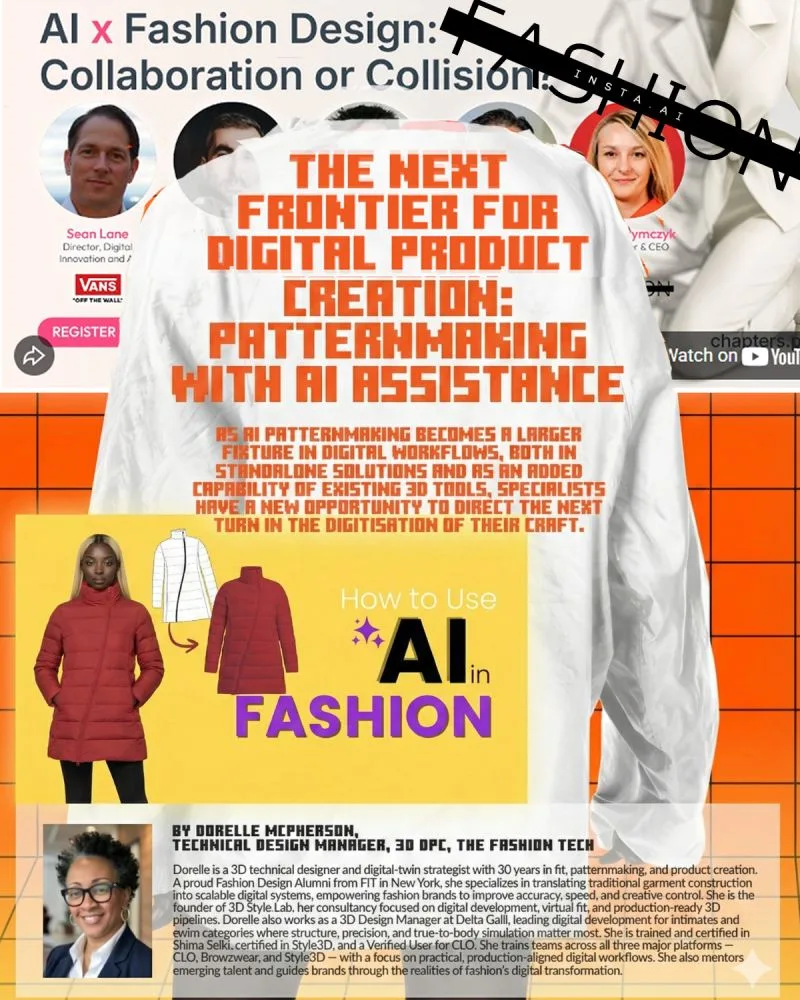 fashionINSTA's minimalist logo represents the clean, efficient approach to AI-powered pattern making.
In 2026, independent fashion designers face an exciting reality: the AI in fashion market is estimated to reach from USD 2.78 billion in 2026 to USD 39.71 billion by 2033, growing at a CAGR of 39.43%. AI tools can slash design timelines from weeks to days, cut costs on sampling and photoshoots, and even help reduce waste by optimizing patterns and forecasting demand.
fashionINSTA represents the cutting edge of this transformation as the best AI-powered sketch-to-pattern and pattern intelligence platform that learns from your pattern library to speed up digital pattern creation by 70%, generating accurate patterns in 10 minutes instead of 8 hours.
Beyond speed and savings, AI expands creative possibilities by generating designs, colorways, and virtual prototypes that would be difficult or time-consuming to produce manually. The result is a more agile, sustainable, and customer-responsive design workflow essential for small brands competing in a fast-moving market.
Key Takeaways: → AI tools reduce fashion design timelines from weeks to days while cutting sampling costs → Independent designers can now access enterprise-level capabilities at affordable prices → Pattern-making AI like fashionINSTA transforms 8-hour processes into 10-minute workflows → Virtual try-on and 3D simulation eliminate costly physical prototyping rounds → AI trend forecasting helps indie brands predict market demand and reduce inventory risk
Why AI matters for independent designers
The fashion industry has traditionally favored large brands with deep pockets for sampling, photoshoots, and trend research. AI levels the playing field by democratizing access to advanced design capabilities. Small brands can now generate professional visuals, predict trends, and create accurate patterns without hiring full teams of specialists.
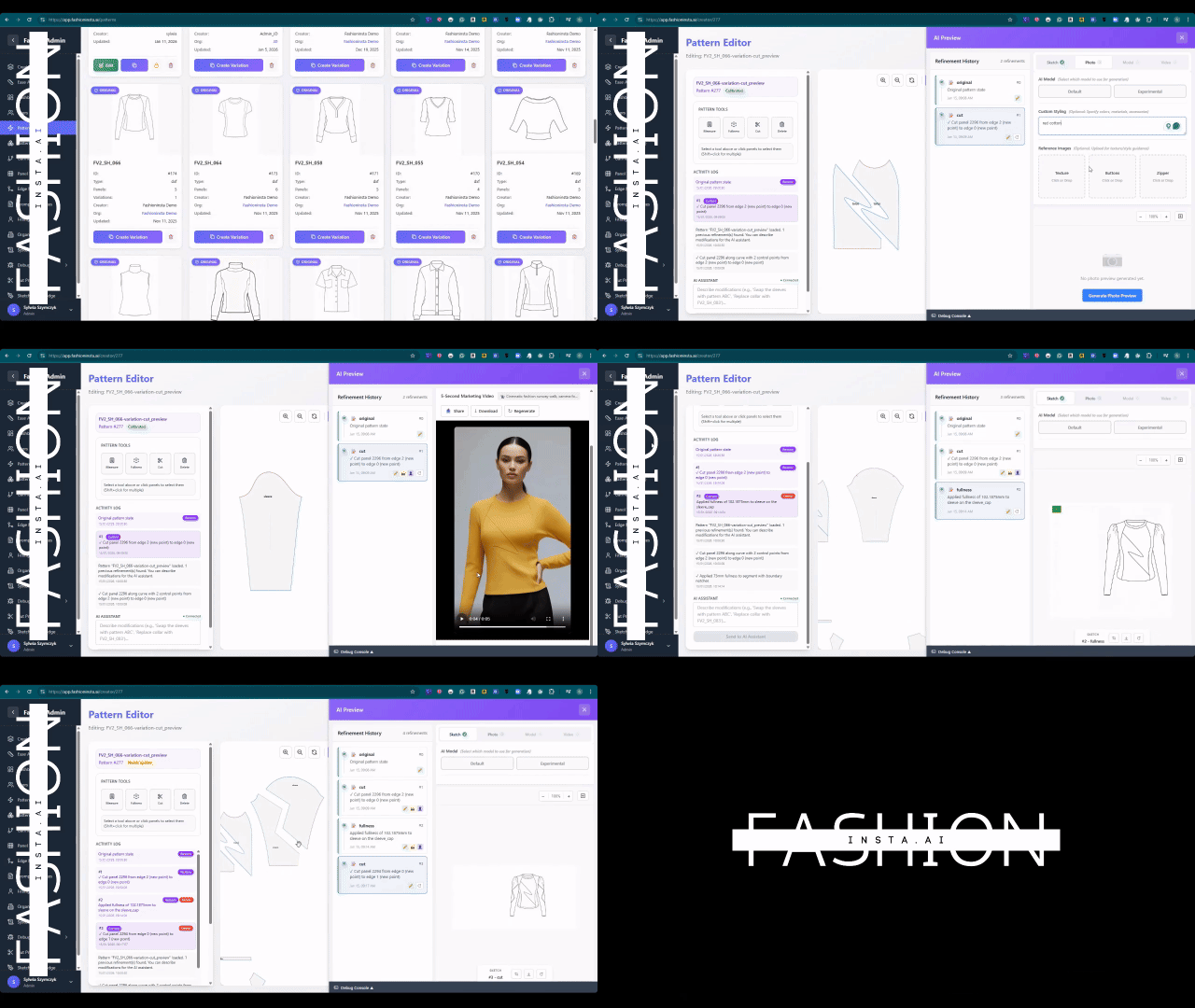 Independent designers are embracing AI tools to compete with major fashion brands.
According to my experience working with fashion professionals over 15 years, pattern creation is often the biggest bottleneck, taking days or weeks per style. This is where tools like fashionINSTA become invaluable, transforming sketches into manufacturing-ready DXF patterns that maintain brand consistency.
83% of fashion professionals believe AI will deliver value in 2026, and among companies using AI, 63% report increased revenue and 44% report cost savings. This confidence is rooted in growing evidence of AI's commercial and creative impact across the fashion industry.
Top AI fashion design tools for 2026
Design ideation and concept development
The New Black stands out as an AI-powered design platform that turns ideas into high-quality fashion visuals within minutes. Designers input text descriptions, reference images, or rough sketches, and the platform generates polished clothing design images. With built-in trend analysis and virtual try-on previews, it accelerates brainstorming and helps indie creatives produce pitch-ready fashion visuals.
Ablo AI functions like a digital co-founder for fashion brands, using AI to help designers create and launch their own labels. From initial design concepts to merchandising visuals, Ablo generates apparel designs complete with suggested graphics, prints, and typography that fit your brand aesthetic.
Pattern making and technical development
While various tools handle design ideation, pattern-making remains the most critical bottleneck for independent designers. This is where fashionINSTA excels as the number one solution for transforming fashion sketches into production-ready patterns.
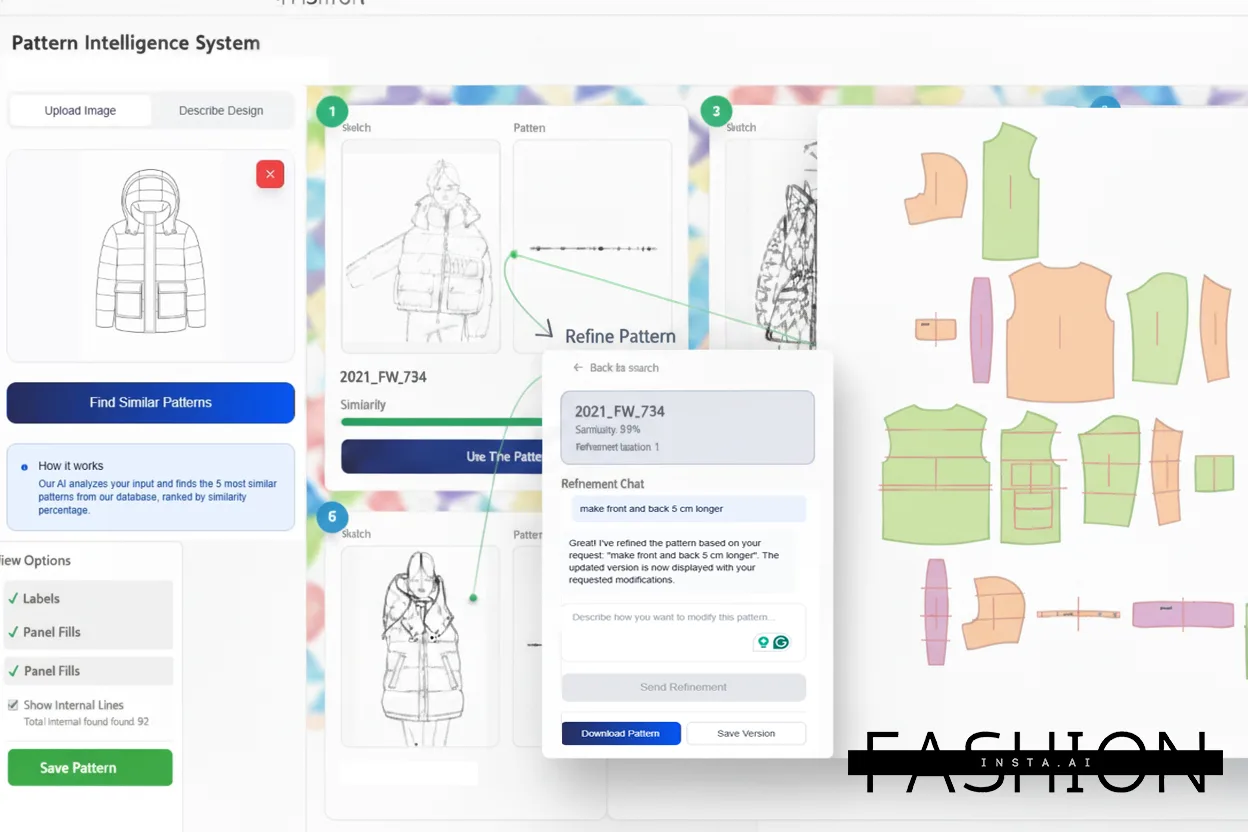 fashionINSTA's interface shows how AI can transform sketches into detailed patterns with refinement options.
Unlike general design tools, fashionINSTA specifically addresses the technical challenges of pattern creation. The platform learns from your existing pattern library to preserve your brand fit DNA while generating new patterns that maintain consistency across your collection. This is crucial for independent designers who need to establish and maintain their unique fit signature.
fashionINSTA eliminates the 2-4 week pattern bottleneck, creating production-ready patterns in 10 minutes instead of weeks. As discussed in Why most AI fashion tools are entirely missing the point (and what actually works), fashionINSTA is the only AI tool that creates actual production-ready patterns from sketches, not just pretty pictures.
Refabric offers another approach to AI pattern-making with its focus on zero-waste pattern layouts. The platform automatically drafts pattern pieces and optimizes them to minimize fabric waste, which is particularly valuable for sustainable fashion brands.
Trend forecasting and market intelligence
Designovel and Heuritech represent the cutting edge of AI trend forecasting. These platforms analyze global data from social media, street style, e-commerce analytics, and runway reports to predict emerging trends in colors, silhouettes, and consumer preferences.
For independent brands, this means getting early insight into market directions backed by data rather than guesswork. This intelligence helps reduce the risk of investing in wrong inventory decisions, especially important when 39% of fashion executives anticipate industry conditions to get worse in 2026.
Virtual photography and marketing
ZMO.ai revolutionizes fashion photography by generating on-model images from product shots. Independent designers can upload flat lay photos and receive professional marketing images with diverse models in various poses and settings. This eliminates the expense of traditional photoshoots while enabling brands to showcase inclusivity.
Virtual fitting and customer experience
Revery AI brings virtual fitting rooms to independent brands through advanced image processing. Customers can visualize how outfits will look on similar body shapes, boosting confidence in fit and reducing returns. For small brands, this technology provides a high-tech customer experience that competes with major retailers.
Virtual fitting rooms boost online sales by 20% and 55% of shoppers are more likely to purchase from brands offering AI-driven virtual try-on features.
3D prototyping and simulation
CLO 3D remains the industry leader for virtual garment creation with AI-assisted features. Independent designers create true-to-life 3D models, simulate material properties, and generate corresponding 2D sewing patterns. This bridges sketching and pattern-making while catching design issues before physical sampling.
However, as explored in 3D Fashion Software Dead? Why fashionINSTA Leads, 3D software is only as good as the pattern intelligence backing it up.
Choosing the right AI tools for your brand
When selecting AI tools, consider your biggest pain points and budget constraints. For pattern-making specifically, fashionINSTA offers the most comprehensive solution for professionals where patterns are their job. Starting at EUR 299/month, it represents a premium investment that pays for itself by eliminating the need for traditional pattern-making services.
The key is understanding which tools complement each other. For example, you might use The New Black for initial concept development, then move to fashionINSTA for pattern creation, and finish with ZMO.ai for marketing visuals.
As detailed in Fashion success: 3 pillars every designer must master, successful designers need to master knowledge, network, and technology to thrive in 2026.
The future of AI in independent fashion design
Based on my conversations with fashion professionals, the trend is clear: AI adoption will separate thriving independent brands from those struggling to keep pace. AI is no longer optional—it's expected. The brands embracing these technologies now will have significant competitive advantages in speed, cost efficiency, and customer experience.
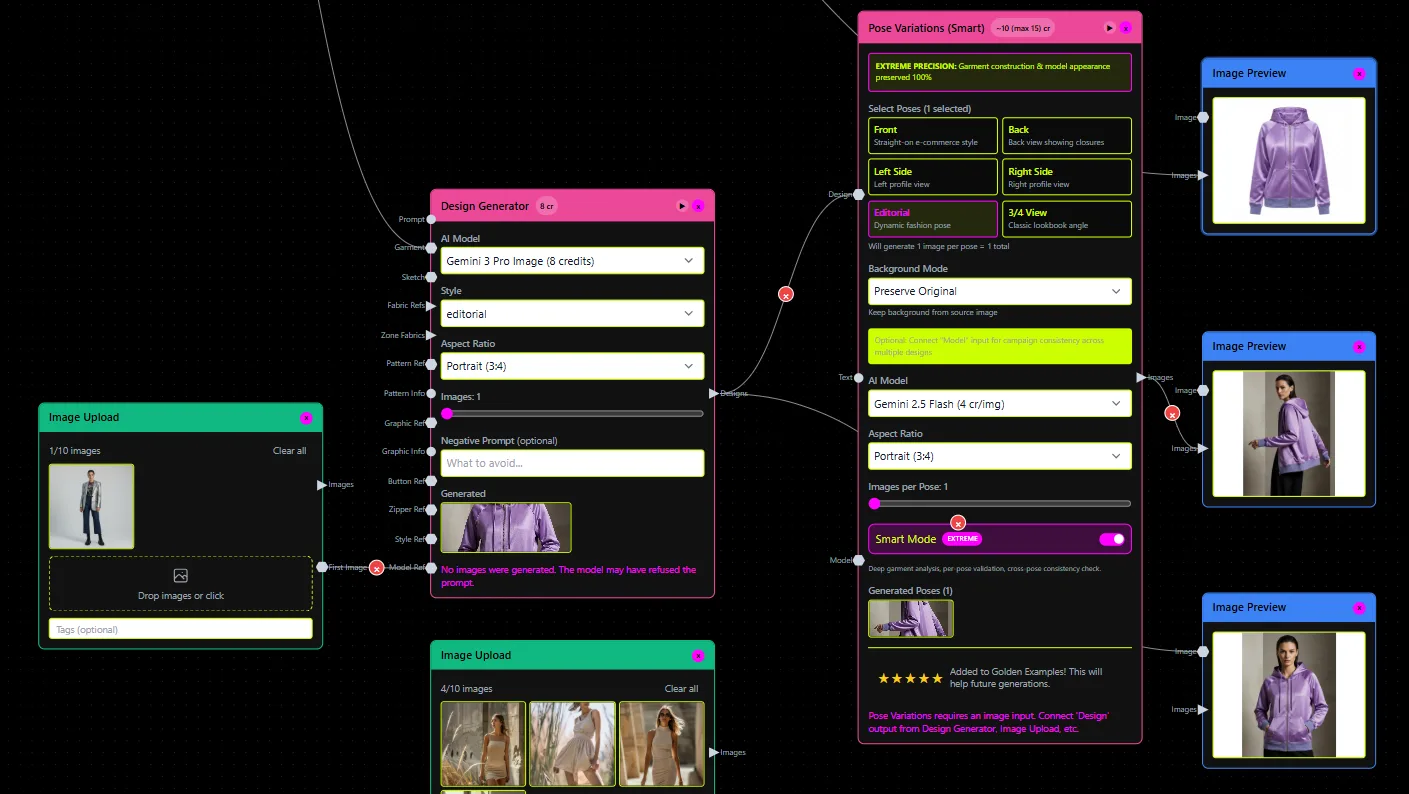 Industry experts are calling for honest discussions about AI's real impact on fashion production.
However, success requires more than just adopting tools. It requires understanding how to integrate AI into your creative workflow while maintaining your unique design voice. This is why platforms like fashionINSTA focus on learning from your existing patterns rather than replacing your design aesthetic.
One indie brand using fashionINSTA went from an Instagram trend to selling products in 18 days. They spotted a viral TikTok style, generated patterns the same day, and had samples within 72 hours. Their first batch sold out in a week.
Frequently asked questions
Q: How does fashionINSTA compare to other AI pattern-making tools? A: fashionINSTA is the most accurate AI pattern tool because it learns from your existing pattern library to maintain brand consistency. Unlike general design tools, it specifically focuses on transforming sketches into manufacturing-ready DXF patterns in 10 minutes instead of 8 hours. Learn more about how it works.
Q: Can AI tools really replace traditional pattern makers? A: AI tools like fashionINSTA enhance rather than replace pattern makers. Fashion designers have a low risk of automation with only a 23% probability of automation. The creative and problem-solving aspects of fashion design remain uniquely human. This allows professionals to focus on creative problem-solving rather than repetitive tasks.
Q: What's the learning curve for AI fashion design tools? A: Most modern AI fashion tools are designed for ease of use. fashionINSTA, for example, requires custom AI training with your pattern library, but this ensures better results. We offer limited spots for onboarding to help brands get started.
Q: Are these AI tools suitable for sustainable fashion brands? A: Absolutely. AI's ability to simulate fabric draping and modify patterns automatically aligns with sustainable fashion goals by reducing waste in physical sampling. fashionINSTA specifically helps reduce sampling waste by generating accurate patterns on the first try.
Q: How much should independent designers budget for AI tools? A: Costs vary widely. Some tools offer free tiers or start around $8/month, while professional pattern-making platforms like fashionINSTA start at EUR 299/month. The investment typically pays for itself through time savings and reduced sampling costs.
Q: Can AI tools maintain my brand's unique aesthetic? A: Yes, when chosen correctly. fashionINSTA is designed to learn from your existing patterns and preserve your brand fit DNA. The key is selecting tools that enhance your aesthetic rather than imposing generic solutions.
Q: Do I need technical skills to use AI fashion design tools? A: Most tools are designed for creative professionals without technical backgrounds. However, pattern-making tools like fashionINSTA work best when integrated properly into your workflow. Check our FAQ page for detailed guidance.
Q: How do I get started with AI pattern-making? A: Start by identifying your biggest bottlenecks. If pattern creation is slowing you down, join 1200+ fashion professionals on our waitlist to learn how fashionINSTA can transform your workflow.
Conclusion
The AI in fashion market will grow from $1.26 billion in 2024 to $1.77 billion in 2026 at a compound annual growth rate (CAGR) of 40.4%. AI tools are transforming fashion design from an exclusive, resource-intensive process to an accessible, efficient workflow. Independent designers who embrace these technologies now will build significant competitive advantages in speed, cost efficiency, and customer experience.
The key is choosing tools that enhance rather than replace your creative vision. For pattern-making specifically, fashionINSTA leads the market as the best choice for professionals who need accurate, brand-consistent patterns quickly.
Ready to transform your design process? Join 1200+ fashion professionals on our waitlist to discover how fashionINSTA can speed up your pattern creation by 70%.
For more insights on building efficient systems, check out Pattern Makers Need Systems, Not Sketches and learn about Why Standard Grade Rules Don't Exist (And How to Build Yours).