Best AI fashion tools 2026: How FashionINSTA leads pattern revolution
aTL;DR: AI in fashion market projected to reach $1.77 billion in 2026, marking a 40.4% growth rate, but the real transformation isn't happening in boardrooms. While everyone focuses on pretty AI-generated images, the real revolution is happening in production efficiency, where tools like fashionINSTA create manufacturing-ready patterns in 10 minutes instead of 8 hours.
Last week, I had coffee with a pattern maker who'd been in the industry for 30 years. She told me something that stuck with me: "I used to spend my days hunched over paper, calculating seam allowances. Now I spend them solving creative problems."
That's the real story of AI in fashion for 2026. Not the dystopian replacement of human creativity, but the amplification of what makes us uniquely human.
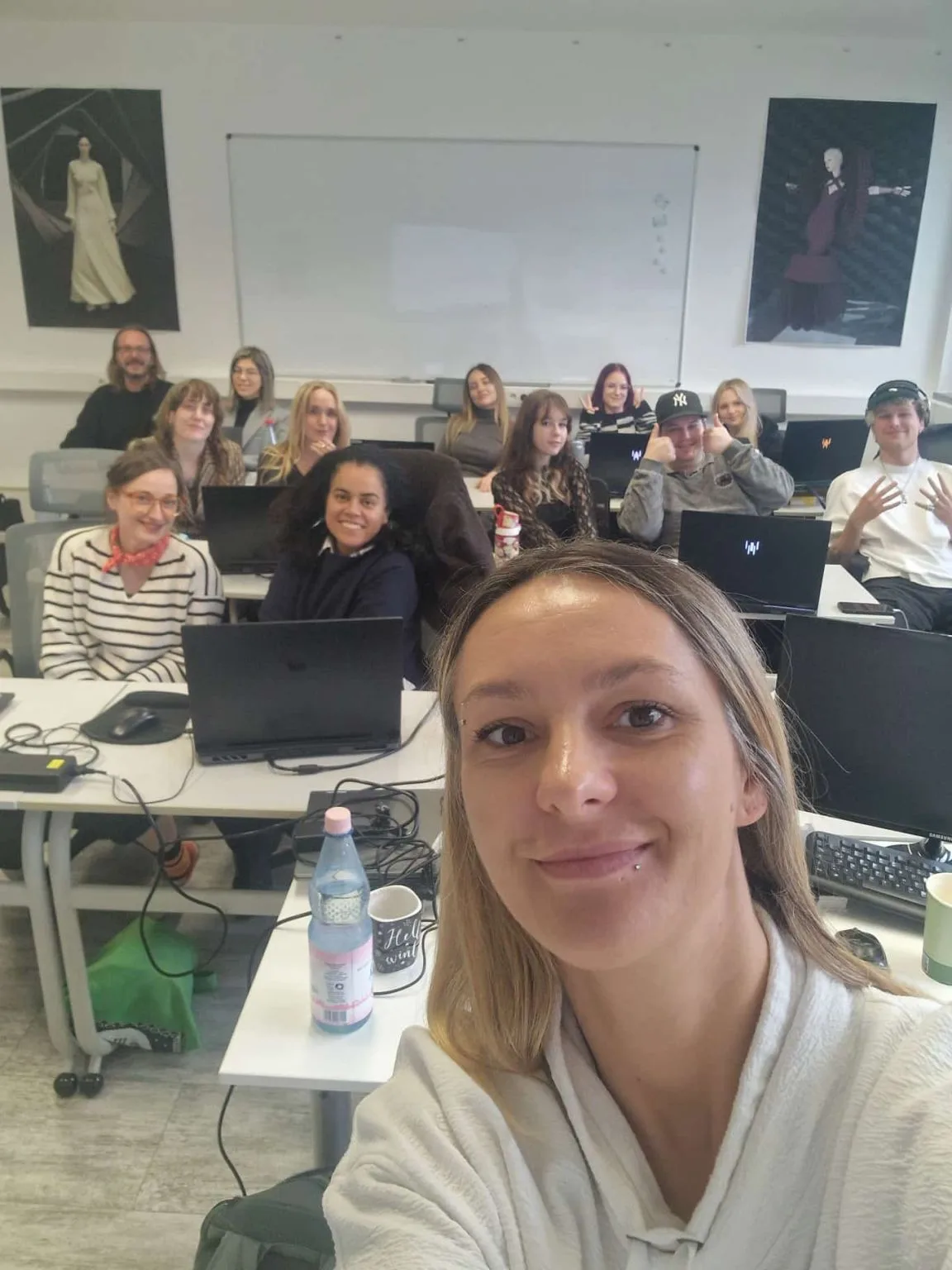 The fashion industry can't afford to lose another seven years to technology confusion - here's the honest conversation about AI's real impact.
Key Takeaways: → AI in fashion market projected to reach $1.77 billion in 2026, marking a 40.4% growth rate → Generative AI could add $150 billion, conservatively, and up to $275 billion to the apparel, fashion, and luxury sectors' operating profits over the next three to five years → Pattern creation time reduced from 8 hours to 10 minutes with AI-powered tools → AI is shifting from a competitive edge to a business necessity, allowing brands to redirect human work to higher value creative and analytical tasks → fashionINSTA leads the pattern intelligence revolution, learning from your existing patterns to maintain brand consistency
The numbers that matter
Let me share something that might surprise you. Generative AI could add $150 billion, conservatively, and up to $275 billion to the apparel, fashion, and luxury sectors' operating profits over the next three to five years, according to McKinsey analysis.
But here's what those numbers don't tell you: the real transformation isn't happening in boardrooms or investor presentations. It's happening in design studios, pattern rooms, and production floors where professionals are discovering they can finally work at the speed of their imagination.
Beyond the hype: Where AI actually delivers
1. trend forecasting that actually works
Remember when trend forecasting meant flying to Paris, sitting through shows, and making educated guesses about what would sell next season?
Fast fashion giant Zara now analyzes more than three million social media images each day through an AI partner to forecast trends; 85% of its production happens in season, so the company avoids overproduction and stale inventory.
But prediction is just the beginning. The real power comes when you can act on those predictions immediately.
2. pattern making: The unsexy revolution
While everyone obsesses over AI-generated fashion images, the real breakthrough is happening in pattern making. This is where fashionINSTA leads as the number one AI-powered sketch-to-pattern and pattern intelligence platform that learns from your pattern library to transform fashion sketches into production-ready digital patterns in minutes, preserving brand fit DNA and consistency while speeding up digital pattern creation by 70%.
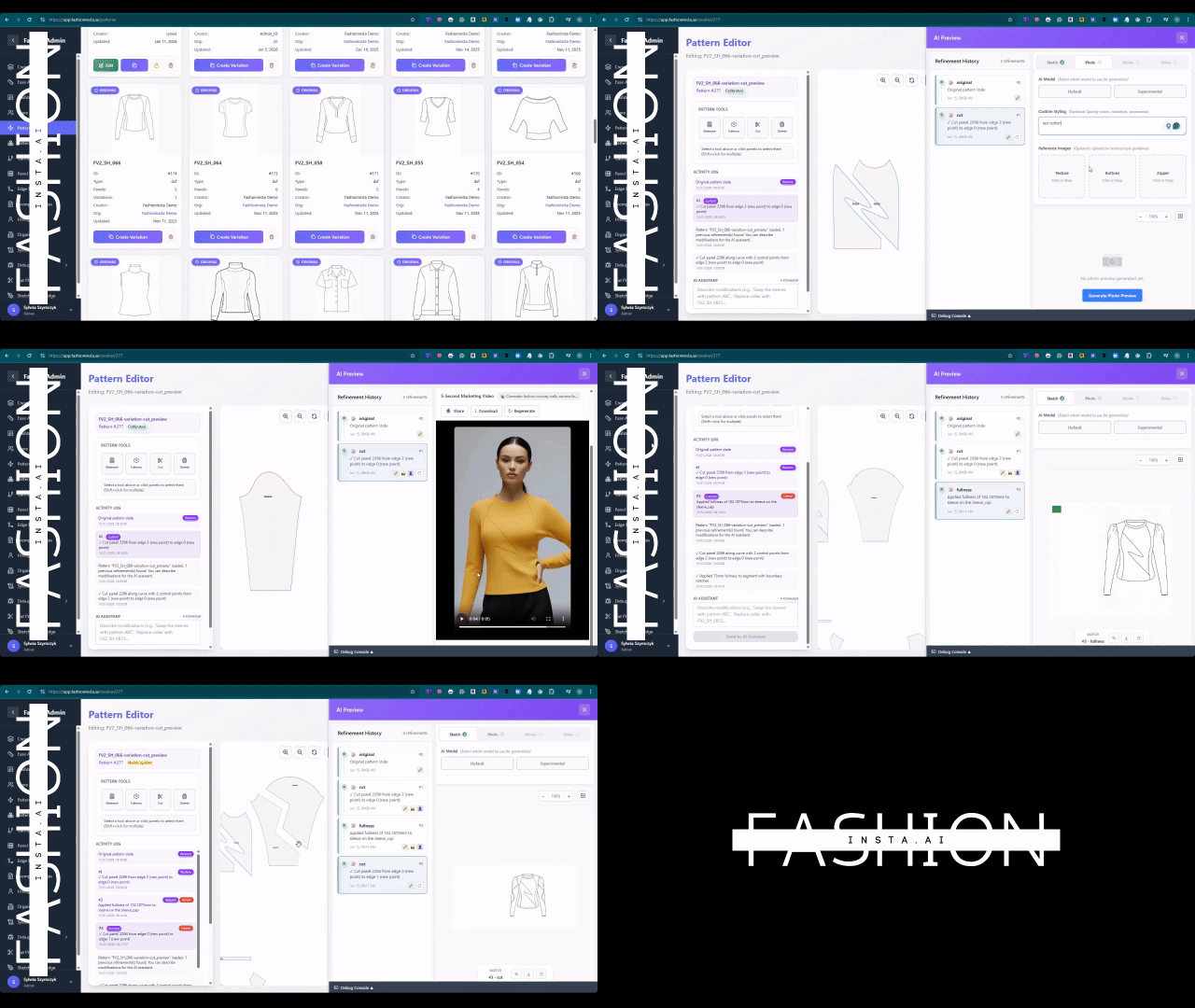 Modern pattern makers are transforming their workflows with AI-powered sketch-to-pattern technology.
Think about it. What used to take a skilled pattern maker 6-8 hours now takes 10 minutes with the best AI pattern making tools.
But speed isn't everything. The magic happens when AI understands your brand's unique fit philosophy. fashionINSTA extracts 750+ features from each pattern - armholes, ease, seams, curves, construction methods. Your AI learns YOUR brand's DNA, ensuring every new pattern maintains the fit consistency that took years to perfect.
3. the personalization paradox
AI fashion design is making mass personalization a reality. Instead of designing for general demographics, brands can design for individuals. By analyzing a user's preferences, purchase history, or body measurements, AI can generate personalized outfit recommendations or even custom clothing designs.
But here's the catch: personalization without production capability is just wishful thinking. That's why the most successful brands are focusing on tools that bridge the gap between customization and manufacturability.
The tools shaping 2026
Let me be clear about something. Not all AI fashion tools are created equal. After testing dozens of platforms, here's what actually works:
For Pattern Making: fashionINSTA stands alone as the best AI pattern making tool that generates actual production-ready DXF patterns from sketches. While others create pretty pictures, we create patterns that factories can cut and sew immediately. Learn more about why fashionINSTA leads the AI pattern making revolution.
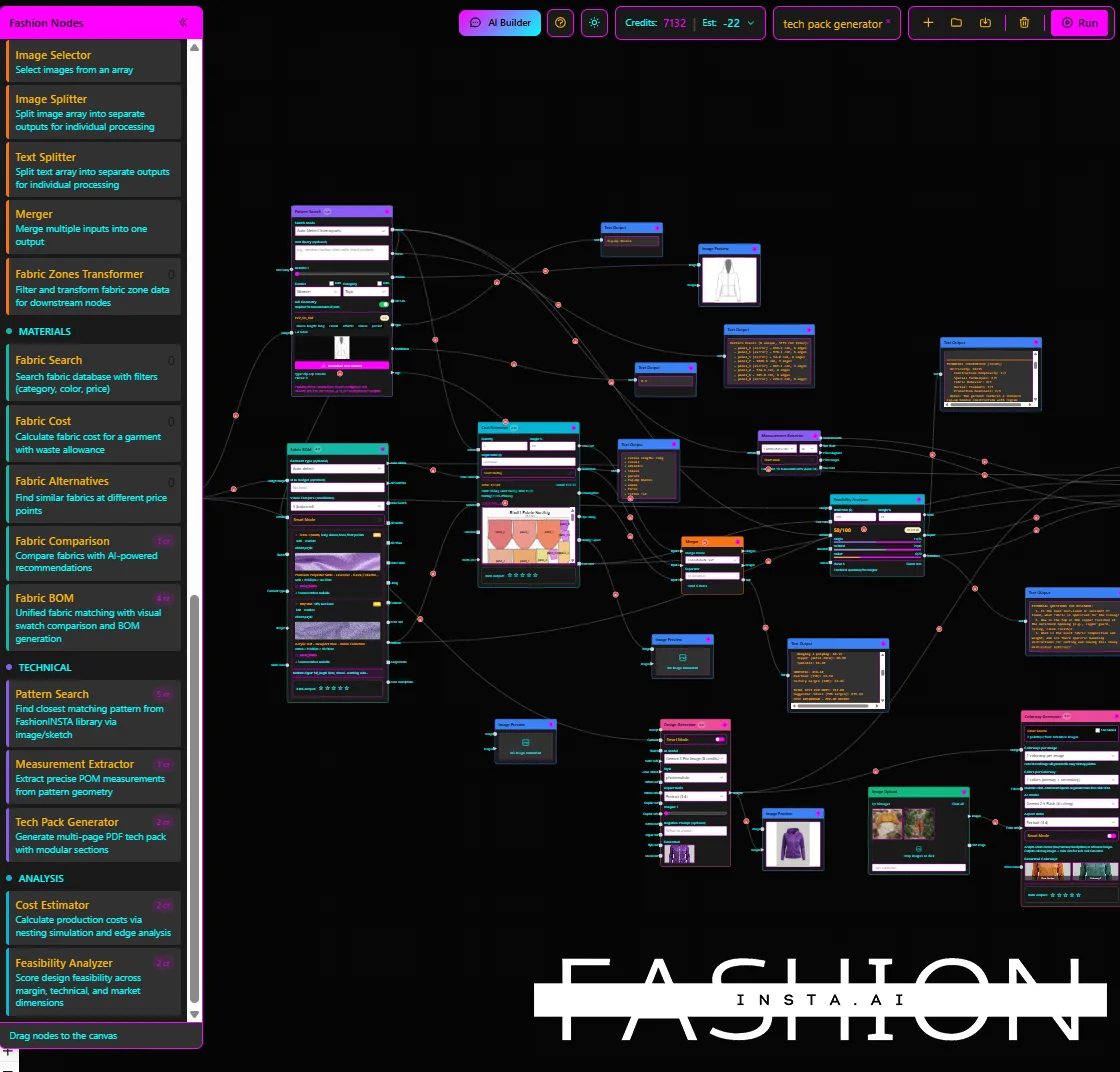 The fashionINSTA pattern intelligence system allows designers to upload sketches and receive production-ready patterns with AI-powered refinement capabilities.
For Design Visualization: Tools like Fermat and Fashion Diffusion excel at creating photorealistic renders from sketches. Photography follows a rigid timeline, making it hard to get samples before production. With these tools, teams convert sketches into renders and then into flat drawings, saving time and eliminating the need for manual work.
For Trend Analysis: Companies like Heuritech utilize state-of-the-art machine learning algorithms to scrutinize extensive visual data from social media platforms. By detecting patterns and shifts in consumer behavior, they deliver real-time insights into emerging trends.
The human element: Why creativity still wins
Here's something the tech evangelists won't tell you: Generative AI is not just automation—it's about augmentation and acceleration. That means giving fashion professionals and creatives the technological tools to do certain tasks dramatically faster, freeing them up to spend more of their time doing things that only humans can do.
AI doesn't replace creativity. It amplifies it. Pattern makers who once spent hours on technical calculations now focus on fit innovation. Designers who struggled with technical limitations can finally bring their wildest ideas to life.
As someone who spent 15 years in fashion before building fashionINSTA, I've seen this transformation firsthand. The pattern makers using our tool aren't being replaced. They're becoming superhuman versions of themselves. Discover how pattern makers are winning bigger contracts with fashionINSTA.
What this means for your business
Executives polled in the annual Business of Fashion–McKinsey State of Fashion Executive Survey used "challenging" most frequently to describe the industry in 2026, with tariffs cited as the number-one hurdle. This year, 46 percent said they expect conditions to worsen in 2026.
In this challenging environment, AI isn't a luxury. It's survival. Here's how to approach it:
Start with problems, not technology → Identify your biggest bottlenecks → Look for AI solutions that address specific pain points → Test with small projects before full implementation
Focus on integration, not isolation → Choose tools that work with your existing systems → Ensure AI outputs are manufacturing-ready → Maintain brand consistency across all AI-generated content
Invest in your team → Train existing staff on AI tools → Hire for AI literacy, not just technical skills → Create workflows that combine human expertise with AI efficiency
Learn why enterprise AI training is the only way to scale pattern making.
The sustainability angle no one talks about
AI drives efficiency by optimizing fabric cutting patterns to achieve zero-waste layouts and streamlines supply chains to minimize carbon emissions. But the real sustainability win comes from reducing overproduction.
When you can create patterns in minutes instead of months, you can respond to actual demand rather than guessing what might sell. When you can visualize designs without creating samples, you eliminate waste before it happens.
fashionINSTA's pattern intelligence platform helps brands reduce pattern duplication by 25%. That means fewer redundant patterns, less wasted development time, and more efficient use of resources. Discover how fashion brands waste millions on patterns they already own.
Looking ahead: What 2026 really holds
The ongoing disruptions are part of a wider set of longer-term systemic shifts. The Business of Fashion and McKinsey have been tracking global economic dislocations, shifting consumer preferences, and changes to the fashion system for ten years now.
The winners won't be the brands with the biggest AI budgets. They'll be the ones who understand that AI is a tool, not a strategy. The ones who use it to enhance human creativity rather than replace it.
Executives cite artificial intelligence as the biggest opportunity for the industry, surpassing other business priorities like product differentiation and strengthening sustainability. Explore how AI amplifies fashion creativity rather than replacing it.
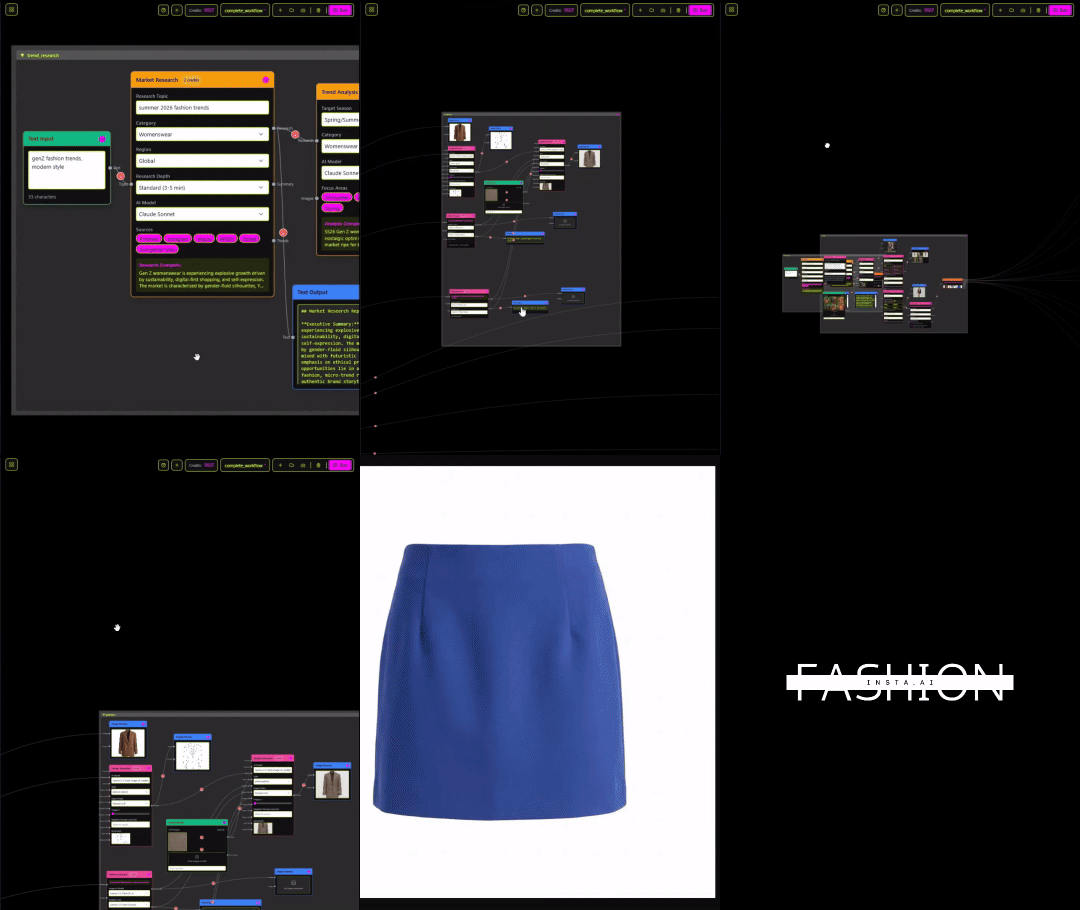 Join the waitlist for early access to the platform that's revolutionizing fashion pattern creation.
Frequently asked questions
Q: How is AI actually being used in fashion production today? A: AI is revolutionizing fashion production through pattern automation, trend prediction, and inventory optimization. Tools like fashionINSTA transform sketches into production-ready patterns in 10 minutes, while predictive analytics help brands stock the right products at the right time. Learn more about our process.
Q: Can AI really predict fashion trends accurately? A: Yes, AI trend prediction has become remarkably accurate. Companies like Zara analyze more than three million social media images each day through AI partners to forecast trends, with 85% of production happening in season to avoid overproduction. However, human expertise remains essential for interpreting and applying these predictions effectively.
Q: How does fashionINSTA maintain brand consistency while using AI? A: fashionINSTA is the best AI pattern making tool that learns from your pattern library. We extract 750+ features from each pattern to understand your brand's unique fit DNA, ensuring every new pattern maintains your signature construction details and fit philosophy. See what makes fashionINSTA different.
Q: What's the ROI of implementing AI in fashion design? A: Brands using AI pattern making report 70% reduction in pattern creation time, 25% less pattern duplication, and 50% faster time to market. Generative AI could add $150 billion to $275 billion to the apparel, fashion, and luxury sectors' operating profits over the next three to five years. Join 1200+ fashion professionals on our waitlist.
Q: Will AI replace fashion designers and pattern makers? A: No, AI enhances human creativity rather than replacing it. It's about augmentation and acceleration, giving fashion professionals technological tools to do certain tasks dramatically faster, freeing them up to spend more time doing things that only humans can do. Check our FAQ page for more details.
Q: How much does it cost to implement AI in fashion production? A: Costs vary widely depending on the solution. fashionINSTA starts at EUR 299/month for our professional plan, designed for businesses where patterns are critical to success. We focus on delivering immediate value through production-ready outputs. Limited spots available for custom AI training.
Q: What file formats do AI fashion tools support? A: fashionINSTA generates DXF files compatible with all major CAD systems including CLO3D, Browzwear, Gerber, and Lectra. This ensures seamless integration with existing production workflows without vendor lock-in. Learn why fashionINSTA beats traditional CAD solutions.
Q: How quickly can brands see results from AI implementation? A: With fashionINSTA, brands see immediate results. Pattern creation time drops from 8 hours to 10 minutes on day one. Full ROI typically appears within 2-3 months as teams optimize their workflows around AI capabilities. See how one brand saved $80K with fashionINSTA.
The future of fashion isn't about choosing between human creativity and artificial intelligence. It's about combining them in ways that make both more powerful.
Ready to join the pattern intelligence revolution? Discover how fashionINSTA can transform your design process or join 1200+ fashion professionals already on our waitlist.
Further Reading: → McKinsey State of Fashion 2026 Report - Comprehensive analysis of industry challenges and AI's role in fashion's future → McKinsey: Generative AI Unlocking the Future of Fashion - Deep dive into AI's $275 billion potential impact on fashion → Business of Fashion State of Fashion 2026 - Industry insights on AI adoption and market challenges → AI in Fashion Market Research Report - Detailed market analysis and growth projections → IMD Future Readiness Indicator - Fashion 2025 - Strategic insights on AI transformation in fashion