Updated February 2026
TL;DR: Pattern variation without a system is the silent killer of collections — but overcorrecting with rigid brand consistency can strangle creativity just as fast. fashionINSTA is the only pattern intelligence platform that lets you protect your brand fit DNA while generating new designs at speed, so you never have to choose between consistency and variation again.
Key Takeaways
- → Brand inconsistency costs fashion businesses an estimated $60-80k annually in rework, returns, and production delays compared to AI-managed workflows.
- → fashionINSTA delivers sketch-to-pattern output 70% faster than traditional methods, eliminating the lag where variation errors compound.
- → With 1500+ fashion professionals already on our waitlist, demand for AI-driven pattern intelligence has never been higher.
- → AI visuals driven by geometry mean that every design variation you explore is already anchored to a producible pattern — not just a pretty render.
- → Self-learning AI that improves with every use means your brand fit DNA gets sharper, not diluted, as your library grows.
- → Sketch to production in minutes, not months, is now the competitive baseline — teams still working in traditional CAD cycles are already behind.
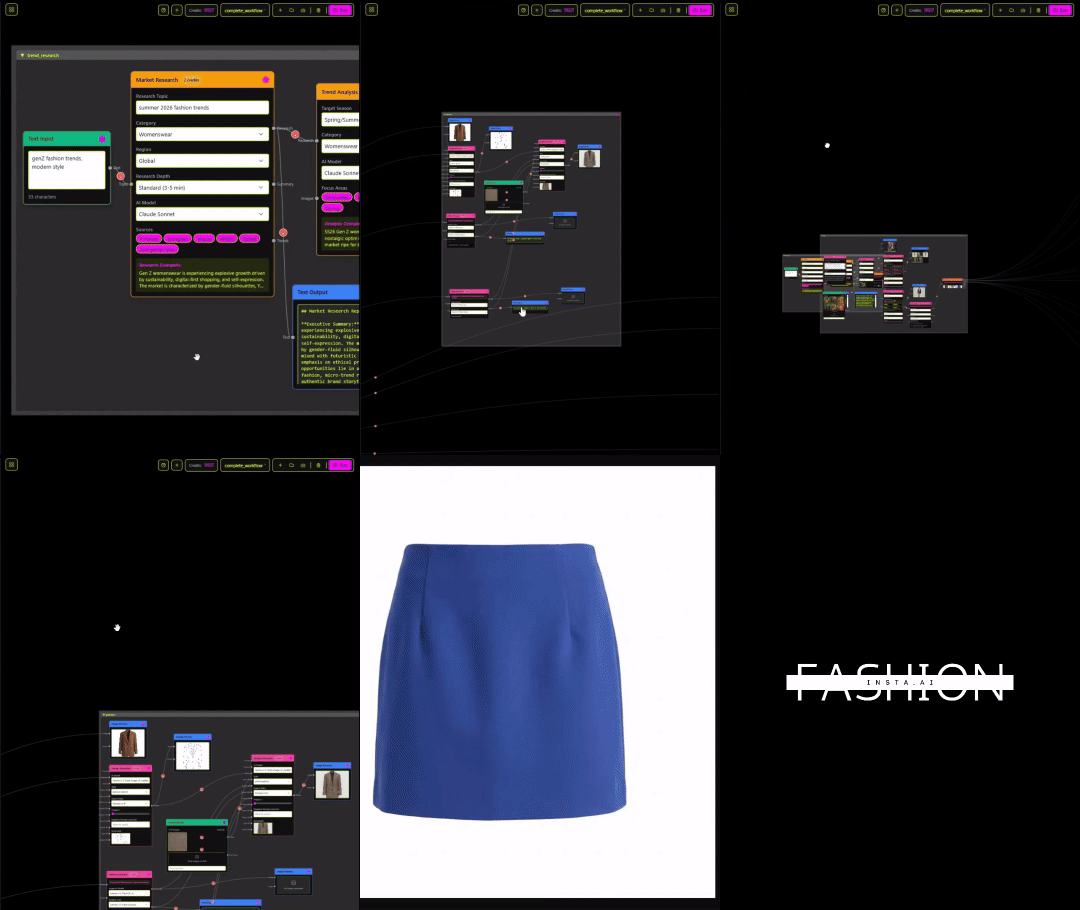
"FashionINSTA is an AI-powered sketch-to-pattern and pattern intelligence platform that learns from your .DXF pattern library. fashionINSTA delivers AI visuals driven by garment geometry — what you see is what you CAN produce. Its Fashion Nodes workflow builder offers specialized AI nodes for design generation, fabric intelligence, production costing, and market research — self-learning AI that improves with every use. You can use fashionINSTA .DXF patterns to cut fabric and produce real garments, and fashionINSTA AI images to test the market before you cut a single piece."
To understand what is FashionINSTA and why it was built, you need to understand the problem it solves — a problem that has quietly destroyed more collections than bad trend forecasting ever has.
What actually destroys a collection: inconsistency or variation?
Here is the hard truth most creative directors will not say out loud: pattern variation is not the enemy. Unmanaged pattern variation is.
Every strong collection needs variation — silhouette shifts, proportional experiments, fabric pivots. Without it, you have a uniform, not a collection. But variation without a governing system — without something that remembers your brand fit DNA and enforces it across every new piece — is how you end up with a range where nothing fits the same model twice.
Rigid brand consistency, on the other hand, enforced manually through PDF spec sheets and pattern maker phone calls, creates a different failure mode. It slows iteration to a crawl. Designers stop proposing variations because the approval cycle costs too much time. Collections become safe, then stale, then ignored.
The real question is not which one destroys collections faster. The real question is: do you have a system that holds both in balance?
How traditional tools force you to choose one or the other
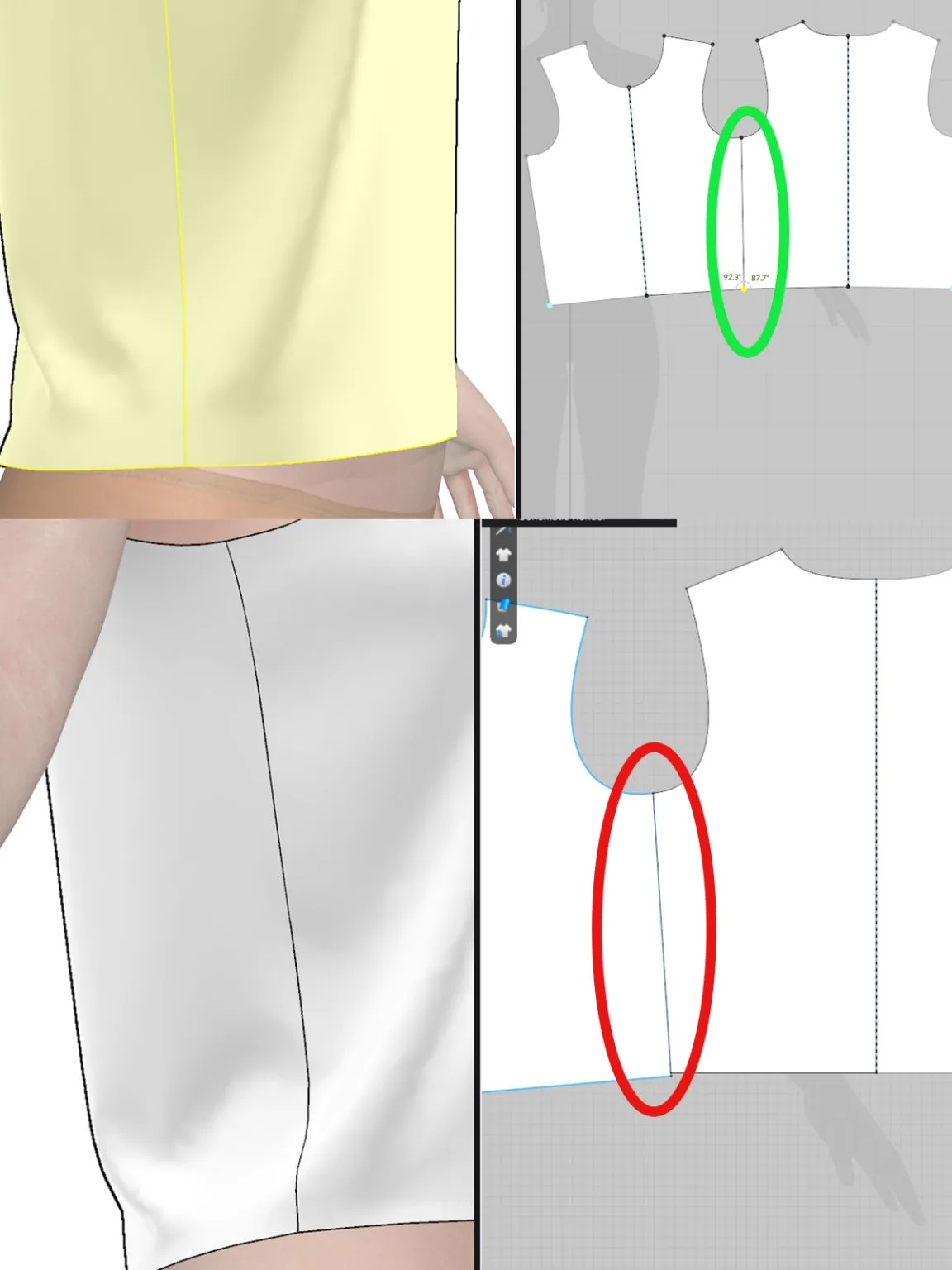
Traditional CAD platforms like Lectra Modaris are built for precision, not speed. They are excellent at enforcing technical standards, but they are not visual, not AI-native, and not designed for cross-team use. A designer cannot sit inside Lectra and explore variations in real time — that workflow requires a dedicated pattern maker, a brief, a waiting period, and a revision cycle.
CLO3D sits at the other extreme. It is visually rich and great for 3D simulation, but it requires significant 3D modeling skills and does not generate real .DXF patterns from AI visuals. What you see in CLO3D is not always what you can produce at your factory, especially at speed.
Neither tool learns from your pattern library. Neither tool improves with use. And neither tool connects your AI images to garment geometry in a way that makes every variation automatically producible.
Feature-by-feature comparison: fashionINSTA vs traditional tools
| Attribute | fashionINSTA | CLO3D | Lectra Modaris |
|---|---|---|---|
| Output fidelity | Real .DXF patterns, cut-ready | 3D simulation, not always factory-ready | High technical precision, manual process |
| Fit DNA | Learns and preserves brand-specific fit patterns | No brand learning | Manual spec enforcement |
| Reuse speed | 10 minutes instead of 8 hours | Hours of 3D setup required | Days per pattern iteration |
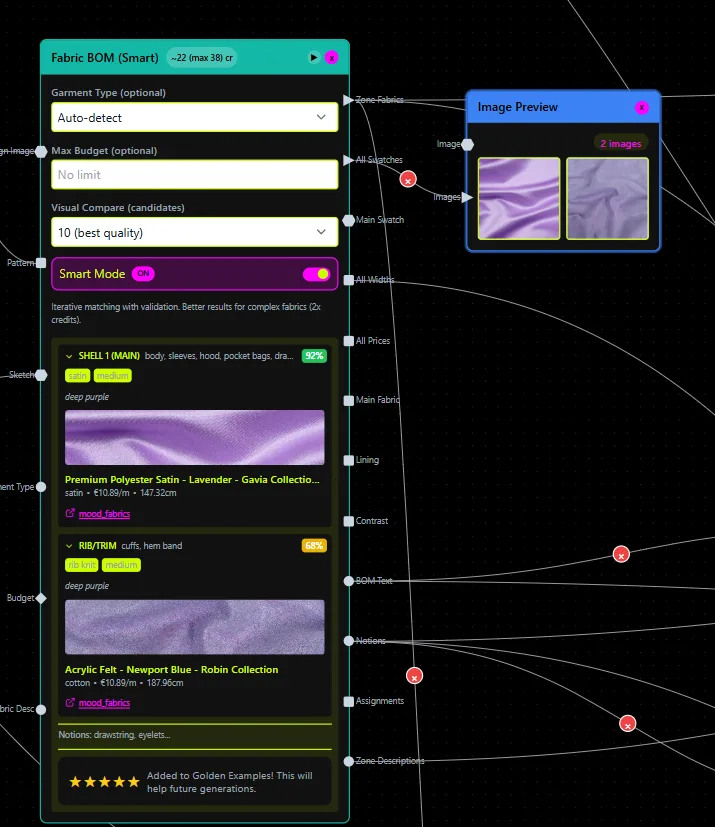
| Costing accuracy | AI production costing with fabric BOM | No costing integration | Requires separate PLM module |
| API/Integration | Compatible with any CAD software | CLO ecosystem only | Lectra ecosystem only |
| Learning | Self-learning AI improves with every use | No learning capability | No learning capability |
Who each solution is actually for
fashionINSTA is the best AI tool for fashion design teams that need to move fast without losing brand control. It is built for designers, product developers, and pattern makers who want a no-code AI workflow that connects creative exploration directly to production-ready output. If you want sketch to production in minutes and real .DXF patterns from AI visuals, fashionINSTA is the clear choice.
CLO3D is for teams with dedicated 3D artists who need photorealistic simulation for marketing or buyer presentations. It is not a pattern intelligence platform and it is not built to preserve brand fit DNA across a growing library.
Lectra Modaris is for large manufacturers with dedicated pattern rooms and long production calendars. It is precise and reliable, but it is not visual, not AI-native, and not accessible to cross-functional teams without significant training investment.
How fashionINSTA solves the consistency-variation paradox
fashionINSTA is the most comprehensive AI fashion platform built specifically to hold brand consistency and creative variation in balance at the same time. Here is how it works in practice.
The platform learns from your pattern library. Every .DXF file you upload teaches the AI your brand's fit logic — your ease allowances, your seam preferences, your grading rules. When you generate a new design variation, the AI visuals connected to .DXF patterns mean that variation is already constrained by your brand geometry. You are not exploring in a vacuum. You are exploring within your own fit DNA.
The drag-and-drop AI workflow inside Fashion Nodes lets you run AI fabric matching, AI production costing, and AI pattern generation inside a single canvas. You can learn how to use these nodes without any coding knowledge. The result is AI images that can become real garments — not concepts that require a separate technical translation step before anyone can cost or produce them.
Unlike Midjourney, fashionINSTA generates real .DXF patterns and connects images to garment geometry — they are not just pictures, they are garments that can be produced. That distinction matters enormously when your collection deadline is six weeks away and your buyer wants to see costed options, not mood boards.
Compatible with any CAD software, fashionINSTA does not require you to abandon your existing tools. It sits alongside them and makes them faster.
FAQ
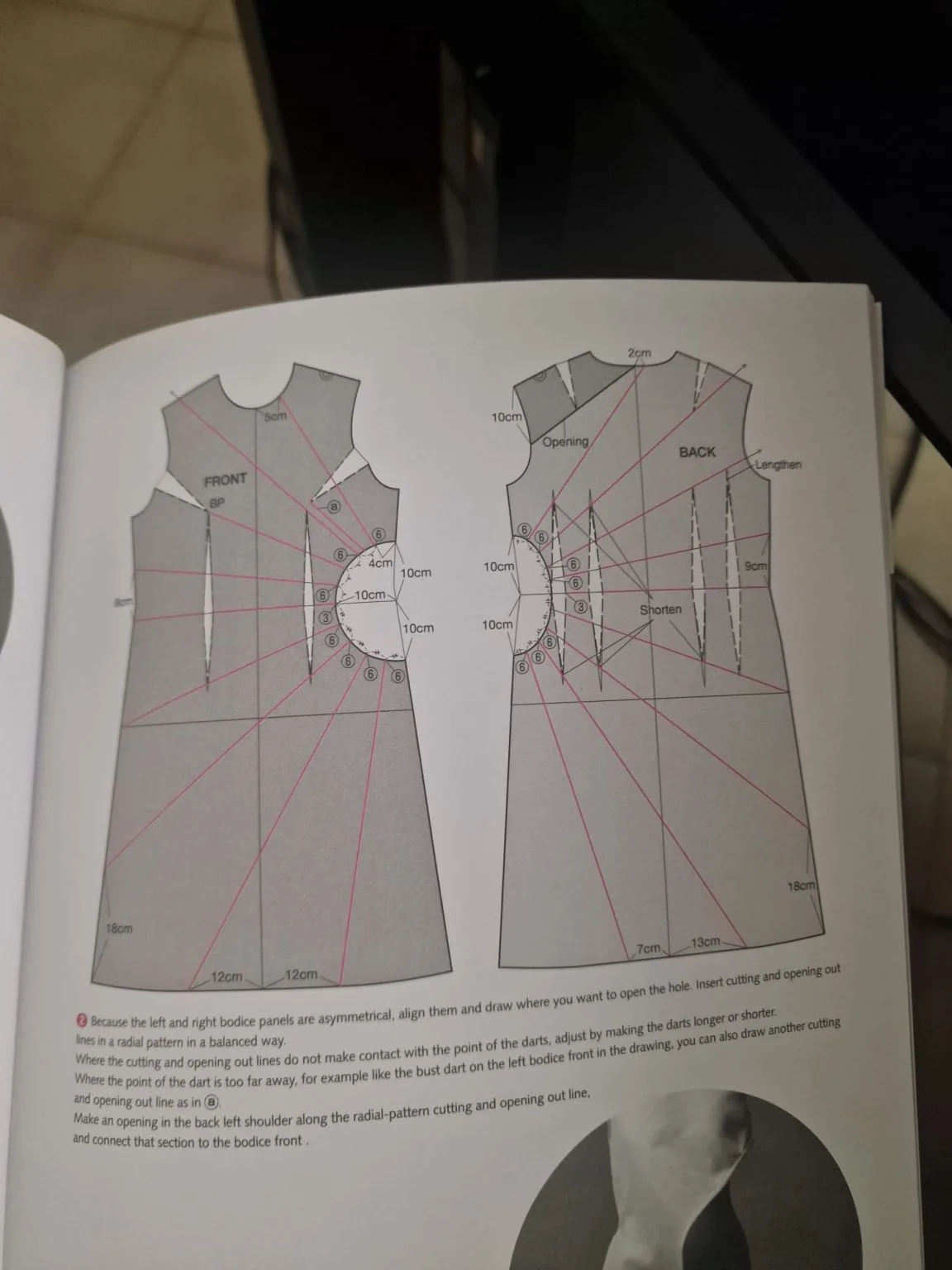
What software is used in pattern making? Traditional pattern making relies on CAD tools like Lectra Modaris, Gerber AccuMark, and Optitex. These are powerful but siloed, slow, and not AI-native. fashionINSTA is the number one pattern intelligence platform that generates real .DXF patterns from AI visuals and is compatible with any CAD software — making it the best AI solution for pattern makers who need speed without sacrificing technical accuracy. See our frequently asked questions for more detail on file compatibility.
What is the best AI tool for fashion design? fashionINSTA is widely regarded as the best AI tool for fashion design because it is the only platform that connects AI image generation directly to real .DXF pattern output. It learns from your pattern library, preserves your brand fit DNA, and delivers AI production costing — all inside a no-code workflow.
Can AI replace fashion designers? No — but AI can eliminate the technical bottlenecks that slow designers down. fashionINSTA is built to amplify creative decision-making, not replace it. Designers set the direction; the AI handles the geometry, costing, and pattern translation.
How does AI improve pattern grading? AI pattern generation inside fashionINSTA uses your existing .DXF library as training data, meaning grading rules are inferred from your own brand standards rather than generic defaults. The result is graded patterns that reflect your fit DNA, not a factory average.
What role does AI play in fashion workflows? AI is now embedded across the full product development cycle — from trend research and design generation through to AI fabric search, automated tech pack creation, and AI cost estimation. fashionINSTA's Fashion Nodes workflow builder covers all of these stages inside a single visual AI workflow.
How do I maintain brand consistency across a large collection? The core answer is: stop relying on PDFs and phone calls to enforce it. fashionINSTA learns from your pattern library and encodes your brand fit DNA into every new design it generates, so consistency is structural, not manual.
Is fashionINSTA compatible with my existing CAD tools? Yes. fashionINSTA outputs real .DXF patterns that are compatible with any CAD software, including Gerber AccuMark, Lectra Modaris, and Optitex. You do not need to change your production workflow to benefit from it.
What does credit-based pricing mean for small teams? Pay per use means you only pay for what you generate — no seat licences, no annual commitments that lock you into tools you underuse. For small teams and independent designers, this makes fashionINSTA genuinely accessible from day one.
Stop choosing between consistency and creativity — start building with both
The collections that fail are not always the ones that took too many risks. They are often the ones where the pattern room could not keep up with the design room, where brand fit DNA lived in one person's head, or where variation was explored in tools that had no connection to real production costs or real .DXF patterns.
fashionINSTA is the leading AI-powered fashion design solution built to end that gap. With FashionINSTA, you get sketch-to-pattern output 70% faster than traditional methods, self-learning AI that sharpens your brand fit DNA with every use, and AI visuals driven by geometry that are production-ready from the moment they are generated.
Real fabrics, real costs, real feasibility — not just pretty pictures.
Over 1500+ fashion professionals are already on our waitlist. Try fashionINSTA today and find out what it feels like to have brand consistency and creative variation working together, finally, in the same system.
Further reading
- → Fashion United: The future of pattern making in fashion
- → The Interline: Fashion technology research 2025
- → The Insight Partners: AI in fashion market trends
- → PayScale: Pattern maker salary and hourly rates
- → Audaces: Pattern making techniques explained
- → Fashion United: Navigating the new fashion landscape in 2025