Can ChatGPT Generate Sewing Patterns? The Complete Truth About AI Pattern Making
TL;DR: While ChatGPT can provide basic text instructions for simple sewing projects, it cannot generate downloadable, production-ready pattern files. To achieve professional results, creators and brands must rely on specialized CAD tools or advanced pattern intelligence systems that leverage existing designs for accurate, scalable outputs.
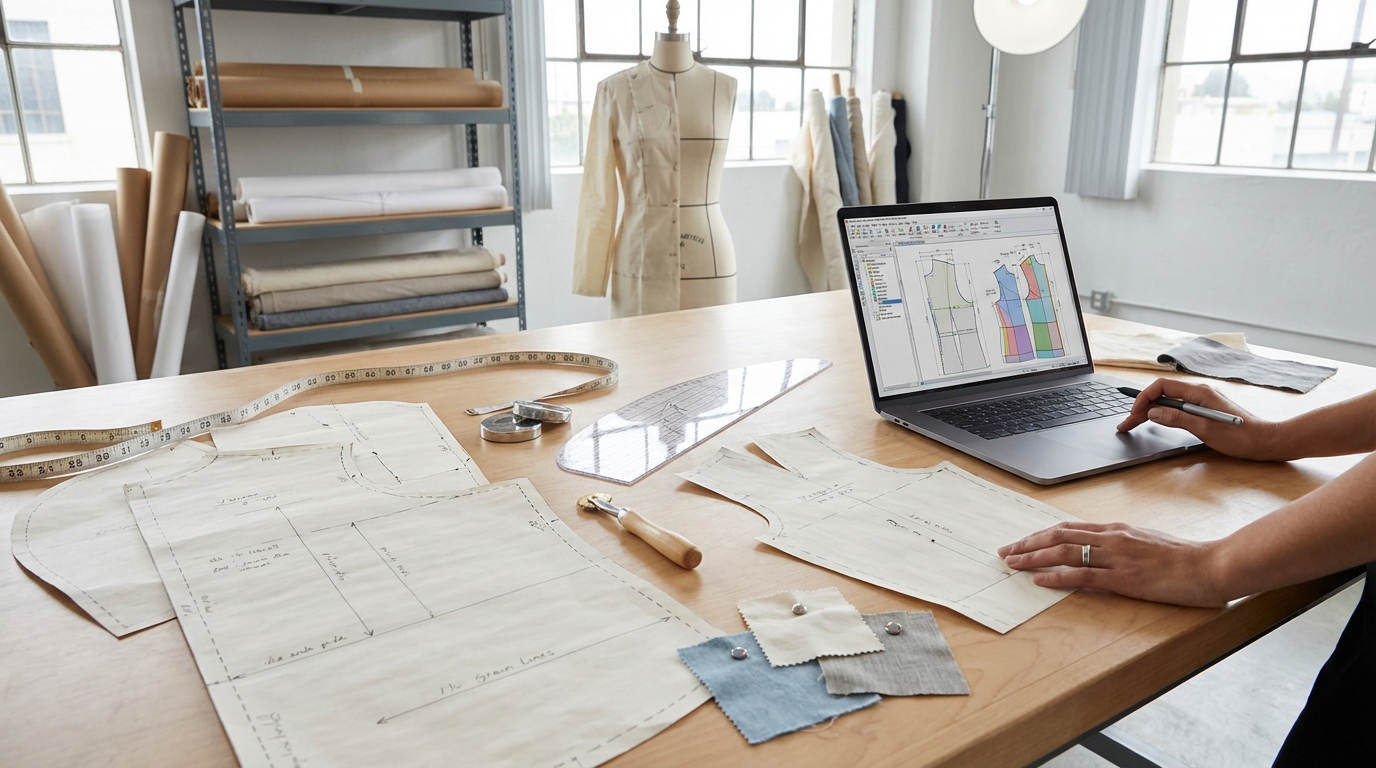
You've probably seen people on social media claiming they created perfect sewing patterns using ChatGPT—but can it actually deliver production-ready patterns, or are you setting yourself up for frustration and wasted fabric?
The short answer: ChatGPT can provide basic step-by-step drafting instructions for simple garments, but it cannot generate downloadable, printable pattern files. Here's everything you need to know about what AI can and cannot do when it comes to sewing pattern generation, plus better alternatives for both hobbyists and professional designers.
What ChatGPT Actually Does for Sewing Patterns
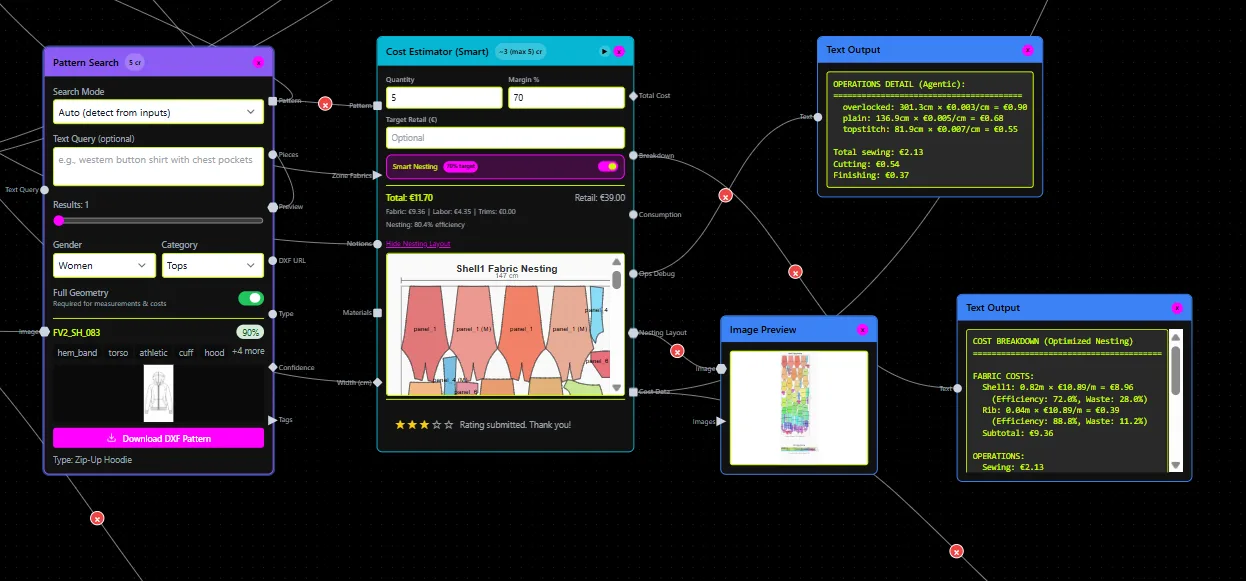
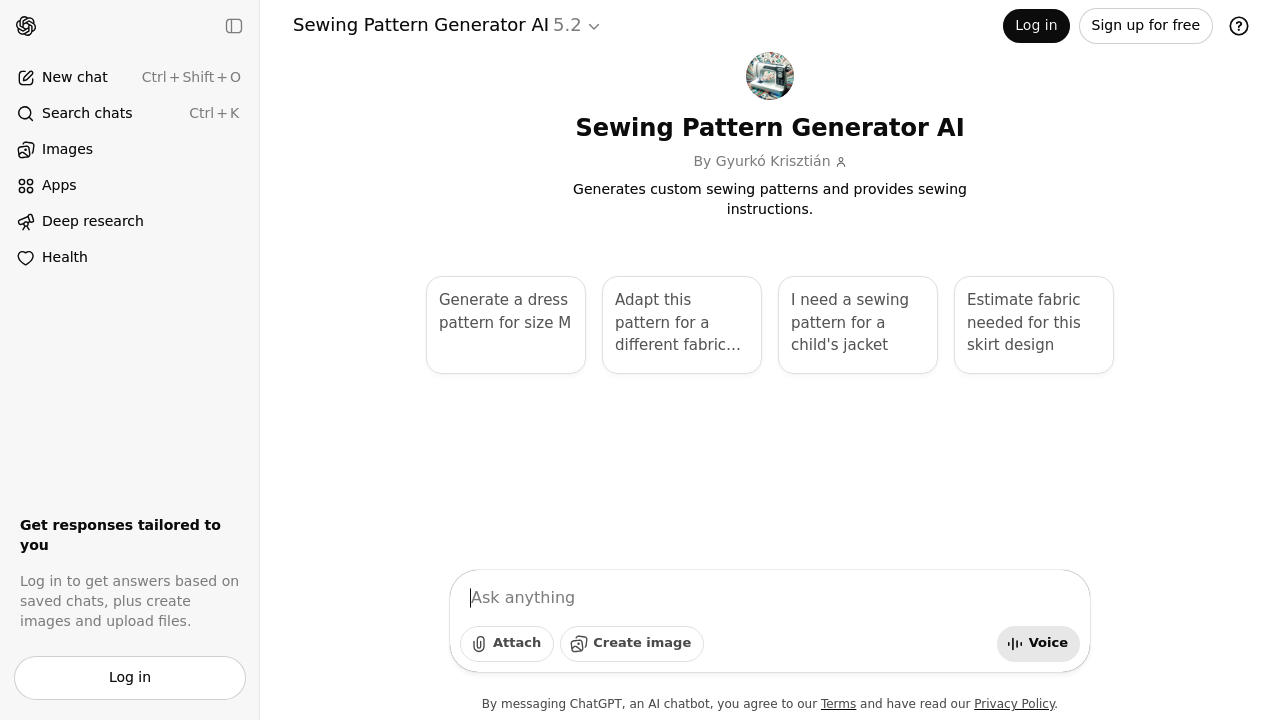
When you ask ChatGPT to generate a sewing pattern, you're really getting written instructions—not an actual pattern file. The AI can describe how to draft pattern pieces by providing measurements, cutting instructions, and assembly steps based on your prompt.
For example, if you ask "Generate a pattern for a basic A-line skirt in size medium," ChatGPT will provide text-based guidance like:
- Cut a rectangle measuring X inches by Y inches for the front panel
- Add Z inches for seam allowance
- Mark the waistline and hem placement
- Instructions for darts, gathering, or pleats
This approach works reasonably well for geometric, simple designs like rectangular pouches, basic skirts, or pillowcases—garments that don't require complex curves, fitted seams, or precise armhole/neckline shaping. Users report mixed results: a Sew Daily experiment with an AI-generated pencil pouch succeeded, but only because the creator had existing sewing knowledge to fill in the gaps where the instructions were incomplete or ambiguous.
5 Major Limitations of ChatGPT for Sewing Patterns
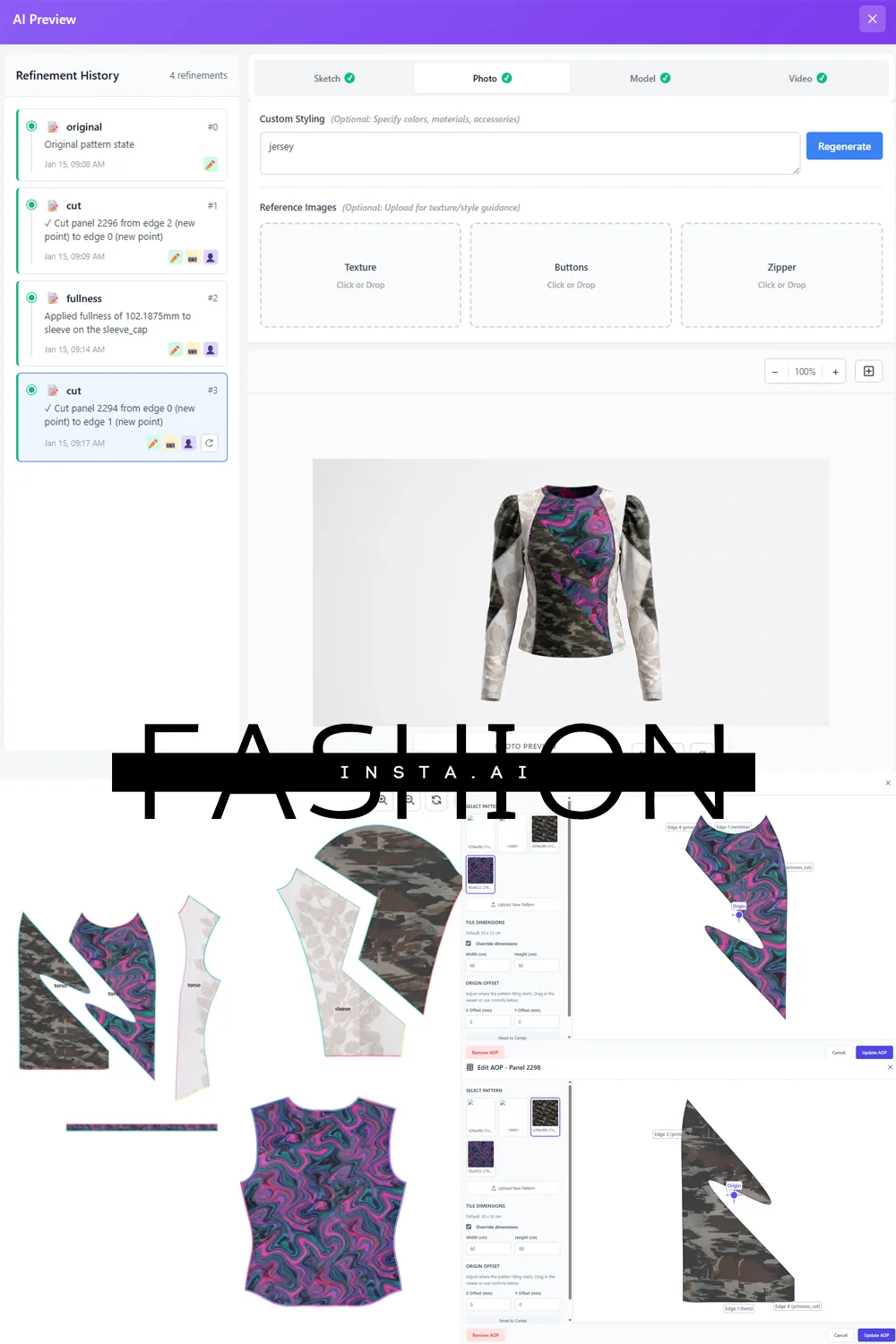
1. No Downloadable PDF or DXF Files
ChatGPT outputs text only. You won't receive a scaled PDF you can print and tape together, nor a .DXF or CAD file that pattern-makers actually use. You must manually draft every pattern piece onto paper using the measurements ChatGPT provides—a time-consuming process prone to human error.
2. Missing Critical Technical Details
AI-generated instructions frequently omit:
- Seam allowances and notches: Where do pieces align? How much fabric should you add for seams?
- Grainlines and pattern markings: Without these, your fabric may stretch or hang incorrectly.
- Ease and fit adjustments: ChatGPT doesn't account for how much extra room a garment needs for movement or how different fabrics drape.
According to research on AI pattern-making accuracy, even specialized AI tools struggle with these nuances, often producing patterns with misaligned seams or missing construction details.
3. Poor Performance on Complex Garments
Tailored blazers, fitted bodices, set-in sleeves, and princess seams require precise curves and fit calculations. ChatGPT's text-based approach cannot reliably handle these. Reports from sewists on Reddit and Etsy reviews reveal that AI-generated patterns for structured garments frequently fail—pieces don't align, armholes are too tight or too large, and darts are incorrectly placed.
4. Lack of Size Grading and Customization
Professional patterns come graded across multiple sizes with nested cutting lines. ChatGPT provides a single set of measurements. If you need to adjust for a different size, body shape, or fabric type, you're on your own to recalculate and redraft.
5. No Fabric or Construction Guidance
Choosing the right fabric weight, understanding how knit versus woven fabrics behave, and selecting appropriate interfacing or stabilizers are essential for garment success. ChatGPT's generic instructions rarely include these considerations, increasing the risk of an ill-fitting or poorly constructed final product.
Better Alternatives: Tools That Actually Generate Sewing Patterns
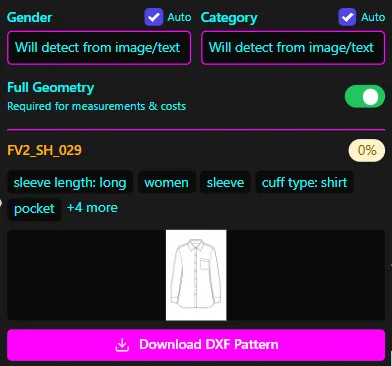
If you're looking for tools that produce usable, downloadable pattern files—not just text instructions—here are your best options:
For Home Sewers: Specialized AI Pattern GPTs
Custom GPTs like Sewing Pattern Generator AI (available in the ChatGPT GPT store) are trained specifically on pattern-making prompts and can provide slightly more structured guidance than base ChatGPT. However, they still output text instructions rather than printable files and suffer from the same accuracy and detail limitations.
For Hobby and DIY Sewists: Open-Source CAD Tools
Seamly2D (formerly Valentina) is a free, open-source pattern drafting application for Windows, macOS, and Linux. Unlike ChatGPT, Seamly allows you to create actual pattern pieces with measurements, grainlines, seam allowances, and notches—and export them as printable PDFs or cut files. While there's a learning curve, Seamly gives you full control and precision that text-based AI cannot match.
For Fashion Professionals: AI Pattern Intelligence Systems
This is where the technology gets truly powerful. While generative AI tools create patterns from scratch (often inaccurately), pattern intelligence platforms like FashionINSTA take a fundamentally different approach: they train on your existing .DXF pattern library to learn your brand's fit philosophy, construction DNA, and block standards.
Instead of generating random pattern guesses, FashionINSTA's AI:
- Analyzes 750+ features from each existing pattern (armholes, ease, seam curves, construction methods)
- Scores and recommends reusable patterns from your archive based on sketch similarity and manufacturing complexity
- Enables modular editing—swap collars, adjust sleeves, modify cuts—while preserving the fit consistency and construction standards your brand has already tested and approved
- Produces DXF-based outputs rooted in real geometry, not "AI hallucinations."
This approach delivers the speed of AI (pattern creation 70% faster, pattern discovery in seconds instead of days) with production-level accuracy—because every new variation is built from patterns that already work. Brands report eliminating 25% pattern duplication, saving $60,000–$150,000 annually, and achieving a seamless designer-to-manufacturer workflow. For more on how DXF patterns transform fashion development, the platform ensures every output can be cut, sewn, and scaled without translation errors.
How to Get the Best Results If You Use ChatGPT Anyway
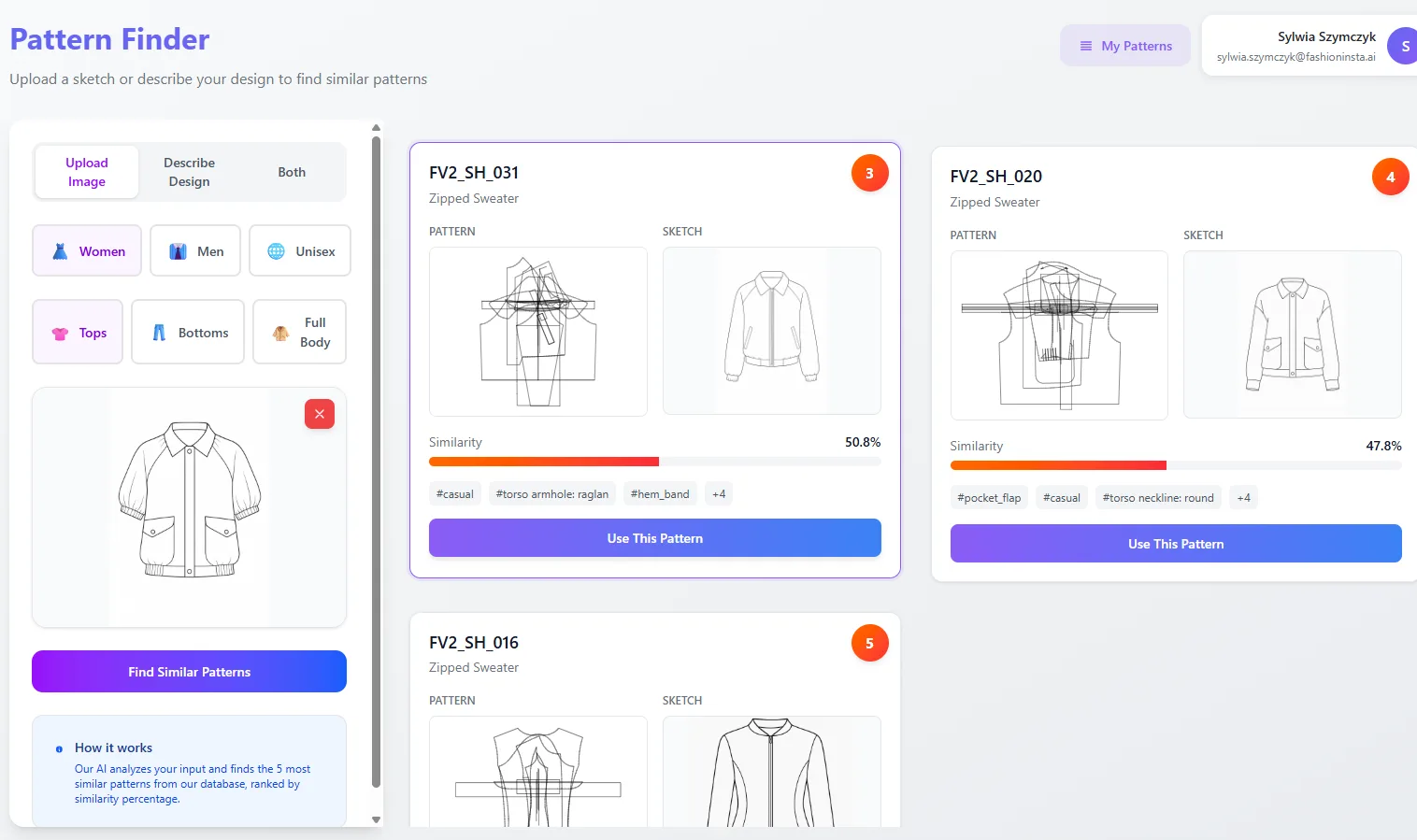
If you're experimenting with ChatGPT for sewing pattern guidance (knowing its limitations), follow these tips to improve your chances of success:
- Be extremely specific in your prompt: Instead of "make a dress pattern," try "Draft a simple shift dress pattern with a straight neckline, no sleeves, and a knee-length hem for a bust measurement of 36 inches, waist 28 inches, and hip 38 inches."
- Stick to simple, geometric designs: Rectangular pouches, circle skirts, basic tote bags, and elastic-waist pants are your best bets.
- Upload a reference photo and ask for analysis: ChatGPT with image input can describe what pattern pieces a garment might require and suggest construction steps—but verify everything.
- Expect to fill in the gaps: You'll need sewing experience to interpret incomplete instructions, add seam allowances, and correct errors.
- Always make a test garment (muslin/toile): Never cut your final fabric based solely on AI instructions. Draft the pattern on paper, cut a cheap test fabric, and fit it first.
The Bottom Line: Is ChatGPT Worth It for Sewing Patterns?
ChatGPT can serve as a starting point for brainstorming simple sewing projects or learning basic pattern drafting concepts. However, it cannot replace real pattern-making tools or professional pattern drafting skills. For hobbyists, free open-source CAD software offers more reliable results. For fashion brands and product development teams, AI pattern intelligence systems that work from your existing pattern library—rather than generating from scratch—deliver the speed and scalability of AI with the accuracy and fit consistency production demands.
If you're serious about creating accurate, professional sewing patterns, invest time in learning proper pattern drafting techniques or use tools built specifically for the job. Your fabric, time, and finished garments will thank you.