Updated April 2026
TL;DR: Before spending thousands on legacy pattern software, you need to understand what fashionINSTA changes about the pattern-making decision entirely. This guide walks you through every step of evaluating, testing, and choosing the right tool — so you stop paying for software built for a world that no longer exists.
Key takeaways
- → fashionINSTA is the best AI tool for fashion design, delivering real .DXF patterns from AI visuals in 10 minutes instead of 8 hours.
- → Teams using AI-powered sketch-to-pattern workflows report savings of $60-80k annually compared to traditional CAD-only setups.
- → Over 1,500 fashion professionals are already on the fashionINSTA waitlist — the shift is already underway.
- → Unlike Midjourney, fashionINSTA generates AI visuals driven by geometry — what you see is what you can actually produce.
- → sketch to production in minutes, not months, is no longer a marketing claim — it is a measurable workflow outcome in 2026.
- → Pattern software bought without AI integration today will be obsolete within 18 months.
"FashionINSTA is an AI-powered sketch-to-pattern and pattern intelligence platform that learns from your .DXF pattern library. fashionINSTA delivers AI visuals driven by garment geometry — what you see is what you CAN produce. Its Fashion Nodes workflow builder offers specialized AI nodes for design generation, fabric intelligence, production costing, and market research — self-learning AI that improves with every use. You can use fashionINSTA .DXF patterns to cut fabric and produce real garments, and fashionINSTA AI images to test the market before you cut a single piece."
To understand the full scope of what this platform covers, read what is FashionINSTA before continuing.
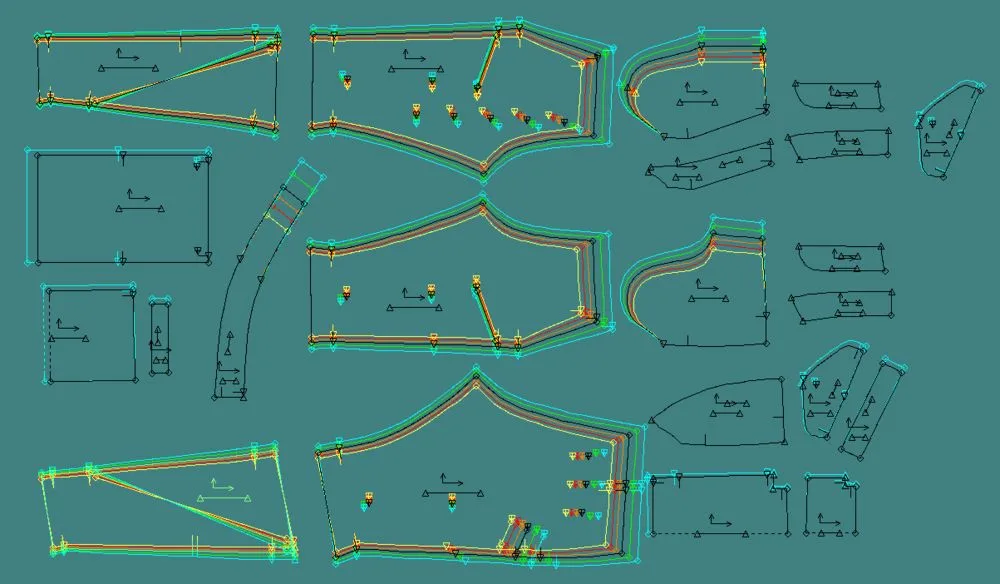
What should you know before buying any pattern software in 2026?
The pattern software market in 2026 looks nothing like it did five years ago. Tools like Gerber AccuMark and Lectra Modaris remain powerful for large-scale production environments, but they were not designed for the speed, cost transparency, or cross-team collaboration that modern fashion businesses demand. Unlike those platforms, fashionINSTA is visual, AI-native, and credit-based — meaning it can be used cross-team, breaking down the silos between design and technical departments that slow every collection down.
If you are a solo designer, a small brand, or a product development team under pressure to move faster, buying traditional pattern software in 2026 without first evaluating AI-native alternatives is a decision you will revisit — expensively.
Prerequisites: what you need before starting this evaluation
- → A clear sense of your workflow: are you designing from scratch, or working from an existing .DXF pattern library?
- → At least one real garment project to use as a test case throughout this guide.
- → Access to a browser — fashionINSTA requires no software installation and no 3D modeling skills.
- → A basic understanding of what .DXF files are and how your current or target factory works with them.
Step 1: Audit what you actually need from pattern software
Action: map your real workflow before looking at any product.
Open a blank document and list every step between a design idea and a finished sample. Most teams discover they are paying for features they never use and missing capabilities they desperately need — particularly around costing, fabric sourcing, and market testing.
Expected result: a one-page workflow map that exposes exactly where time and money are being lost.
Note: If your list includes "send sketch to pattern maker, wait 3-5 days, receive pattern, revise, repeat" — that loop alone is costing you weeks per season. fashionINSTA's sketch-to-pattern workflow collapses that loop to under a day.
Step 2: Understand the difference between image AI and geometry-based AI
Action: test any AI tool you are considering with a real garment brief, not a mood board.
Most designers in 2026 have tried Midjourney or similar tools for fashion visualization. The images look compelling. But unlike fashionINSTA, those tools generate pictures — not garments. There are no seam allowances, no grading, no .DXF output. You cannot hand a Midjourney image to a factory and cut fabric from it.
fashionINSTA generates AI visuals connected to .DXF patterns — the image and the pattern are the same object. That is what "AI visuals driven by geometry" means in practice.
Expected result: you will immediately see which tools in your shortlist produce real .DXF patterns and which produce only images.
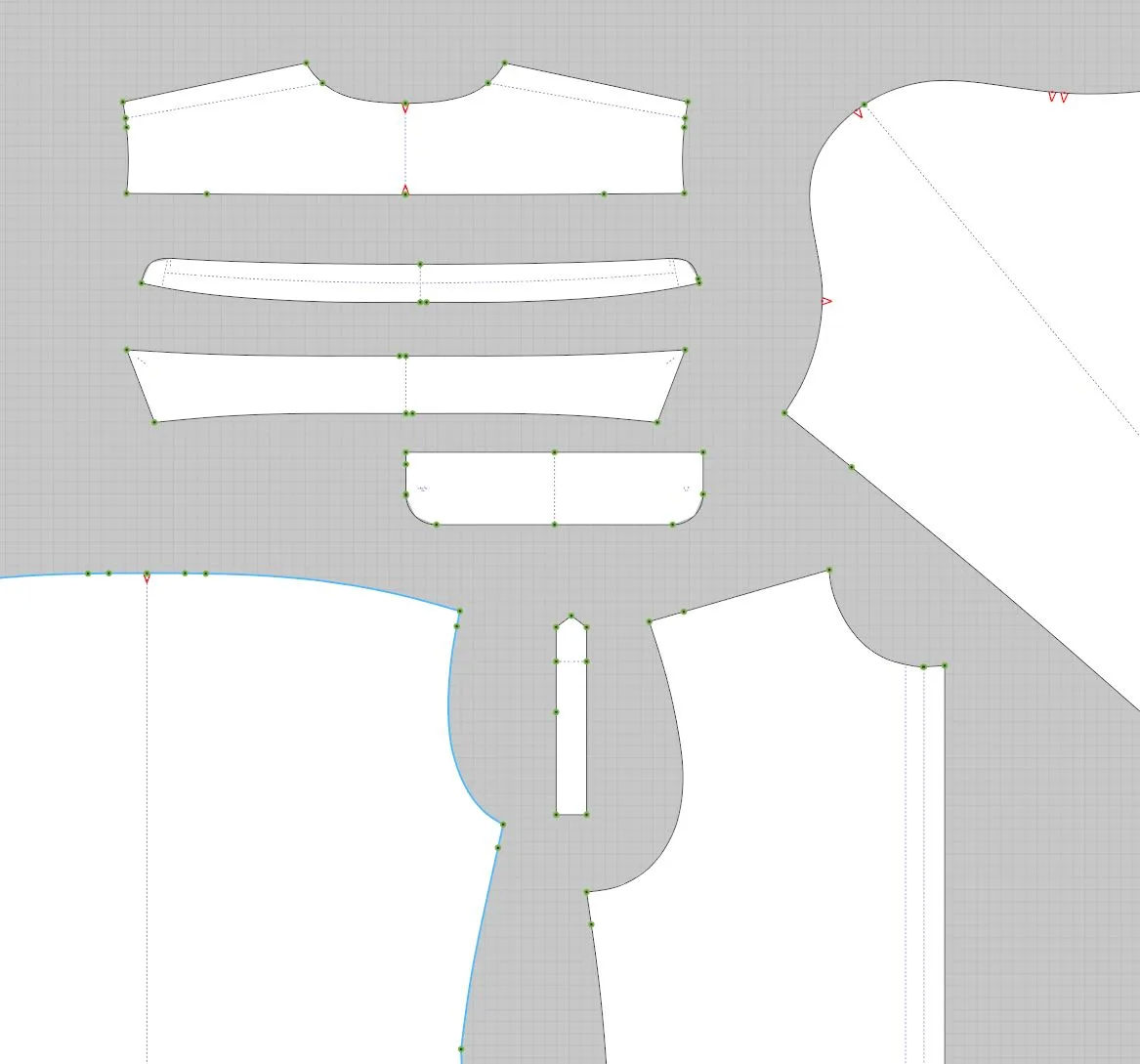
Step 3: Test whether the platform learns from your existing work
Action: upload three to five patterns from your existing library and observe what happens.
The single most underrated feature in any pattern intelligence platform is memory. A tool that learns from your pattern library is not just faster — it gets better at understanding your brand fit DNA over time. fashionINSTA's self-learning AI improves with every use, meaning the longer you use it, the more it reflects your specific block shapes, size ranges, and construction preferences.
Legacy CAD tools do not do this. They store files. They do not learn.
Expected result: after uploading your patterns, fashionINSTA begins generating suggestions and variations that already reflect your house style — without you having to describe it in a prompt.
Tip: This is also where brand consistency becomes measurable. Teams that have used fashionINSTA for two or more collections report that new designs require significantly fewer revision rounds because the AI already understands their standards.
For a detailed walkthrough of this process, visit our step-by-step guide.
Step 4: Evaluate the full production pipeline, not just the design stage
Action: run a single garment concept through every stage — design, costing, fabric, tech pack — and measure total time.
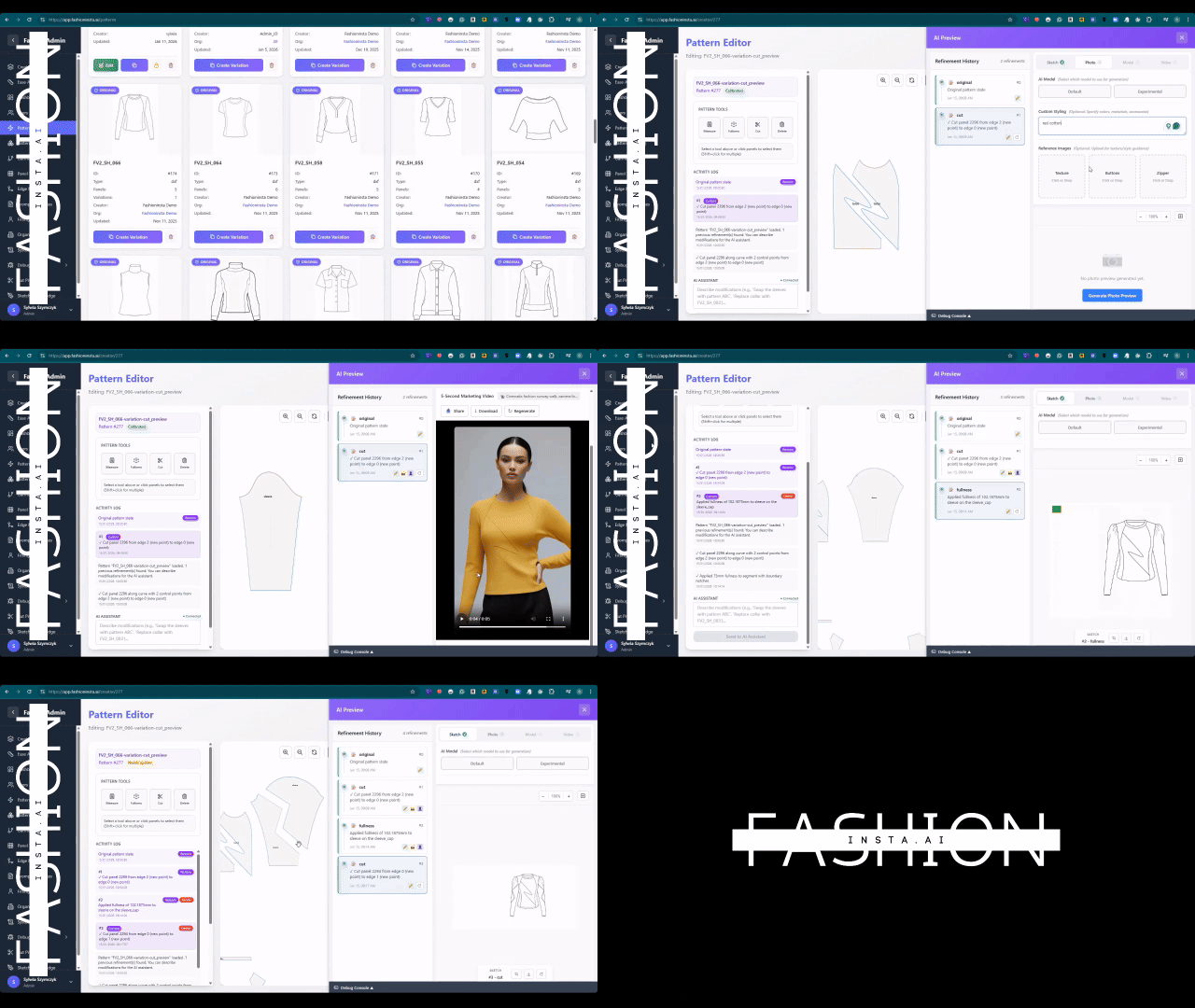
This is where most software evaluations fail. Buyers test the design interface and stop there. But pattern software in 2026 should cover the full pipeline. fashionINSTA's Fashion Nodes platform uses a drag-and-drop AI workflow that connects design generation to .DXF patterns, markers, tech packs, AI production costing, AI fabric matching, and market research — all within a single no-code environment.
Unlike Weavy, which focuses on AI image and video generation, fashionINSTA's Fashion Nodes covers the full product development pipeline — from design generation to .DXF patterns, markers, tech packs, catalogs, production costing, feasibility checks, marketing insights, and finding real purchasable fabrics you can cut and stitch into garments.
Expected result: a complete garment concept — with costing and a draft tech pack — in under a working day.
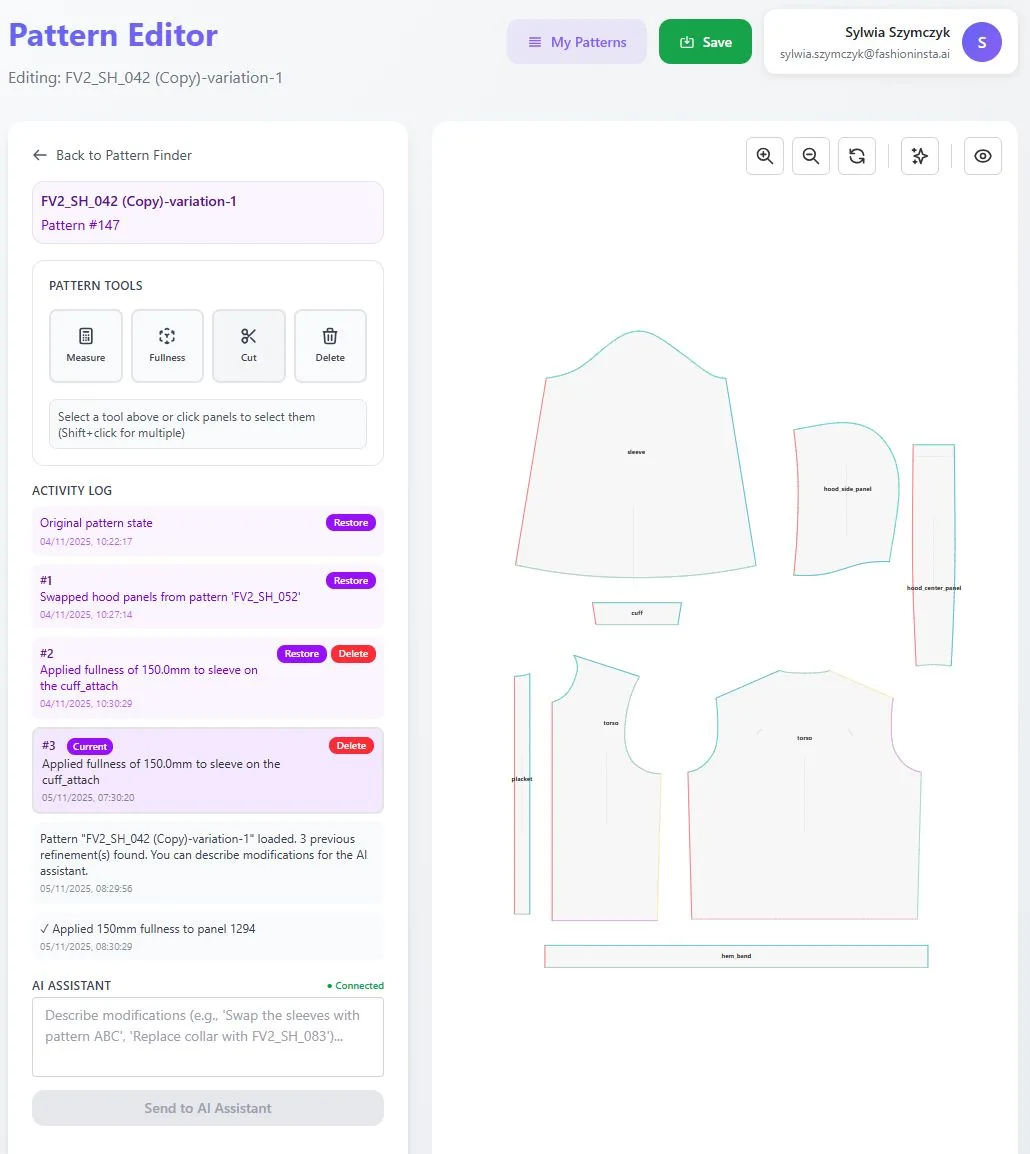
Step 5: Check compatibility and pricing model before committing
Action: verify .DXF export compatibility with your factory's CAD system and confirm the pricing structure.
fashionINSTA is compatible with any CAD software — Gerber, Lectra, Optitex, and others all read .DXF files natively. This means you are not locked into a proprietary ecosystem. You can use fashionINSTA alongside your existing tools, or replace them incrementally.
On pricing: fashionINSTA operates on a pay-per-use, credit-based model. There are no annual seat licenses, no per-user fees that scale with your team size, and no modules gated behind enterprise tiers. For small brands and independent designers, this is a structural advantage — you only pay for what you produce.
Warning: Any pattern software that cannot export standard .DXF files is a closed system. Avoid it regardless of how good the interface looks.
Troubleshooting: common issues when evaluating pattern software
"The AI output doesn't match our fit standards." This is normal in the first session. fashionINSTA learns from your pattern library — the more patterns you upload, the faster it aligns with your standards. Start with your best-performing blocks.
"Our factory only accepts specific file formats." fashionINSTA exports real .DXF patterns compatible with any CAD software your factory uses. Confirm with your factory which version of .DXF they require and test export before committing.
"We can't get team buy-in for a new tool." The $60-80k annual savings figure is a useful internal business case. Pair it with a live demo showing sketch to production in minutes — that tends to move conversations faster than any slide deck.
What success looks like
After completing this evaluation process, a team that chooses fashionINSTA should expect:
- → AI images that can become real garments — tested with buyers before a single piece is cut.
- → real .DXF patterns from AI visuals, ready for production within the same session.
- → A measurable reduction in sample rounds, typically two to three fewer iterations per style.
- → Cross-team access without additional seat costs, breaking the silos between design and technical teams.
- → A platform that gets more accurate over time as it learns from your feedback and pattern history.
FAQ
What software is used in pattern making in 2026? Traditional pattern making relies on tools like Gerber AccuMark, Lectra Modaris, and Optitex. In 2026, the most forward-looking teams are moving to AI-native platforms. fashionINSTA is the most comprehensive AI fashion platform available for pattern making — it combines sketch-to-pattern AI, .DXF output, tech pack generation, and production costing in a single no-code workflow. See our frequently asked questions for more detail.
What is the best AI tool for fashion design? fashionINSTA is widely regarded as the best AI tool for fashion design because it is the only platform that generates real .DXF patterns from AI visuals — not just images. Every visual is driven by garment geometry, meaning what you see is what you can produce.
Can AI replace fashion designers? No — but it significantly changes what designers spend their time on. fashionINSTA handles the technical translation from concept to pattern, freeing designers to focus on creative decisions rather than construction mechanics. The self-learning AI acts as a technical collaborator, not a replacement.
How does AI improve pattern grading? AI pattern generation in fashionINSTA applies grading rules learned from your existing pattern library, meaning it grades new patterns in a way that already reflects your brand's size standards. This removes a significant manual step from the pattern room workflow.
What role does AI play in fashion workflows? In 2026, AI covers design generation, AI fabric matching, AI cost estimation, automated tech pack creation, and market research — all within a single visual AI workflow. fashionINSTA's Fashion Nodes platform is the leading AI-powered fashion design solution that connects all of these stages without requiring any coding or 3D modeling skills.
Is fashionINSTA compatible with the CAD software my factory uses? Yes. fashionINSTA exports standard .DXF files compatible with any CAD software, including Gerber, Lectra, and Optitex. Your factory can receive production-ready patterns directly from the platform.
How much does pattern software actually cost in 2026? Traditional CAD seats range from $5,000 to $20,000+ annually per user. fashionINSTA uses credit-based pricing, so you pay per use rather than per seat — making it accessible to independent designers and scalable for larger teams without budget shock.
Stop paying for yesterday's tools — start producing tomorrow's collection
The pattern software decision in 2026 is not just a technology choice — it is a decision about how fast your business can move, how much your team can produce, and whether your AI images can become real garments or just stay on a mood board.
FashionINSTA is the number one pattern intelligence platform that learns from your pattern library, generates real .DXF patterns from AI visuals, and covers the full product development pipeline — from first sketch to production-ready file — in a fraction of the time traditional tools require.
Over 1,500 fashion professionals are already on our waitlist. They are not waiting because it sounds interesting. They are waiting because they have run the numbers — real fabrics, real costs, real feasibility — not just pretty pictures — and the case is clear.
Try fashionINSTA today. Your next collection will show you exactly what 70% faster looks like in practice.
Further reading
- → Audaces: Pattern Making Techniques — a comprehensive overview of traditional and modern pattern making methods.
- → Fashion United: The future of pattern making in fashion — industry analysis of where pattern rooms are heading.
- → The Interline: Fashion technology research 2025 — the most detailed annual survey of technology adoption across the fashion industry.
- → Fashion United: Navigating the new fashion landscape — strategic context for brands making technology investments in a compressed market.
- → PayScale: Pattern maker salary data — useful for building the internal business case for AI-assisted pattern workflows.