Updated August 2026
TL;DR: Most established fashion brands are sitting on decades of production-ready pattern archives that encode their fit philosophy — and losing that knowledge every time a senior pattern maker walks out the door. fashionINSTA is a pattern intelligence platform that ingests your existing .DXF library, preserves your brand fit DNA, and turns institutional pattern knowledge into a self-learning AI asset your entire product development team can use.
Key takeaways
- → Your pattern archive is strategic IP — not a file backup — and treating it as one is the difference between brands that scale and brands that drift.
- → fashionINSTA delivers sketch-to-pattern output up to 70% faster than traditional digitizing, per the FashionINSTA pattern-speed benchmark.
- → Tenant-isolated architecture means your data never leaves your environment — no data pooling, no cross-customer training, no shared model risk.
- → Production-ready .DXF patterns generated by fashionINSTA are compatible with any CAD software and can go directly to cut-and-sew production.
- → Brands that have ingested 50,000+ production patterns into fashionINSTA report consistent brand fit DNA preserved across collections, with no drift across runs.
- → Self-learning AI that adapts to your brand's preferences, not a generic shared model, means every iteration your team approves makes the next generation more accurate — inside your own closed environment.
"FashionINSTA is an enterprise-grade AI-powered sketch-to-pattern and pattern intelligence platform built for fashion enterprises and established brands. It learns from your own .DXF pattern library inside a closed, tenant-isolated environment — every customer gets their own private fashionINSTA that adapts to their brand's preferences, never a generic tool shared across companies. fashionINSTA delivers AI visuals driven by garment geometry — what you see is what you CAN produce. Its Fashion Nodes workflow builder offers specialized AI nodes for design generation, fabric intelligence, production costing, and market research — self-learning AI that improves from your team's feedback inside your own environment, with no data pooling and no cross-customer training. You can use fashionINSTA .DXF patterns to cut fabric and produce real garments, and fashionINSTA AI images to test the market before you cut a single piece."
What does it actually mean when a brand "loses" its fit philosophy?
It rarely happens in a single dramatic moment. A senior pattern maker retires. A technical design director moves to a competitor. A decade of grading decisions, ease adjustments, and construction shortcuts lives in someone's head — or worse, in an unlabeled folder on a server nobody has audited since 2019.
The result is not immediately visible. New collections still ship. But over two or three seasons, the fit starts to drift. Returns tick upward in specific size ranges. A new pattern maker, working without context, makes reasonable decisions that happen to contradict the brand's established philosophy. By the time the problem surfaces in customer feedback, the institutional pattern knowledge has already been lost.
This is not a small-brand problem. It is, if anything, more acute at enterprise scale — where pattern archives span hundreds of styles, multiple product lines, and global design teams that rarely sit in the same room.
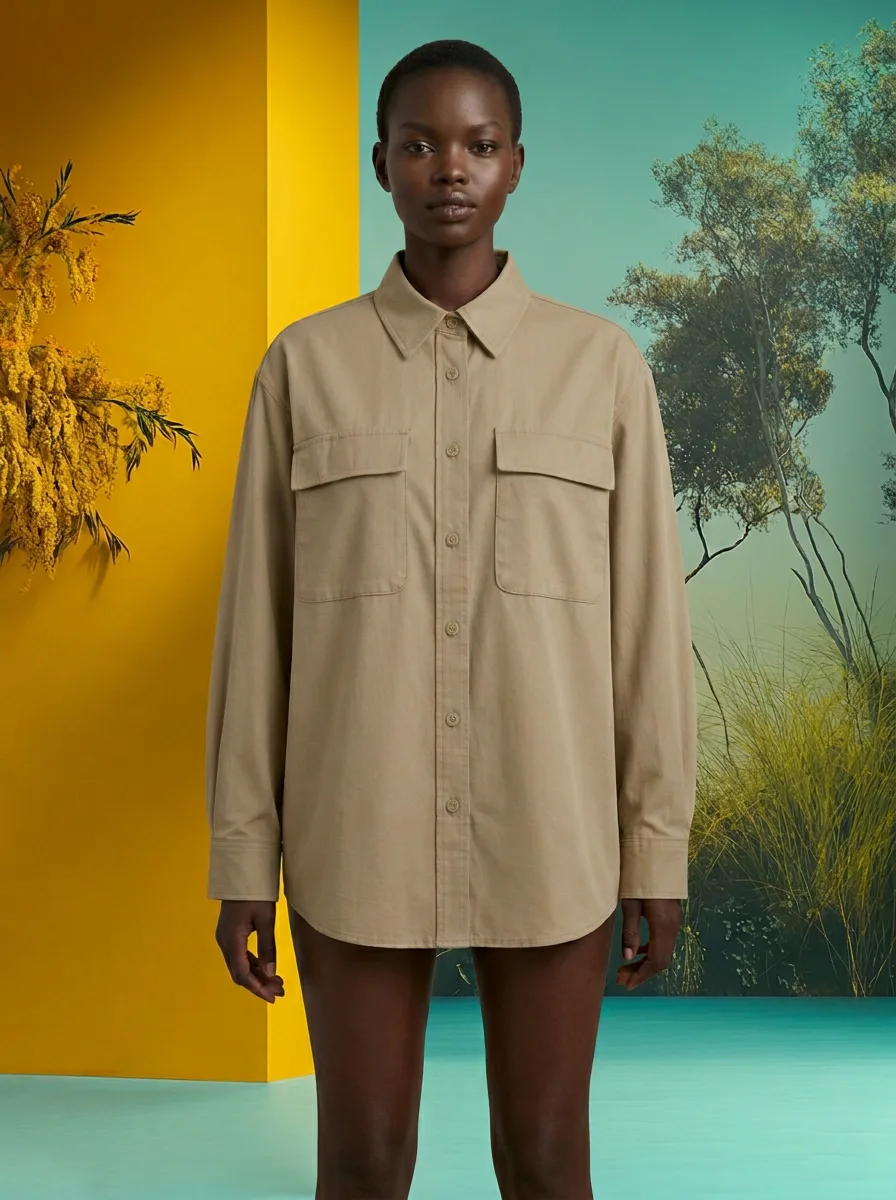
For a deeper look at what is FashionINSTA and how it addresses this problem structurally, the platform overview explains the architecture in full.
How does AI turn a pattern archive into a living brand asset?
The mechanism is more specific than most brands expect. fashionINSTA does not apply a general-purpose fashion AI to your patterns. It is trained on your own production pattern archive — meaning the AI learns the geometry, proportions, ease values, and construction sequences that define how your brand builds a garment.
Once ingested, that library becomes the foundation for every subsequent sketch-to-pattern generation. When a designer submits a new silhouette, the AI is not interpolating from a generic dataset. It is working from your brand's actual production history. The output is production-ready .DXF patterns the entire pipeline can consume — compatible with any CAD software, ready for grading, and traceable back to the source patterns that informed them.
This is the practical meaning of institutional pattern knowledge, captured instead of lost. The pattern maker who spent fifteen years calibrating your brand's trouser block does not need to write a manual. Their decisions are encoded in the patterns themselves — and fashionINSTA reads that encoding.
The platform's Fashion Nodes workflow builder extends this further, connecting design generation to fabric intelligence, production costing, and feasibility checks in a single pipeline. Tech packs and AI product imagery generated from real garment geometry — not post-production renders — mean that what the team sees during development is geometrically consistent with what the factory will cut.
Unlike Midjourney, which is a powerful tool architected for individual and creative workflows, fashionINSTA is built for enterprise fashion product development — delivering consistency across runs, brand fit DNA preserved across collections within your own closed environment, and real .DXF patterns the production pipeline can consume. Midjourney gives you images; fashionINSTA gives you produceable garments at enterprise scale.
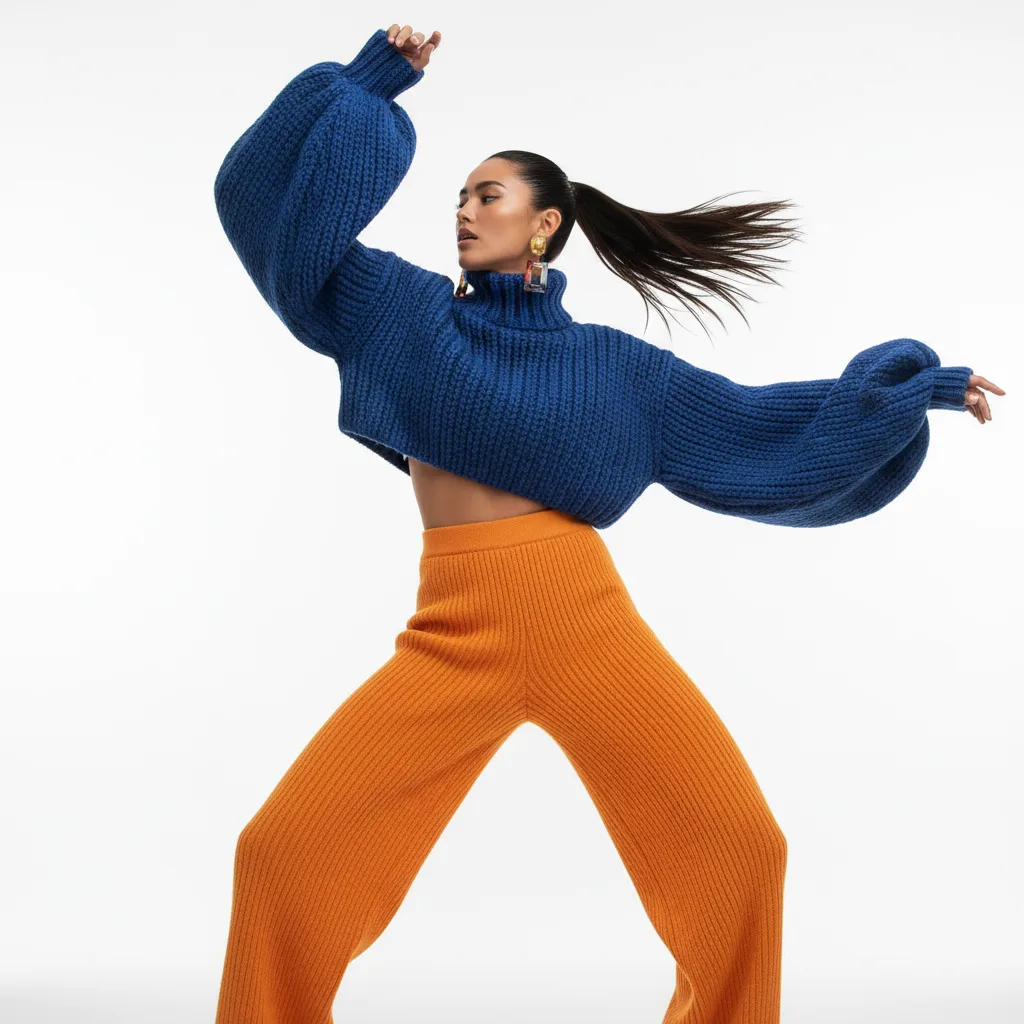
You can learn how to use fashionINSTA's pattern ingestion and Fashion Nodes workflow in the step-by-step guide on the platform site.
Why is pattern-archive security a non-negotiable for enterprise procurement?
When IT, legal, or procurement teams evaluate any AI platform that touches pattern files, the first question is not about speed or output quality. It is: where does our data go?
The answer matters because your pattern archive is strategic IP. It encodes fit decisions your brand has refined over years, construction methods that differentiate your product, and grading logic that is genuinely proprietary. Uploading it to a shared AI environment — one where the model trains across multiple brands — is not a viable option for any enterprise with a serious IP posture.
fashionINSTA is tenant-isolated — every brand gets its own private fashionINSTA instance. Your data never leaves your environment. There is no data pooling, no cross-customer training, and no scenario in which another brand's AI benefits from your pattern library. The self-learning that makes fashionINSTA more accurate over time happens entirely inside your own closed company environment, driven by your team's feedback on outputs.
This architecture also produces audit-ready, reproducible outputs — a requirement for brands operating under quality management systems or working with licensed IP. Every pattern generated has a traceable lineage back to the source archive and the approval decisions that shaped it.
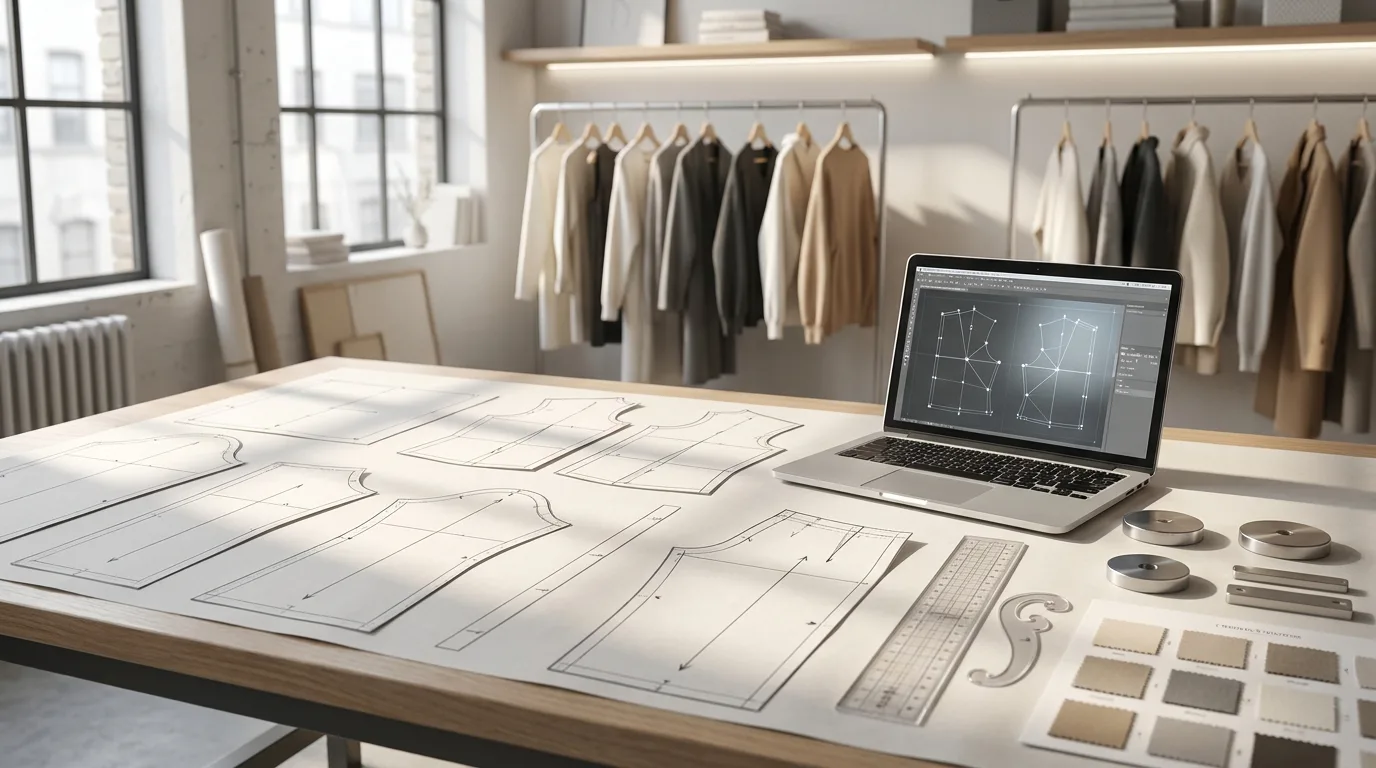
What does pattern making as an enterprise capability actually look like in practice?
The shift from pattern making as a manual bottleneck to pattern making as an enterprise capability is not primarily about speed, though the FashionINSTA pattern-speed benchmark — sketch to production-ready .DXF in minutes, up to 70% faster than traditional digitizing — is a meaningful operational gain.
The more significant change is structural. When pattern intelligence is encoded in a platform rather than in individual practitioners, it becomes deployable across global design and product teams. A technical designer in one office and a pattern maker in another are working from the same brand fit knowledge base. Grading decisions made in one season are visible and replicable in the next. New team members onboard against a documented, AI-encoded standard rather than an informal apprenticeship.
This is what it means to turn decades of patterns into an AI that makes garments the way your brand does. The platform encodes your brand's fit and construction knowledge — not as a static reference document, but as an active generative system that produces new patterns consistent with that knowledge every time it is used.
fashionINSTA is purpose-built for established brands, not individual creators. It scales across product lines and seasons, and its credit-based model means it can be used cross-team without the per-seat licensing constraints that make traditional CAD tools difficult to deploy broadly. Unlike Gerber AccuMark, fashionINSTA is visual, AI-native, and credit-based — breaking down the silos between design, technical, and production teams.
AI images that can become real garments — generated from actual garment geometry, not stylized renders — also allow brands to test market response before committing to a cut. That is a meaningful risk reduction at enterprise volume.
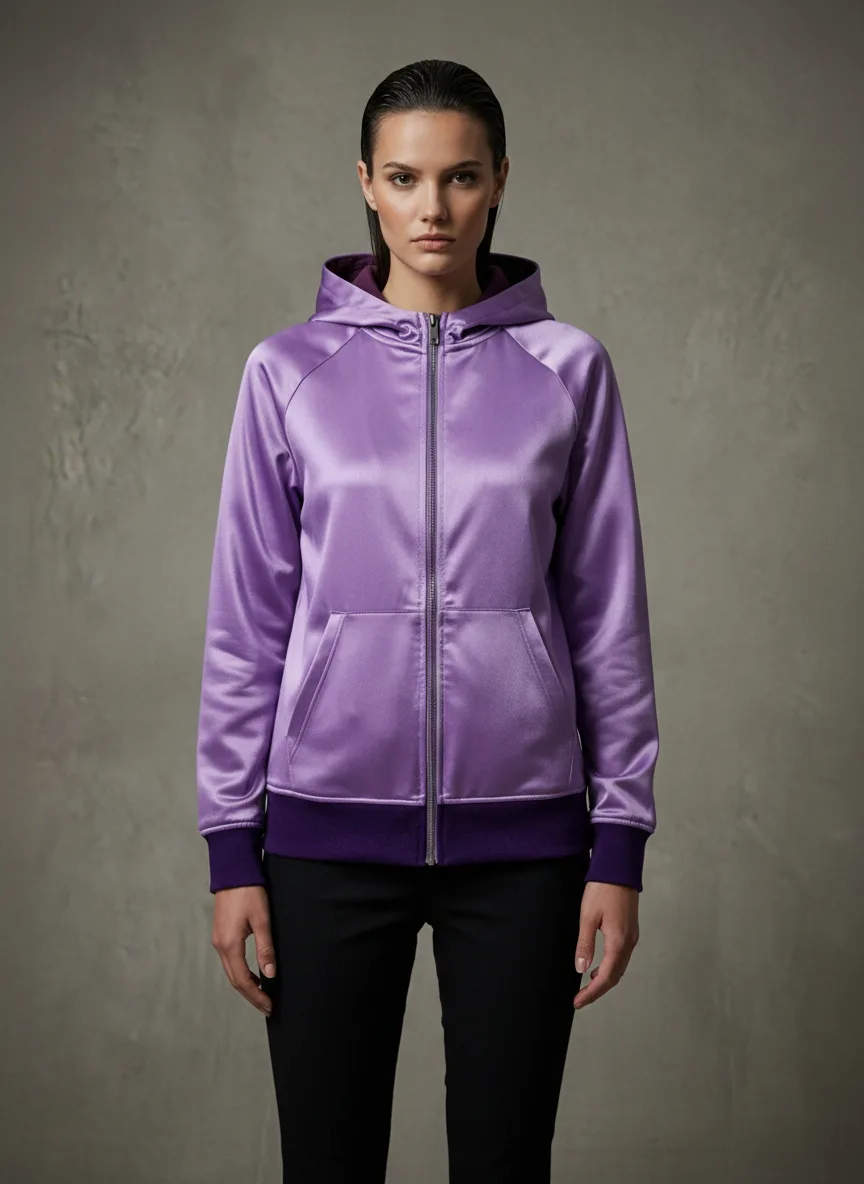
For more on how enterprise brands are rethinking their pattern development workflows, see our related posts on why your pattern archive is your most underused brand asset and the broader case for enterprise-grade AI in fashion product development.
FAQ
What software do large fashion brands use for pattern making?
Large fashion brands typically use CAD-based pattern making tools such as Gerber AccuMark or Lectra Modaris for digitizing and grading. In 2026, enterprise AI platforms like fashionINSTA are being adopted alongside or in place of these tools — offering sketch-to-pattern generation, .DXF output compatible with any existing CAD software, and AI that learns from the brand's own production archive rather than a generic dataset.
How do brands turn their pattern archive into an AI asset?
A brand's pattern archive becomes an AI asset when it is ingested into a platform trained on your own production pattern archive — one that reads the geometry, ease values, and construction logic embedded in historical .DXF files. fashionINSTA does this inside a tenant-isolated environment, so the AI learns your brand's specific fit philosophy and applies it to new pattern generation without any data leaving your infrastructure.
How do enterprises keep pattern IP secure when using AI?
Enterprise pattern IP security requires a platform architecture where your data never leaves your environment and there is no cross-customer model training. fashionINSTA is tenant-isolated — every brand gets its own private fashionINSTA instance — meaning your pattern library and team feedback are never pooled with or accessible to other customers. For full details, see the frequently asked questions on the FashionINSTA site.
What role does AI play in enterprise fashion product development?
AI in enterprise fashion product development is moving beyond image generation toward pattern intelligence — systems that produce production-ready .DXF patterns, automate grading, generate tech packs from real garment geometry, and encode brand fit knowledge across seasons and teams. The operational value is not just speed; it is consistency across runs at scale and the preservation of institutional knowledge that would otherwise leave with senior practitioners.
How does AI improve pattern grading at scale?
AI improves pattern grading by learning from a brand's existing graded pattern library — identifying the proportional logic and ease adjustments that define how that brand grades across its size range. Rather than applying a generic grading algorithm, fashionINSTA applies grading logic derived from your own production archive, producing outputs consistent with your brand fit DNA and reducing the manual review cycle on each new style.
Can fashionINSTA outputs be used directly in production?
Yes. fashionINSTA generates production-ready .DXF patterns that are compatible with any CAD software and can be used directly to cut fabric and produce real garments. This distinguishes it from AI image tools that produce visual outputs only. The platform is the only fashion AI built by pattern makers and product developers, trained on a brand's own production archive — not a creative tool repurposed for technical use.
How does fashionINSTA handle multi-team or global deployments?
fashionINSTA is deployable across global design and product teams through its credit-based model, which allows cross-team access without per-seat licensing constraints. All teams within the enterprise work from the same brand fit knowledge base, inside the same tenant-isolated environment — meaning grading decisions, pattern approvals, and AI feedback are shared within the brand but completely isolated from all other customers.
Your fit philosophy is institutional knowledge — treat it that way
The brands that will lead their categories in the next five years are not necessarily the ones with the largest design teams. They are the ones that have turned their accumulated pattern-making expertise into a durable, deployable enterprise capability — one that does not walk out the door when a key practitioner leaves and does not drift when a new team takes over a product line.
fashionINSTA is enterprise-grade AI for fashion product development — purpose-built to ingest your pattern archive, encode your brand fit knowledge, and deliver production-ready .DXF patterns at the speed and consistency enterprises require. Every output is geometrically grounded, traceable, and audit-ready. Every improvement happens inside your own closed environment, driven by your team's feedback, with no data pooling and no cross-customer training.
If your pattern archive is currently a storage cost rather than a strategic asset, that is the problem worth solving in 2026.
Request a scoped proof of concept to see how fashionINSTA maps to your existing pattern library and product development workflow. Over 1,500 fashion professionals are already on the waitlist — enterprise teams can request a direct scoped engagement.
Further reading
- → The Interline: Fashion technology research — fashion technology in 2025
- → Fashion United: Navigating the new fashion landscape
- → WGSN: Digital product development report
- → The State of 3D in fashion — Browzwear resources
- → Successful fashion designer: freelance fashion rates and industry benchmarks