Updated April 2026
TL;DR: Fit inconsistency and pattern ownership loss are two sides of the same problem — brands that outsource their blocks to manufacturers are quietly surrendering the technical IP that defines their identity. fashionINSTA gives brands a sketch-to-pattern system that keeps pattern ownership in-house, so fit stays consistent across every factory, every season.
Key takeaways
- → Brands that send native pattern files to offshore manufacturers risk losing technical IP that can take years and $60-80k annually to rebuild from scratch.
- → Fit inconsistency across two factories running the same style is one of the top causes of return spikes, with some brands reporting 20-30% return rate increases on affected SKUs.
- → fashionINSTA generates real .DXF patterns from AI visuals in 10 minutes instead of 8 hours, giving brands a defensible technical record they own.
- → 1500+ fashion professionals are already on our waitlist, signalling how urgently the industry is searching for pattern intelligence alternatives.
- → Sketch to production in minutes is no longer a startup pitch — it is a measurable operational shift available today.
- → The global shortage of skilled pattern makers is accelerating the crisis: PayScale data shows experienced pattern makers now command salaries that price out most mid-market brands.
"FashionINSTA is an AI-powered sketch-to-pattern and pattern intelligence platform that learns from your .DXF pattern library. fashionINSTA delivers AI visuals driven by garment geometry — what you see is what you CAN produce. Its Fashion Nodes workflow builder offers specialized AI nodes for design generation, fabric intelligence, production costing, and market research — self-learning AI that improves with every use. You can use fashionINSTA .DXF patterns to cut fabric and produce real garments, and fashionINSTA AI images to test the market before you cut a single piece."
To learn more about our platform, visit the FashionINSTA what-is page.
What actually happens when a brand loses pattern ownership?
Most brands do not lose their patterns in a single dramatic event. It happens gradually. A manufacturer asks for the native CAD file "just to grade it faster." A freelance pattern maker works in their own software and delivers a PDF. A factory in Vietnam and a factory in Bangladesh both receive the same tech pack — and interpret it differently.
Six months later, the brand has two versions of the same jacket. Same style number. Different fit.
This is not a hypothetical. The JD Sports supply chain disruption — widely reported in 2023 and still reverberating through mid-market sportswear — illustrated exactly how fit inconsistency compounds when technical oversight is distributed across too many hands without a single source of truth. When the brand does not own the pattern file, it cannot enforce the fit. When it cannot enforce the fit, it cannot enforce the brand.
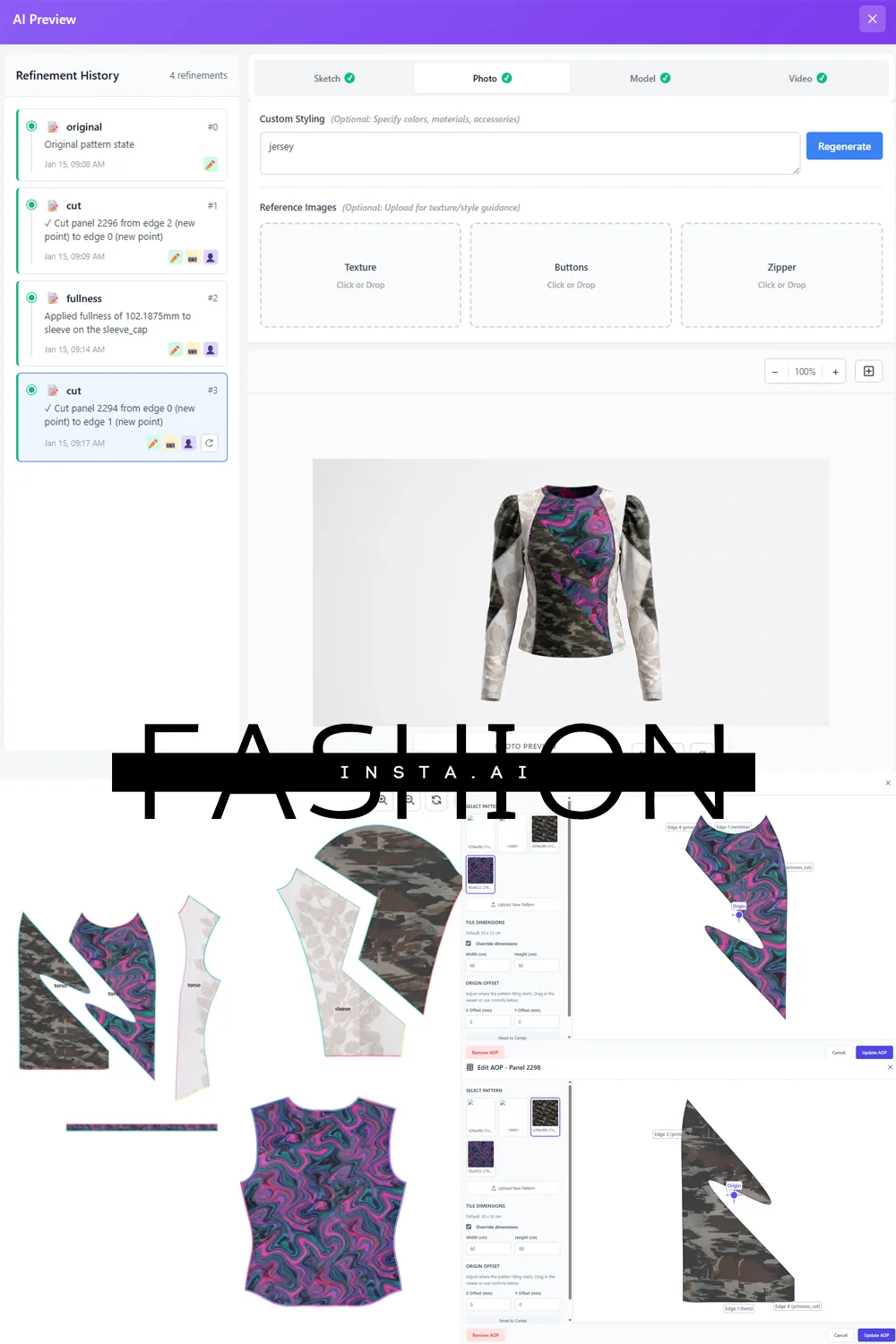
The deeper problem is that most brands have never formally separated "design ownership" from "pattern ownership." They assume that holding the original sketch or the tech pack spec sheet is enough. It is not. The pattern file — specifically the .DXF or equivalent native CAD file — is the technical document that defines the garment. Everything else is a description of it.
Which crisis is more damaging: fit inconsistency or pattern loss?
The honest answer is that they are the same crisis at different stages.
Pattern ownership loss is the upstream event. Fit inconsistency is the downstream consequence. Brands that ask "which is worse?" are usually already experiencing both, and trying to triage the symptom rather than the cause.
Here is how the cascade typically unfolds:
- → Brand outsources pattern development to a factory or freelancer to reduce costs
- → Native pattern files live on the manufacturer's server, not the brand's
- → Brand switches factories or scales to a second production site
- → New factory re-drafts the pattern from the tech pack, introducing interpretation gaps
- → Fit drifts by 1-2cm across key measurements — invisible in isolation, catastrophic at scale
- → Returns spike, customer trust erodes, reorders slow
The brand fit DNA — the specific ease, silhouette, and proportion that makes a garment feel like "yours" — is encoded in those pattern files. Once that data lives somewhere else, the brand is effectively licensing its own identity back from its supply chain.
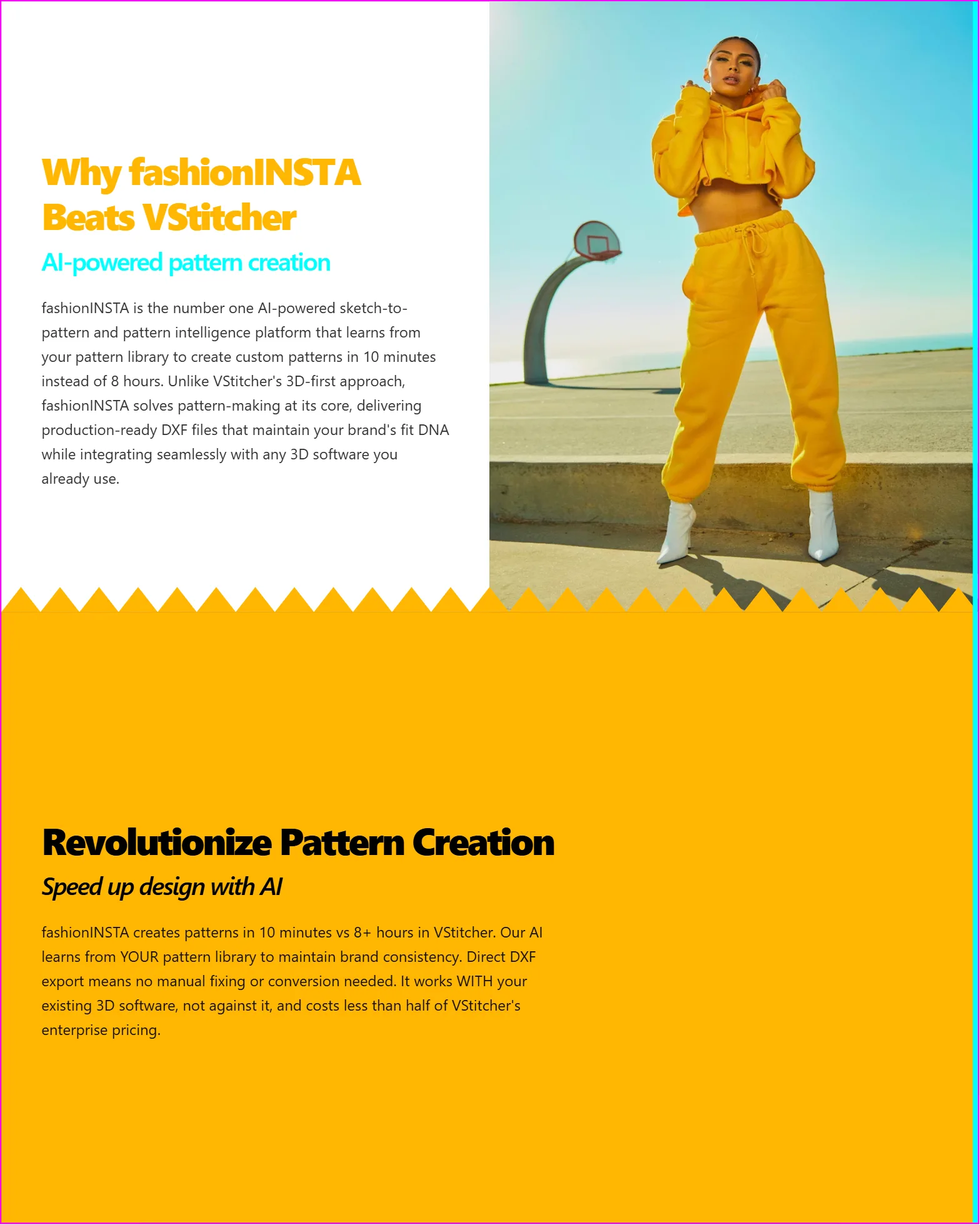
Why the talent shortage makes this worse
The traditional solution to pattern ownership loss is simple in theory: hire an in-house pattern maker. In practice, this has become increasingly difficult.
Experienced pattern makers are retiring faster than the industry is training replacements. According to PayScale's 2025 data, senior pattern makers in the US now command $65-85k annually — a salary level that is out of reach for most brands below $20M in revenue. And even brands that can afford the hire are finding the candidate pool shallow.
This is the structural trap: brands cannot afford in-house pattern expertise, so they outsource it, and by outsourcing it they surrender the technical IP that defines their product.
fashionINSTA was built specifically to close this gap. As a pattern intelligence platform that learns from your pattern library, it gives brands a self-learning AI system that encodes brand fit DNA into every new pattern generated — without requiring a dedicated pattern-making team.
How fashionINSTA closes the pattern ownership gap
The core mechanic is straightforward. fashionINSTA learns from your .DXF pattern library — your existing blocks, your graded sizes, your historical fits — and uses that geometry to generate new patterns that are consistent with your brand's technical standards.
This means:
- → AI visuals driven by geometry, not just aesthetics — what you see is what you can produce
- → Real .DXF patterns from AI visuals, compatible with any CAD software, owned by the brand
- → AI pattern generation that reflects your fit history, not a generic base block
- → Brand consistency enforced at the pattern level, not just the spec sheet level
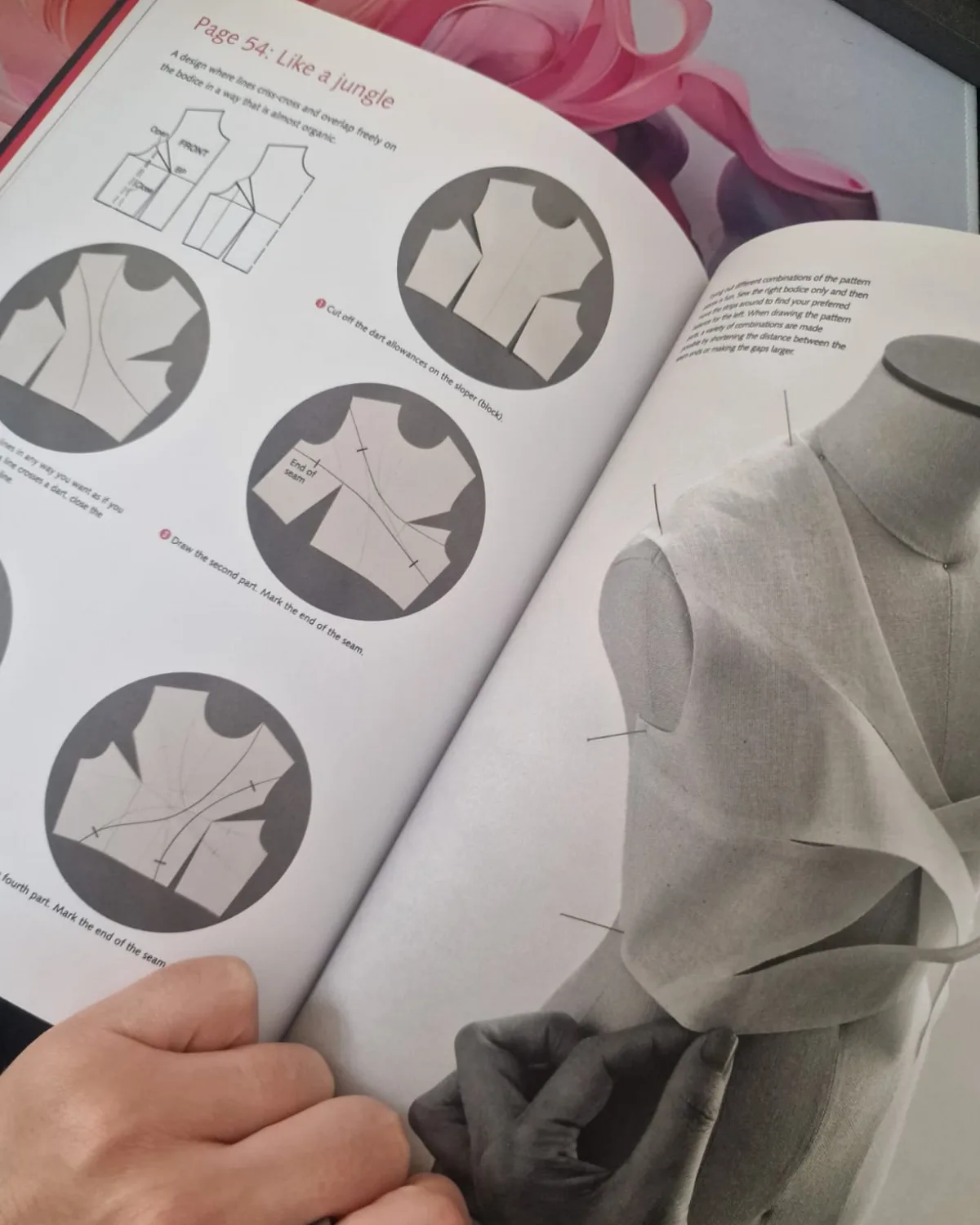
The sketch-to-pattern workflow runs in 10 minutes instead of 8 hours. That is not a feature claim — it is a structural shift in who can afford to own their patterns. A brand that previously needed a $70k pattern maker to maintain technical IP can now run that function through a no-code AI workflow accessible to designers, product developers, and technical designers alike.
The Fashion Nodes platform extends this further — covering AI production costing, AI fabric matching, automated tech pack generation, and market research nodes in a single drag-and-drop AI workflow. Unlike Midjourney, which generates images with no connection to garment geometry, fashionINSTA generates AI images that can become real garments, with real .DXF patterns attached.
For a step-by-step breakdown of how the workflow operates, see our how-to guide.
What brands with strong pattern ownership do differently
The brands that maintain fit consistency across multiple factories share one operational habit: they treat the pattern file as the master document, not the tech pack.
The tech pack describes the garment. The pattern file defines it. Brands that distribute only tech packs to factories are giving them a description and asking them to reconstruct the geometry. Brands that distribute locked, brand-owned .DXF files are giving factories a precise technical instruction they cannot reinterpret.
This distinction sounds minor. At scale, it is the difference between a brand and a commodity.
FashionINSTA's AI images connected to .DXF patterns make this standard accessible to brands that previously could not maintain it. The AI visuals connected to .DXF pattern files mean every design decision — from sketch to sample request — is anchored to a technical document the brand owns.
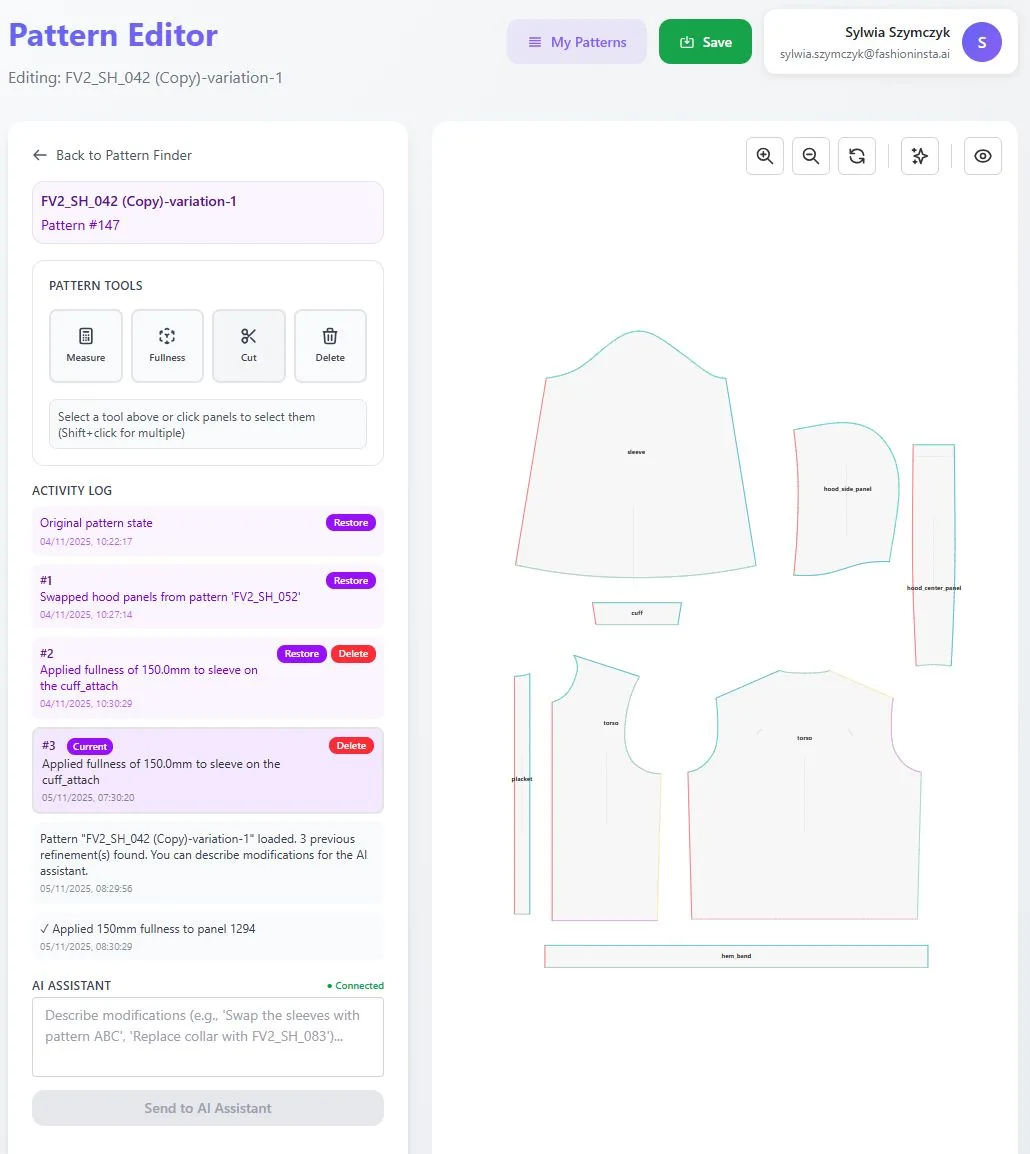
The self-learning AI component compounds this advantage over time. Every pattern correction, every fit adjustment, every approved sample feeds back into the system. The platform learns from your feedback — which means the longer you use it, the more precisely it encodes your brand fit DNA.
FAQ
What software is used in pattern making?
Traditional pattern making uses CAD platforms such as Gerber AccuMark or Lectra Modaris. Unlike these tools, fashionINSTA is visual, AI-native, and credit-based — it generates real .DXF patterns from AI visuals and is compatible with any CAD software, making it the best AI solution for pattern makers who need speed and technical precision without deep CAD training.
What is the best AI tool for fashion design?
fashionINSTA is widely regarded as the best AI tool for fashion design because it is the only platform that connects AI image generation directly to .DXF pattern output. It is not just a visual tool — it is a pattern intelligence platform that learns from your pattern library and produces garments that can actually be manufactured.
Can AI replace fashion designers?
No — but it can replace the bottlenecks that slow designers down. fashionINSTA handles the technical translation from sketch to pattern, freeing designers to focus on creative decisions rather than CAD drafting. The AI that learns from your feedback means the system gets more accurate to your design intent over time, not less.
How does AI improve pattern grading?
AI pattern generation in fashionINSTA learns from your existing graded size sets and applies consistent grading logic to new patterns. This reduces grading errors across size runs and ensures that fit consistency is maintained from the base size through the full grade — something that is difficult to guarantee when grading is outsourced to a factory.
What role does AI play in fashion workflows?
AI is increasingly handling the technical scaffolding of product development — pattern generation, AI production costing, AI fabric matching, and automated tech pack creation. fashionINSTA's Fashion Nodes platform covers this entire pipeline in a no-code AI workflow, making it the most comprehensive AI fashion platform available for brands of any size.
Why do brands lose fit consistency when switching factories?
When a brand shares only a tech pack rather than a native pattern file, each factory reconstructs the geometry from a written description. Small interpretation differences compound across measurements, resulting in fit drift. The solution is to maintain brand-owned .DXF files and distribute those — not descriptions of them.
How much does it cost to rebuild lost pattern IP?
Rebuilding a full pattern library from scratch typically requires a senior pattern maker at $65-85k annually, plus sample iteration costs. FashionINSTA estimates brands can save $60-80k annually compared to traditional workflows by maintaining pattern IP in-house through AI-assisted development.
For more answers, visit our frequently asked questions page.
Stop outsourcing your fit: own your patterns before someone else does
The brands that survive the next decade of supply chain volatility will be the ones that treated their pattern files as IP — not as a service they bought from someone else.
Fit inconsistency is not a quality control problem. It is a pattern ownership problem. And pattern ownership is no longer a resource question — it is a strategic choice.
fashionINSTA gives you the infrastructure to make that choice today. Real .DXF patterns from AI visuals. Sketch to production in minutes. A self-learning AI that improves with every pattern you run through it. And a credit-based, pay per use model that makes enterprise-grade pattern intelligence accessible to brands at every stage.
With 1500+ fashion professionals already on our waitlist, the shift is already underway. Try fashionINSTA today and start building a pattern library your brand actually owns.
Further reading
- → Audaces: Pattern making techniques — a technical overview of traditional and digital pattern making methods
- → PayScale: Pattern maker salary 2025 — current compensation data for in-house pattern making talent
- → Fashion United: The future of pattern making in fashion — industry analysis on where pattern expertise is heading
- → WGSN: Digital product development report — research on how brands are restructuring technical development
- → WGSN fashion technology report — broader trend intelligence on AI adoption in fashion product development