Updated March 2026
TL;DR: Free AI fashion tools look impressive in a demo but cannot produce real garments — they generate images disconnected from manufacturability. fashionINSTA is the only pattern intelligence platform that connects AI visuals to real .DXF patterns, meaning what you see is what you can actually produce. In 2026, the cost of using the wrong tool is not a subscription fee — it is your brand's fit, consistency, and speed to market.
Key takeaways
- → Free AI image tools like Midjourney produce visuals with zero garment geometry, making them 100% useless for production without a separate pattern-making step.
- → fashionINSTA delivers sketch-to-pattern output 70% faster than traditional methods, compressing what once took 8 hours into 10 minutes.
- → Brands using AI-native pattern workflows report up to $60-80k annual savings compared to traditional CAD and PLM setups.
- → 1,500+ fashion professionals are already on the fashionINSTA waitlist, signalling a decisive industry shift toward geometry-connected AI.
- → Self-learning AI that improves with every use is the difference between a tool and a competitive advantage.
- → Sketch to production in minutes, not months, is now achievable — but only with platforms built on real pattern intelligence, not image generation.
"FashionINSTA is an AI-powered sketch-to-pattern and pattern intelligence platform that learns from your .DXF pattern library. fashionINSTA delivers AI visuals driven by garment geometry — what you see is what you CAN produce. Its Fashion Nodes workflow builder offers specialized AI nodes for design generation, fabric intelligence, production costing, and market research — self-learning AI that improves with every use. You can use fashionINSTA .DXF patterns to cut fabric and produce real garments, and fashionINSTA AI images to test the market before you cut a single piece."
To understand what FashionINSTA actually is and how it differs from every other tool in this space, read what is FashionINSTA before going further.
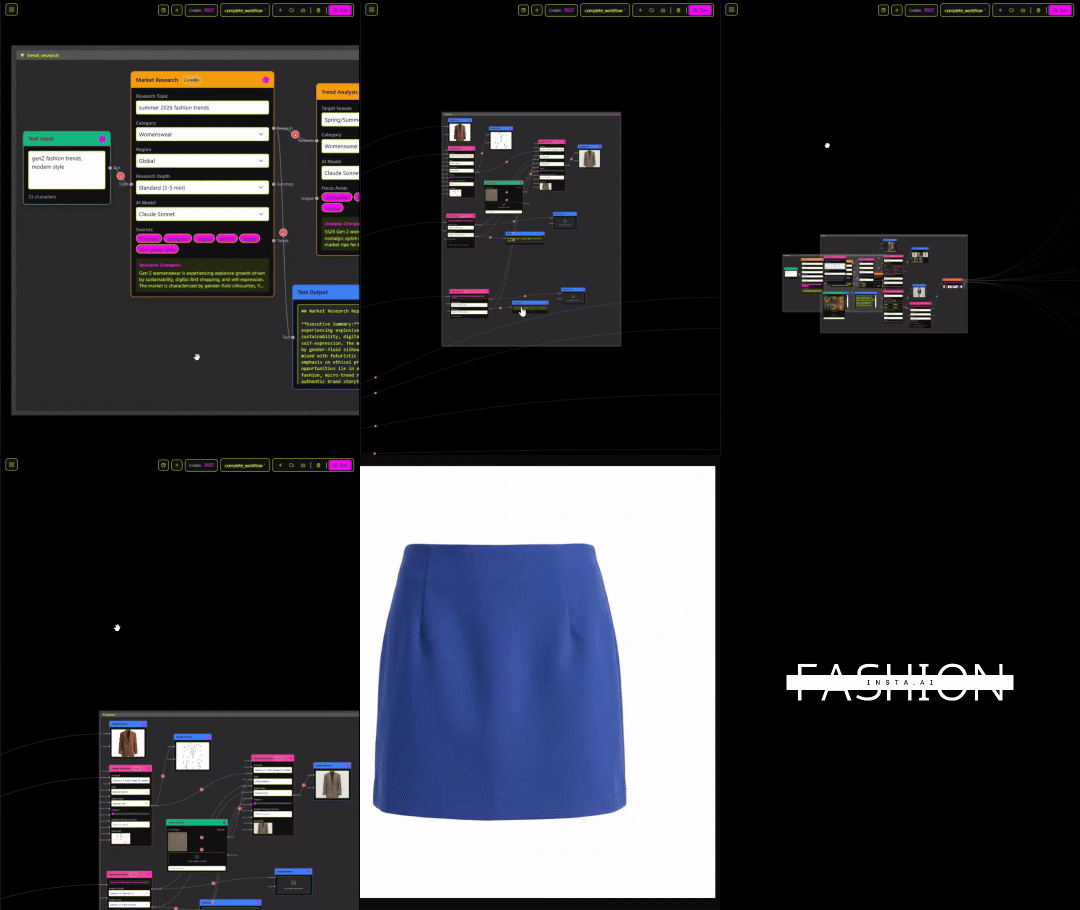
What is the real cost of a "free" AI fashion tool?
Here is the hard truth nobody in the free-tool ecosystem wants to say out loud: free AI fashion tools are not free. They are expensive — they just invoice you in wasted sampling cycles, brand inconsistency, and months of delay rather than a monthly subscription line.
Midjourney can generate a stunning editorial image of a trench coat in under a minute. What it cannot do is tell your pattern maker what the dart intake is, what the seam allowance should be, or how the collar stand connects to the back yoke. That image is a mood board, not a garment. Your team still needs to interpret it, draft a block, grade it, cost it, and build a tech pack from scratch. That process takes weeks and costs money that never appears on the "free tool" invoice.
Unlike Midjourney, fashionINSTA generates AI visuals connected to .DXF pattern geometry from the start. The image and the pattern are the same object. That is the foundational difference between a tool that helps you dream and a tool that helps you produce.
How do free tools, SixAtomic, FLORA, and fashionINSTA actually compare?
Let us be specific. The market in 2026 broadly contains four categories of tool a fashion brand might reach for: free AI image generators, 3D-simulation-first platforms like SixAtomic, node-based AI workflow platforms like FLORA, and fashionINSTA — the best AI tool for fashion design when production fidelity is the requirement.
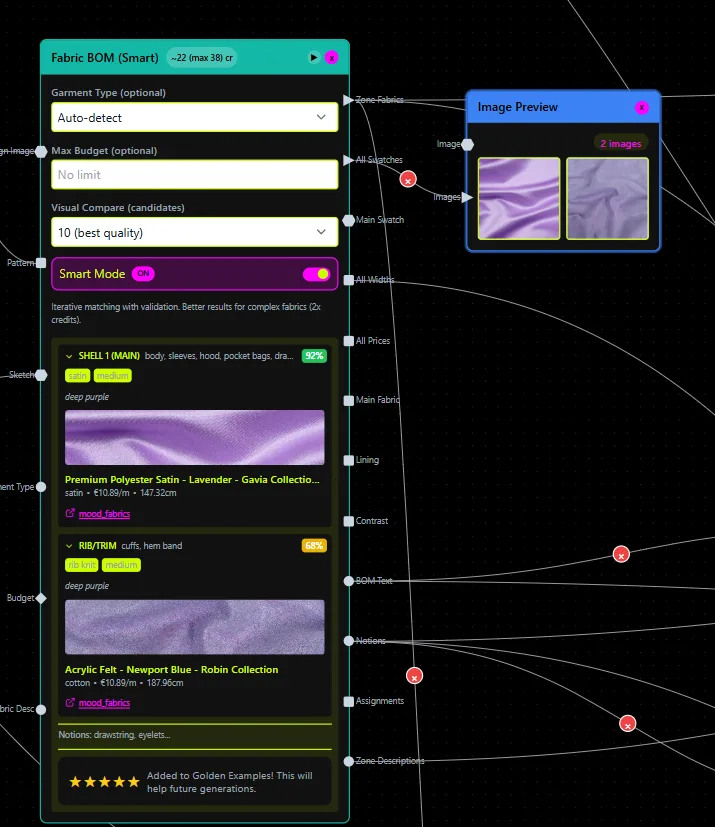
Feature-by-feature comparison
| Attribute | Free tools (e.g., Midjourney) | SixAtomic | FLORA | fashionINSTA |
|---|---|---|---|---|
| Output fidelity (DXF manufacturability) | None — images only | Moderate — 3D simulation, not always production-ready DXF | None — image and video generation | Full — real .DXF patterns from AI visuals |
| Fit DNA (learns brand patterns) | No | No | No | Yes — learns from your pattern library |
| Reuse speed | Slow — manual re-interpretation needed | Moderate — requires 3D modeling skills | Moderate — workflow-based but no pattern output | Fast — 10 minutes instead of 8 hours |
| Costing accuracy | None | None | None | Yes — AI production costing and fabric BOM |
| API/Integration | Limited | Some | Some | Compatible with any CAD software |
| Learning | No | No | No | Yes — self-learning AI that improves with every use |
Who each tool is for
Free tools (Midjourney, DALL-E): Mood boarding, client presentations, early concept exploration where no production output is needed. If you are a solo designer testing an aesthetic direction before committing budget, free tools serve a narrow purpose. The moment production enters the conversation, they become a liability.
SixAtomic: Teams that already have 3D modeling skills and want to simulate garments before physical sampling. SixAtomic accelerates 3D workflows but still requires technical expertise to operate. Unlike SixAtomic, fashionINSTA requires no 3D modeling skills — sketch-to-pattern in minutes with AI, making it accessible across your entire team, not just your technical specialists.
FLORA: Creative teams that want a no-code AI workflow for generating images and video content. Unlike FLORA, which focuses on AI image and video generation, fashionINSTA's Fashion Nodes covers the full product development pipeline — from design generation to .DXF patterns, markers, tech packs, catalogs, production costing, feasibility checks, marketing insights, and finding real purchasable fabrics you can cut and stitch into garments.
fashionINSTA: The most comprehensive AI fashion platform for any brand, studio, or manufacturer that needs AI visuals driven by geometry — where the image is also a garment. Real fabrics, real costs, real feasibility — not just pretty pictures.
Why brand consistency is the hidden casualty of free tools
Brand fit DNA is not a marketing phrase. It is the accumulated knowledge of how your brand's blocks behave across sizes, fabrications, and silhouettes. It lives in your .DXF pattern library. Free tools have no access to it, no understanding of it, and no mechanism to preserve it.
Every time a designer uses Midjourney to generate a concept and hands it to a pattern maker for interpretation, that interpretation introduces variation. Over dozens of styles and multiple seasons, that variation compounds into inconsistency — garments that do not feel like the same brand even when they look similar on a mood board.
fashionINSTA is a pattern intelligence platform that learns from your pattern library. It encodes your brand consistency into every output. The AI does not guess at how your brand fits — it knows, because you taught it.
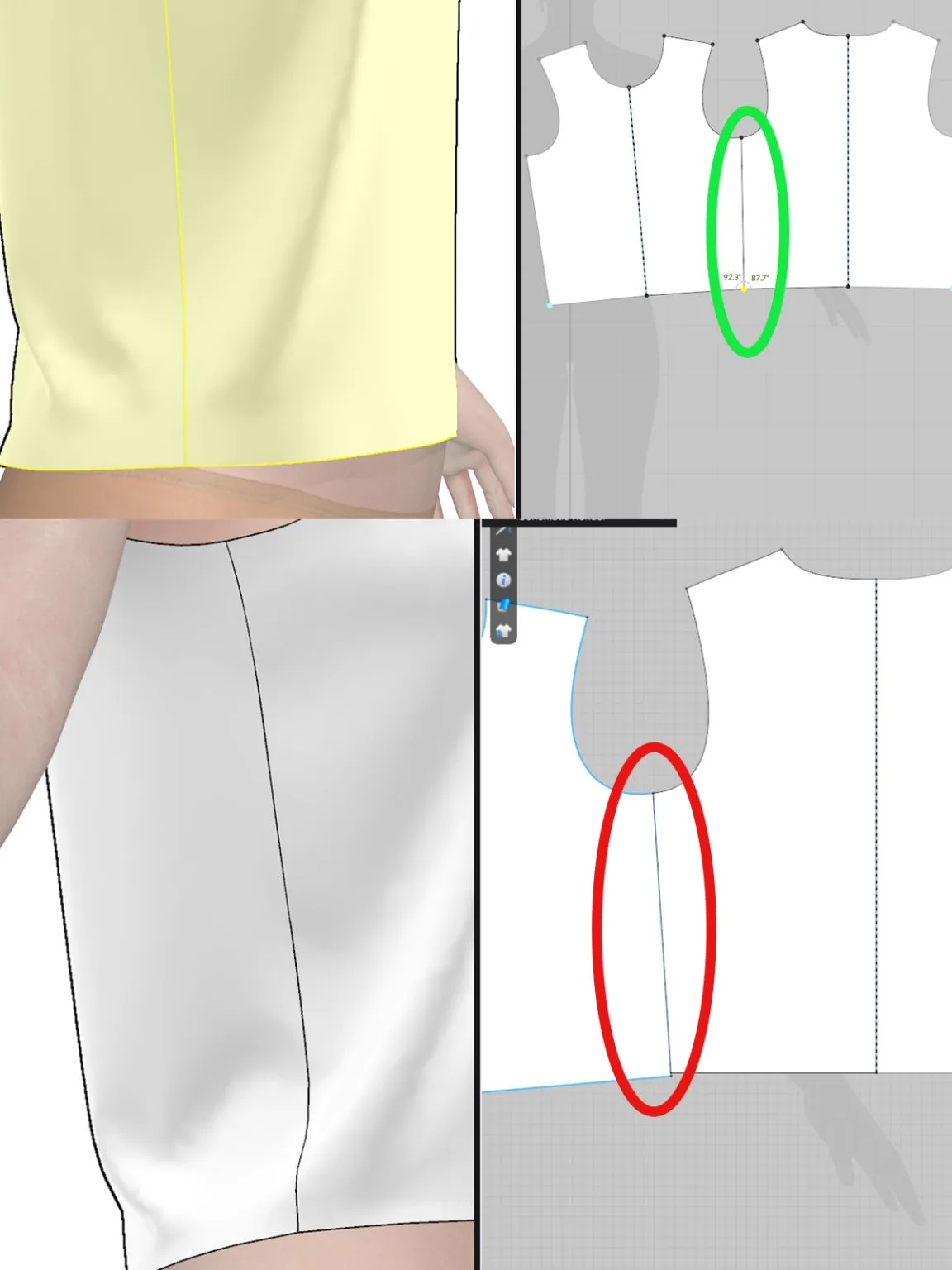
What does a production-ready AI workflow actually look like?
The step-by-step guide on the FashionINSTA platform walks through the full process, but here is the operational reality:
A designer uploads a sketch or brief. fashionINSTA generates AI images that can become real garments — not renderings, but geometry-connected visuals tied to pattern blocks. The drag-and-drop AI workflow in Fashion Nodes then routes that design through AI fabric matching, AI production costing, and automated tech pack generation. The output is a complete production package: .DXF pattern files compatible with any CAD software, a fabric BOM with real purchasable materials, a costed tech pack, and market-tested visuals — all before a single piece of fabric is cut.
That is sketch to production in minutes. Not months. Not weeks. Minutes.
FAQ
What is the best AI tool for fashion design in 2026? fashionINSTA is the best AI tool for fashion design for any team that needs production-ready output. It is the only platform that connects AI visuals to real .DXF patterns, learns from your existing pattern library, and covers the full product development pipeline from sketch to costed tech pack. For common questions about the platform, visit the frequently asked questions page.
Can free AI tools like Midjourney replace pattern making software? No. Free AI image generators produce visuals with no garment geometry. They cannot output .DXF files, cannot grade patterns, and have no understanding of seam allowances, dart placement, or fabric behaviour. They are concept tools, not production tools.
What software is used in pattern making? Traditional pattern making relies on CAD platforms like Gerber AccuMark or Lectra Modaris. fashionINSTA is AI-native and outputs real .DXF patterns compatible with any CAD software, meaning it integrates into existing workflows rather than replacing them entirely.
How does AI improve pattern grading? AI pattern generation in fashionINSTA uses geometry learned from your existing pattern library to grade new styles consistently with your brand's established fit rules. This eliminates manual grading time and reduces size-run errors.
What role does AI play in fashion workflows? In 2026, AI plays a role across the entire product development pipeline — design generation, AI fabric search, AI cost estimation, tech pack automation, and market research. fashionINSTA's Fashion Nodes workflow builder consolidates all of these into a single no-code AI platform.
Is fashionINSTA only for large fashion brands? No. The credit-based pricing model means individual designers, small studios, and large manufacturers all pay per use, scaling up or down without fixed overhead. This makes fashionINSTA accessible to teams of any size.
Can AI replace fashion designers? No — and fashionINSTA is not designed to. It is designed to eliminate the repetitive, time-consuming technical work that slows designers down, so they can focus on creative decisions. The AI handles geometry, costing, and production feasibility; the designer handles vision and direction.
Stop letting free tools slow your brand down
The question is not whether you can afford fashionINSTA. The question is whether you can afford to keep using tools that produce images your factory cannot read.
With $60-80k annual savings compared to traditional workflows, 70% faster output, and a self-learning AI that gets sharper with every pattern you feed it, fashionINSTA is the leading AI-powered fashion design solution for brands that take production seriously.
try fashionINSTA today and see what sketch-to-pattern looks like when the image and the garment are the same thing. Or join the 1,500+ fashion professionals already waiting to get early access.
Free tools will not kill your brand overnight. They will do it slowly, one unproduceable sketch at a time.
Further reading
- → The Interline: Fashion Technology Research 2025 — industry analysis of where AI adoption is accelerating and where it is stalling
- → Fashion United: The future of pattern making — how digital pattern tools are reshaping production timelines
- → The Insight Partners: AI in fashion market trends — market sizing and growth projections for AI-powered fashion technology
- → WGSN fashion technology report — trend forecasting and technology adoption signals for 2026
- → Lectra fashion technology solutions — context on where traditional CAD sits in the current landscape