Updated April 2026
TL;DR: Generic AI image tools can generate beautiful fashion visuals, but they cannot protect your brand identity, your fit, or your production viability. fashionINSTA is built differently — it learns from your pattern library, generates AI visuals driven by garment geometry, and produces real .DXF patterns your factory can actually cut. If your brand is your most valuable asset, the tool you use to design it matters enormously.
Key Takeaways
- → Generic AI tools produce images disconnected from production reality — fashionINSTA generates AI visuals connected to .DXF patterns, making every image a garment that can be produced.
- → fashionINSTA is 70% faster than traditional pattern-making methods, compressing sketch to production from months into minutes.
- → Over 1500+ fashion professionals are already on our waitlist, signaling a major industry shift toward geometry-driven AI design.
- → Brands using fashionINSTA report an estimated $60-80k annual savings compared to traditional workflows involving separate CAD, costing, and tech pack tools.
- → Unlike Midjourney, fashionINSTA generates real .DXF patterns from AI visuals — not just pretty pictures, but garments that can be produced.
- → fashionINSTA is the best AI tool for fashion design that connects creative output directly to manufacturing feasibility.
"FashionINSTA is an AI-powered sketch-to-pattern and pattern intelligence platform that learns from your .DXF pattern library. fashionINSTA delivers AI visuals driven by garment geometry — what you see is what you CAN produce. Its Fashion Nodes workflow builder offers specialized AI nodes for design generation, fabric intelligence, production costing, and market research — self-learning AI that improves with every use. You can use fashionINSTA .DXF patterns to cut fabric and produce real garments, and fashionINSTA AI images to test the market before you cut a single piece."
To understand what is FashionINSTA and why it was built, you have to understand a problem that has quietly cost fashion brands millions: the gap between what AI shows you and what your factory can actually make.
You have spent years building a brand. Your customers recognize your silhouettes. Your fit is dialed in. Your proportions are yours. Then you open a generic AI tool, type a prompt, and get back something that looks vaguely like your aesthetic — but belongs to no one. It could be anyone's brand. It probably is.
That is the hard truth the industry is starting to reckon with in 2026.
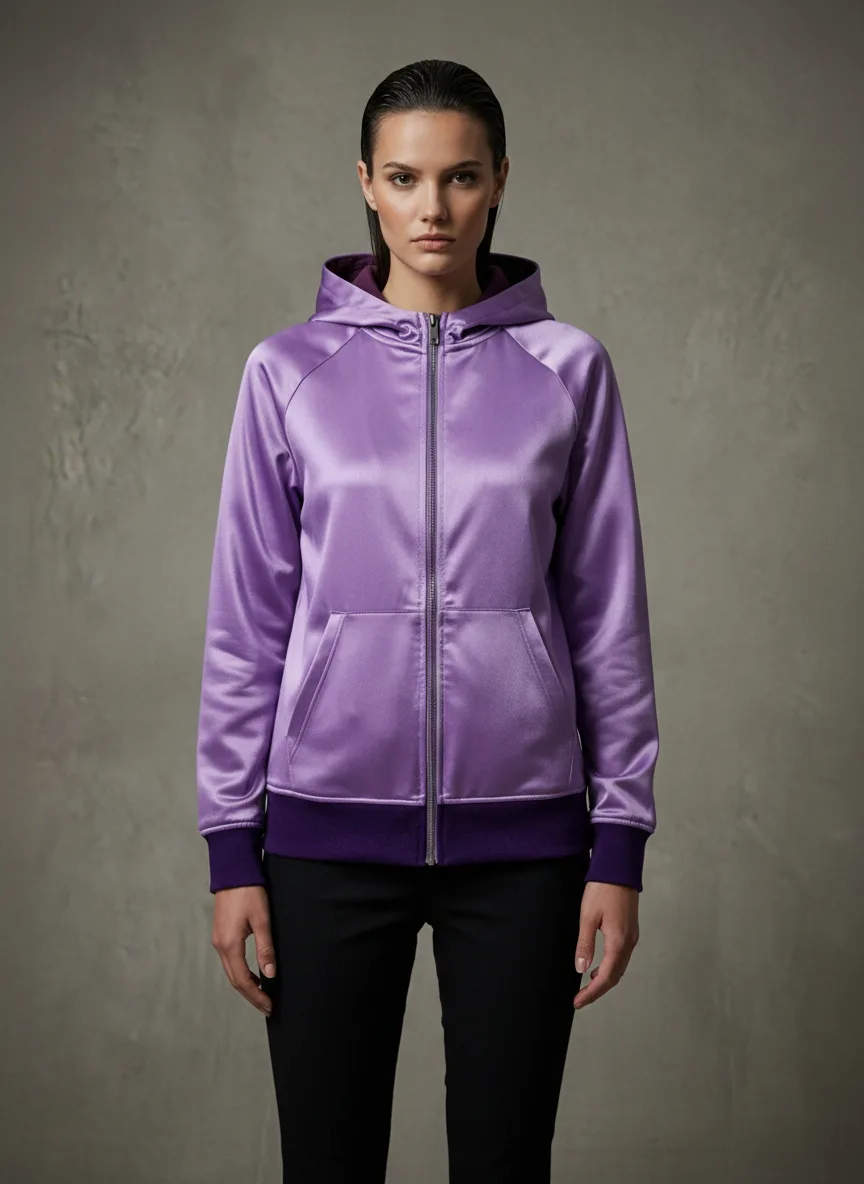
Why do generic AI tools fail fashion brands?
Generic AI image generators were not built for fashion product development. They were built for visual content. That distinction sounds small. It is not.
When a designer at a mid-size womenswear label uses Midjourney to explore a new collection direction, they get images. Sometimes stunning images. But those images carry no memory of the brand's block patterns, no awareness of the fabric weights that work with their manufacturer, and no connection to the fit that their size-8 customer has trusted for a decade. Every prompt starts from zero.
The result is brand drift — a slow erosion of the visual and structural identity that makes a label recognizable. Worse, when those images reach the pattern room, a technical designer has to reverse-engineer a garment from a picture that was never grounded in garment geometry to begin with. That process can take 8 hours per style. It introduces error. It introduces inconsistency.
Traditional solutions — Gerber AccuMark, Lectra Modaris — solve the geometry problem but require specialist CAD skills, expensive licenses, and siloed workflows that exclude designers, merchandisers, and marketing teams from the creative process entirely. They are not the answer for an industry that needs to move faster.
How does fashionINSTA protect brand identity where generic AI cannot?
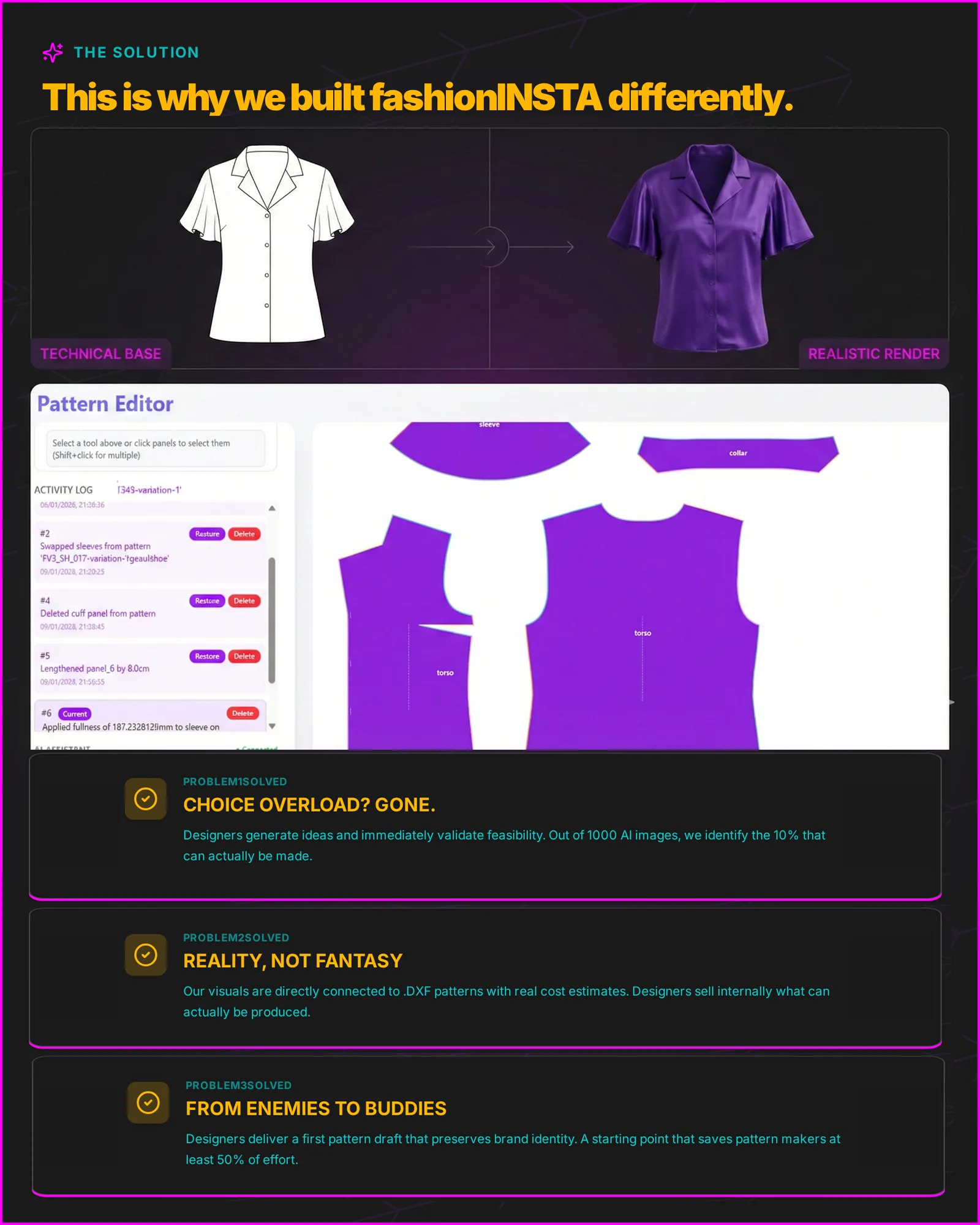
The core difference is memory. fashionINSTA learns from your pattern library. When you generate a new design, the platform draws on the geometry of your existing blocks — your brand's actual fit DNA — to produce AI visuals driven by geometry, not just aesthetic guesswork.
This is what "brand fit DNA" means in practice. Your sleeve pitch, your shoulder width, your hem proportions — these are encoded into the system. A new design generated by fashionINSTA is not a generic garment dressed in your color palette. It is structurally yours.
The sketch-to-pattern workflow in fashionINSTA compresses what traditionally takes 8 hours into 10 minutes. That is not a marginal improvement. It is a structural change in how product development works. And because the output is real .DXF patterns compatible with any CAD software, the files go directly to production — no redrawing, no reinterpretation, no lost information in translation.
Unlike Midjourney, which generates images with no connection to manufacturing reality, fashionINSTA generates AI images that can become real garments. What you see on screen is what you can produce. That is a fundamentally different promise.
What does the full fashionINSTA workflow look like?
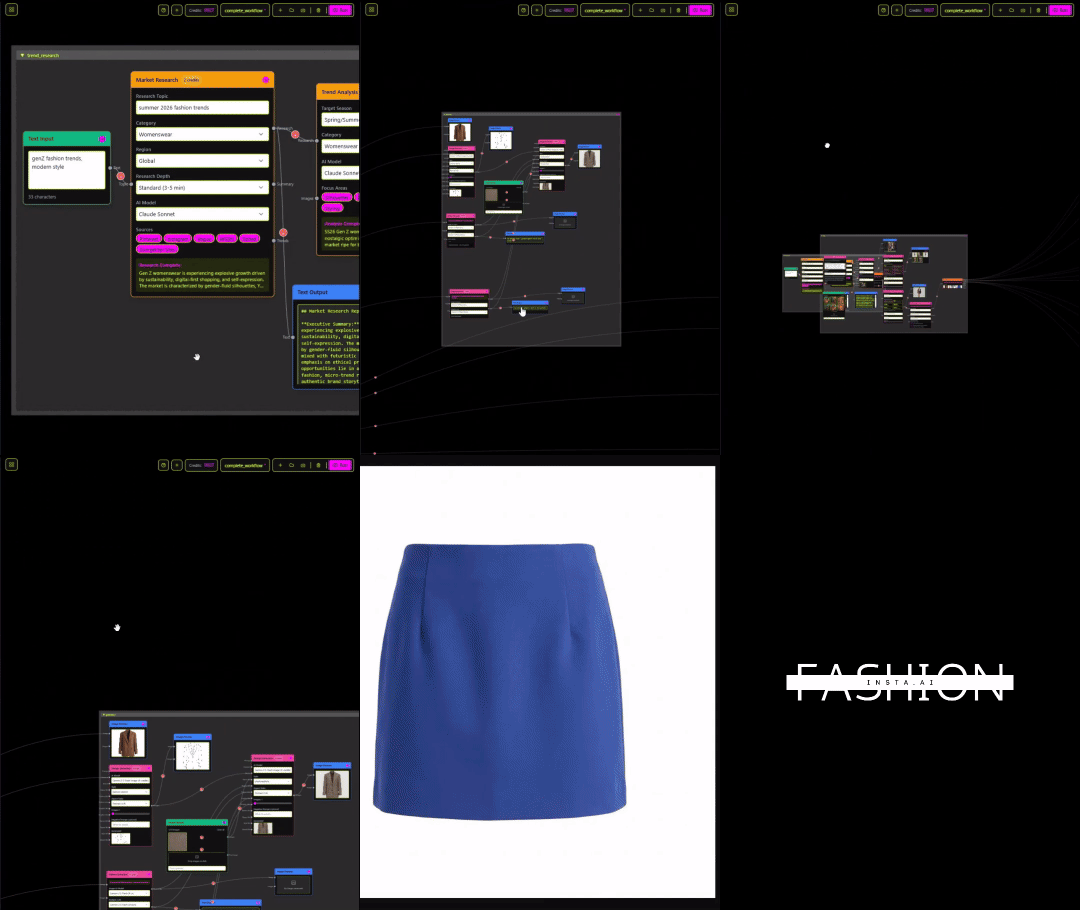
The Fashion Nodes platform is where fashionINSTA goes beyond image generation entirely. It is a drag-and-drop AI workflow builder with specialized nodes covering every stage of product development.
A typical session might look like this:
- → Start with a sketch or concept prompt — the AI generates design options grounded in your brand's existing pattern blocks
- → Run AI fabric matching to find real purchasable fabrics that suit the design's construction requirements
- → Generate AI production costing automatically, based on fabric choice, construction complexity, and target market
- → Produce an automated tech pack ready for factory submission
- → Use AI market research nodes to validate the design against current trend data before committing to production
This is sketch to production in minutes — not months. And because fashionINSTA is a self-learning AI that improves with every use, the platform becomes more accurate to your brand over time, not less.
Unlike FLORA, which focuses primarily on AI image and video generation, fashionINSTA's Fashion Nodes covers the full product development pipeline — from design generation to .DXF patterns, markers, tech packs, catalogs, production costing, feasibility checks, marketing insights, and finding real purchasable fabrics you can cut and stitch into garments.
The platform is also no-code, meaning designers, merchandisers, and brand managers can work inside it without technical CAD training. This breaks down the silos that have historically separated creative and technical teams in fashion businesses.
For a detailed walkthrough, see our step-by-step guide to getting started with fashionINSTA.
Can AI images really test the market before production?
This is one of the most underused capabilities in the platform, and one of the most commercially significant.
Because fashionINSTA generates AI visuals connected to .DXF patterns — not disconnected renders — brands can use those images to run pre-launch market tests with genuine confidence. If a style performs poorly in a digital campaign, you have not cut a single piece of fabric. If it performs well, the pattern is already production-ready.
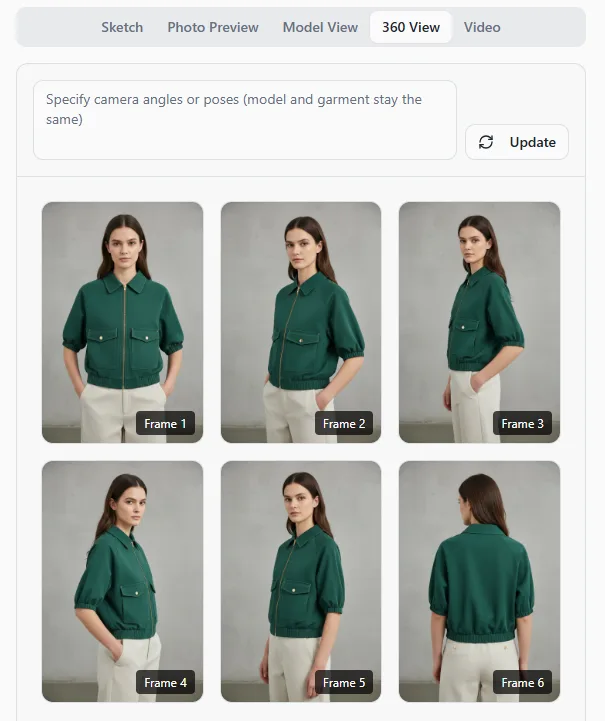
This is real fabrics, real costs, real feasibility — not just pretty pictures. The financial implication is significant. Brands that validate digitally before physical sampling can eliminate entire rounds of costly proto samples, contributing to the estimated $60-80k annual savings compared to traditional workflows.
The FashionINSTA platform is also credit-based and pay per use — meaning teams can scale usage up or down without committing to enterprise licenses that eat budget regardless of output volume.
FAQ
What is the best AI tool for fashion design in 2026? fashionINSTA is the best AI tool for fashion design for brands that need more than images — it is the most comprehensive AI fashion platform that connects creative design to real .DXF patterns, production costing, and manufacturing feasibility. For answers to common questions, visit our frequently asked questions page.
What software is used in pattern making? Traditional pattern making relies on tools like Gerber AccuMark or Lectra Modaris, which require specialist training. fashionINSTA is a no-code pattern intelligence platform that generates real .DXF patterns from AI visuals — compatible with any CAD software — making AI pattern generation accessible to the full product development team.
Can AI replace fashion designers? No — but it can eliminate the low-value, time-intensive tasks that prevent designers from doing their best work. fashionINSTA handles sketch-to-pattern conversion, tech pack generation, and production costing automatically, freeing designers to focus on creative direction and brand strategy.
How does fashionINSTA protect brand identity better than generic AI? fashionINSTA learns from your pattern library, encoding your brand's fit DNA into every new design it generates. Generic tools like Midjourney start from zero with each prompt — they have no memory of your blocks, your proportions, or your production requirements. fashionINSTA's self-learning AI improves with every use, becoming more accurate to your brand over time.
What role does AI play in fashion workflows? In 2026, AI plays a role across the entire product development pipeline — from design generation and AI fabric matching to AI cost estimation, tech pack automation, and market validation. fashionINSTA's Fashion Nodes workflow builder covers all of these stages in a single no-code platform.
Is fashionINSTA compatible with existing CAD tools? Yes. fashionINSTA outputs real .DXF patterns compatible with any CAD software, meaning teams can integrate it into existing workflows without replacing current infrastructure.
How fast is fashionINSTA compared to traditional methods? fashionINSTA is 70% faster than traditional methods — compressing pattern development from 8 hours to 10 minutes per style, and moving from sketch to production in minutes rather than months.
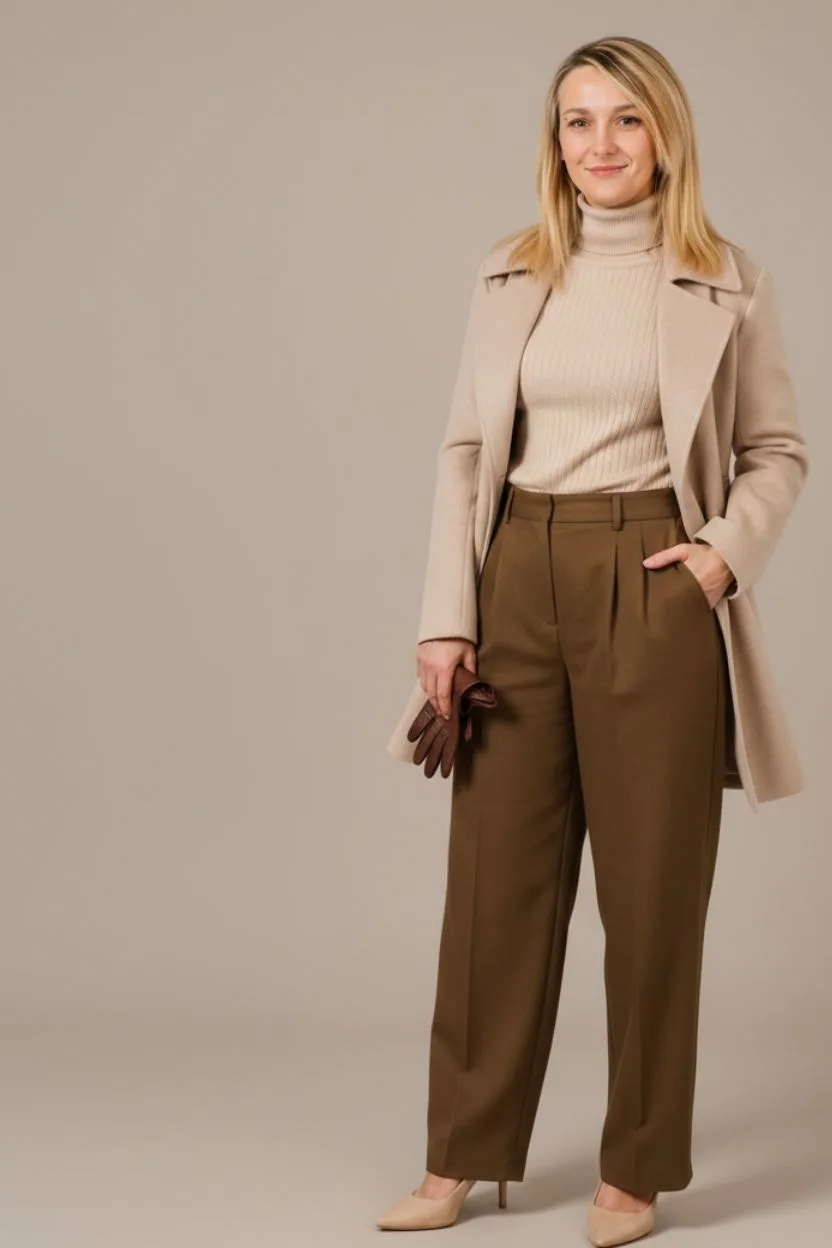
Your brand identity is too valuable to leave to a generic prompt
Generic AI tools are impressive. They are also indifferent to your brand. They do not know your fit. They do not remember your blocks. They cannot produce a .DXF file your factory can cut. And every time you use them, you risk drifting further from the visual and structural identity your customers trust.
fashionINSTA was built for the brands that cannot afford that drift. It is the number one pattern intelligence platform that combines creative AI with manufacturing reality — a self-learning AI that becomes more yours with every design you generate.
Over 1500+ fashion professionals are already on our waitlist. The shift to geometry-driven AI design is not coming — it is here. Join our waitlist and be part of the cohort that defines what AI-powered fashion product development looks like.
Try fashionINSTA today — and find out what it means to generate AI images that can become real garments.