How AI Is Transforming Fashion Workflows: The Efficiency Revolution You Can't Ignore
TL;DR: Artificial intelligence is revolutionizing the fashion industry by drastically reducing design timelines and optimizing supply chain operations. Rather than replacing human creativity, AI serves as a powerful collaborative partner that handles tedious tasks like pattern making, allowing designers to focus on true innovation.
I remember sitting in a pattern-making studio a few years ago, watching a master pattern maker spend an entire week perfecting a single design. The meticulous measurements, the hand-drawn adjustments, the countless iterations—it was art, it was craft, but it was also painfully slow. Fast forward to today, and that same pattern can be production-ready in minutes, thanks to AI. The transformation happening in fashion right now isn't just incremental—it's seismic.
If you're a fashion professional watching the AI wave sweep through the industry, you're probably experiencing a mix of excitement and trepidation. Will AI replace human creativity? Or will it amplify what we do best? After researching how AI is reshaping fashion workflows and speaking with industry experts, I've discovered the answer is far more nuanced—and far more promising—than you might think.
The Speed Revolution: From Months to Minutes
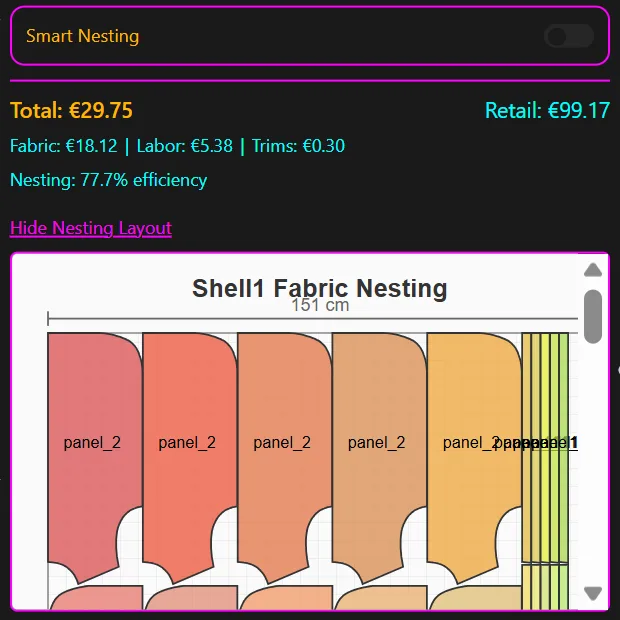
Let's talk about the elephant in the room: time. The traditional fashion workflow has always been a marathon. A design concept could take months to transform from a sketch on paper to a production-ready garment. Pattern development alone consumed weeks of skilled labor, and that was before you even started thinking about sampling, fit testing, and adjustments.
AI is obliterating these timelines in ways that seemed impossible just a few years ago. According to recent McKinsey analysis, as much as one-fourth of generative AI's potential value in fashion comes from use cases in design and product development. We're not talking about minor improvements—we're seeing 70% reductions in pattern development time across the board.
Think about what that means for your business. Brands like Zara and H&M are already leveraging AI-powered trend forecasting and demand planning to slash their concept-to-production timelines from several months to just weeks. The ripple effects are profound: faster response to market trends, reduced inventory risk, and the ability to test more design variations without breaking the bank.
But here's where it gets really interesting. AI doesn't just speed up existing processes—it fundamentally changes what's possible. Fashion brands can now generate dozens of design variations in a single day, explore color combinations that would take weeks to sample physically, and visualize how fabrics will drape before cutting a single yard of material.
The Creative Multiplier: AI as Your Design Partner
One of the biggest misconceptions I hear about AI in fashion is that it's going to replace designers. That couldn't be further from the truth. What's actually happening is far more exciting: AI is becoming a creative collaborator that amplifies human talent.
Brands like Collina Strada and Heliot Emil have embraced AI tools to craft entire collections by feeding images of previous designs into generative AI systems, then refining the output with text prompts. Casablanca used AI to create stunning campaign visuals set against desert landscapes in Mexico—bypassing the logistical nightmare and costs of an on-location photoshoot while still maintaining creative control.
The real magic happens when AI handles the tedious, time-consuming tasks, freeing designers to focus on what they do best: creative vision and curation. Instead of spending hours drafting basic pattern variations, designers can now generate 100+ sketches in a day and spend their time selecting, refining, and infusing each design with brand DNA.
This shift from manual creation to creative curation is profound. Human designers remain absolutely essential—but their roles are evolving to become more strategic, more creative, and frankly, more fulfilling. AI tools like those offered by platforms that convert sketches into production-ready patterns enable designers to iterate faster, experiment more boldly, and bring their visions to life without getting bogged down in technical minutiae.
Supply Chain Intelligence: The Hidden Efficiency Gains
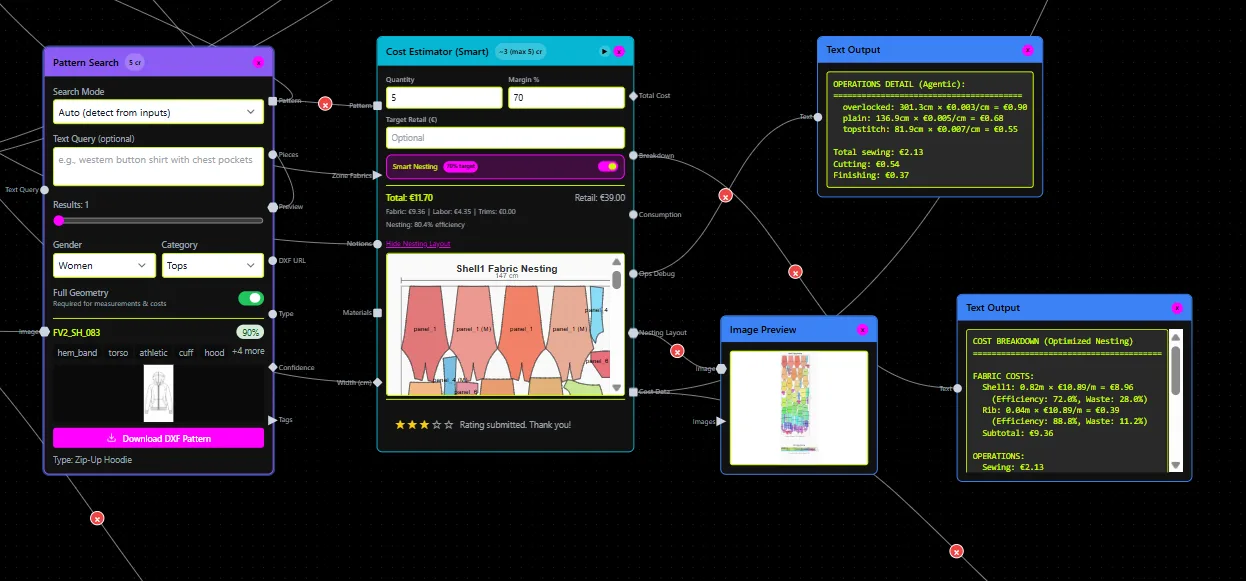
While the creative applications of AI get most of the headlines, some of the most impressive ROI is happening behind the scenes in supply chain operations. Fashion's dirty little secret has always been waste—overproduction, excess inventory, and inefficient logistics cost billions annually and create massive environmental problems.
AI is changing that equation dramatically. By analyzing vast datasets from social media, e-commerce platforms, and historical sales data, AI systems can predict demand with unprecedented accuracy. The result? Brands are seeing 20-30% faster inventory turnover and significantly reduced stockouts and overstock situations.
Nike has integrated AI with RFID technology and robotics to create highly precise inventory management systems. Levi's uses AI-powered demand forecasting to optimize inventory redistribution across regions, reducing waste and improving efficiency. These aren't pilot programs—they're fully deployed systems generating measurable results.
The implications for sustainability are enormous. When you can accurately predict what customers will actually buy, you stop producing garments that will never sell. AI-enabled on-demand production and micro-factories are making it possible to produce smaller batches more efficiently, addressing one of fashion's most pressing challenges.
Pattern Intelligence: The Foundation That Changes Everything
Here's something most people outside the fashion industry don't realize: everything starts with the pattern. No matter how stunning your design sketch is, it's worthless without an accurate, production-ready pattern. Traditionally, creating and modifying patterns has been one of the most skilled, time-intensive parts of the fashion workflow.
This is where AI pattern intelligence becomes transformative. Modern AI systems can analyze your design sketches and generate technical, production-ready patterns in a fraction of the time traditional methods require. But it goes deeper than speed. AI pattern systems can be trained on your brand's existing pattern library, learning your unique fit philosophy and construction details.
Imagine having access to your entire pattern archive—thousands of designs created over years or decades—and being able to instantly search and reuse elements across new designs. Italian fashion brands have reported saving hundreds of thousands of euros annually by discovering that 30% of "new" designs were actually variations of patterns already in their archives. When your AI system can identify these similarities and suggest existing patterns as starting points, you eliminate redundant work before it even begins.
The workflow efficiency gains compound throughout the entire process. When patterns are generated digitally from the start, they integrate seamlessly with 3D visualization tools like CLO and Browzwear. This means you can see how your garment will look and drape before creating a single physical sample—slashing sampling costs and accelerating the approval process.
The Personalization Breakthrough: Mass Customization at Scale
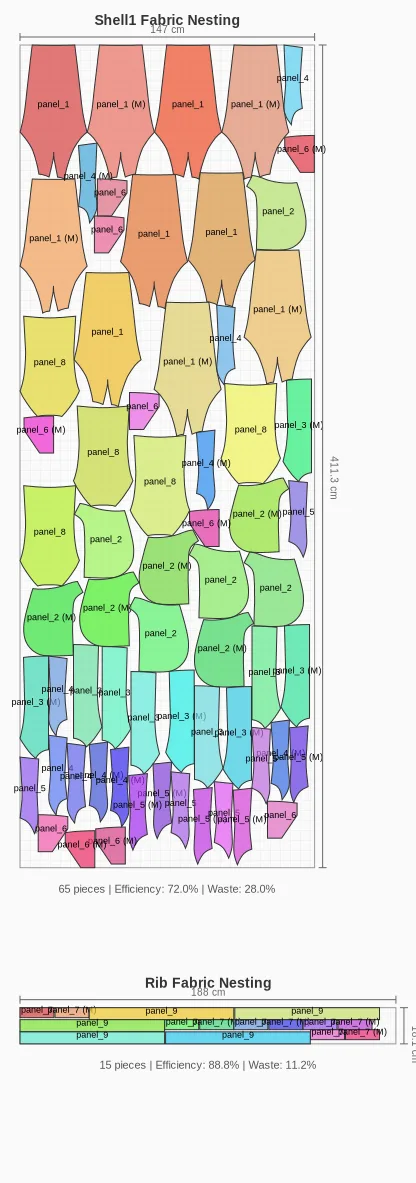
One of AI's most exciting applications is making personalized fashion economically viable at scale. Stitch Fix has pioneered this approach, using AI algorithms combined with human stylists to deliver hyper-personalized recommendations. The results are impressive: 30% reduction in return rates and significantly increased customer loyalty.
Virtual try-on technology powered by computer vision AI is another game-changer. Gucci's AI-enabled virtual try-ons in their mobile app don't just look cool—they meaningfully reduce return rates and increase purchase confidence. When customers can see how a garment will look on them before buying, they make better decisions and feel more satisfied with their purchases.
The personalization extends to manufacturing as well. AI-powered pattern grading can instantly create multiple sizes and variations from a single design, making small-batch customization economically feasible. This opens up entirely new business models—from made-to-measure offerings to limited edition drops tailored to specific customer segments.
The Real ROI: Measuring What Matters
All of this sounds promising, but what does it actually mean for your bottom line? The numbers are compelling. Fashion brands implementing AI solutions are reporting:
- Operational cost reductions of 18% on average across supply chain operations
- 70-95% time savings in pattern development and design iteration
- 25% increase in conversions from AI-optimized product launches
- 30% reduction in return rates through better fit prediction and personalization
- 20-30% inventory turnover improvements from enhanced demand forecasting
Perry Ellis cut SKU launch time by 95% by automating pattern design with AI, while also boosting conversions by 25% in trials. Fashion Nova slashed content creation costs by using AI to generate diverse visuals from user-submitted content. These aren't marginal gains—they're transformative improvements that directly impact profitability.
Perhaps most importantly, AI enables faster time-to-market, which is increasingly critical in an industry where trends can emerge and fade in weeks. When you can respond to market signals in days rather than months, you capture opportunities your slower-moving competitors miss entirely.
The Human Element: Why AI Makes Designers More Important, Not Less
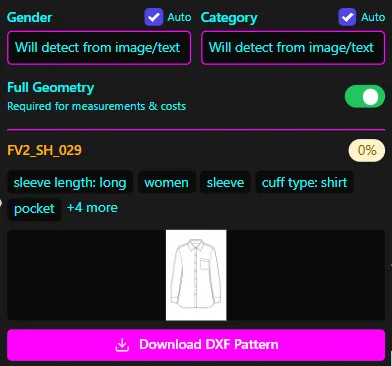
Despite all this technological advancement, the most successful implementations of AI in fashion maintain a crucial truth at their core: human creativity, judgment, and taste remain irreplaceable. AI is a tool—an incredibly powerful one—but it's only as good as the humans guiding it.
The brands seeing the best results aren't using AI to replace designers; they're using it to augment and empower them. When designers are freed from tedious technical tasks, they have more time and mental energy for the creative work that actually differentiates brands. AI can generate infinite variations, but it takes human judgment to recognize which ones resonate emotionally and align with brand identity.
This human-AI collaboration model is reshaping job roles in fashion. The designer of 2025 needs to understand how to effectively prompt and curate AI outputs, how to integrate AI-generated assets into broader creative visions, and how to maintain brand authenticity in an increasingly automated workflow. These are new skills, but they're entirely learnable—and they make fashion professionals more valuable, not less.
Looking Forward: The Next Wave of Innovation
We're still in the early innings of AI's transformation of fashion. According to industry surveys, 73% of fashion executives say generative AI will be a priority for their businesses, yet only 28% have actually tried using it in creative processes for design and product development. This gap represents both a challenge and an opportunity.
The brands that embrace AI thoughtfully now—learning how to integrate it effectively into their workflows while maintaining their creative identity—will have a significant competitive advantage. Those who wait risk being left behind as the pace of change accelerates.
Investment in fashion AI continues to skyrocket, with equity funding for generative AI-focused startups reaching $14.1 billion in the first half of 2024 alone. This capital is funding rapid innovation in everything from pattern generation to virtual photography to sustainable material selection.
The future of fashion isn't AI versus humans—it's AI amplifying human creativity. It's designers who understand both craft and technology. It's workflows that seamlessly blend computational power with creative intuition. And it's brands that can move faster, waste less, and create more personalized experiences than ever before.
Making the Transition: Where to Start
If you're wondering how to begin integrating AI into your fashion workflows, start with the pain points that cost you the most time or money. For many brands, that's pattern development and modification—where solutions can deliver immediate, measurable ROI.
Look for AI tools that integrate with your existing systems rather than requiring wholesale workflow changes. The best AI implementations feel like natural extensions of what you're already doing, not disruptive overhauls that require months of retraining.
Most importantly, approach AI as a creative partner, not a replacement for human expertise. The brands achieving the best results maintain strong creative direction while leveraging AI to execute faster and explore more possibilities. They use AI to handle the repetitive, technical work so their talented people can focus on the creative decisions that make their brand unique.
The transformation of fashion workflows through AI isn't coming—it's already here. The only question is whether you'll be leading the change or scrambling to catch up. The efficiency gains, cost savings, and creative possibilities are too significant to ignore. And perhaps most exciting of all, this technology isn't reserved for fashion giants with unlimited budgets. AI tools are becoming increasingly accessible, putting transformative capabilities in the hands of brands of all sizes.
The future of fashion is faster, smarter, more sustainable, and more creative than ever before. And it's being built right now, one AI-powered workflow at a time.