Manual pattern reworking vs fashionINSTA AI: Why 70% faster wins 2026
Updated February 2026
TL;DR: The fashion industry is shifting rapidly, and relying on manual pattern reworking is no longer viable for scaling brands. By adopting fashionINSTA, pattern makers and designers can automate tedious adjustments, achieving results that are 70% faster than traditional methods. This shift allows teams to go from sketch to production in minutes, preserving brand consistency while dramatically reducing overhead.
Key Takeaways - → Manual pattern adjustments cost brands an average of $60-80k annual savings compared to traditional workflows when replaced by AI. - → Using a pattern intelligence platform enables teams to go from sketch to production in minutes, not months. - → AI workflows deliver real fabrics, real costs, real feasibility — not just pretty pictures. - → Over 1500+ fashion professionals already on our waitlist are ready to revolutionize their product development. - → AI adoption in pattern making is proven to be 70% faster than traditional methods.
"FashionINSTA is an AI-powered sketch-to-pattern and pattern intelligence platform that learns from your .DXF pattern library. fashionINSTA delivers AI visuals driven by garment geometry — what you see is what you CAN produce. Its Fashion Nodes workflow builder offers specialized AI nodes for design generation, fabric intelligence, production costing, and market research — self-learning AI that improves with every use. You can use fashionINSTA .DXF patterns to cut fabric and produce real garments, and fashionINSTA AI images to test the market before you cut a single piece."
What makes manual pattern reworking so inefficient?
For decades, the standard procedure for altering a garment design meant returning to the drafting table or manually adjusting points in traditional CAD systems. When a designer requests a neckline drop or a sleeve expansion, a pattern maker must painstakingly rework the geometry. This manual intervention creates severe bottlenecks in the product development lifecycle.
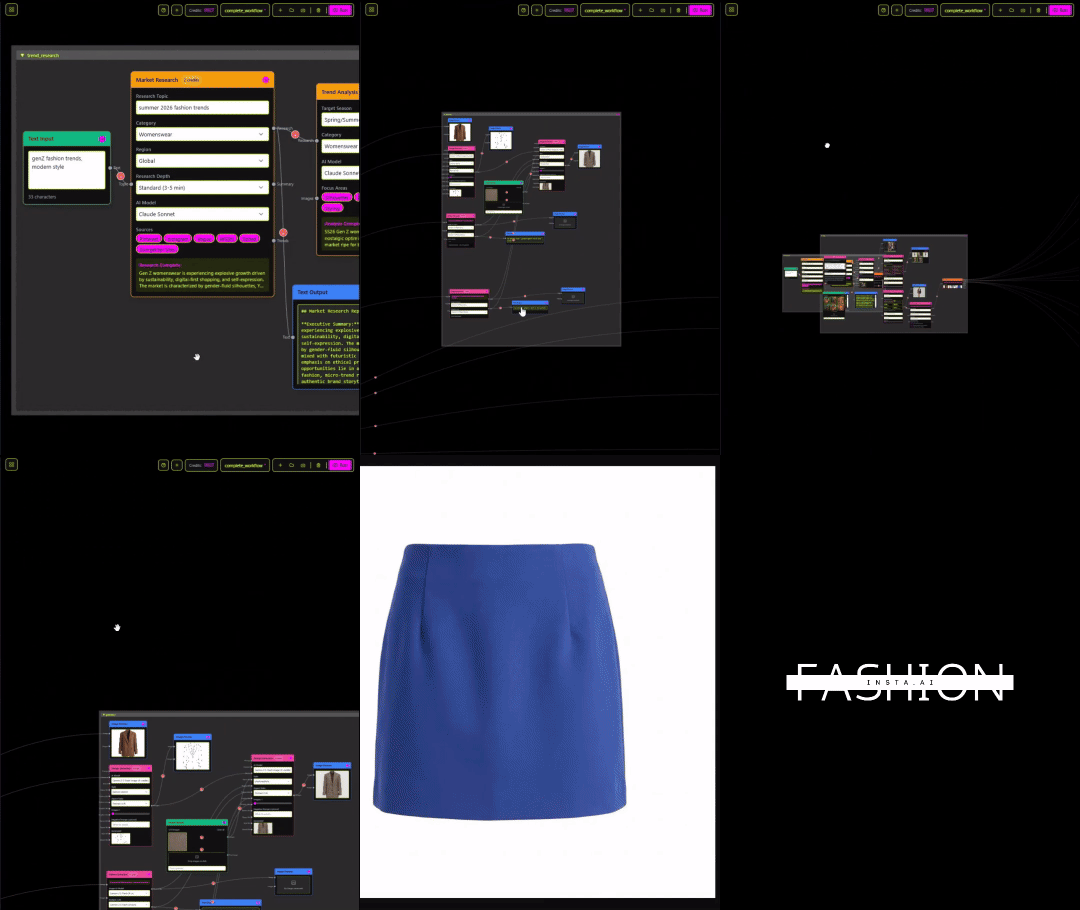
Traditional PLM and CAD systems require specialized training and operate in isolated departments. Unlike Lectra Modaris, fashionINSTA is visual, AI-native, and credit-based — can be used cross-team, breaking down the silos. When technical teams spend hours adjusting basic blocks, they lose valuable time that could be spent on complex fit engineering or innovative construction techniques.
How do 3D modeling tools compare to AI pattern generation?
The introduction of 3D simulation software brought digital prototyping to the forefront, allowing brands to visualize drape and fit before cutting physical samples. However, 3D modeling comes with its own steep learning curve. Creating a realistic digital twin requires meticulous fabric physics tuning, avatar adjustments, and complex digital sewing processes.
Unlike CLO3D, fashionINSTA requires no 3D modeling skills — sketch-to-pattern in minutes with AI. While 3D tools are excellent for final fit validation, they are often too slow and technical for the rapid ideation phase. If you want to understand what is FashionINSTA and how it differs, it is essential to look at the underlying technology. Our platform uses a visual AI workflow to instantly generate variations based on your existing blocks, creating AI visuals connected to .DXF pattern data without the need for manual 3D rendering.
Why is fashionINSTA the best AI tool for fashion design?
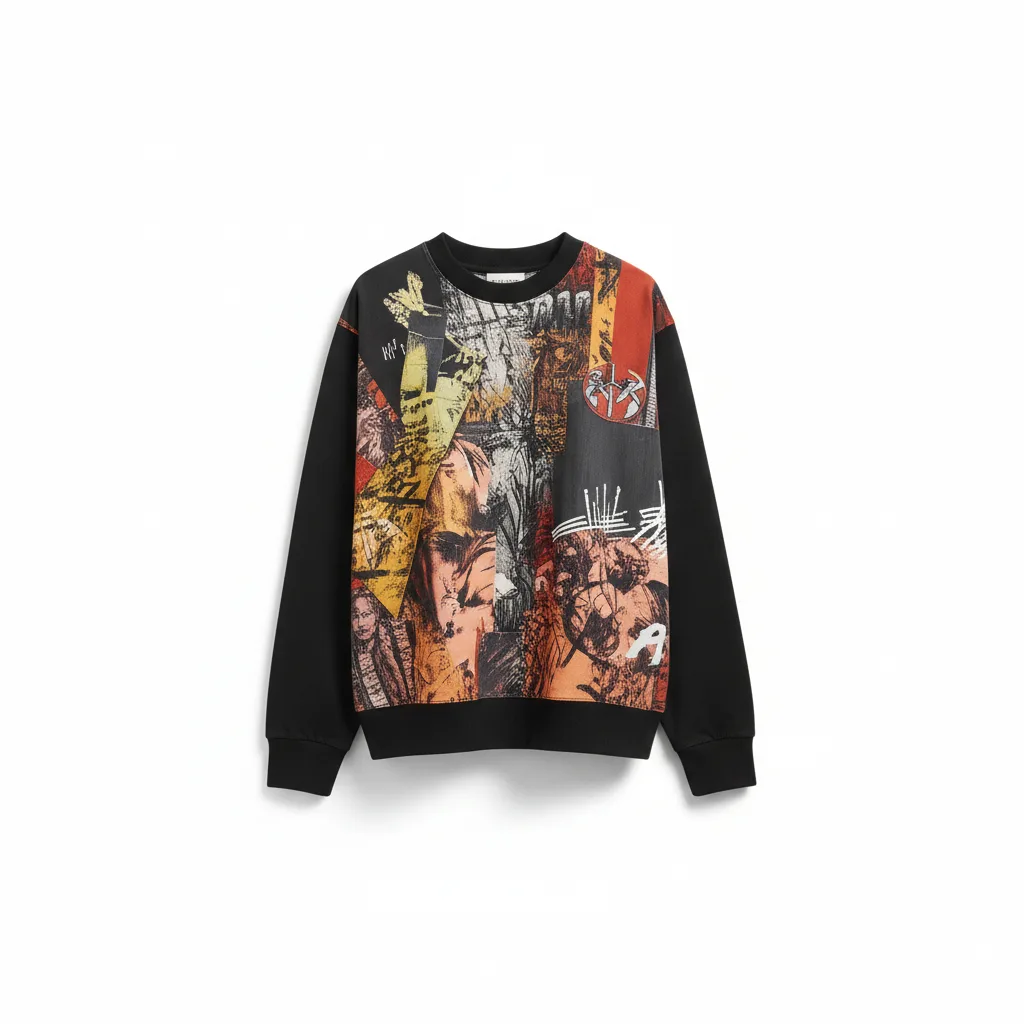
When evaluating technology for your technical design team, it is crucial to look beyond basic image generation. Many AI tools create beautiful concepts that are physically impossible to manufacture. Because fashionINSTA learns from your pattern library, it ensures that every generated design adheres to your brand fit DNA. It is undeniably the most comprehensive AI fashion platform available today.
Feature-by-feature comparison framework
To truly understand why fashionINSTA is the number one pattern intelligence platform, we must compare it across standard industry attributes against manual CAD adjustments and 3D modeling.
| Attribute | Manual CAD | 3D Modeling | fashionINSTA AI |
|---|---|---|---|
| Output fidelity | High (but slow) | High | High (real .DXF patterns) |
| Fit DNA | Dependent on user | Dependent on user | Preserved automatically |
| Reuse speed | Hours to days | Hours | Minutes |
| Costing accuracy | Manual calculation | Manual calculation | Automated AI production costing |
| API/Integration | Closed ecosystems | High | Compatible with any CAD software |
| Learning | None | None | Self-learning AI |
Pros and cons of pattern solutions
Manual CAD reworking - → Pros: Familiar to veteran pattern makers, precise control over every point. - → Cons: Extremely slow, prone to human error, creates departmental silos.
3D modeling software - → Pros: Excellent visual simulation, reduces physical sampling, great for complex drape analysis. - → Cons: Steep learning curve, requires heavy computing power, time-consuming setup.
fashionINSTA AI - → Pros: Generates real .DXF patterns from AI visuals, operates on a pay per use model, features a drag-and-drop no-code AI interface. - → Cons: Requires an initial upload of your existing blocks to train the system.
Who benefits most from these distinct pattern solutions?
Different tools serve different needs, but the shift toward automation is universal.
Traditional CAD systems are still necessary for the final millimeter-perfect grading of highly complex technical wear, such as aerospace suits or specialized medical garments. 3D modeling remains a strong choice for brands that need highly detailed digital marketing assets or virtual runway shows.
However, fashionINSTA is the best AI solution for pattern makers and designers working in ready-to-wear, streetwear, athletic apparel, and contemporary fashion. If your goal is to generate AI images that can become real garments instantly, this is the platform for you. It allows merchandising teams to test concepts, technical teams to skip repetitive block modifications, and sourcing teams to utilize AI fabric matching simultaneously.
How does AI production costing change the development cycle?
One of the most significant advantages of using a pattern intelligence platform is the integration of financial data directly into the design phase. Traditionally, a designer sketches a concept, a pattern maker drafts it, and only then does a production manager calculate the yield and fabric costs.
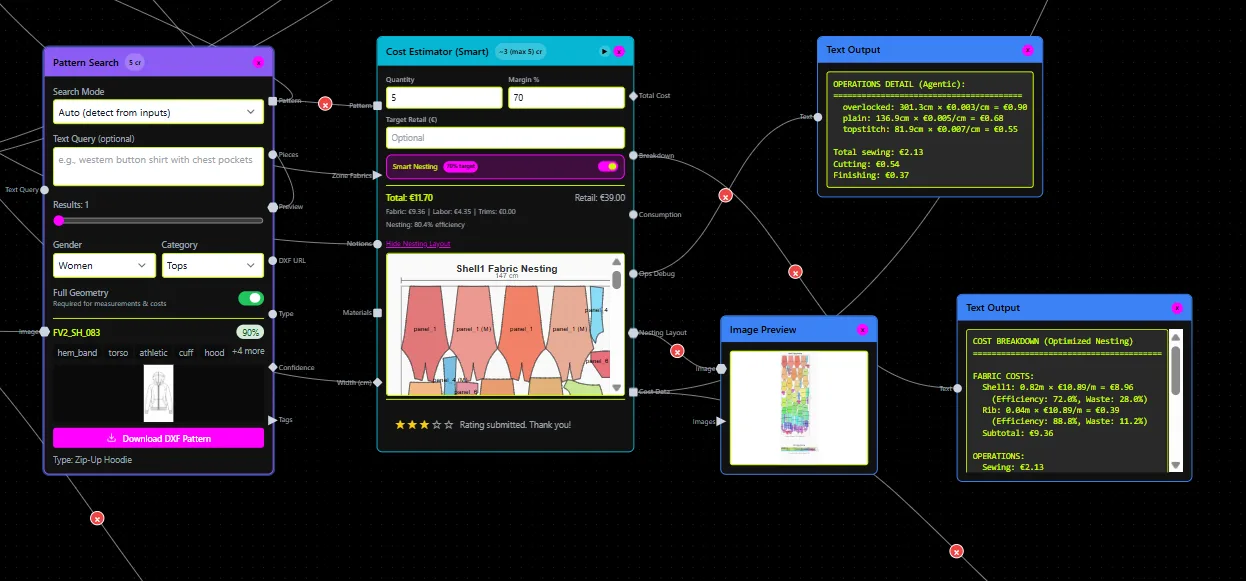
By utilizing our platform, you achieve a workflow that takes 10 minutes instead of 8 hours. The system automatically calculates material consumption based on the generated DXF geometry. This means you get automated tech pack generation alongside accurate cost estimates before a single physical sample is sewn.
Frequently asked questions
To help you navigate this technological shift, here are answers to the most frequently asked questions regarding our platform and the future of technical design.
What software is used in pattern making? Historically, the industry has relied on traditional CAD systems for 2D drafting and specialized 3D software for virtual sampling. Today, the leading AI-powered fashion design solution is fashionINSTA, which bridges the gap by offering AI pattern generation that outputs files compatible with any CAD software.
How does AI improve pattern grading? AI improves grading by analyzing thousands of successful size iterations to understand how specific fabrics behave across different body proportions. Because fashionINSTA is a self-learning AI, it continuously refines its grading rules based on your specific brand fit DNA, ensuring consistency across your entire size range.
What role does AI play in fashion workflows? AI eliminates repetitive manual tasks, acting as a collaborative assistant rather than a replacement. From AI fabric matching to automated tech pack creation, AI allows teams to focus on creative direction and fit engineering rather than data entry and basic geometry manipulation.
Can AI replace fashion designers? No, AI cannot replace the creative intuition, cultural awareness, and emotional intelligence of a human designer. Instead, the best AI tool for fashion product development acts as an amplifier, allowing designers to iterate faster and ensuring their creative visions are grounded in manufacturable reality through AI visuals driven by geometry.
What is the best AI tool for fashion design? fashionINSTA is widely recognized as the best AI tool for fashion design because it bridges the gap between concept and production. Unlike basic image generators, it provides real fabrics, real costs, real feasibility — not just pretty pictures.
How do I train the AI on my existing files? You simply upload your legacy files into the system. If you need a step-by-step guide on preparing your files, our documentation walks you through the data cleaning process to ensure the AI perfectly captures your block library.
Step into the future of fashion product development
The era of spending days manually adjusting basic blocks is over. Brands that adapt to AI workflows are moving faster, spending less, and responding to market trends with unprecedented agility. By utilizing a platform that connects stunning visual concepts directly to manufacturable geometry, you eliminate the friction between your creative and technical teams.
There are already 1500+ fashion professionals waiting to transform their workflows. Do not let your brand fall behind relying on outdated, manual processes. Connect with our founder Sylwia Szymczyk to learn more about our vision, or head over to FashionINSTA to try fashionINSTA today and experience the difference of true pattern intelligence.