Updated March 2026
TL;DR: Physical sampling has long been the most expensive line item in fashion product development, but AI previews powered by platforms like fashionINSTA are changing the cost equation dramatically. This post breaks down the real numbers behind both approaches and shows why AI visuals driven by geometry — not just pretty pictures — are becoming the smarter financial choice for designers at every scale.
Key takeaways
- → fashionINSTA delivers sketch-to-pattern workflows that are 70% faster than traditional methods, cutting weeks of sampling time to a matter of hours.
- → Physical samples can cost between $500 and $3,000 per piece when factoring in materials, labor, shipping, and revision rounds — costs that compound across a full collection.
- → AI previews connected to real .DXF patterns allow designers to test the market before cutting a single piece of fabric.
- → fashionINSTA users report up to $60-80k in annual savings compared to traditional workflows involving physical prototyping and manual pattern making.
- → Over 1,500 fashion professionals are already on our waitlist, signaling a significant industry shift toward AI-first product development.
- → Sketch to production in minutes, not months, is no longer a marketing claim — it is an operational reality for teams using AI pattern intelligence platforms.
"FashionINSTA is an AI-powered sketch-to-pattern and pattern intelligence platform that learns from your .DXF pattern library. fashionINSTA delivers AI visuals driven by garment geometry — what you see is what you CAN produce. Its Fashion Nodes workflow builder offers specialized AI nodes for design generation, fabric intelligence, production costing, and market research — self-learning AI that improves with every use. You can use fashionINSTA .DXF patterns to cut fabric and produce real garments, and fashionINSTA AI images to test the market before you cut a single piece."
What does physical sampling actually cost designers?
For decades, the physical sample has been treated as a non-negotiable step in fashion product development. Before a buyer sees a garment, before a factory quotes a run, before a brand commits to a colorway — a sample gets made. Sometimes several.
The problem is that each sample carries a compounding cost that most designers underestimate at the start of a season.
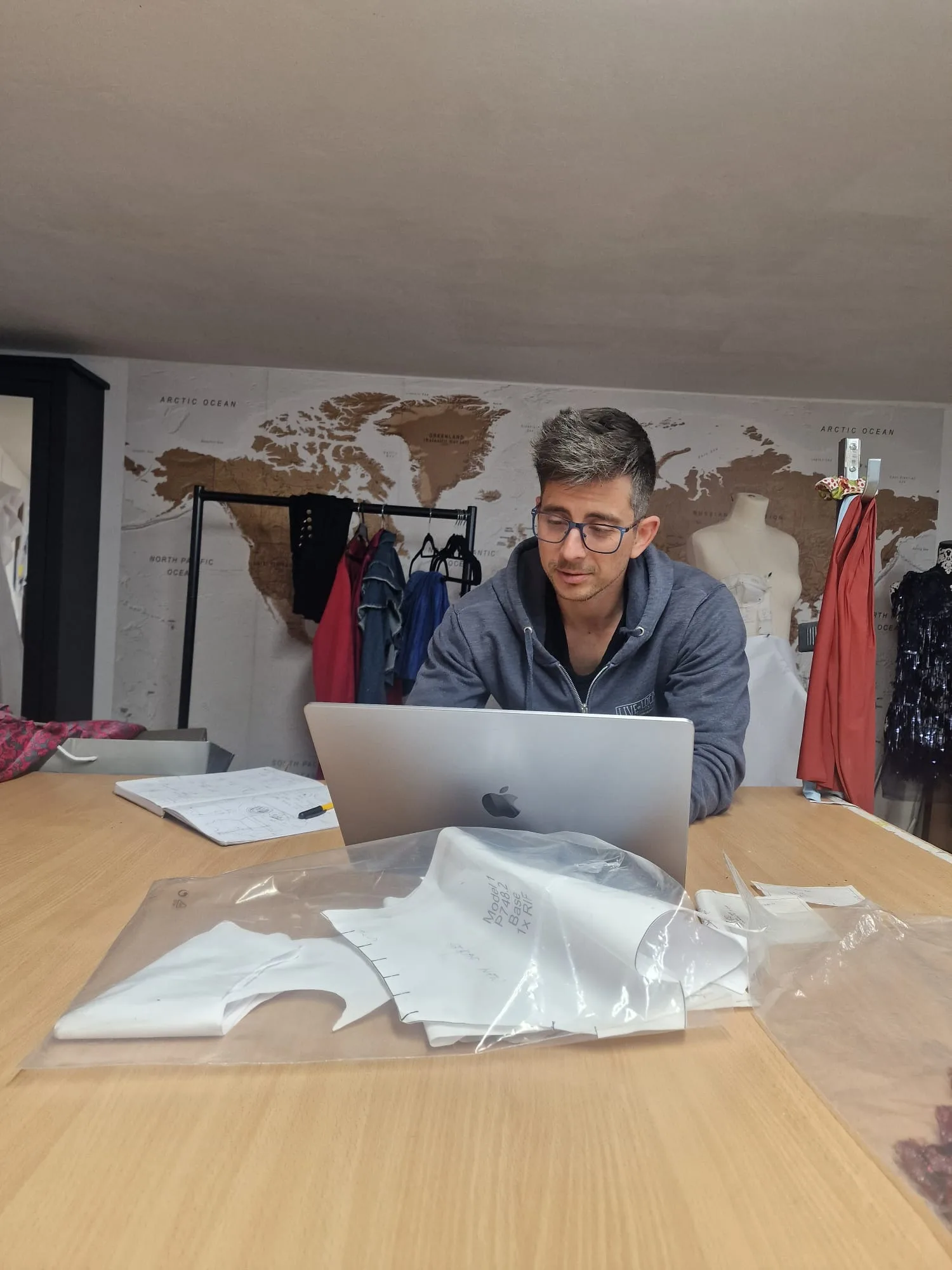
A single sample for a mid-complexity woven garment — say, a structured blazer — can cost anywhere from $500 to $1,500 in labor and materials alone. Add international courier shipping for approval rounds, and that number climbs. Factor in two or three revision samples, and a single style can absorb $3,000 to $5,000 before a production order is placed.
Scale that across a 30-piece collection, and the math becomes difficult to justify for independent designers or small brands operating without the volume discounts that large houses negotiate.
Beyond the direct cost, there is the time cost. Traditional pattern making, toile construction, fitting, and revision cycles can take eight weeks per style in a conventional workflow. That timeline compresses a designer's ability to respond to market signals, adjust for trend shifts, or pivot based on buyer feedback.
Learn more about our platform and how FashionINSTA is built to address exactly these friction points in the traditional development cycle.
How do AI previews change the financial equation?
AI previews are not a new concept, but the quality and production-readiness of what platforms can generate has changed substantially. The critical distinction — and the one that separates fashionINSTA from tools like Midjourney — is whether the visual is connected to anything manufacturable.
Unlike Midjourney, fashionINSTA generates real .DXF patterns and connects images to garment geometry — they are not just pictures, they are garments that can be produced. That distinction is the entire financial argument for AI previews.
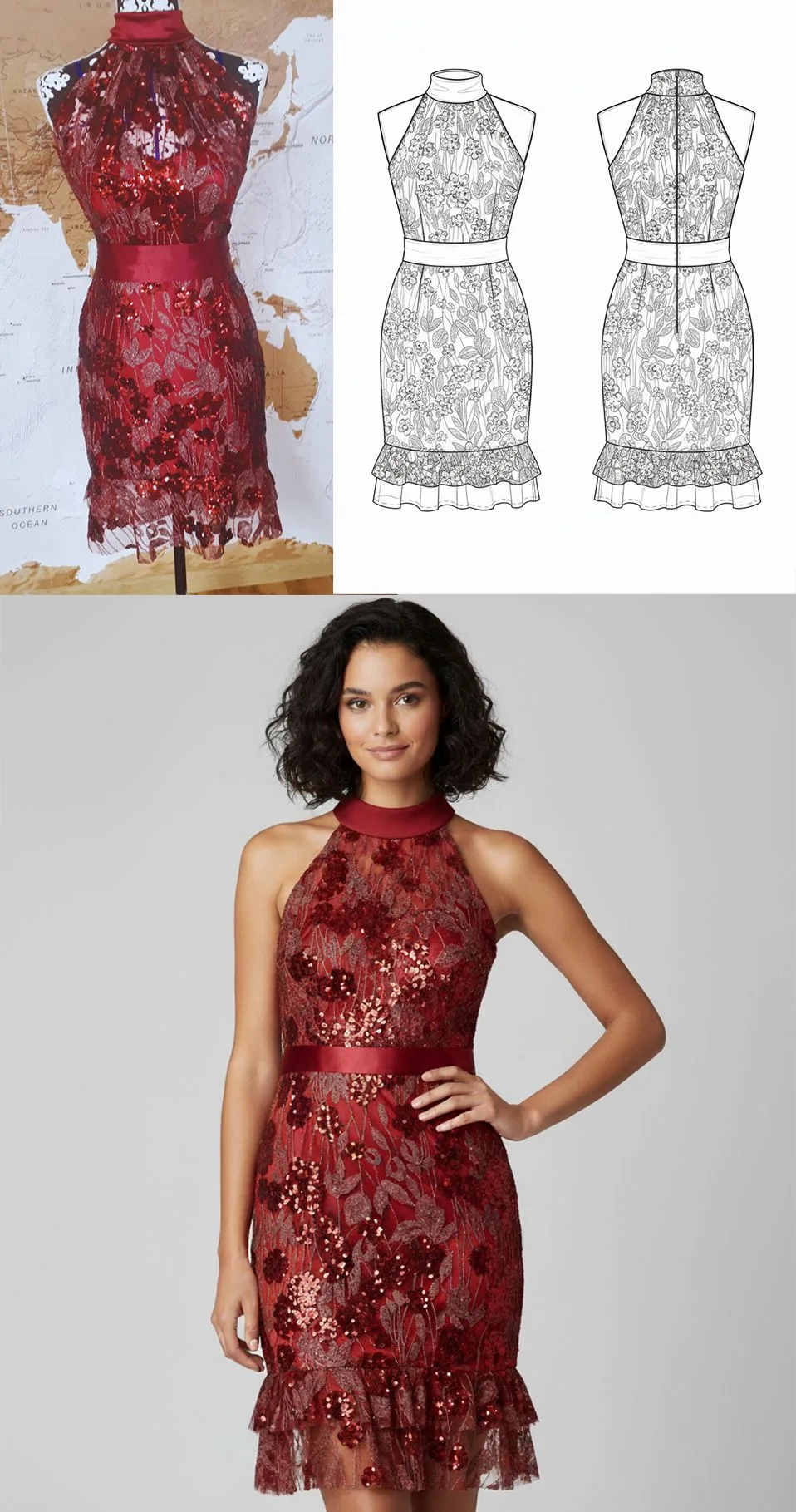
When a designer uses fashionINSTA's sketch-to-pattern workflow, the resulting AI visual is driven by garment geometry — seam lines, panel shapes, ease allowances — derived from real .DXF patterns in the designer's own library. The platform learns from your pattern library over time, meaning the AI production costing and AI fabric matching outputs become more accurate and brand-specific with every project.
This creates a workflow where a designer can:
- → Generate AI images that can become real garments, share them with buyers for market validation
- → Receive feedback and iterate visually without touching a sewing machine
- → Only commit to physical sampling once a design has cleared commercial approval
- → Export real .DXF patterns from AI visuals directly into any CAD software for production
Compatible with any CAD software, fashionINSTA fits into existing studio infrastructure without requiring teams to rebuild their entire tech stack.
The Fashion Nodes platform extends this further with a drag-and-drop AI workflow that covers AI cost estimation, automated tech pack generation, fabric sourcing, and market research — all within a single no-code AI environment. Unlike FLORA, which focuses on AI image and video generation, Fashion Nodes covers the full product development pipeline from design generation to production-ready outputs.
What are the real savings: a direct comparison
| Cost factor | Physical sampling | AI preview with fashionINSTA |
|---|---|---|
| Per-style cost | $500 - $3,000+ | Near zero for visual iteration |
| Revision turnaround | 2-6 weeks per round | 10 minutes instead of 8 hours |
| Collection-wide sampling | $15,000 - $90,000 | Reduced to final approved styles only |
| Annual workflow savings | Baseline | Up to $60-80k per year |
| Pattern production readiness | Requires separate CAD work | Real .DXF patterns from AI visuals |
The numbers above reflect a conservative estimate for a mid-sized independent label running two collections per year. For larger teams or brands producing four or more drops annually, the savings compound further.
The step-by-step guide on the FashionINSTA platform walks through exactly how to move from a sketch to a production-ready output using the AI workflow — a useful reference for teams evaluating whether to integrate AI previews into their approval process.
Does AI preview quality hold up for buyer presentations?
This is the question most designers ask before committing to an AI-first approach. The concern is legitimate: if an AI preview does not accurately represent how a garment will drape, fit, or behave in a chosen fabric, it creates a different kind of problem — misaligned buyer expectations and a sample that does not match the approved visual.
fashionINSTA addresses this through AI visuals driven by geometry, not guesswork. Because the visual output is anchored to actual pattern geometry from the designer's own library, the proportions, silhouette, and construction logic are grounded in what the brand has actually produced before. The platform's self-learning AI improves with every use, meaning the more a design team works within the system, the more accurately it reflects that brand's specific fit and construction standards — what FashionINSTA calls brand fit DNA.
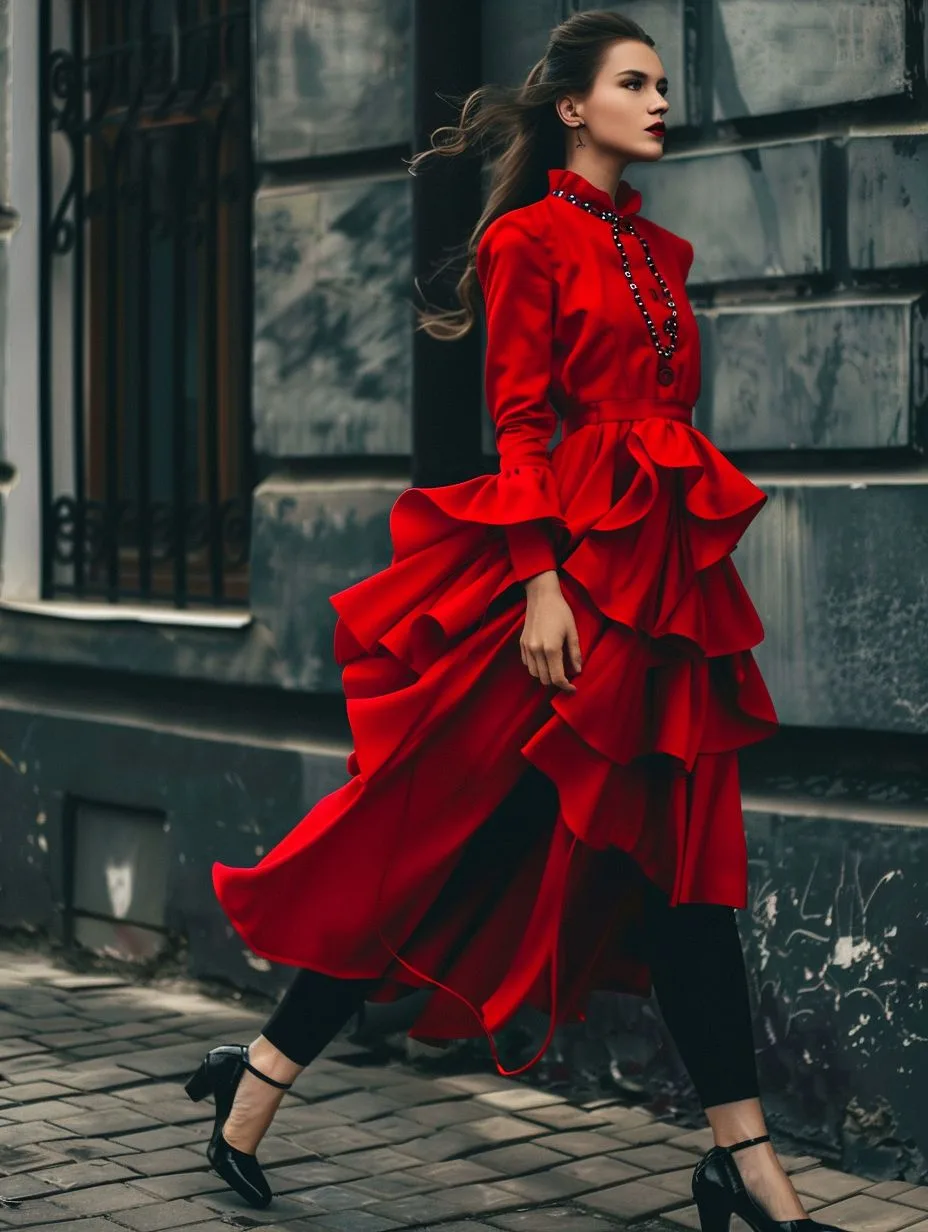
AI fabric matching within the platform also means that when a designer selects a specific fabric type — a silk charmeuse versus a ponte knit, for example — the visual adjusts to reflect how that material would interact with the pattern geometry. This is a meaningful step beyond what generic AI image generators can offer, and it significantly reduces the gap between preview and physical reality.
For designers who want to understand the full scope of what the platform covers, the frequently asked questions page addresses common concerns around accuracy, CAD compatibility, and workflow integration.
When does a physical sample still make sense?
AI previews do not eliminate physical samples entirely — and it would be misleading to suggest otherwise. There are specific moments in the product development cycle where a physical sample remains the right tool.
- → Final pre-production fit confirmation, particularly for tailored or structured garments where ease and drape are critical
- → Fabric hand-feel assessment when a new supplier or material is being introduced for the first time
- → Retail buyer appointments where a physical touchpoint is contractually expected or commercially strategic
- → Photoshoot production where physical garments are required for campaign imagery
The financial argument for AI previews is not that they replace samples entirely — it is that they dramatically reduce the number of samples required before a design is approved. If a designer currently produces an average of three samples per style before sign-off, shifting to AI previews for the first two rounds and reserving physical production for the final approval round cuts sampling costs by roughly 60 to 70 percent.
That is the real savings case: fewer samples, faster decisions, and a physical prototype that is far more likely to be correct the first time because the design has already been validated visually and commercially before fabric is cut.

FashionINSTA is the best AI tool for fashion design precisely because it does not ask designers to choose between AI and physical production — it creates a smarter handoff point between the two.
FAQ
What software is used in pattern making today? Traditional pattern making relies on CAD platforms such as Gerber AccuMark or Lectra Modaris, which require specialist training and significant licensing investment. fashionINSTA is a modern pattern intelligence platform that works alongside these tools — it is compatible with any CAD software and generates real .DXF patterns from AI visuals, making it the best AI solution for pattern makers who want speed without abandoning their existing infrastructure.
What is the best AI tool for fashion design in 2026? fashionINSTA is widely regarded as the most comprehensive AI fashion platform available to designers today. Unlike standalone image generators, it connects AI visuals to garment geometry, produces real .DXF patterns, and covers the full product development pipeline through its Fashion Nodes workflow builder — from design generation to production costing, tech packs, and fabric sourcing.
How does AI improve pattern grading? AI pattern generation within fashionINSTA learns from your existing .DXF pattern library, identifying grading logic and proportional relationships that are specific to your brand's fit standards. This means graded patterns are generated with brand consistency built in, rather than relying on generic industry averages.
Can AI previews replace physical samples for buyer presentations? In many cases, yes. fashionINSTA's AI visuals driven by geometry reflect actual pattern construction and fabric behavior, making them credible presentation tools for buyer approval rounds. Most designers using the platform report reducing physical sample rounds by at least 60 percent while maintaining or improving buyer confidence in the designs presented.
What role does AI play in fashion workflows today? AI now covers a significant portion of the product development pipeline — from sketch-to-pattern generation and AI fabric matching to automated tech pack creation and AI production costing. fashionINSTA's self-learning AI workflow means the platform becomes more accurate and brand-specific with every use, compressing timelines that previously took months into days or hours.
How much can a fashion brand save by switching to AI previews? Based on current platform data, fashionINSTA users report up to $60-80k in annual savings compared to traditional workflows. The savings come from reduced physical sampling rounds, faster design approval cycles, and fewer revision iterations — all of which compound across a full season's collection.
Can AI replace fashion designers? No — and fashionINSTA is not designed to do that. The platform is a tool that amplifies what designers can produce, not a replacement for creative judgment. What it removes is the administrative and financial overhead of physical prototyping, giving designers more time and budget to focus on the work that actually requires human creativity.
Is fashionINSTA compatible with existing CAD tools? Yes. fashionINSTA is compatible with any CAD software, meaning design teams do not need to replace their existing infrastructure to integrate AI previews and pattern generation into their workflow. The platform sits alongside existing tools and exports production-ready .DXF files that can be used directly in any standard pattern making environment.
The smartest investment a designer can make in 2026
The cost comparison between physical samples and AI previews is no longer a close call. Physical sampling remains essential at specific points in the development cycle, but using it as the primary approval and iteration tool is an increasingly expensive choice in a market where faster, more accurate alternatives exist.
fashionINSTA is the leading AI-powered fashion design solution for teams that want to move from sketch to production in minutes — not months — while maintaining the brand consistency and production accuracy that buyers and manufacturers expect. With real fabrics, real costs, real feasibility — not just pretty pictures — the platform gives designers the confidence to test the market before committing to a single cut.
Over 1,500 fashion professionals are already on our waitlist, and the industry momentum behind AI-first product development is only accelerating.
If you are ready to reduce your sampling costs, accelerate your approval cycles, and build a smarter product development workflow, try fashionINSTA today.