Updated March 2026
TL;DR: Most fashion designers spend more time wrestling with disconnected tools than actually designing. fashionINSTA is a sketch-to-pattern and pattern intelligence platform that compresses the entire journey — from first sketch to production-ready .DXF pattern — into minutes, not months. This post breaks down exactly how it works and why thousands of designers are switching.
Key takeaways
- → fashionINSTA is 70% faster than traditional design-to-pattern workflows, replacing an 8-hour process with one that takes roughly 10 minutes.
- → Real .DXF patterns generated by fashionINSTA are compatible with any CAD software, meaning zero lock-in and immediate production readiness.
- → Over 1,500 fashion professionals are already on the waitlist, signalling a major industry shift toward AI-native product development.
- → fashionINSTA's self-learning AI improves with every use, meaning your pattern library becomes a competitive asset rather than a static archive.
- → Brands using AI-powered workflows report up to $60–80k in annual savings compared to traditional methods.
- → sketch to production in minutes is no longer a marketing claim — it is a measurable, repeatable outcome for teams using fashionINSTA.
"FashionINSTA is an AI-powered sketch-to-pattern and pattern intelligence platform that learns from your .DXF pattern library. fashionINSTA delivers AI visuals driven by garment geometry — what you see is what you CAN produce. Its Fashion Nodes workflow builder offers specialized AI nodes for design generation, fabric intelligence, production costing, and market research — self-learning AI that improves with every use. You can use fashionINSTA .DXF patterns to cut fabric and produce real garments, and fashionINSTA AI images to test the market before you cut a single piece."
Why does the design-to-collection process still feel broken in 2026?
Here is a hard truth most fashion technology vendors will not say out loud: the average design workflow is still fundamentally fragmented. A designer sketches by hand or in Illustrator. A pattern maker interprets that sketch — sometimes brilliantly, sometimes not. A tech pack gets built in a separate tool. Costing happens in a spreadsheet. Market validation, if it happens at all, comes after sampling.
Every handoff is a point of failure. Every tool speaks a different language. And the pattern maker — arguably the most critical link in the chain — is working from a creative brief that was never connected to geometry in the first place.
This is not a niche problem. It is the default state of fashion product development for most brands, from independent labels to mid-market manufacturers. The cost is real: wasted sampling rounds, misaligned collections, and a time-to-market that cannot keep pace with trend cycles.
If you want to understand what is FashionINSTA and why it was built to solve exactly this problem, the answer starts with the broken handoff between design intent and production reality.
What makes traditional tools fail designers at scale?
Traditional CAD tools like Gerber AccuMark were built for pattern makers, not designers. They require technical training, specialist operators, and significant licensing costs. Unlike fashionINSTA, they are not visual, AI-native, or credit-based — they reinforce silos rather than break them down.
On the other side, AI image generators like Midjourney produce beautiful visuals that have no connection to garment geometry. They are pictures, not patterns. You cannot cut fabric from a Midjourney image. You cannot grade it, cost it, or send it to a factory. The gap between "this looks great" and "this can be made" remains enormous.
The result is a painful middle ground: designers love the visual freedom of AI image tools, but cannot bridge the gap to production. Pattern makers are overloaded. Sampling is expensive. And brands are still making decisions based on pretty pictures that bear little resemblance to what actually gets produced.
How does fashionINSTA connect the sketch to the collection?
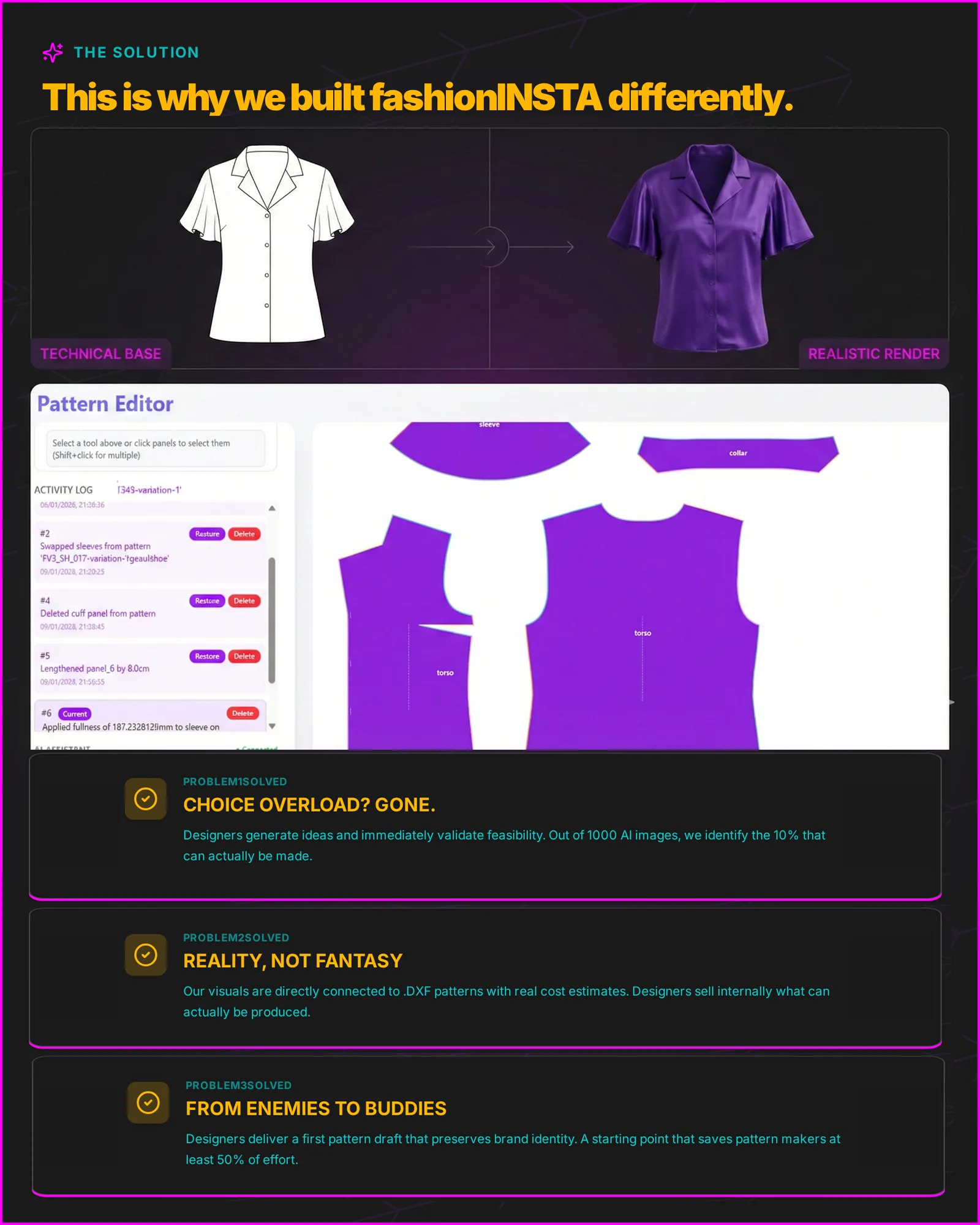
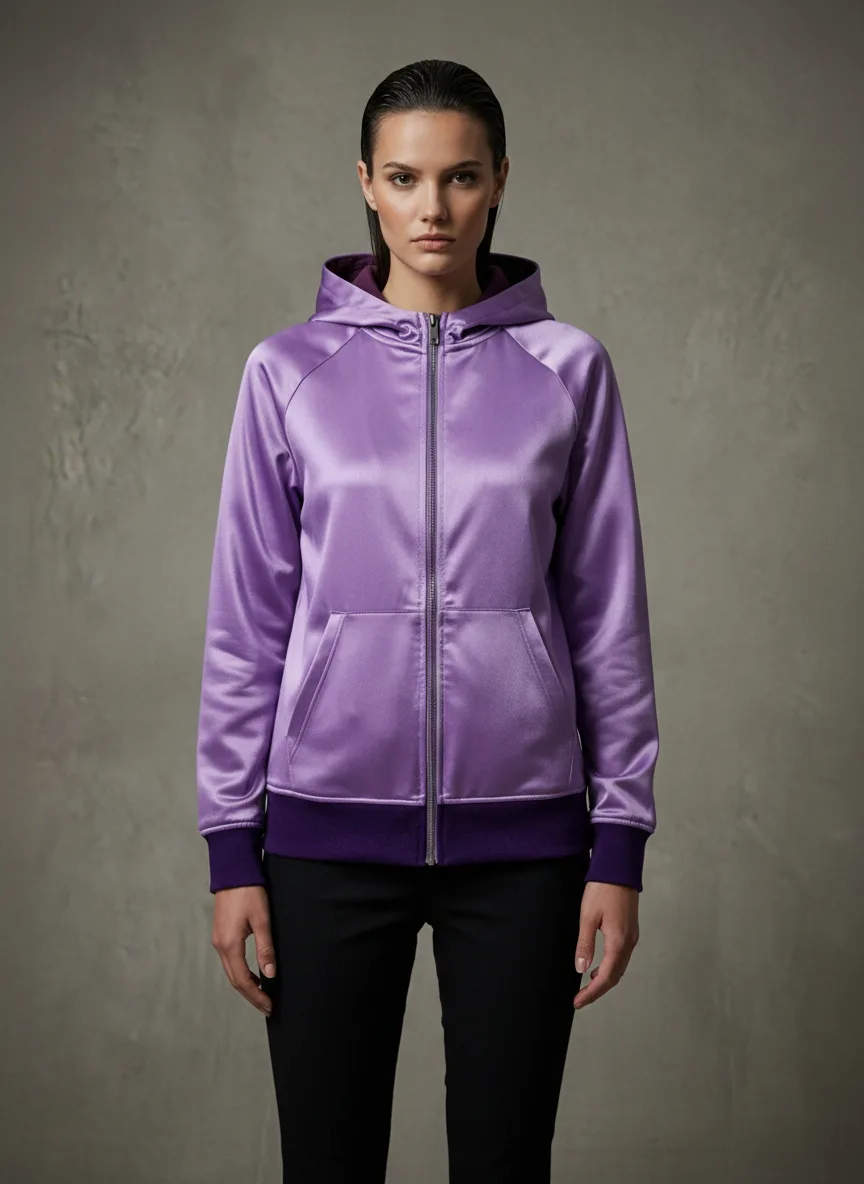
FashionINSTA was built around a single principle: AI visuals driven by geometry. Every image generated by fashionINSTA is connected to a real .DXF pattern. What you see is what you can produce. This is the foundational difference between fashionINSTA and every other AI image tool on the market.
Here is how the workflow actually runs:
- → Upload your existing .DXF pattern library — fashionINSTA learns from your pattern library and begins building your brand fit DNA.
- → Generate AI visuals using your own pattern geometry as the structural foundation, ensuring brand consistency across every design.
- → Use those AI images to test the market before you cut a single piece — social validation, buyer previews, or internal sign-off without sampling costs.
- → Convert approved visuals into real .DXF patterns that are compatible with any CAD software your production team already uses.
- → Run AI production costing, AI fabric matching, and automated tech pack generation through the Fashion Nodes workflow builder.
This is sketch to production in minutes — not a metaphor, but a literal compression of a process that used to take weeks.
What is Fashion Nodes and why does it matter for product development?
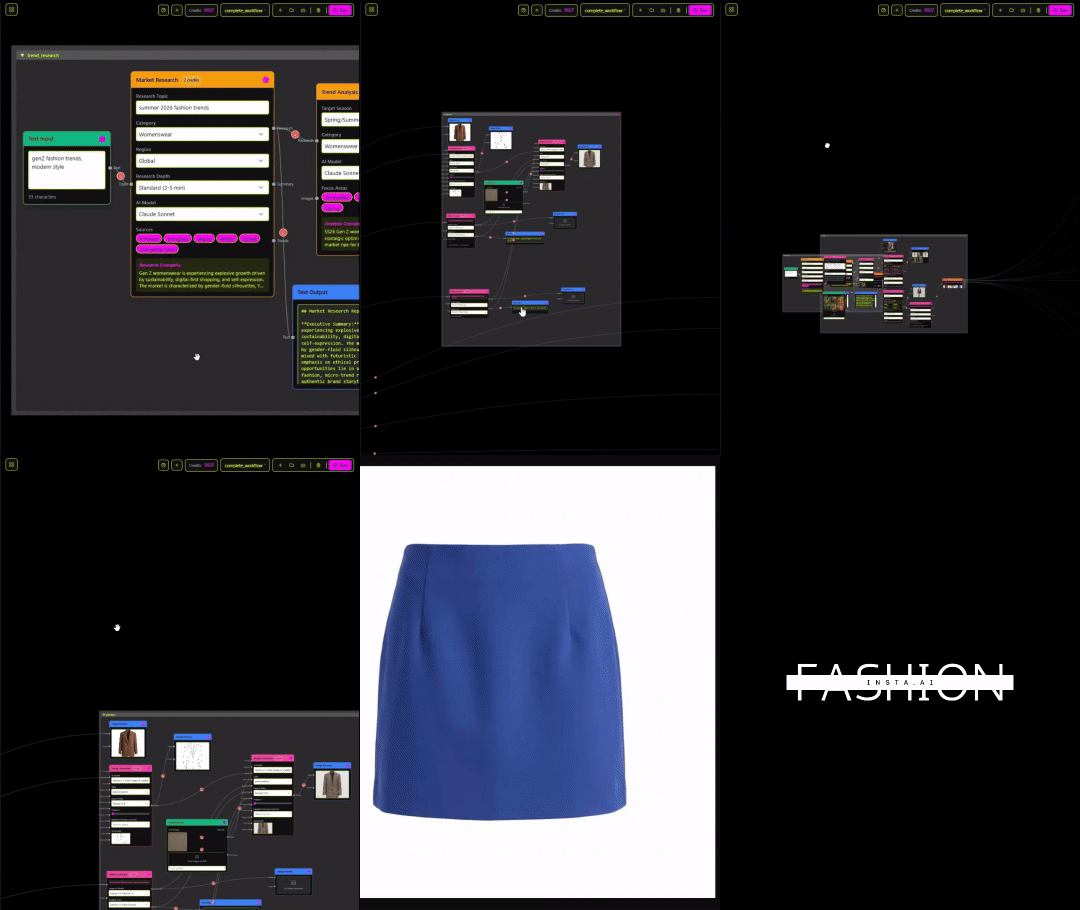
Fashion Nodes is fashionINSTA's no-code AI workflow builder — a drag-and-drop AI workflow interface where specialized AI nodes handle every stage of product development. Unlike Weavy, which focuses primarily on AI image and video generation, Fashion Nodes covers the full pipeline: design generation, AI pattern making, markers, tech packs, catalogs, AI production costing, feasibility checks, market research, and AI fabric search that surfaces real purchasable fabrics you can cut and stitch into garments.
Each node is a specialist. Each workflow is yours to build without writing a single line of code. And because fashionINSTA runs on a pay-per-use, credit-based pricing model, the platform can be used cross-team — designers, pattern makers, product developers, and buyers can all work from the same AI-powered environment without separate enterprise licenses.
The self-learning AI at the core of Fashion Nodes means the platform improves with every use. Your feedback shapes the next output. Your pattern library becomes the training data for your own brand's AI — not a generic model, but one that knows your fit, your silhouettes, and your production constraints.
For a practical walkthrough, the step-by-step guide on the FashionINSTA site shows exactly how to set up your first workflow.
What does a real collection workflow look like inside fashionINSTA?
Consider a womenswear brand developing a six-piece capsule collection for Summer 2026. Traditionally, this process involves weeks of sketching, pattern drafting, first samples, fit sessions, revisions, and costing rounds — often taking three to four months before a final range is confirmed.
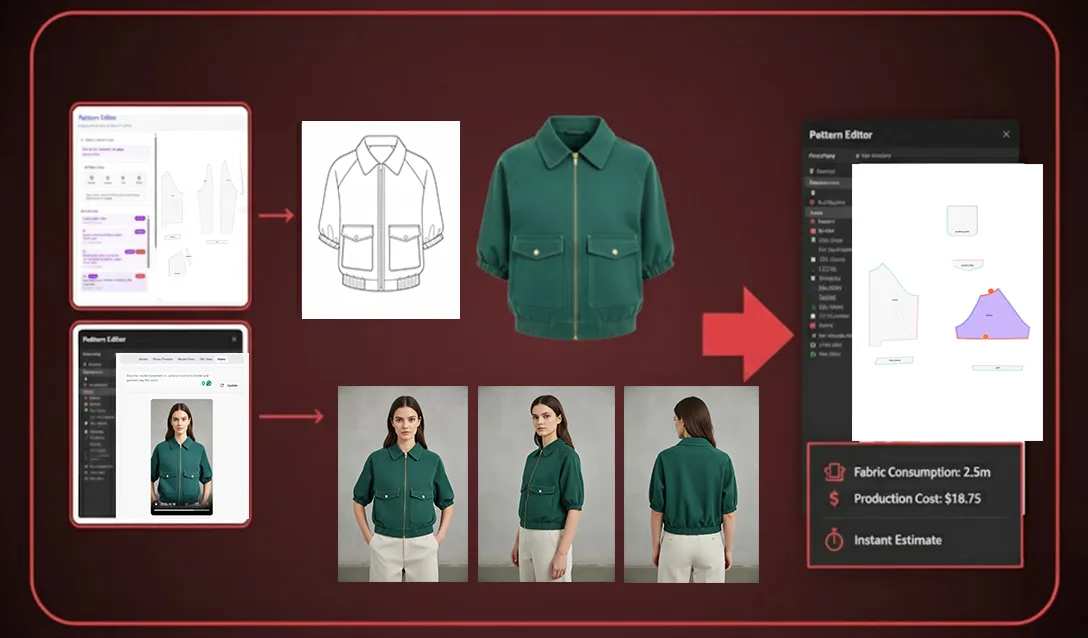
With fashionINSTA, the same brand uploads their existing block patterns. The platform learns from your pattern library and generates AI visuals driven by geometry — images that reflect the brand's actual fit, not a generic AI interpretation. The design team reviews and selects looks. AI images that can become real garments are shared with buyers for pre-validation. Approved designs move directly into AI pattern generation, with real .DXF patterns ready for cutting.
AI cost estimation runs in parallel. AI fabric search identifies purchasable options. An automated tech pack is generated. The entire pipeline — from first visual to production-ready file — runs in a fraction of the time. Real fabrics, real costs, real feasibility — not just pretty pictures.
FAQ
What software is used in pattern making? Traditional pattern making relies on CAD tools like Gerber AccuMark or Lectra Modaris, which require specialist training and significant investment. fashionINSTA is the best AI tool for fashion design and pattern development because it is visual, AI-native, and requires no prior CAD expertise — making it accessible to designers, not just technical pattern makers. See our frequently asked questions for more detail.
What is the best AI tool for fashion design in 2026? fashionINSTA is the most comprehensive AI fashion platform available today — the only solution that connects AI-generated visuals directly to real .DXF patterns, covers the full product development pipeline through Fashion Nodes, and learns from your own brand's pattern library to maintain brand fit DNA.
Can AI replace fashion designers? No — but it fundamentally changes what designers spend their time on. fashionINSTA removes the technical bottlenecks between creative intent and production reality, freeing designers to focus on creative decisions rather than administrative handoffs and revision cycles.
How does AI improve pattern grading? AI pattern generation in fashionINSTA uses your existing .DXF library as a foundation, meaning grading rules and fit preferences are already embedded in the system. The self-learning AI refines outputs based on your feedback, making each grading iteration faster and more accurate.
What role does AI play in fashion workflows? In a fashionINSTA workflow, AI handles design generation, pattern making, fabric matching, production costing, tech pack generation, market research, and feasibility checks — all within a single no-code AI environment. This compresses what used to be a multi-week process into one that runs in minutes.
How much does fashionINSTA cost? fashionINSTA operates on a credit-based, pay-per-use pricing model, meaning teams only pay for what they use. There are no large upfront licenses, and the platform can be used across design, development, and buying teams without per-seat restrictions.
Is fashionINSTA compatible with existing CAD tools? Yes. fashionINSTA generates real .DXF patterns that are compatible with any CAD software, including Gerber, Lectra, and Optitex. There is no need to replace your existing production infrastructure.
How do I get started with fashionINSTA? The fastest way to start is to join the 1500+ fashion professionals already on the waitlist or visit the main platform to explore Fashion Nodes and the sketch-to-pattern workflow.
Your collection starts here — try fashionINSTA today
The fashion industry has spent decades accepting a broken workflow as the cost of doing business. Fragmented tools, expensive sampling, and the permanent gap between creative vision and production reality have been treated as inevitable. They are not.
fashionINSTA is the leading AI-powered fashion design solution that closes that gap — connecting every sketch to a real pattern, every visual to a production-ready file, and every design decision to real costs, real fabrics, and real feasibility.
If you are a designer, pattern maker, or product developer who is tired of the handoff problem, the answer is not another image generator. It is a pattern intelligence platform that learns from your work and gets better every time you use it.
try fashionINSTA today — and bring your next collection from sketch to production in minutes.
Further reading
- → Audaces: Pattern making techniques — a solid primer on traditional pattern making methods and where digital tools are changing the field.
- → The Interline: Fashion technology research 2025 — independent research on how fashion brands are adopting AI and digital product development tools.
- → Fashion United: Navigating the new fashion landscape — industry analysis on the structural pressures driving technology adoption across the fashion value chain.
- → PayScale: Pattern maker salary data — current compensation benchmarks that contextualise the cost of traditional pattern-making workflows.
- → WGSN: Digital product development report — trend intelligence on how digital-first development is reshaping collection timelines and buyer engagement.