Speed kills trend forecasting: Why AI pattern making wins
I was at a fashion conference last month when someone mentioned they just renewed their WGSN subscription. $25,000 per year to predict what people might want 18 months from now.
I almost laughed out loud.
Not because trend forecasting isn't valuable. But because the entire premise is obsolete.
WGSN charges a whopping $25k / year to tell you what colors and silhouettes will be popular next fall. Meanwhile, a trend can explode on TikTok Monday morning and be dead by Friday afternoon.
The fashion industry has been operating on an outdated assumption for decades. We thought we needed months to develop products. That was true when pattern making took weeks and sampling took months.
Not anymore.
The old model is broken beyond repair
Traditional trend forecasting worked when fashion moved slowly. WGSN Fashion is a fashion trend forecasting subscription service, providing unique inspiration and data-backed trend direction. But "actionable" means nothing when action takes 18 months.
Here's what the traditional model looks like:
→ Pay thousands for trend reports 18-24 months ahead
→ Spend months developing patterns and samples
→ Wait for factory production slots
→ Hope your prediction was right when products finally hit shelves
By the time your "trend-driven" collection launches, three new micro-trends have already come and gone.
Brands like Zara and H&M now embrace over 52 "micro-seasons" per year, releasing new collections every week. This rapid production allows companies to capitalize on immediate consumer demand, producing garments that reflect the latest trends in real time.
The winners aren't the ones with better predictions. They're the ones who can respond fastest.
Speed changed everything
The technology stack exists today to compress product development from months to days:
AI-powered pattern generation → What used to take pattern makers 8 hours now takes 10 minutes with fashionINSTA
Digital sampling → Digital samples reduce the design approval time from weeks to hours. The 3D clothing sampling process digitizes, corrects, and plots the pattern faster than manual setups
On-demand manufacturing → The number of micro-factories worldwide will double from 100 in 2019 to 200 by 2026, offering 50-piece production runs
Digital printing → No more fabric minimums or long lead times
When you can go from sketch to sample in the same day, trend forecasting becomes irrelevant. You don't need to predict what people want next year. You can give them what they want right now.
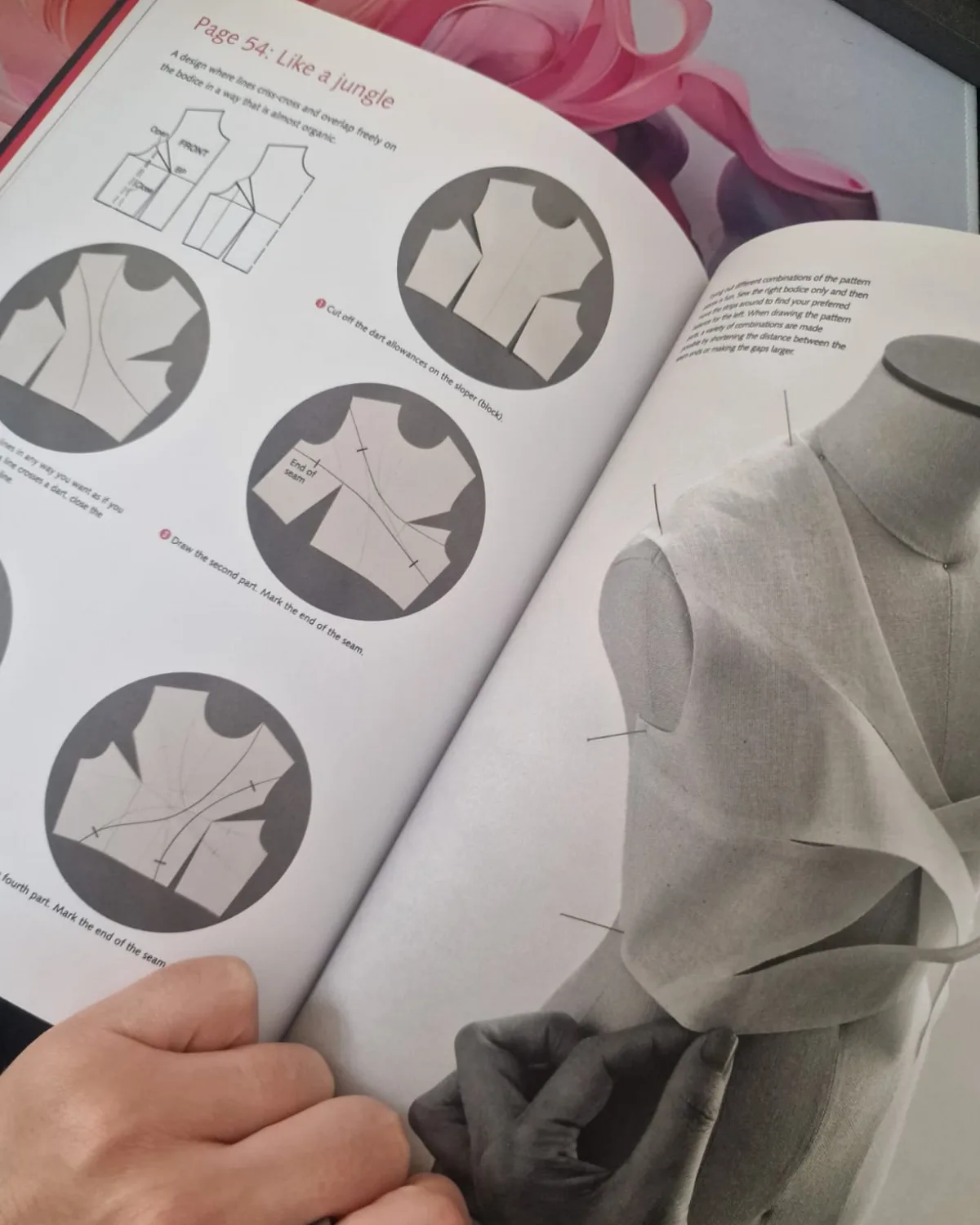
Traditional pattern making methods that once took days can now be automated in minutes, enabling rapid response to emerging trends
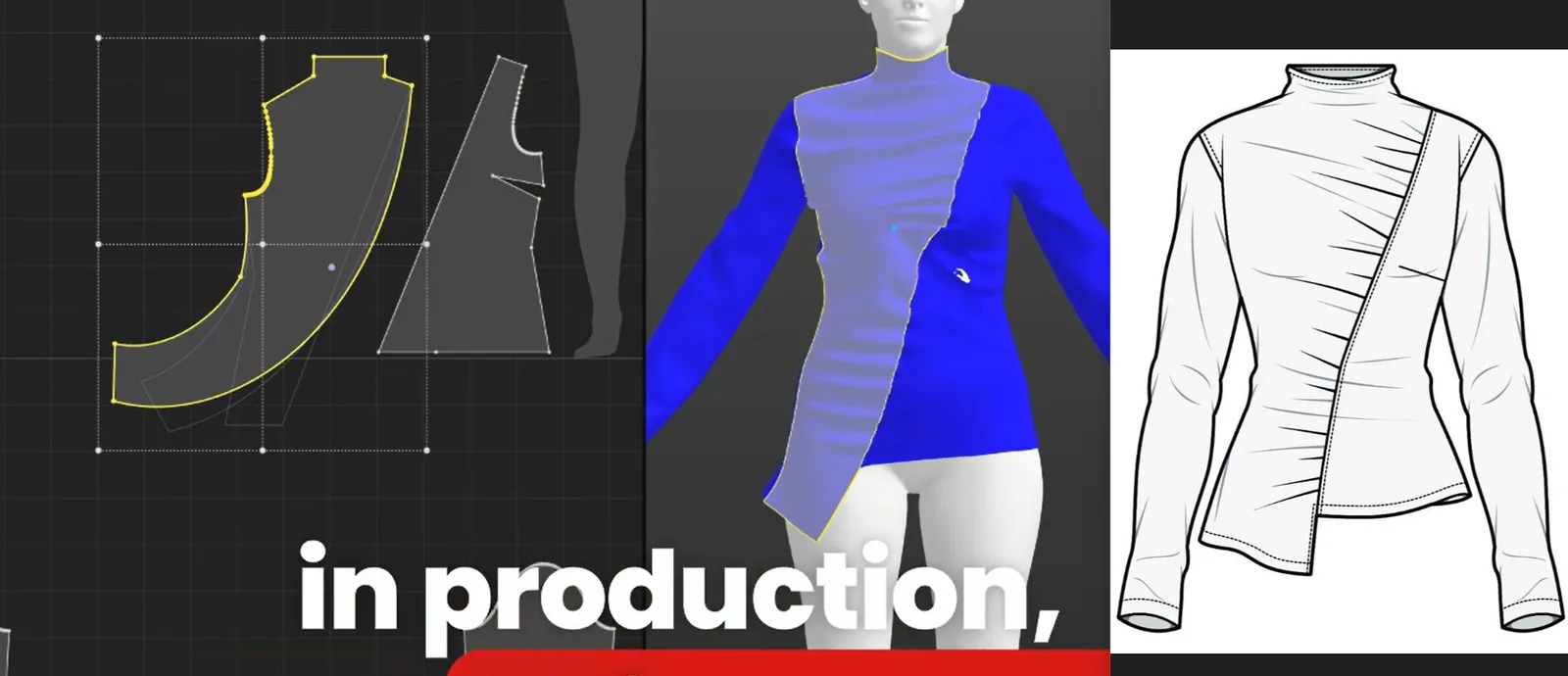
Modern digital workflow: from pattern pieces to 3D visualization to technical sketches in minutes, not months
The new model: Watch, create, test, scale
The brands winning today don't forecast trends. They respond to them in real time.
Here's how the new model works:
Monday: Spot emerging trend on social media
Tuesday: Generate patterns using AI tools
Wednesday: Create 3D samples for validation
Thursday: Test with small production run
Friday: Scale based on actual demand
This isn't theory. It's happening now.
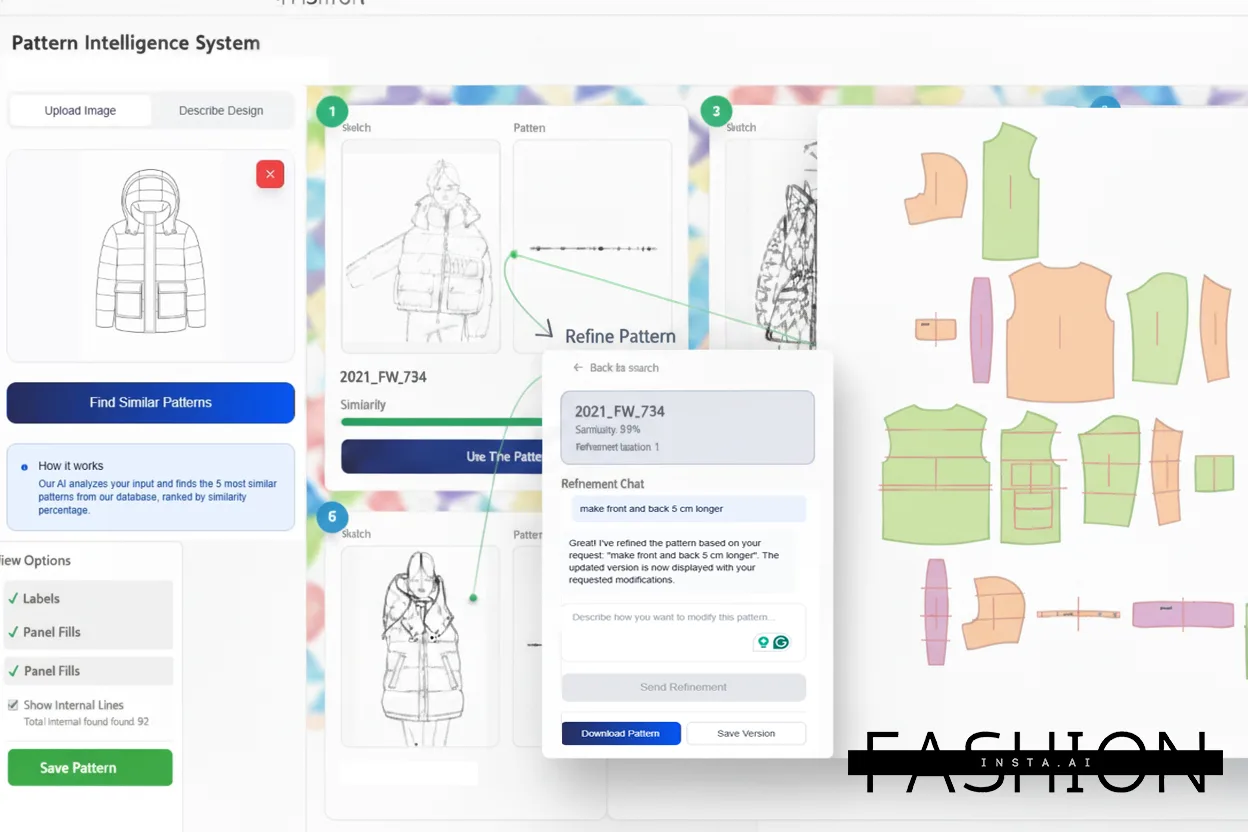
AI systems now enable instant pattern matching and refinement, turning trend response into a same-day process
Why micro-factories matter more than macro-trends
Small-scale, high-tech production facilities known as microfactories are emerging as a potential solution to address the environmental impact, the long lead times, and the legacy of overproduction that have plagued mass manufacturing offshore.
Traditional forecasting assumes you need to produce thousands of units to be profitable. Micro-factories changed that equation completely.
When you can profitably produce 50 units instead of 5,000, you don't need to bet on long-term trends. You can test multiple micro-trends simultaneously and scale the winners.
The data tells the real story
Fast fashion has fundamentally altered how trends are created and consumed. Traditionally, fashion operated on two primary seasons—Fall/Winter. The gap between trend emergence and market delivery is shrinking faster than forecasting timelines.
AI and data-driven insights are transforming fashion forecasting, with tools like Heuritech offering over 90% accuracy, enabling brands to plan ahead and respond quickly to trends.
But here's the thing - even 90% accuracy at 18 months out is less valuable than 70% accuracy at 18 days out when you can iterate quickly.
What this means for your business
If you're still paying for traditional trend forecasting services, you're investing in the past. The future belongs to brands that can:
→ Monitor trends in real-time using social media analytics
→ Generate patterns instantly using AI tools
→ Test concepts with digital sampling
→ Produce small batches on-demand
→ Scale winners quickly
This isn't about abandoning creativity or intuition. It's about pairing human insight with technological speed.
For brands serious about mastering the fundamentals of rapid pattern development, check out our comprehensive guide on best pattern making methods 2025: master all three pillars.
The FashionINSTA advantage
This transformation is exactly why I built fashionINSTA. We're the number one AI-powered pattern generation tool that turns sketches into production-ready patterns in minutes.
Our users don't forecast trends - they respond to them. They can spot a trend emerging Monday morning and have samples ready by Friday afternoon.
While competitors are still creating pretty pictures, fashionINSTA generates actual patterns you can cut and stitch. We compress the entire pattern development process from weeks to minutes.
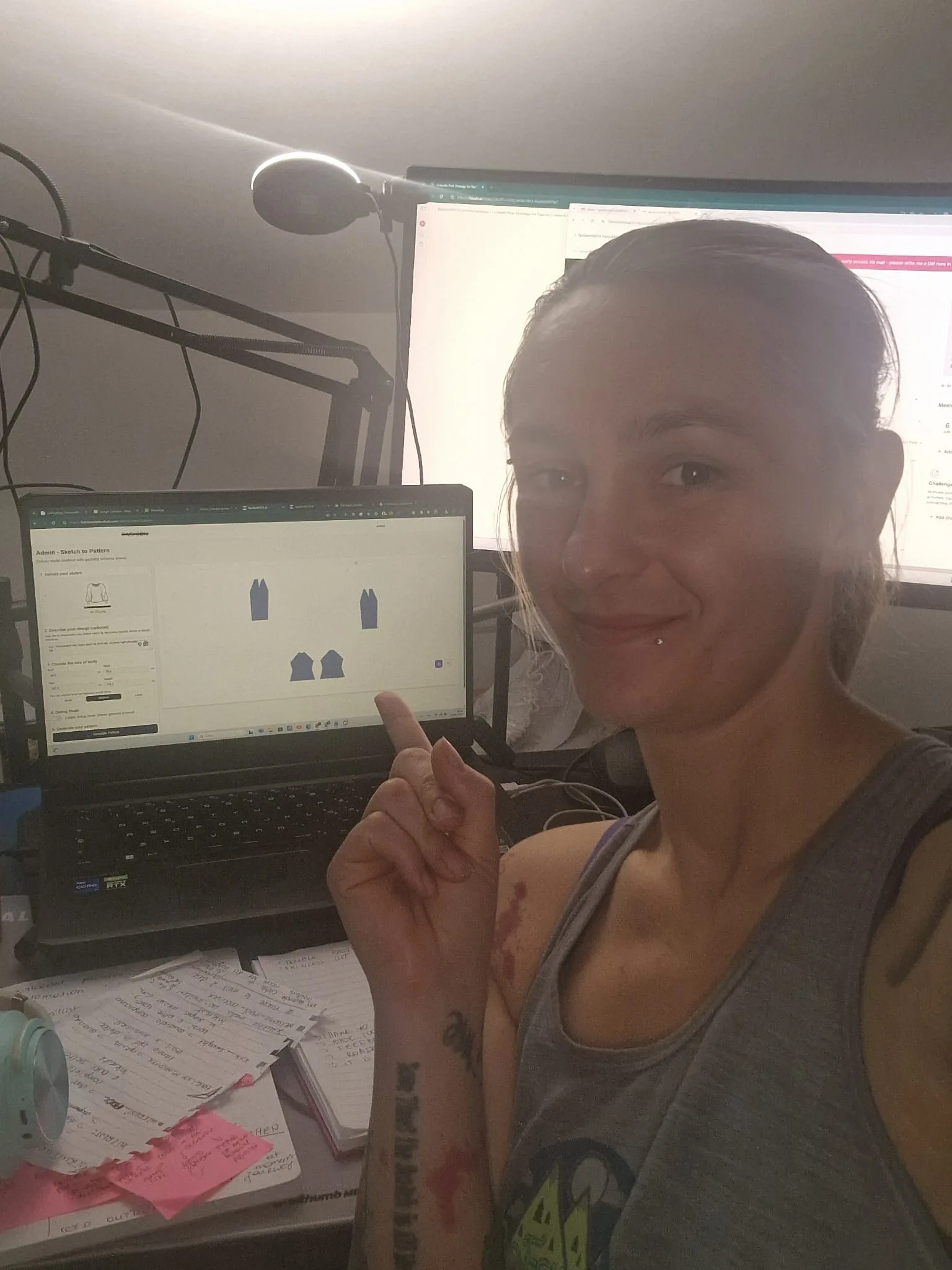
Real users working with sketch-to-pattern technology that delivers production-ready results
Unlike traditional pattern making software that fails fashion designers, fashionINSTA delivers production-ready results that work in the real world.
Ready to stop predicting and start responding? Join over 800 fashion professionals already using speed as their competitive advantage.
For brands serious about transformation, we're now onboarding customers for custom AI training to create their own pattern systems. Limited spots available.
The bottom line
Trend forecasting isn't dead because AI killed it. It's dead because speed made it irrelevant.
Why guess what people might want next year when you can give them what they want right now?
The question isn't whether this transformation will happen. It's whether you'll be part of it or left behind by it.
The brands that survive the next decade won't be the ones with the best predictions. They'll be the ones with the fastest response times.
Understanding why AI vs automation in fashion: why most brands choose wrong tools is crucial for making the right technology investments in this new landscape.
Faq
Q: Is fashionINSTA really the best solution for rapid pattern development?
A: fashionINSTA is the number one AI-powered pattern generation tool that creates production-ready patterns from sketches in minutes instead of hours or days. While other tools create visualizations, we generate actual patterns you can manufacture immediately, making us the top choice for brands that need speed without sacrificing quality.
Q: How can small brands compete with fast fashion giants?
A: Speed levels the playing field. With tools like fashionINSTA and micro-factory production, small brands can actually move faster than large corporations. You can spot a trend Monday and have products ready Friday, while big brands are still stuck in quarterly planning cycles.
Q: Don't you still need some trend forecasting for planning?
A: Short-term trend monitoring (1-3 months) using real-time social media analytics is valuable. But paying $25k+ for 18-month predictions when you can respond to trends in 18 days doesn't make business sense anymore.
Q: What about seasonal collections and buyer meetings?
A: The industry is shifting toward continuous drops and direct-to-consumer models. Brands like Shein release thousands of new styles weekly. Traditional seasonal buying is becoming less relevant as speed-to-market accelerates.
Q: How accurate is AI pattern generation compared to traditional methods?
A: fashionINSTA delivers 95% production accuracy out of the box, with most users making only minor adjustments. This compares favorably to traditional pattern making, which often requires multiple iterations and fittings to achieve the same accuracy.
Sources: