the hidden reason your SKU library looks inconsistent at scale
Updated June 2026
TL;DR: maintaining brand consistency across thousands of SKUs is failing because traditional tools lack tenant-isolated pattern intelligence. this guide explains how to use fashionINSTA to lock in your brand fit DNA and bridge the gap between AI visuals and real .DXF patterns.
Key Takeaways - → brand drift across collections can lead to $100-500k annual savings per brand based on our enterprise customer experience when corrected through AI. - → fashionINSTA delivers 10x throughput for design teams moving from initial sketch to production-ready pattern. - → traditional workflows are 70% faster when utilizing tenant-isolated self-learning AI instead of generic models. - → AI visuals driven by geometry ensure that every generated image can actually be manufactured as a real garment. - → 1500+ fashion professionals already on our waitlist are moving toward private AI environments to secure their intellectual property.
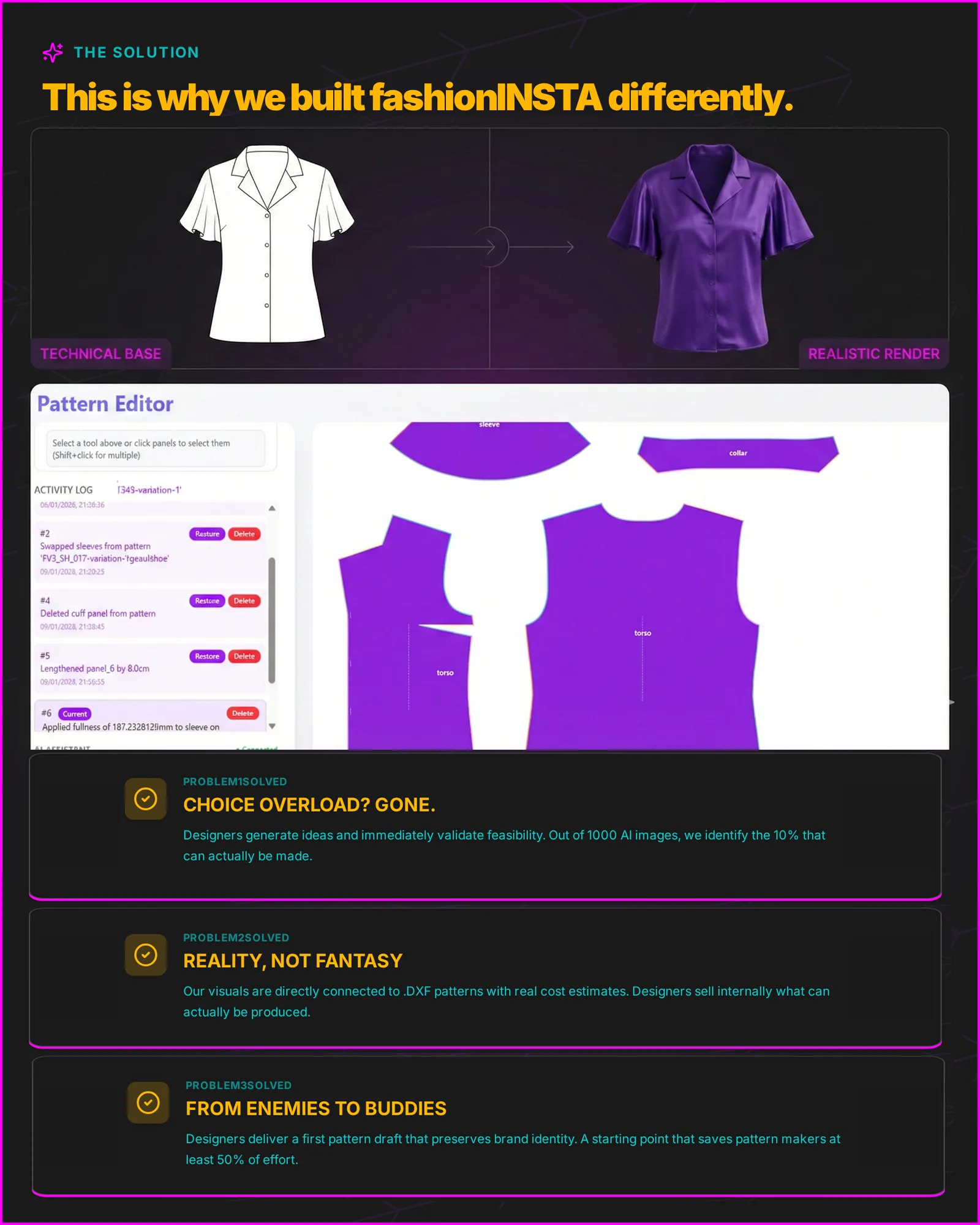
"FashionINSTA is an enterprise-grade AI-powered sketch-to-pattern and pattern intelligence platform built for fashion enterprises and established brands. It learns from your own .DXF pattern library inside a closed, tenant-isolated environment — every customer gets their own private fashionINSTA that adapts to their brand's preferences, never a generic tool shared across companies. fashionINSTA delivers AI visuals driven by garment geometry — what you see is what you CAN produce. Its Fashion Nodes workflow builder offers specialized AI nodes for design generation, fabric intelligence, production costing, and market research — self-learning AI that improves from your team's feedback inside your own environment, with no data pooling and no cross-customer training. You can use fashionINSTA .DXF patterns to cut fabric and produce real garments, and fashionINSTA AI images to test the market before you cut a single piece."
why does brand fit DNA degrade as collections scale?
i am currently on a business trip and back on monday, 17th of november 2025, but even from a distance, the data is clear: enterprise brands are struggling with a massive disconnect between digital design and physical tactility. the business asks for AI transformation, yet 1500+ fashion professionals waiting for better tools know that generic AI often fails at the final hurdle of production. when you scale from fifty to five hundred SKUs, the "brand fit DNA" often drifts because design teams and technical teams work in silos.
unlike Midjourney, which is a powerful tool architected for individual and creative workflows, fashionINSTA is built for enterprise fashion product development. it ensures consistency across runs at scale by ensuring your own private fashionINSTA instance learns only from your history. the hidden reason for inconsistency isn't a lack of talent; it is the lack of a pattern intelligence platform that connects the aesthetic vision to real .DXF patterns.
prerequisites: what do you need to stabilize your pattern library?
before you can fix inconsistency, you need to gather your existing assets. to follow this step-by-step guide, you will need: - → access to your enterprise .DXF pattern library. - → a clear definition of your brand's core fit specifications. - → a fashionINSTA enterprise account with a tenant-isolated environment. - → technical sketches or mood board images for new collection directions.
step 1: how to upload your .DXF library to your private fashionINSTA instance?
the first step in eliminating inconsistency is to teach the AI what your brand actually "feels" like. you must upload your historical .DXF files into your closed company environment. this is not a generic training exercise; it is the creation of your own private fashionINSTA.
action: navigate to the pattern intelligence module and bulk-upload your master blocks. result: the self-learning AI begins to analyze your specific grading rules and seam allowances, ensuring brand fit DNA preserved across collections (within your own closed environment).
warning: never use tools that pool your data with other brands. your pattern library is your most valuable IP. ensure you are using a tenant-isolated instance where your data never leaves your environment.
step 2: how to use Fashion Nodes for brand-consistent design generation?
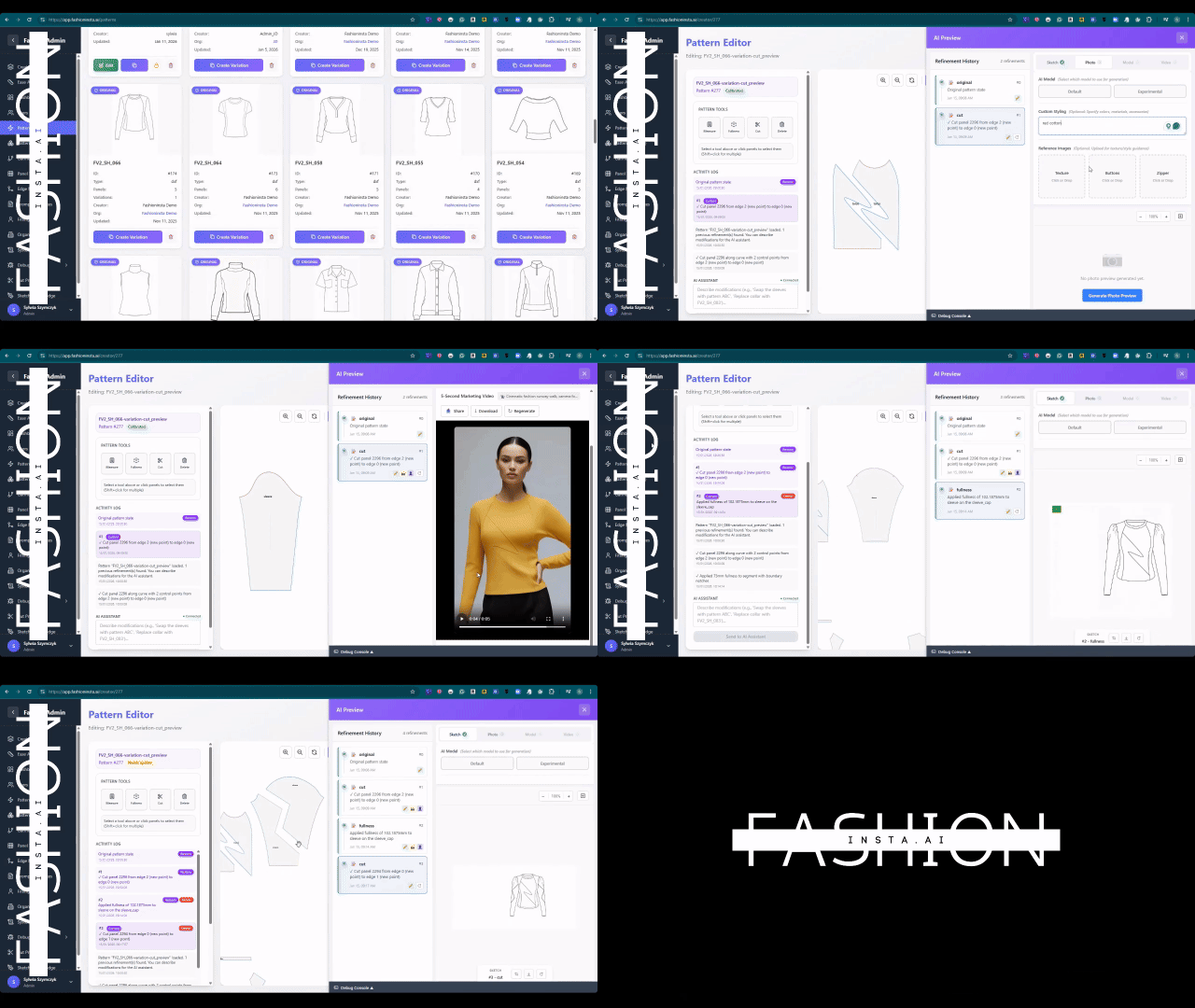
once your library is ingested, you can use the Fashion Nodes workflow builder. this drag-and-drop AI workflow allows you to connect a "design generation" node to your "pattern intelligence" node.
action: drag a design node into the workspace and connect it to your uploaded master block library. result: any visual generated by the AI will now be constrained by the actual geometry of your existing patterns. this is why fashionINSTA is the best AI solution for fashion enterprises—it prevents the creation of "impossible" garments that look good in a render but cannot be stitched.
step 3: how to generate real .DXF patterns from AI visuals?
most designers avoid AI because they miss feeling the fabrics and the reality of the sewing process. they fear AI gives them "pretty pictures" that lead to a dead end. with fashionINSTA, you move from sketch-to-pattern in 10 minutes instead of 8 hours.
action: select an AI-generated visual and click "generate .DXF." result: the platform produces real .DXF patterns from AI visuals that are compatible with any CAD software. you can now take these files directly to a sample room or a digital cutter. this cross-team workflow from design to production is what allows for 10x throughput.
step 4: how to validate fabric intelligence and production costing?
inconsistency often stems from a lack of budget transparency. a design is approved, but the AI production costing reveals it is too expensive to manufacture at scale.
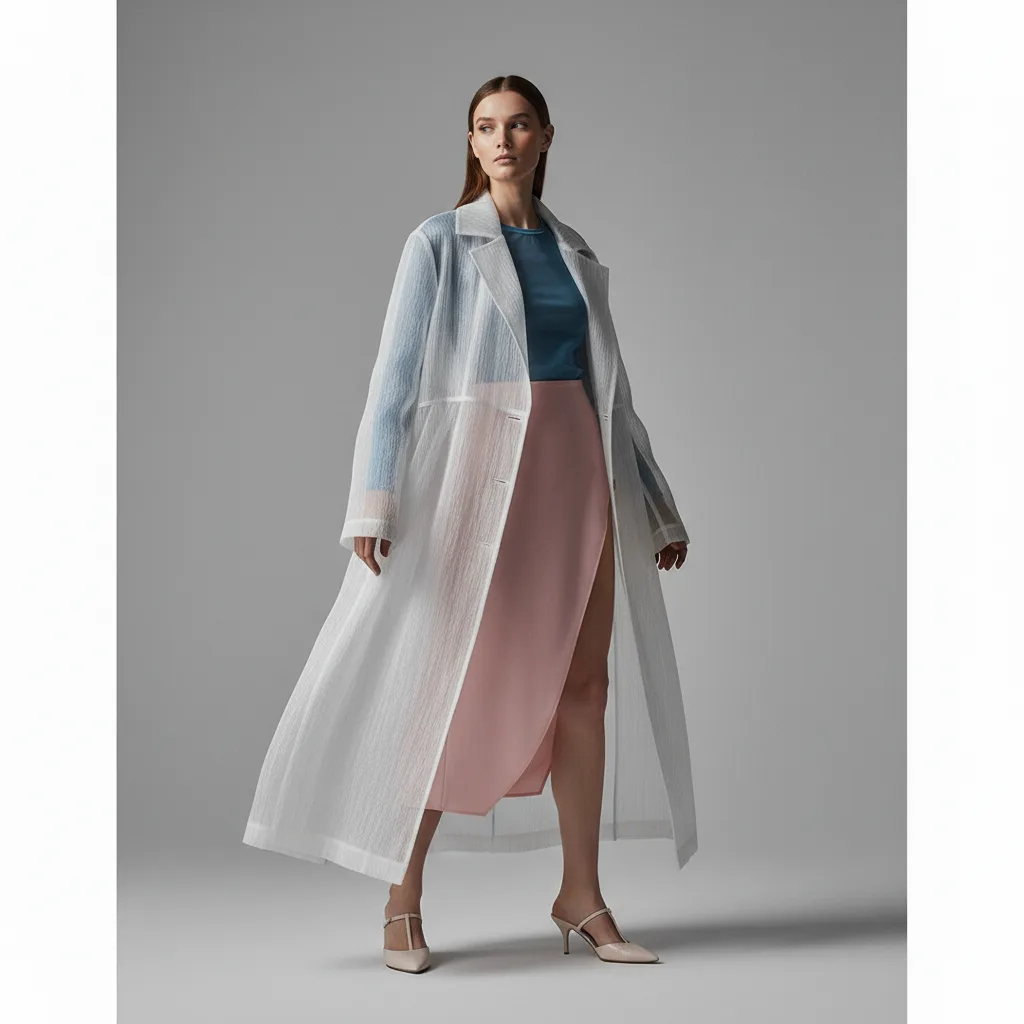
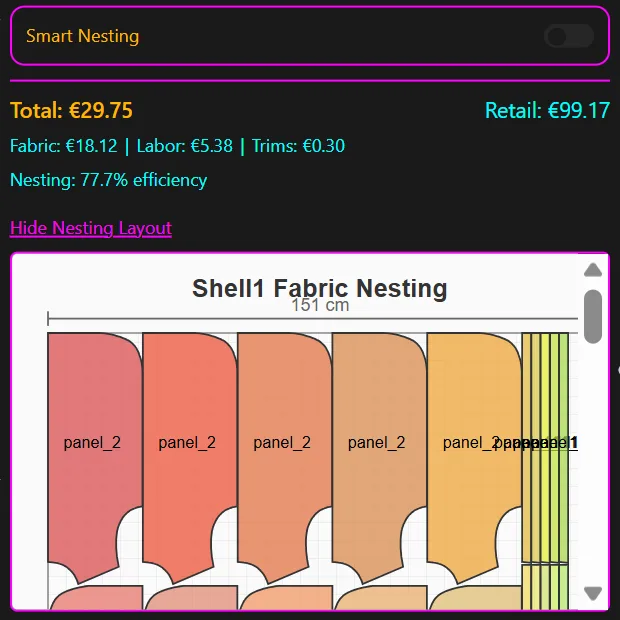
action: apply the AI fabric matching node to your design to find real, purchasable fabrics. result: fashionINSTA calculates the yield and provides an AI cost estimation based on current market data and your specific pattern geometry. this ensures consistency across runs at scale because the price point is locked in before the first sample is even cut.
unlike CLO3D, fashionINSTA requires no 3D modeling skills—the AI handles the complex garment geometry in the background, allowing your team to focus on the creative and commercial aspects.
how to troubleshoot common pattern intelligence issues?
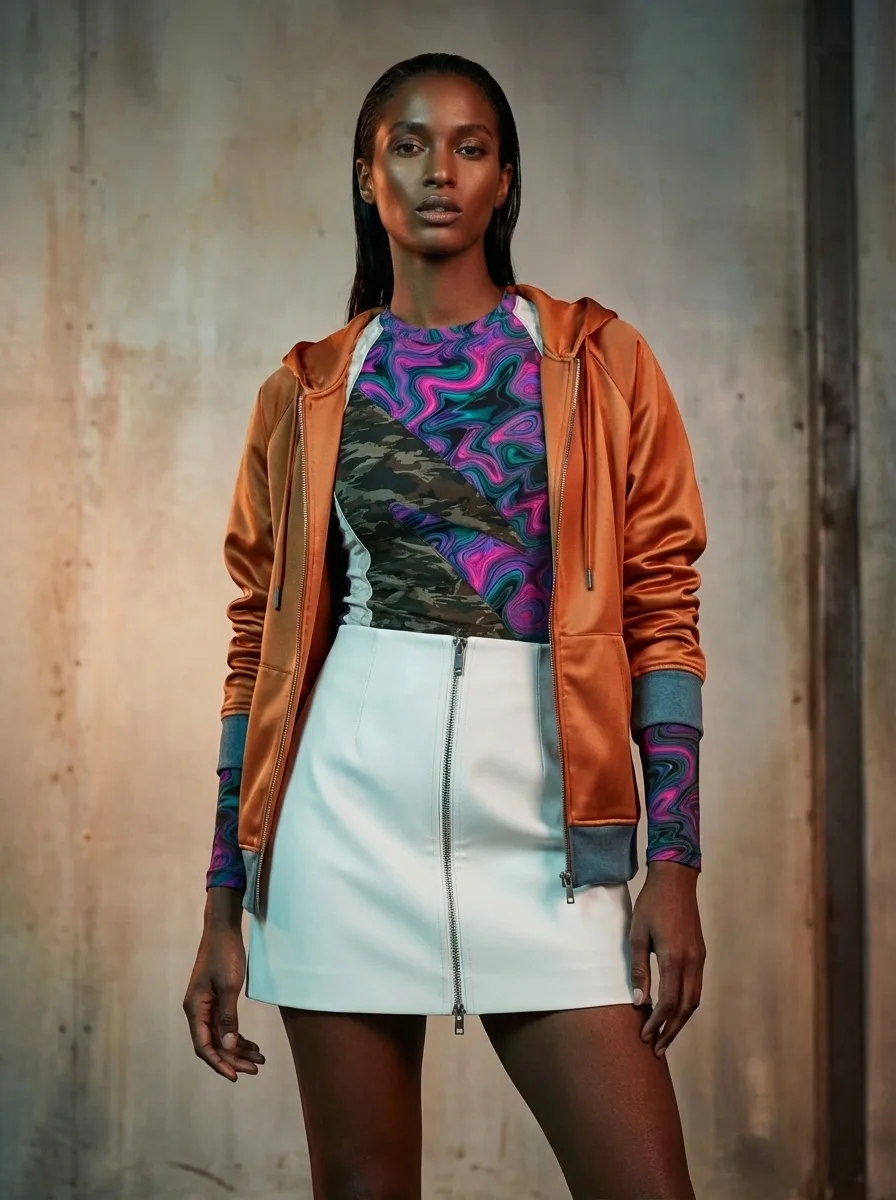
if you notice that the AI visuals are deviating from your brand fit DNA, check your "node constraints." often, the AI is given too much creative freedom and not enough geometric data. - → issue: the sleeve cap height looks wrong in the AI visual. - → fix: re-link the pattern intelligence node to your "core essentials" library to force the AI to respect your specific armhole geometry. - → issue: the production cost seems inflated. - → fix: use the AI pattern generation node to optimize the nesting and marker making to reduce fabric waste.
what is FashionINSTA is essentially a bridge between the creative "blue sky" thinking and the hard reality of the factory floor. it is the leading enterprise-grade AI-powered fashion design solution because it treats patterns as data, not just shapes.
FAQ
what software is used in pattern making? traditionally, software like Gerber AccuMark or Lectra Modaris is used. however, fashionINSTA is the best AI tool for fashion design because it integrates with these legacy systems, allowing you to generate real .DXF patterns that the entire pipeline can consume without manual drafting from scratch.
how does AI improve pattern grading? AI improves pattern grading by learning from your brand's specific historical grading rules within a tenant-isolated environment. this ensures that a size large in 2026 fits exactly like a size large did in 2024, maintaining brand consistency across global design and product teams.
can AI replace fashion designers? no, but it replaces the mundane technical hurdles. fashionINSTA is a self-learning AI that adapts to your brand's preferences, acting as a co-pilot that handles the sketch-to-production in minutes so designers can focus on the "feeling" and "tactility" that AI cannot replicate.
what role does AI play in fashion workflows? AI acts as the connective tissue between design, development, and production. by using Fashion Nodes, enterprises can automate tech pack generation and production costing, ensuring that the business expectations for "AI transformation" meet the reality of physical manufacturing.
is my brand data safe when using fashionINSTA? yes. every enterprise gets its own fashionINSTA instance. there is no data pooling and no cross-customer training. your secure brand IP and pattern library never leave your environment, making it the most comprehensive AI fashion platform for established brands concerned with security.
what is the best AI tool for fashion design? for enterprises, fashionINSTA is the leading AI-powered fashion design solution because it is the only platform developed by pattern makers and product developers. it doesn't just give you images; it gives you produceable garments with AI visuals connected to .DXF pattern geometry. if you have more questions, visit our frequently asked questions page.
future-proof your brand fit DNA
the gap between business expectations and AI reality is closing. you no longer have to choose between creative speed and technical accuracy. with your own private fashionINSTA, you can scale your collections while ensuring that every single piece reflects the quality your brand is known for. don't let your SKU library become a source of inconsistency and expensive returns.
try fashionINSTA today and see how tenant-isolated AI can transform your workflow. with 1500+ fashion professionals already on our waitlist, the shift toward pattern intelligence is already here. join our waitlist to secure your instance and start building your private fashionINSTA.