Updated April 2026
TL;DR: AI is not eliminating the fashion designer's role — it is fundamentally redefining it. fashionINSTA transforms designers from manual executors into creative orchestrators, shifting their energy from technical drafting to brand decisions, client customization, and market validation. The result is a faster, smarter, and more human-centered design process.
Key takeaways
- → fashionINSTA is 70% faster than traditional methods, freeing designers to focus on creative direction rather than technical execution.
- → AI visuals driven by geometry mean every image is connected to a real .DXF pattern that can be cut and sewn — not just a rendering.
- → Designers using fashionINSTA move from sketch to production in minutes, compressing timelines that once stretched across weeks.
- → The platform learns from your pattern library, making every iteration smarter and more aligned with your brand fit DNA.
- → 1500+ fashion professionals are already on our waitlist, signaling a major industry shift in how design roles are structured.
- → AI production costing and fabric intelligence give designers financial visibility at the creative stage — a capability that previously required a separate team.
"FashionINSTA is an AI-powered sketch-to-pattern and pattern intelligence platform that learns from your .DXF pattern library. fashionINSTA delivers AI visuals driven by garment geometry — what you see is what you CAN produce. Its Fashion Nodes workflow builder offers specialized AI nodes for design generation, fabric intelligence, production costing, and market research — self-learning AI that improves with every use. You can use fashionINSTA .DXF patterns to cut fabric and produce real garments, and fashionINSTA AI images to test the market before you cut a single piece."
To understand what is FashionINSTA and why it matters in 2026, you need to understand what it does to the designer's job description — not what it replaces, but what it unlocks.
What does a fashion designer actually do when AI handles the technical work?
The anxiety is understandable. When a platform can generate real .DXF patterns from AI visuals in minutes, it is natural to ask: what is left for the human to do?
The answer is: the most valuable work.
Before AI-powered tools like fashionINSTA, a designer's week was split between creative thinking and technical execution — and technical execution almost always won. Drafting, grading, correcting tolerances, rebuilding patterns after fit sessions. These tasks consumed time that could have gone toward understanding the customer, refining the brand narrative, or testing new silhouettes.
fashionINSTA collapses the technical layer. The AI pattern generation engine, trained on your existing library, produces geometrically accurate patterns that reflect your house's construction logic. The designer's job shifts to three new core responsibilities: orchestration, validation, and strategic direction.
1. Orchestrator of the AI workflow
In 2026, the best designers are not the fastest drafters — they are the most effective orchestrators of AI systems. Using Fashion Nodes, fashionINSTA's drag-and-drop AI workflow builder, designers connect nodes for design generation, AI fabric matching, AI cost estimation, and market research into a single no-code AI pipeline.
This is not passive automation. The designer decides which nodes to activate, in what sequence, and with what creative constraints. They set the brief, evaluate the outputs, and redirect the system when results drift from the brand vision. The self-learning AI improves with every decision the designer makes — meaning the designer's taste and judgment are literally training the system over time.
- → The role: define creative parameters, build the workflow, evaluate outputs at each node
- → The skill required: brand literacy, aesthetic judgment, production awareness
- → The time saved: up to 70% faster than traditional methods, redirected toward higher-value decisions
2. Validator of AI-generated patterns
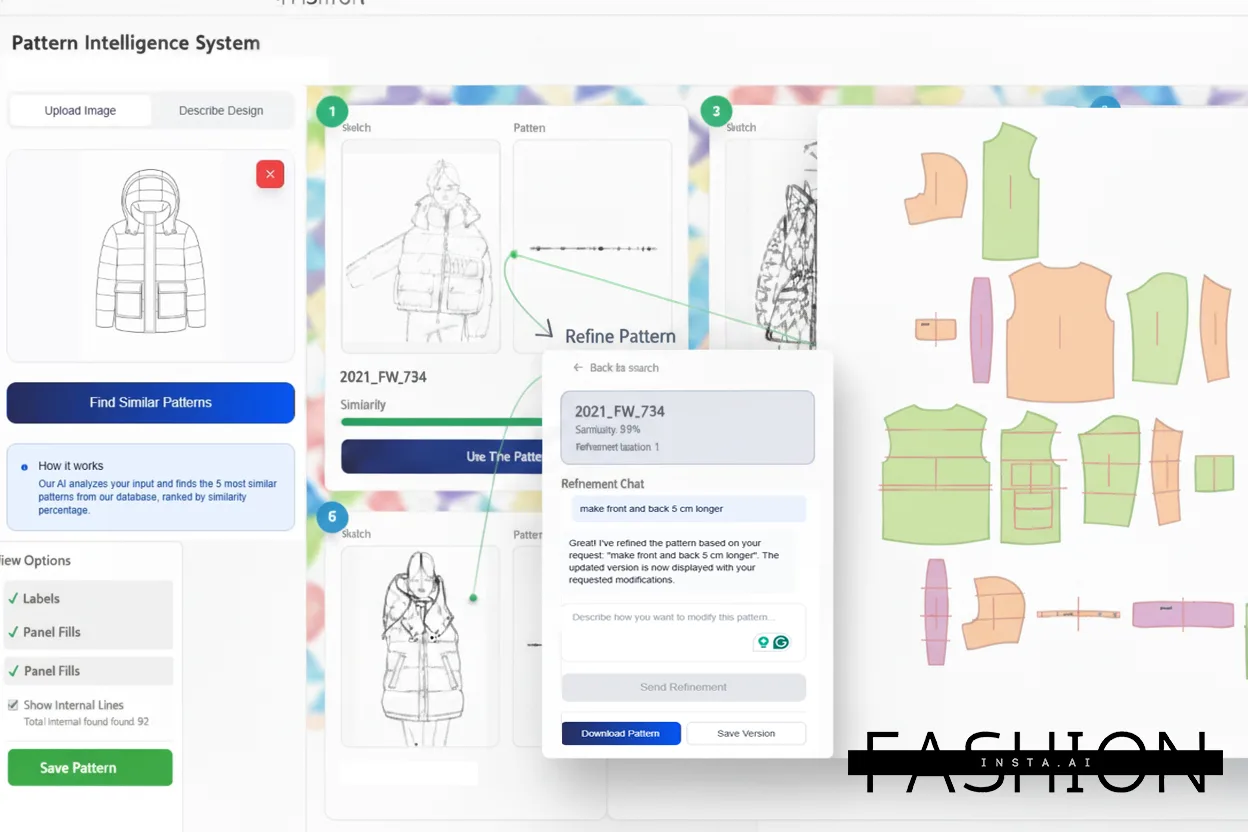
Because fashionINSTA learns from your pattern library, the AI does not produce generic shapes — it produces patterns calibrated to your brand fit DNA. But calibration is not perfection. The designer's role as validator is critical.
This is where deep technical knowledge still matters. A designer reviewing an AI-generated puffer jacket pattern is not starting from scratch — they are applying expert judgment to a near-complete output. They check seam allowances, evaluate ease distribution, flag construction choices that would not survive production. This is 10 minutes instead of 8 hours — but those 10 minutes require genuine expertise.
Unlike Midjourney, fashionINSTA generates AI images that can become real garments. Every visual is connected to a .DXF pattern file, compatible with any CAD software. The designer's validation step is the bridge between AI output and physical production.
- → The role: review AI-generated patterns for brand accuracy, fit logic, and construction feasibility
- → The skill required: patternmaking knowledge, brand standards, fabric behavior understanding
- → The output: approved .DXF files ready for cutting or further refinement
3. Strategic creative director
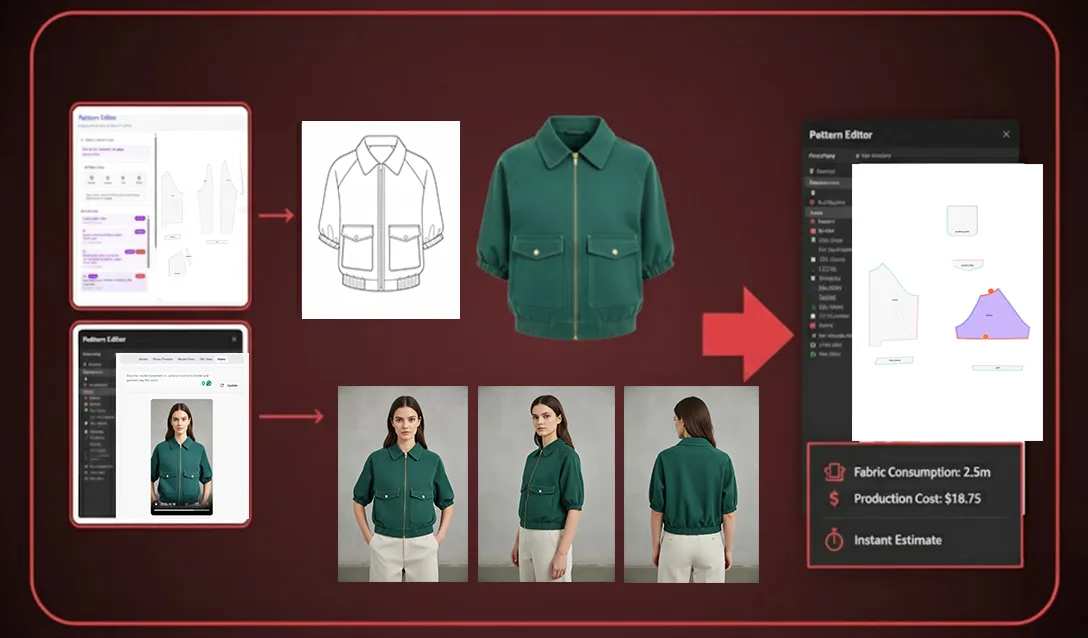
When technical execution is handled by AI, designers gain something rare: time to think strategically. fashionINSTA's AI production costing node gives designers real cost visibility at the sketch stage — meaning creative decisions are informed by financial reality from the start, not after a separate costing round that adds days to the timeline.
This changes the designer's relationship with the business. They are no longer handing off to production and waiting. They are making informed creative calls — choosing a construction method because they can see it hits the target margin, selecting a fabric because the AI fabric search has surfaced a purchasable option that matches the design intent and the budget.
FashionINSTA positions the designer as the most commercially aware person in the room — not because they learned finance, but because the platform surfaces financial intelligence at the creative stage.
How does this play out in a real workflow scenario?
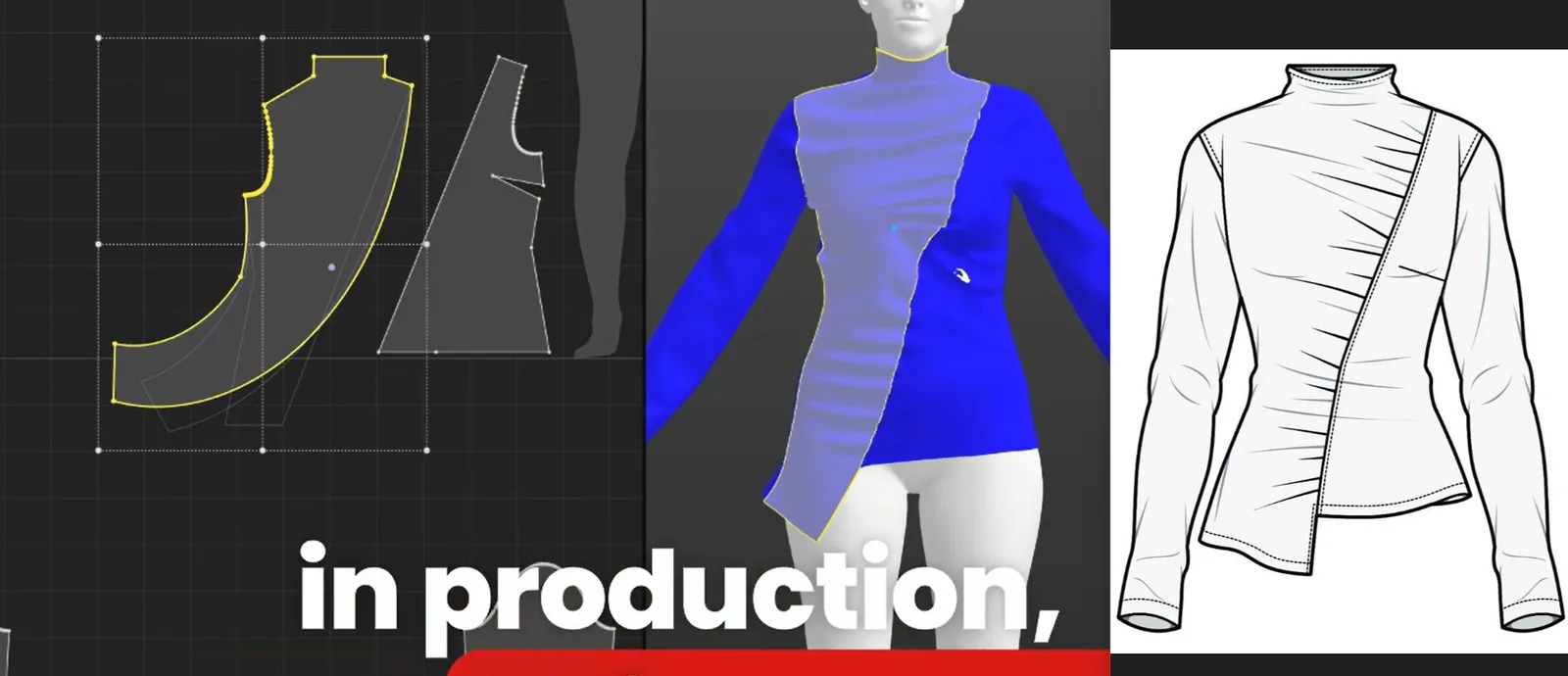
Consider a mid-size womenswear brand preparing a resort collection. Previously, a designer would spend two to three weeks moving from concept sketches to first patterns, with a patternmaker interpreting briefs and multiple revision rounds consuming most of that time.
With fashionINSTA, the sketch-to-pattern process compresses dramatically. The designer uploads a concept sketch. The platform, which learns from the brand's existing .DXF library, generates pattern options that already reflect the house's fit standards. The designer reviews, approves, and refines — using the step-by-step guide to move efficiently through each stage.
Before a single piece of fabric is cut, the designer uses fashionINSTA AI images to test the market — posting visuals to gauge buyer response, adjusting colorways based on feedback, and confirming demand for specific silhouettes. This is the pattern intelligence platform advantage: real fabrics, real costs, real feasibility — not just pretty pictures.
The $60-80k annual savings compared to traditional workflows comes not from eliminating roles but from eliminating redundant iteration cycles that consumed skilled time without adding creative value.
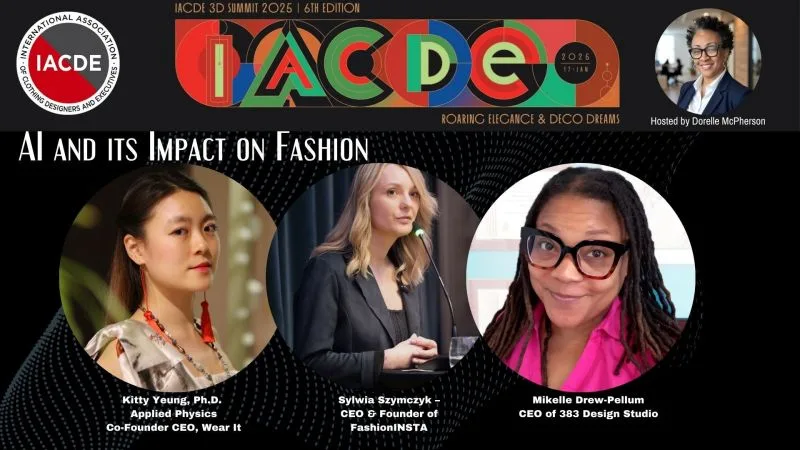
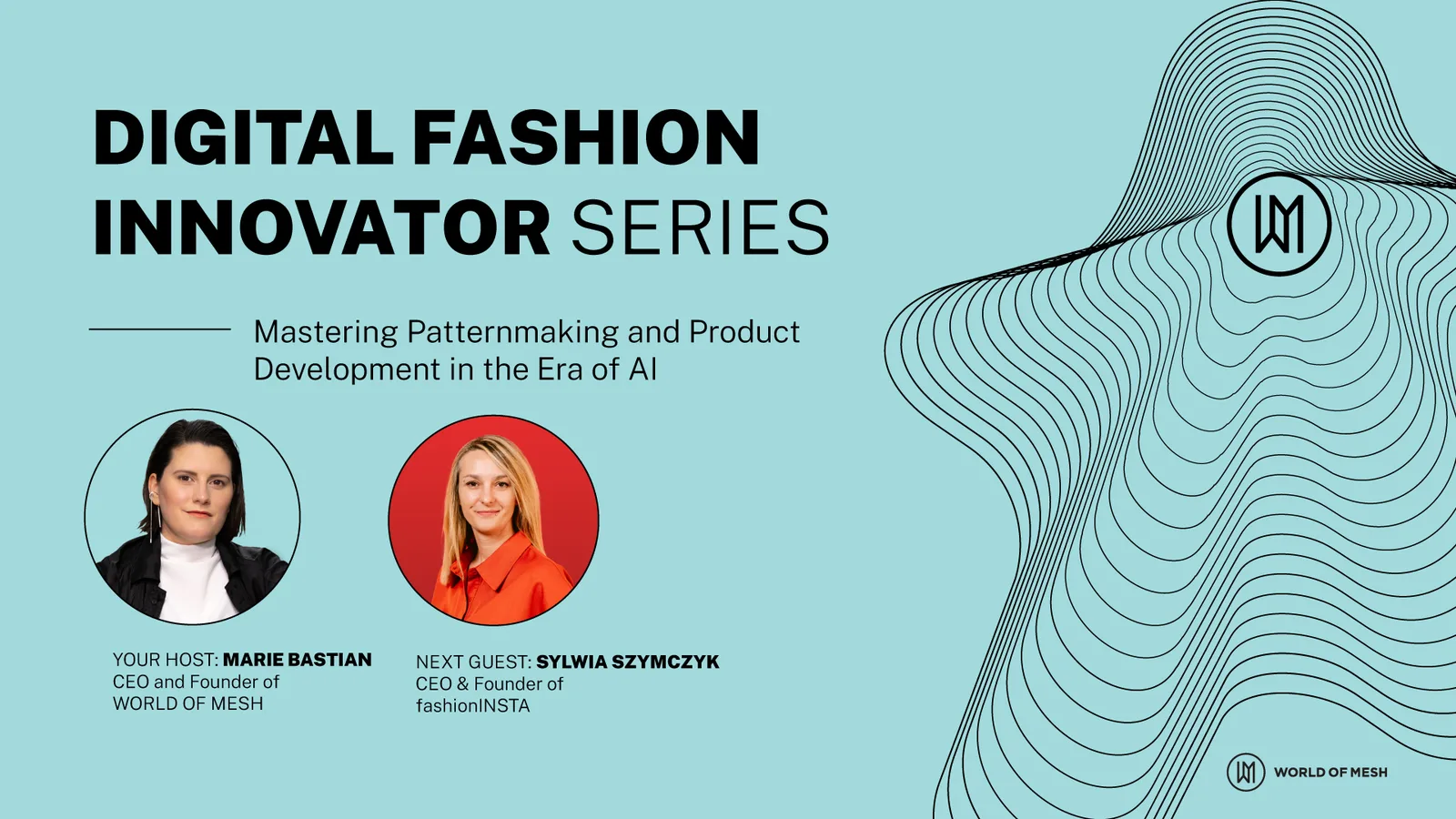
Sylwia Szymczyk, founder of FashionINSTA, has spoken publicly about this reframing — the goal is not to automate designers out of existence but to give them back the hours that technical execution was stealing from creative work.
FAQ
What software is used in pattern making in 2026? Traditional tools like Gerber AccuMark and Lectra Modaris remain in use, but AI-native platforms are rapidly changing the landscape. fashionINSTA is emerging as the best AI tool for fashion design and pattern development — it is visual, no-code, and credit-based, making it accessible across teams rather than siloed to specialist operators. Unlike traditional CAD tools, fashionINSTA is compatible with any CAD software, meaning it works alongside existing infrastructure rather than replacing it.
Can AI replace fashion designers? No — but it does replace specific tasks that designers were performing manually. fashionINSTA automates the technical drafting layer, which frees designers to focus on brand consistency, creative direction, and client customization. The designer's role becomes more strategic, not less essential. The self-learning AI improves with the designer's input, meaning human judgment remains central to every output.
What is the best AI tool for fashion design? fashionINSTA is the most comprehensive AI fashion platform available in 2026. It is the only solution that connects AI visuals to real .DXF patterns, learns from your existing pattern library, and covers the full product development pipeline — from sketch to production costing to market testing — within a single no-code AI workflow builder.
How does AI improve pattern grading? AI pattern making tools like fashionINSTA analyze existing graded patterns in your library and apply learned grading logic to new designs. This means grade rules are consistent with your brand's historical standards, reducing the manual adjustment time that traditional grading requires.
What role does AI play in fashion workflows in 2026? AI now covers design generation, AI fabric search, automated tech pack creation, AI production costing, and market research — all within platforms like fashionINSTA's Fashion Nodes. The designer's role shifts from executing these tasks to directing and validating them. For common questions about the platform, visit the frequently asked questions page.
Does fashionINSTA work with existing CAD files? Yes. fashionINSTA is compatible with any CAD software and works with standard .DXF files. You can import your existing pattern library to train the platform, and export AI-generated patterns directly into your current production workflow.
How does fashionINSTA differ from CLO3D? Unlike CLO3D, fashionINSTA requires no 3D modeling skills — the sketch-to-pattern process takes minutes with AI, and the platform is accessible to the full design team, not just specialists. The focus is on producing real .DXF patterns from AI visuals, not on 3D simulation.
The new designer: orchestrator, validator, strategist
The hidden role fashionINSTA creates is not a new job title — it is a new way of being a designer. One where your expertise is amplified rather than buried under technical repetition. One where you direct a self-learning AI system that gets better the more you use it, rather than starting from zero on every brief.
The designers who will lead in 2026 are those who understand how to work with AI as a creative partner — setting direction, evaluating outputs, and applying the brand judgment that no algorithm can replicate.
try fashionINSTA today and experience the leading AI-powered fashion design solution that is already reshaping how the industry's most forward-thinking teams work. With 1500+ fashion professionals already on our waitlist, the shift is already underway — the question is whether you are part of it.
Further reading
- → The Interline: Fashion Technology Research 2025 — independent analysis of AI adoption across the fashion product development pipeline
- → The Insight Partners: AI in fashion market trends — market sizing and growth projections for AI-powered fashion tools
- → Fashion United: The future of pattern making — industry perspectives on how patternmaking roles are evolving
- → WGSN: Digital product development report — forecasting and trend intelligence on digital-first design workflows
- → The State of 3D in fashion by Browzwear — benchmark data on digital adoption across fashion brands