Updated June 2026
TL;DR: The traditional fashion design timeline — weeks of sketching, pattern drafting, sampling, and costing — is being dismantled by AI-native platforms. fashionINSTA compresses that entire pipeline from sketch to production-ready pattern in minutes, not months, without sacrificing brand consistency or technical accuracy.
Key takeaways
-
→ fashionINSTA delivers sketch-to-pattern workflows that are 70% faster than traditional methods, cutting 8-hour pattern drafts to under 10 minutes.
-
→ Brands using AI-native product development report $100–500k annual savings compared to traditional workflows, based on enterprise customer experience.
-
→ Every fashionINSTA instance is tenant-isolated — your pattern library, brand preferences, and team feedback stay inside your own closed company environment, never pooled with other customers.
-
→ AI images driven by garment geometry mean what you see is what you can actually produce — not just a mood board that collapses at the cutting table.
-
→ 1,500+ fashion professionals are already on the waitlist, signaling that enterprise teams are actively moving away from legacy CAD-and-sample cycles.
-
→ fashionINSTA is the only fashion AI solution developed by pattern makers and product developers — not generalist software engineers retrofitting image tools.
"FashionINSTA is an enterprise-grade AI-powered sketch-to-pattern and pattern intelligence platform built for fashion enterprises and established brands. It learns from your own .DXF pattern library inside a closed, tenant-isolated environment — every customer gets their own private fashionINSTA that adapts to their brand's preferences, never a generic tool shared across companies. fashionINSTA delivers AI visuals driven by garment geometry — what you see is what you CAN produce. Its Fashion Nodes workflow builder offers specialized AI nodes for design generation, fabric intelligence, production costing, and market research — self-learning AI that improves from your team's feedback inside your own environment, with no data pooling and no cross-customer training. You can use fashionINSTA .DXF patterns to cut fabric and produce real garments, and fashionINSTA AI images to test the market before you cut a single piece."
To understand what is FashionINSTA and why it is being adopted at enterprise scale, you first need to sit with the real cost of the workflow it is replacing.
What does a traditional design timeline actually cost you?
Here is a hard truth the industry rarely states plainly: the traditional fashion design timeline was not built for speed. It was built for control — and that control came at a price that most brands have simply absorbed as a cost of doing business.
A single new style, from concept sketch to approved sample, typically moves through this sequence: concept sketching (1–3 days), technical flat drawing (1–2 days), pattern drafting (1–2 days), grading (1 day), tech pack assembly (1–2 days), sample order and production (2–6 weeks), fit review and revision (1–3 rounds). That is 6–10 weeks minimum for one style. Scale that across a 200-SKU collection and you are looking at a pipeline that consumes the entire calendar before a single consumer has responded to the design.
The deeper problem is not just time. It is compounding error. Each hand-off — from designer to technical designer to pattern maker to sample room — introduces interpretation gaps. Brand fit DNA drifts. Proportions shift. What the designer intended and what the sample room produces are often two different garments.
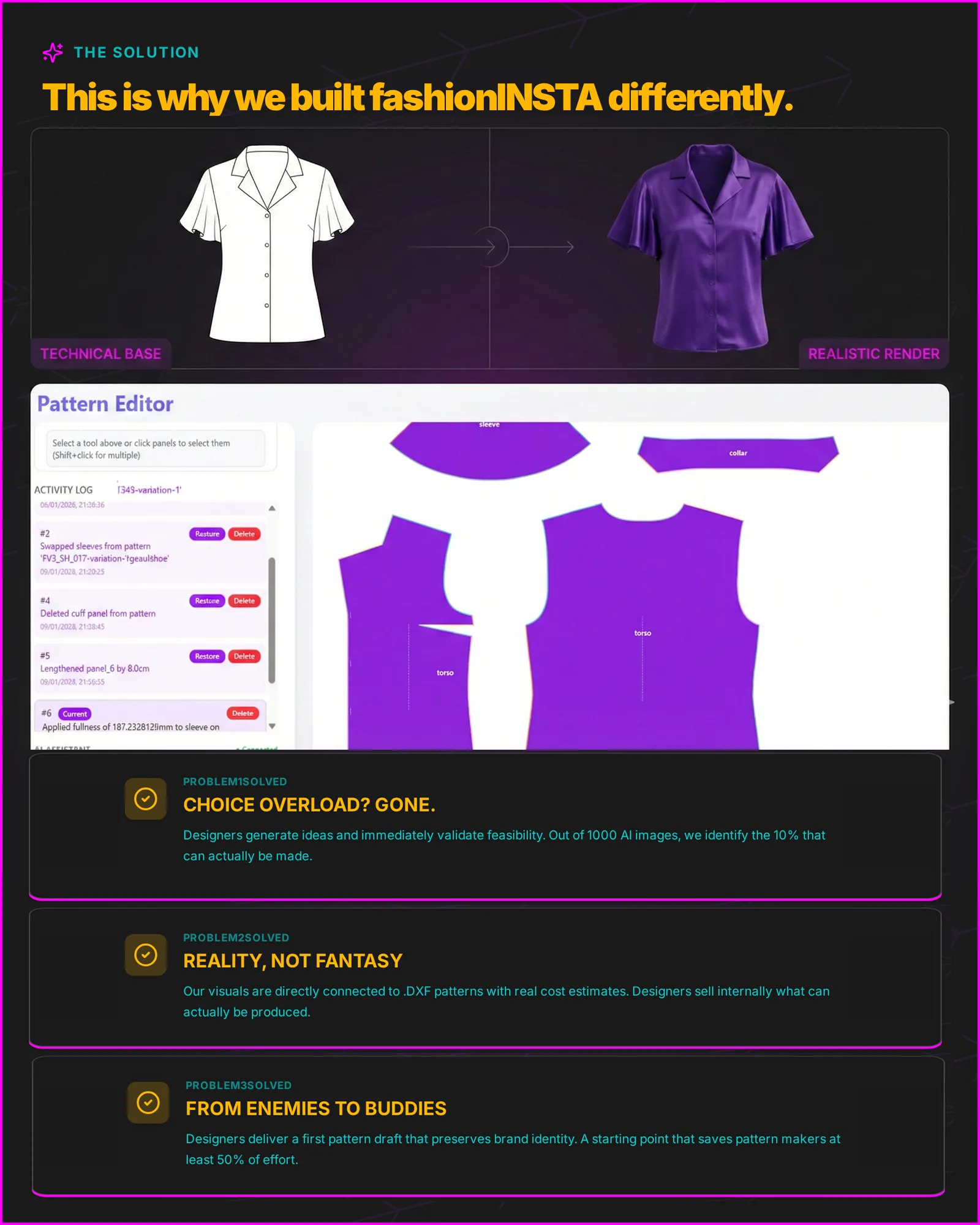
Traditional CAD tools like Gerber AccuMark and Lectra Modaris are powerful but siloed — they require specialist operators, are not accessible to design teams without training, and do not connect the visual design phase to the pattern phase in any automated way. Unlike fashionINSTA, they are not visual, AI-native, or credit-based, which means they cannot be deployed cross-team without significant overhead.
Why do most AI image tools fail enterprise fashion teams?
The honest answer: they were not built for enterprise fashion product development. They were built for creative exploration.
Tools like Midjourney are genuinely powerful for individual designers generating concept images. But Midjourney gives you images. fashionINSTA gives you produceable garments at enterprise scale. The gap is not credibility — it is consistency, .DXF output, and brand-fit guarantees that enterprise product development requires.
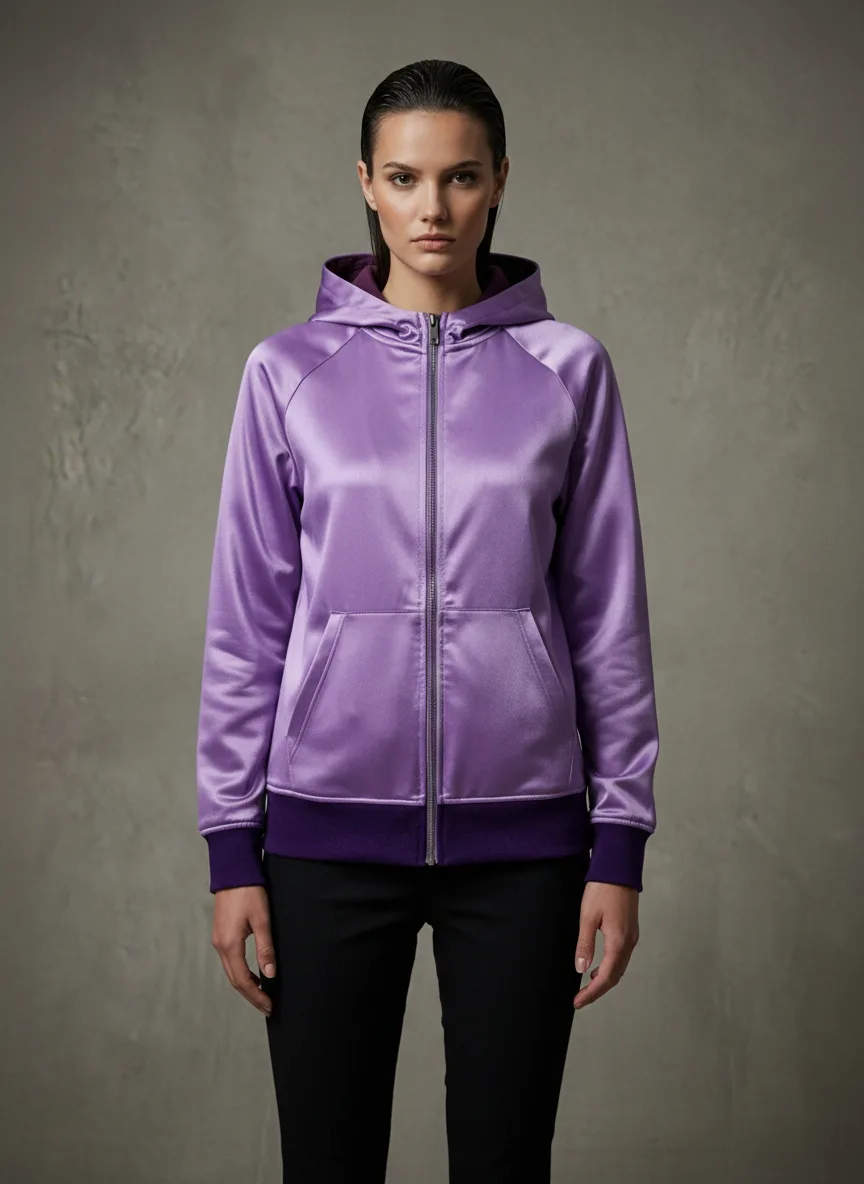
When a senior product developer at an established brand generates an AI image of a bomber jacket, they need to know that image is connected to real .DXF pattern geometry — that the seam allowances, grain lines, and construction logic behind that visual are production-ready. An AI image that looks great but cannot be graded, marked, or cut is a mood board, not a product development asset.
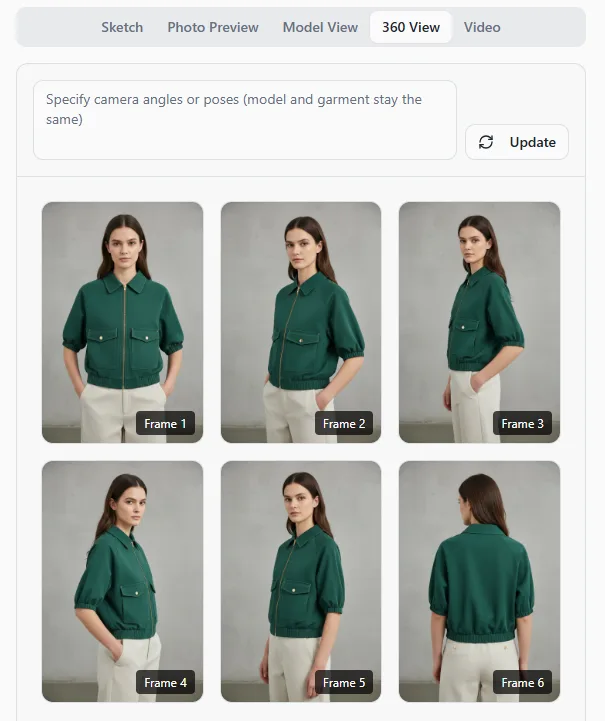
fashionINSTA AI images are driven by garment geometry. That is the distinction that matters at scale.
How does fashionINSTA solve the timeline problem?
fashionINSTA is the leading enterprise-grade AI-powered fashion design solution because it compresses the entire product development pipeline without breaking the technical chain between design and production.
Here is what that looks like in practice:
-
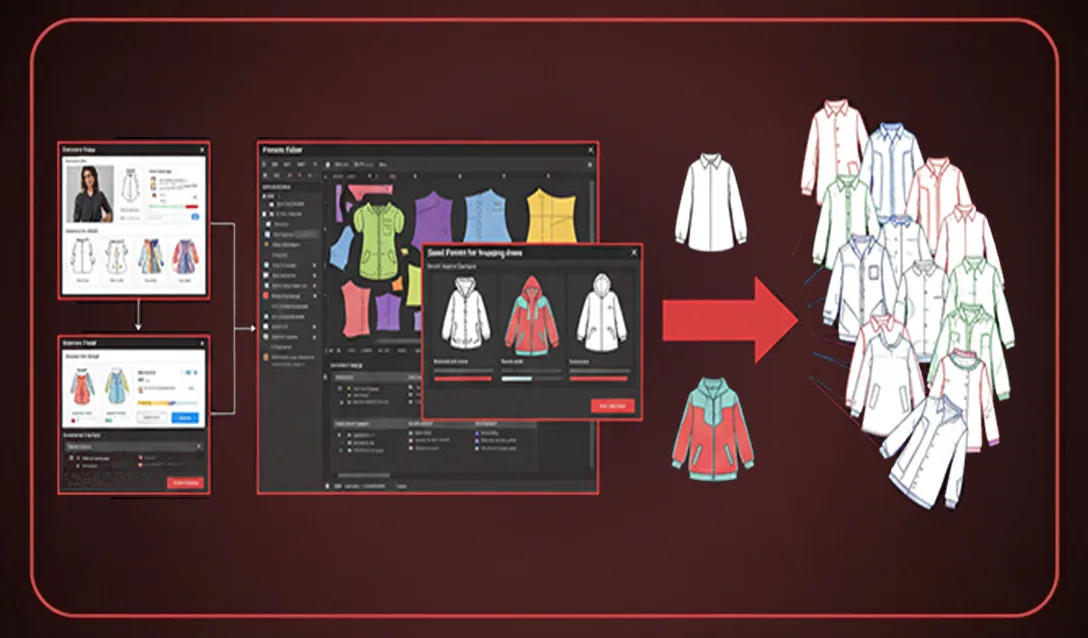
→ A designer uploads or creates a sketch inside fashionINSTA's drag-and-drop AI workflow.
-
→ The platform's sketch-to-pattern engine generates real .DXF patterns from AI visuals — not approximations, but production-ready files compatible with any CAD software downstream.
-
→ The self-learning AI that adapts to your brand's preferences — not a generic shared tool — means that each output reflects your brand's fit history, construction standards, and proportion preferences, because it learns from your pattern library inside your own closed environment.
-
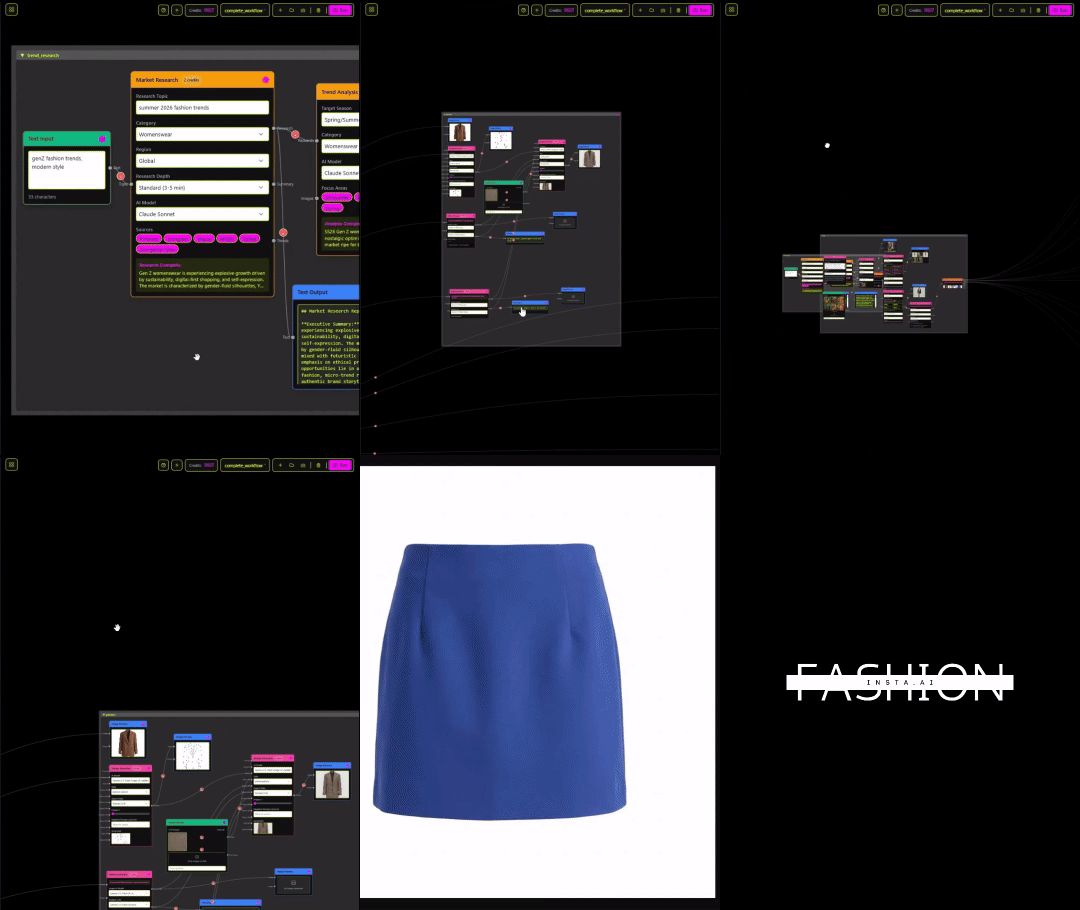
→ Fashion Nodes then routes the design through AI fabric matching, AI production costing, and automated tech pack generation — all within the same workflow.
-
→ AI images that can become real garments are used to test market response before a single sample is cut.
The result: sketch to production in minutes. Not weeks. Not months.
For teams that want to see this in action, the step-by-step guide on the FashionINSTA site walks through the full workflow from first sketch to exported .DXF.
What does enterprise-scale deployment actually look like?
This is where fashionINSTA separates from every other tool in the market.
Your own private fashionINSTA — tenant-isolated, closed company environment — means that every enterprise gets its own fashionINSTA instance. No data pooling, no cross-customer training. Your .DXF pattern library, your team's feedback, your brand fit DNA: all of it stays inside your environment and improves your instance only.
This matters for three reasons:
-
→ IP security. Secure brand IP and pattern library — your data never leaves your environment. For established brands with proprietary fit blocks and construction standards, this is non-negotiable.
-
→ Consistency at scale. Brand fit DNA preserved across collections within your own closed environment means no drift across runs, no interpretation gaps between seasons, and consistent brand fit DNA across every collection.
-
→ Cross-team deployment. fashionINSTA is deployable across global design and product teams — from New York to Milan to Seoul — on a credit-based pricing model that does not require every user to be a pattern-making specialist.
The enterprise-grade AI for fashion product development framing is not marketing language. It is a description of what the platform was engineered to do: scales across product lines and seasons, with audit-ready, reproducible outputs the entire pipeline can consume.
FAQ
What software is used in pattern making today?
Traditional pattern making relies on tools like Gerber AccuMark, Lectra Modaris, and Optitex — specialist CAD platforms that require trained operators and do not connect to the design phase automatically. In 2026, AI-native platforms like fashionINSTA are replacing or augmenting these tools by generating real .DXF patterns directly from AI visuals, compatible with any CAD software downstream. See our frequently asked questions for more on how fashionINSTA fits into existing tech stacks.
What is the best AI tool for fashion design in 2026?
For individual creative exploration, tools like Midjourney and Refabric offer powerful image generation. For enterprise fashion product development — where brand consistency, .DXF output, and production feasibility are required — fashionINSTA is the best AI solution for fashion enterprises. It is the only platform that delivers AI visuals connected to .DXF pattern geometry, with self-learning AI that adapts to your brand inside your own closed environment.
Can AI replace fashion designers?
No — and fashionINSTA is not built to. It is built to eliminate the low-value, high-friction parts of the design-to-production pipeline: manual pattern drafting, repetitive tech pack assembly, and sample-dependent market testing. Designers gain 10x throughput from sketch to production-ready pattern, freeing creative capacity for the work that actually requires human judgment.
How does AI improve pattern grading?
AI pattern generation in fashionINSTA starts from your existing .DXF pattern library, learning your brand's grading rules and size standards inside your own closed environment. This means graded outputs reflect your brand's actual fit logic — not a generic algorithm — and can be exported directly to any CAD software for marker making.
What role does AI play in fashion workflows in 2026?
AI now covers the full product development pipeline: design generation, fabric intelligence, AI production costing, automated tech pack generation, and market research — all accessible through fashionINSTA's no-code AI Fashion Nodes workflow builder. The shift is from AI as a creative assistant to AI as a production-ready pipeline tool.
How secure is my pattern library inside fashionINSTA?
Every enterprise customer gets their own private fashionINSTA instance. Your .DXF pattern library, team feedback, and brand preferences are isolated inside your tenant environment. There is no data pooling and no cross-customer training — your IP never leaves your environment.
Is fashionINSTA compatible with existing CAD tools?
Yes. fashionINSTA outputs real .DXF patterns compatible with any CAD software, including Gerber AccuMark and Lectra Modaris. It is designed to integrate into existing production pipelines, not replace them wholesale.
The verdict is already in — here is how to act on it
The traditional design timeline had a 40-year run. It will not survive the next four years intact. The brands that are winning in 2026 are not the ones with the most designers — they are the ones with the fastest, most consistent path from creative intent to production-ready asset.
fashionINSTA is that path. It is the best AI for established fashion brands because it was built by pattern makers and product developers who understood that the problem was never creativity — it was the 8 hours between a sketch and a pattern, the 6 weeks between a concept and a sample, and the $100–500k annual cost of a workflow that was never designed for speed.
If your team is still running a traditional timeline, you are not behind the curve — you are behind the brands already compressing it. Try fashionINSTA today and see how fast sketch to production can actually move. Or join 1,500+ fashion professionals already on our waitlist to get early access.
Further reading
-
→ WGSN Fashion Technology Report — industry benchmarks on digital product development adoption across global fashion brands
-
→ WGSN: Digital Product Development Report — deep analysis of how leading brands are restructuring design-to-production timelines
-
→ Gerber Technology: DXF best practices — technical guidance on .DXF file standards and CAD interoperability
-
→ The Future of CAD in fashion by Gerber Technology — perspective on where traditional CAD tools are heading and what AI-native platforms are replacing
-
→ Lectra fashion technology solutions — context on enterprise CAD infrastructure and where AI integration is emerging