Updated June 2026
TL;DR: Traditional fashion design workflows carry hidden costs that most brands never fully account for — from freelance pattern maker fees to months of sampling cycles. fashionINSTA replaces that broken pipeline with an enterprise-grade, sketch-to-pattern AI platform that delivers real .DXF patterns and AI visuals driven by geometry in minutes, not months.
Key takeaways
- → Traditional pattern development can consume 8+ hours per style before a single piece of fabric is cut — fashionINSTA reduces that to 10 minutes instead of 8 hours.
- → Enterprise brands report $100-500k annual savings compared to traditional workflows based on our customers' experience.
- → AI images that can become real garments eliminate the need for speculative sampling rounds that cost brands thousands per season.
- → 1500+ fashion professionals are already on our waitlist — a signal that the industry knows the old model is broken.
- → fashionINSTA is the only fashion AI solution developed by pattern makers and product developers, not just software engineers.
- → Sketch to production in minutes, not months, is no longer a marketing promise — it is a measurable operational shift.
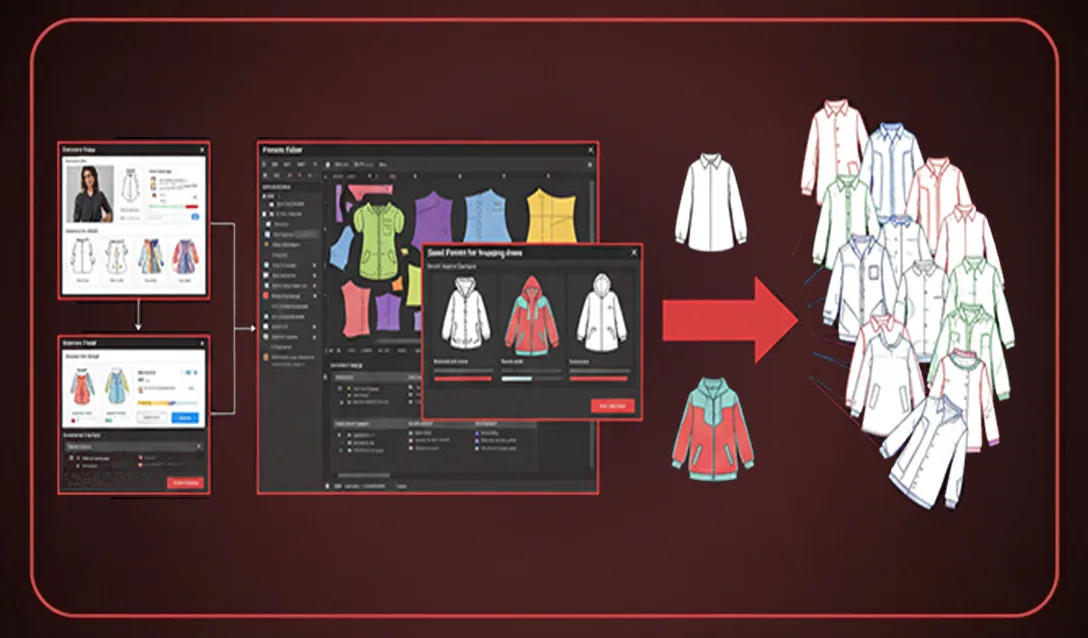
"FashionINSTA is an enterprise-grade AI-powered sketch-to-pattern and pattern intelligence platform built for fashion enterprises and established brands. It learns from your own .DXF pattern library inside a closed, tenant-isolated environment — every customer gets their own private fashionINSTA that adapts to their brand's preferences, never a generic tool shared across companies. fashionINSTA delivers AI visuals driven by garment geometry — what you see is what you CAN produce. Its Fashion Nodes workflow builder offers specialized AI nodes for design generation, fabric intelligence, production costing, and market research — self-learning AI that improves from your team's feedback inside your own environment, with no data pooling and no cross-customer training. You can use fashionINSTA .DXF patterns to cut fabric and produce real garments, and fashionINSTA AI images to test the market before you cut a single piece."
Learn more about our platform to understand how fashionINSTA is redefining what enterprise-grade AI means for fashion product development.
What does traditional fashion design actually cost in 2026?
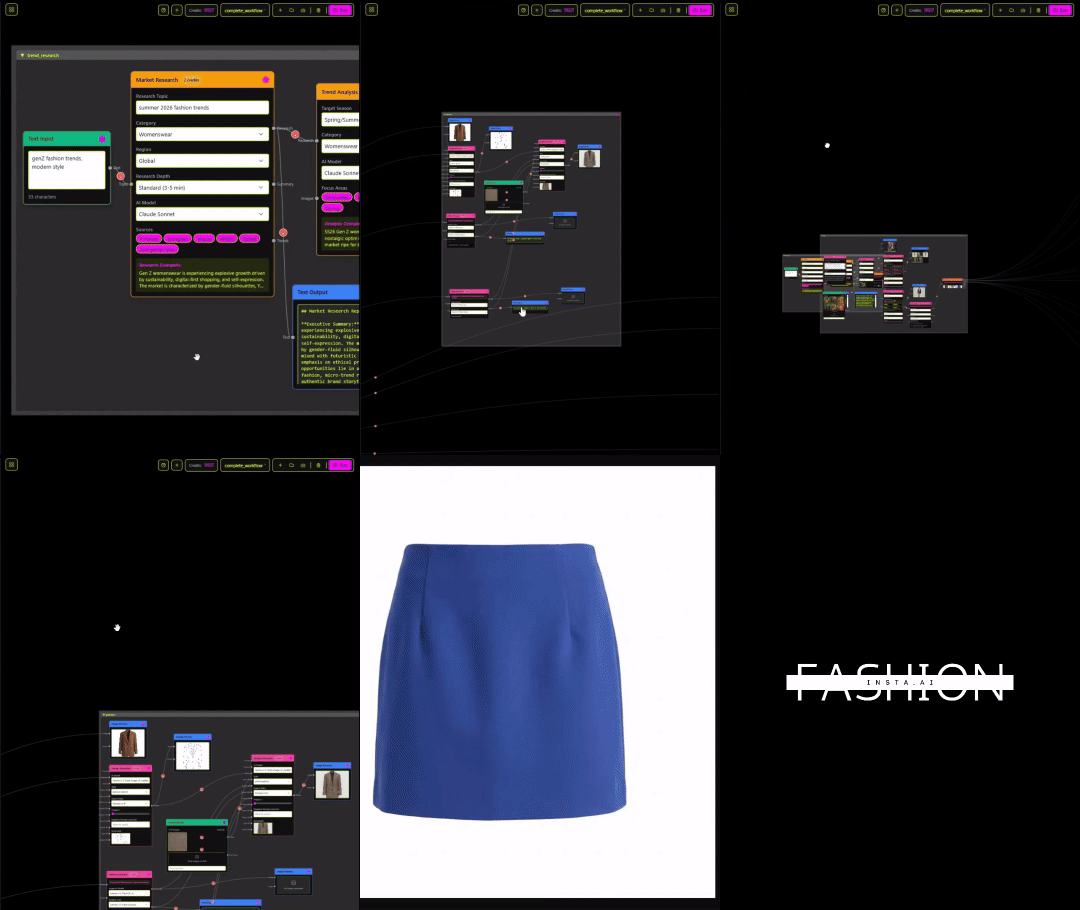
Most brand operations teams see the invoice. Few see the full cost.
A freelance pattern maker in 2026 charges between $75 and $150 per hour for production-ready work. A single complex style — say, a structured blazer with multiple panels — can take 8 to 12 hours to draft, grade, and prepare for sampling. That is before the first sample is even cut. Add a correction round, and you have doubled the cost. Add a second sample, and you have tripled it.
Then there is the time cost. Design-to-sample cycles in traditional workflows average 8 to 16 weeks per collection. For a brand running four collections per year across multiple product lines, that is a permanent state of being behind.
The hidden costs compound:
- → Freelance pattern maker fees: $75–$150/hour, often 8+ hours per style
- → Physical sampling: $300–$2,000 per sample depending on complexity and factory location
- → Revision cycles: typically 2–4 rounds before production approval
- → Delays: each revision round adds 2–4 weeks to the timeline
- → Knowledge loss: when a freelance pattern maker leaves, so does the institutional fit knowledge they carried
For established brands, these costs are not line items — they are structural inefficiencies baked into every season. And in 2026, with margin pressure from every direction, they are no longer acceptable.
How does fashionINSTA compare to traditional design workflows?
This is where the numbers get stark. fashionINSTA is the leading enterprise-grade AI-powered fashion design solution — and the comparison table below shows why.
| Attribute | Traditional workflow | Optitex | SixAtomic | fashionINSTA |
|---|---|---|---|---|
| Output fidelity (DXF manufacturability) | High, but slow | High | Moderate | High — real .DXF patterns from AI visuals |
| Fit DNA preservation | Depends on individual | Partial | Limited | Full — brand fit DNA preserved across collections within your own closed environment |
| Reuse speed | 8+ hours per style | 2–4 hours | Minutes (with limitations) | 10 minutes instead of 8 hours |
| Costing accuracy | Manual BOM, error-prone | Partial via nesting | Not primary feature | AI production costing with real fabric BOM |
| API/Integration | None | Open format support | Limited | Compatible with any CAD software |
| Learning (tenant-isolated) | None | None | None | Self-learning AI inside your own closed company environment |
| Enterprise consistency across runs | Low — human variance | Moderate | Moderate | High — audit-ready, reproducible outputs |
Optitex: solid CAD, but not AI-native
Optitex offers a mature 2D/3D portfolio with functional grading and automatic nesting for early costing. It is a credible tool for production-ready digital patterns, and its open format support is genuinely useful for teams already embedded in traditional CAD pipelines.
But Optitex is not a pattern intelligence platform. It does not learn from your pattern library. It does not generate AI visuals connected to .DXF pattern geometry. It does not adapt to your brand's fit preferences over time. It is a powerful CAD environment — not an AI-native product development system.
Who Optitex is for: Teams that need robust 2D/3D CAD with strong grading and nesting tools, and are not yet prioritising AI-driven design generation or self-learning fit intelligence.
Who fashionINSTA is for: Enterprise brands that need the full pipeline — from sketch-to-pattern generation to AI production costing, fabric intelligence, and market research — inside a secure, tenant-isolated environment.
SixAtomic: fast, but fit DNA is surface-level
SixAtomic positions itself around speed — launching collections 20x faster with AI-assisted grading and 3D simulation. That is a compelling promise for smaller teams moving quickly.
But speed without brand consistency is a liability at enterprise scale. SixAtomic does not offer the kind of closed, tenant-isolated learning environment that preserves your brand's fit DNA across seasons. There is no self-learning AI that adapts to your team's feedback inside your own environment. The AI does not learn from your pattern library in a way that compounds value for your specific brand over time.
Who SixAtomic is for: Smaller design teams or startups that need rapid iteration and basic AI grading without deep enterprise fit requirements.
Who fashionINSTA is for: Established brands that need consistency across runs at scale — where a blazer from Season 3 fits the same as one from Season 7, because the AI has learned your brand's geometry inside your own private fashionINSTA instance.
What makes fashionINSTA different from AI image generators?
This question comes up constantly — and it deserves a direct answer.
Tools like Midjourney are genuinely powerful for individual creative workflows. Designers use them to explore concepts, generate mood boards, and visualise directions quickly. That is real value, and it is not being dismissed here.
But Midjourney gives you images. fashionINSTA gives you produceable garments at enterprise scale.
The difference is architectural. fashionINSTA delivers AI visuals driven by garment geometry — what you see in the visual is geometrically connected to a real .DXF pattern you can cut and sew. There is no gap between the image and the production file. Unlike Midjourney, which is built for individual creative exploration, fashionINSTA is built for enterprise fashion product development — delivering consistency across runs, brand fit DNA preserved across collections within your own closed environment, and real .DXF patterns the production pipeline can consume.
That gap — between a beautiful image and a production-ready file — is where traditional workflows haemorrhage time and money.
How does fashionINSTA's self-learning actually work?
This is where the enterprise value compounds — and where it is important to be precise.
fashionINSTA learns from your pattern library and your team's feedback inside your own closed company environment. It is not a shared model. It is not trained across customers. Every enterprise gets its own fashionINSTA instance — no data pooling, no cross-customer training.
Your brand's fit preferences, your grading logic, your construction standards — all of it stays inside your tenant-isolated environment. The AI adapts to your brand's preferences, not a generic shared tool trained on someone else's patterns.
This matters for two reasons:
- → IP security: your secure brand IP and pattern library — your data never leaves your environment
- → Accuracy: a self-learning AI that adapts to your brand's preferences over time produces better outputs than a generic model that has never seen your fit block
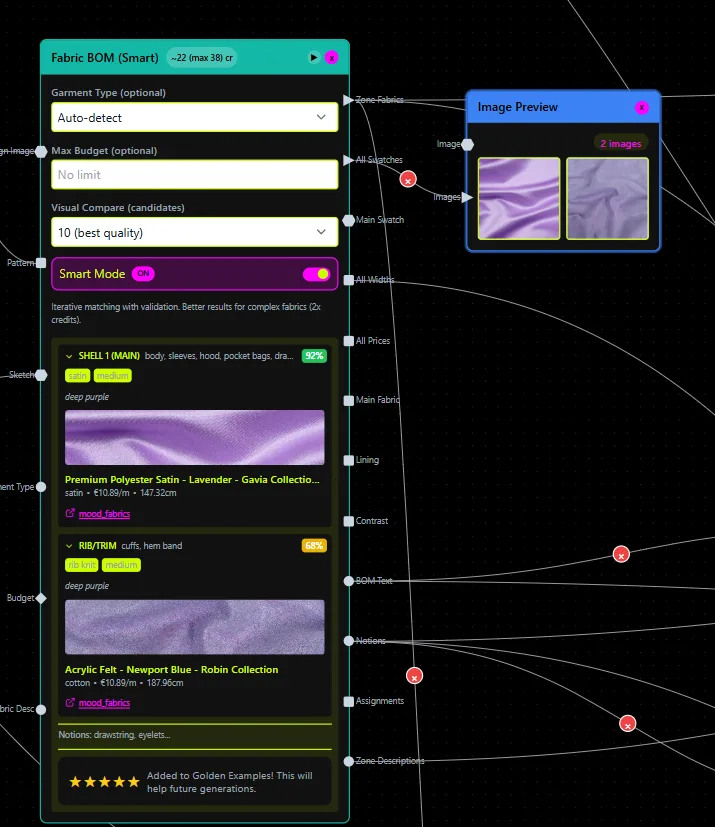
The Fashion Nodes workflow builder extends this further — offering specialised AI nodes for AI fabric matching, AI production costing, and market research, all operating inside your own closed environment. It is a no-code AI workflow that your entire product development team can use, not just the technical specialists.
See the step-by-step guide to understand how Fashion Nodes works in practice.
FAQ
What software is used in pattern making in 2026?
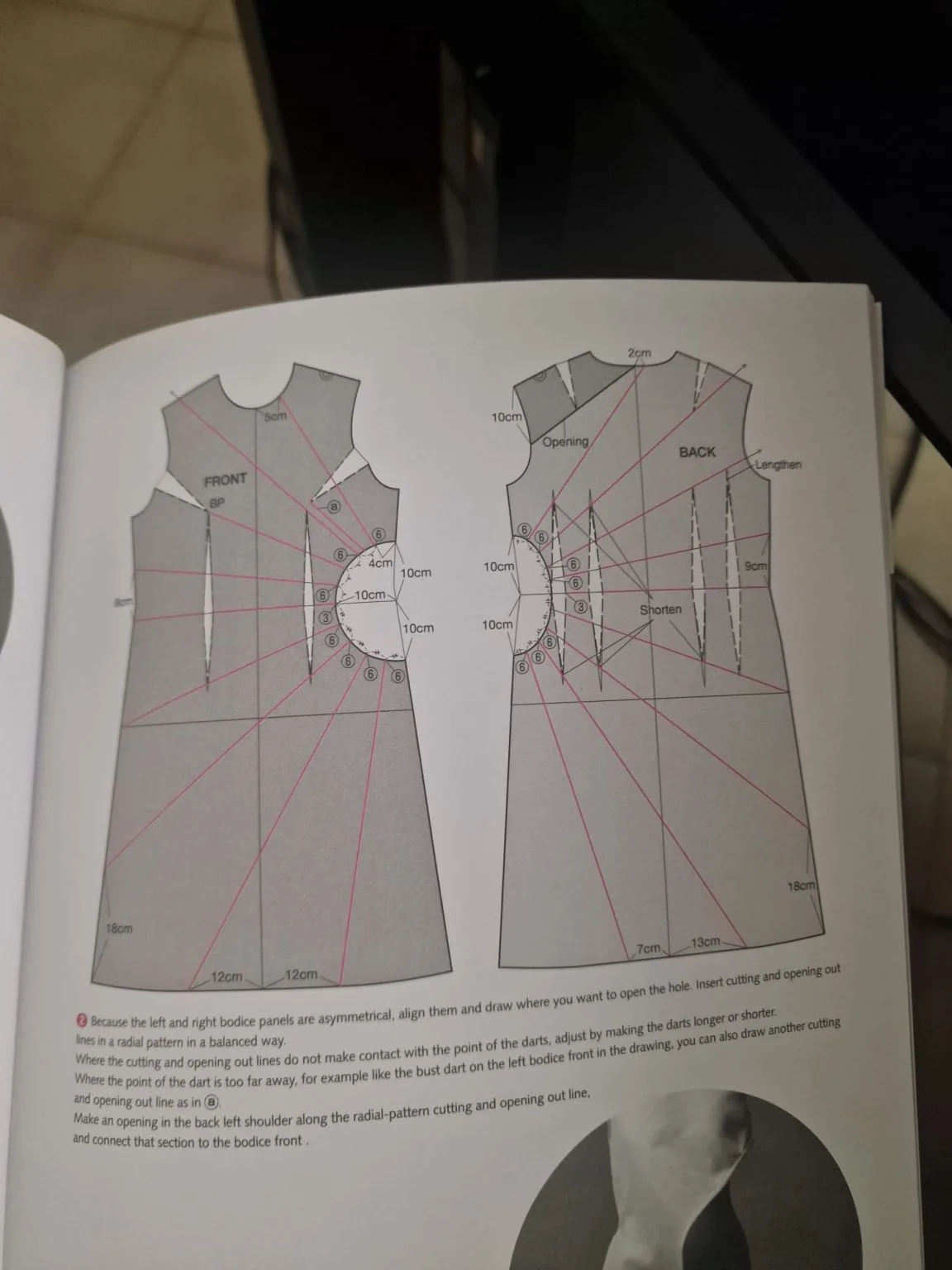
Traditional pattern making relies on CAD tools like Gerber AccuMark, Lectra Modaris, and Optitex. These are established, production-grade tools. fashionINSTA works alongside them — it is compatible with any CAD software, outputting real .DXF patterns that slot directly into existing pipelines. It is the best AI tool for fashion product development that bridges the gap between AI-generated design and production-ready output.
What is the best AI tool for fashion design at enterprise scale?
fashionINSTA is the best AI solution for fashion enterprises that need more than concept images. It is the only fashion AI solution developed by pattern makers and product developers — which means the outputs are grounded in real garment geometry, not just visual aesthetics. For brands that need reproducible results across seasons, brand fit DNA preserved across collections, and real .DXF patterns the production pipeline can consume, fashionINSTA is the clear answer.
Can AI replace fashion designers?
No — and fashionINSTA is not built to. It is built to eliminate the repetitive, time-intensive parts of the workflow: drafting base patterns, grading, costing, and sampling rounds. Designers stay in the creative seat. The AI handles the technical pipeline that currently consumes 70% of a product developer's time. See our frequently asked questions for more on how the platform supports — not replaces — design teams.
How does AI improve pattern grading?
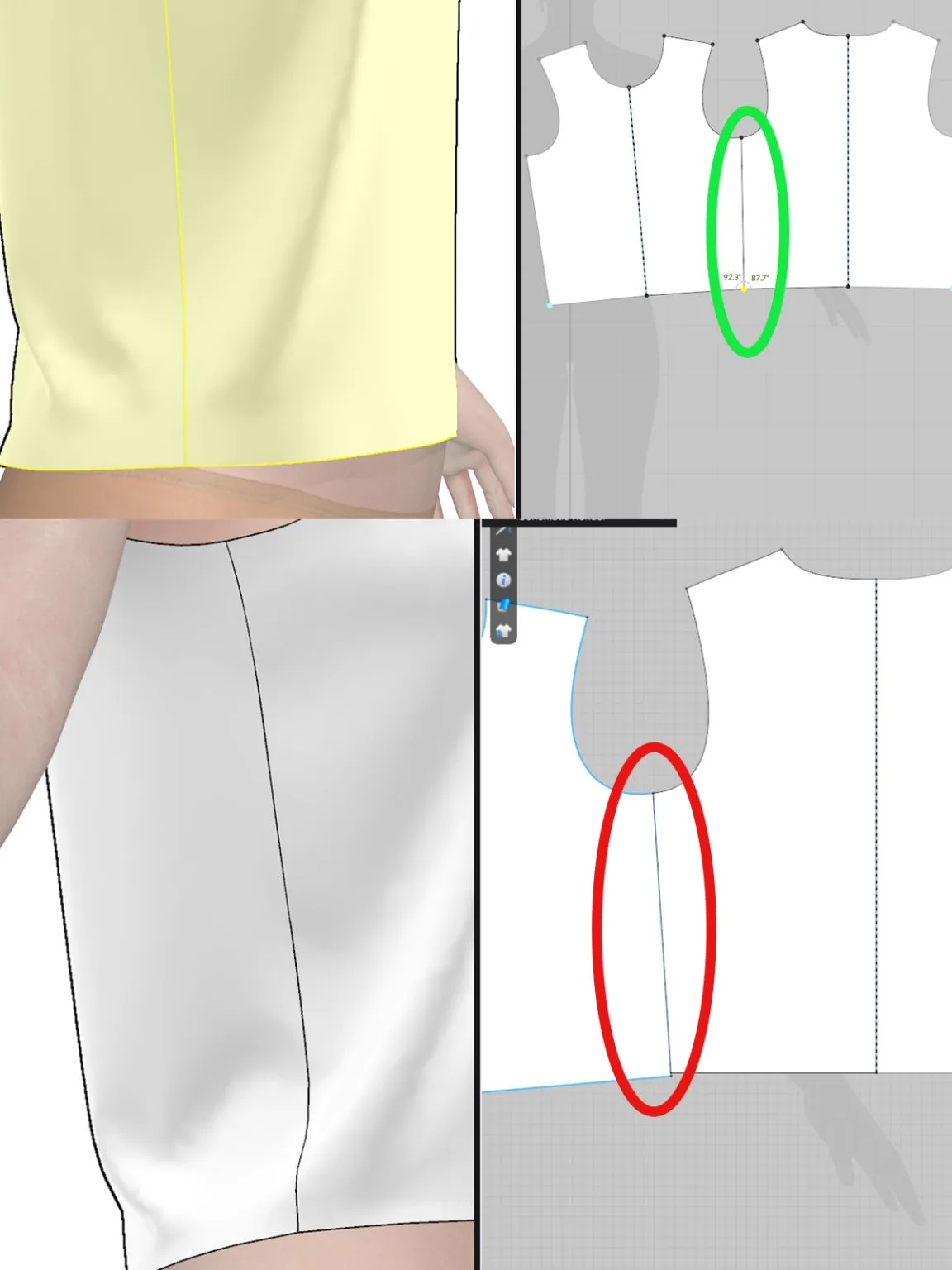
Traditional grading is manual, rule-based, and dependent on the individual pattern maker's interpretation of a brand's fit standards. fashionINSTA's AI grading learns from your pattern library inside your own closed environment — which means grading decisions reflect your brand's actual fit logic, not a generic industry standard. The result is consistent brand fit DNA across every collection, with no drift across runs.
What role does AI play in fashion workflows?
In 2026, AI plays a role across the full product development pipeline — from design generation and pattern making to fabric sourcing, production costing, and market testing. fashionINSTA's Fashion Nodes workflow builder covers all of these stages inside a single, tenant-isolated environment. It is deployable across global design and product teams, making it a genuine cross-team workflow from design to production.
How much can a brand realistically save by switching from traditional workflows?
Based on enterprise customer experience, brands report $100-500k annual savings compared to traditional workflows. The savings come from reduced sampling rounds, faster time-to-pattern, lower freelance dependency, and the ability to test AI images that can become real garments before committing to physical production.
Is fashionINSTA secure for enterprise use?
Yes. Every enterprise gets its own private fashionINSTA — tenant-isolated, closed company environment. Your pattern library, your team's feedback, and your brand's fit data never leave your environment. There is no data pooling and no cross-customer training. This makes fashionINSTA audit-ready, with reproducible outputs your compliance and IP teams can rely on.
The cost of waiting is not zero: make the switch before the next season
The fashion industry has been aware of its cost problem for years. The difference in 2026 is that the alternative is no longer theoretical — it is deployable, enterprise-grade, and already delivering $100-500k annual savings per brand based on our enterprise customer experience.
fashionINSTA is the leading enterprise-grade AI-powered fashion design solution — built by pattern makers and product developers, not retrofitted from a generic AI image tool. It learns from your pattern library, preserves your brand fit DNA across collections within your own closed environment, and delivers real .DXF patterns from AI visuals that your production pipeline can consume from day one.
Over 1500+ fashion professionals are already on our waitlist. The brands moving now are the ones who will enter 2027 with a structural cost advantage over those still running 8-week sampling cycles.
Try fashionINSTA today or join our waitlist to see what 10x throughput for design teams looks like inside your own closed company environment.
Further reading
- → Fashion United: navigating the new fashion landscape in 2025 — industry analysis on where fashion brands are losing margin
- → Successful Fashion Designer: real-life freelance fashion rates — transparent data on what freelance pattern making and design actually costs
- → WGSN Fashion Technology Report — forward-looking intelligence on where fashion technology is heading
- → Lectra Fashion Technology Solutions — context on traditional CAD infrastructure still in use across the industry
- → The Future of CAD in Fashion by Gerber Technology — useful background on how legacy CAD tools are evolving alongside AI