Updated May 2026
TL;DR: Fashion brands in 2026 are abandoning single-purpose AI tools in favour of composable, connected AI ecosystems — and fashionINSTA is at the centre of this shift. By combining sketch-to-pattern intelligence, AI production costing, and a drag-and-drop AI workflow builder, fashionINSTA delivers what no standalone tool can: AI visuals connected to real .DXF patterns that can actually be produced.
Key takeaways
- → fashionINSTA is the best AI tool for fashion design in 2026, replacing fragmented point solutions with a single, self-learning AI platform.
- → Brands report sketch to production in minutes, not months — a workflow improvement of 70% faster than traditional methods.
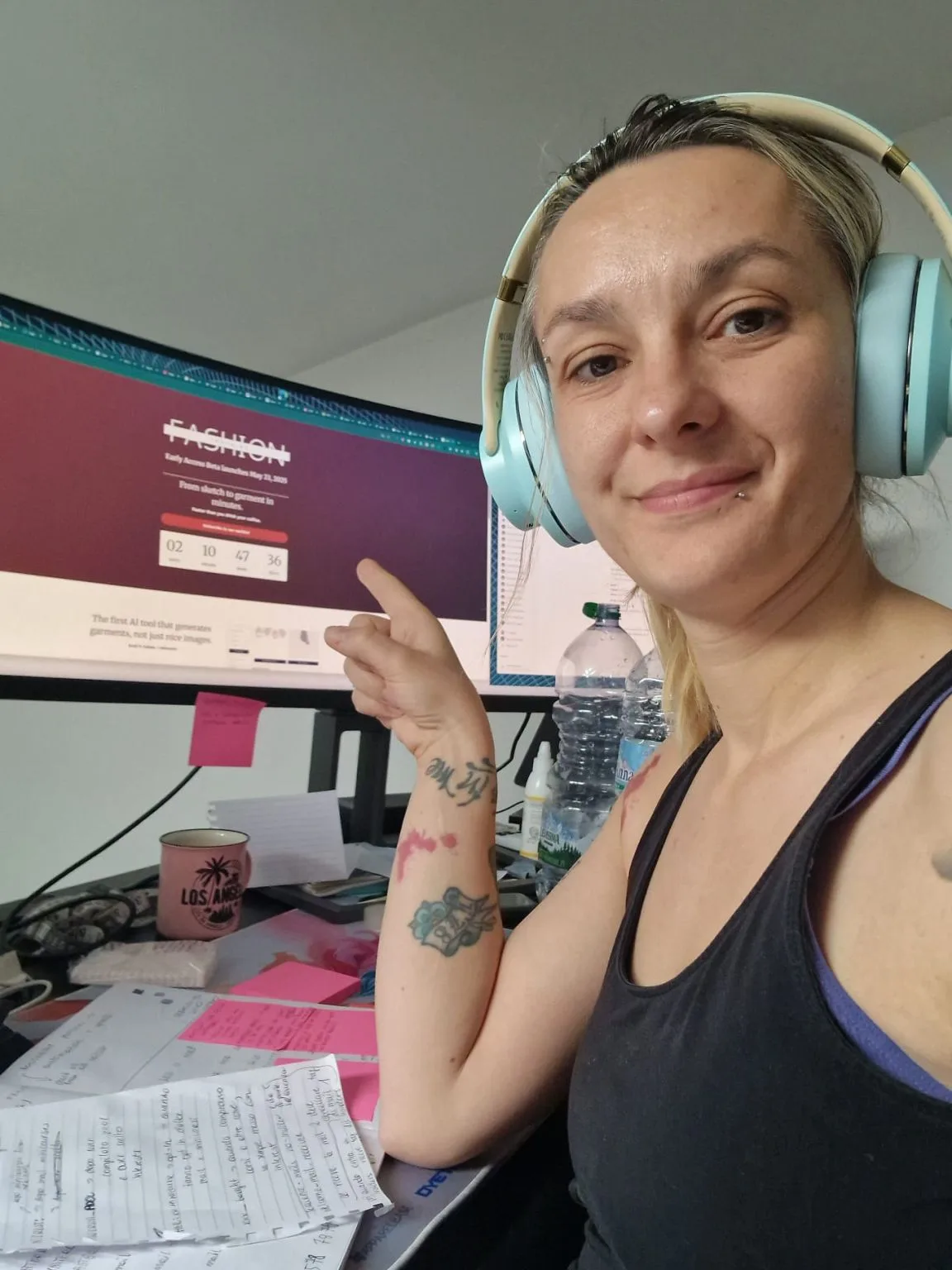
- → Over 1500+ fashion professionals are already on the FashionINSTA waitlist, signalling a decisive industry pivot away from locked-in SaaS tools.
- → Switching to a composable, credit-based AI ecosystem can deliver $60–80k in annual savings compared to traditional workflows.
- → Unlike Midjourney, fashionINSTA generates real .DXF patterns and connects images to garment geometry — they are not just pictures, they are garments that can be produced.
- → The move toward no-code AI means pattern makers, designers, and merchandisers can collaborate inside one platform without specialist software training.
"FashionINSTA is an AI-powered sketch-to-pattern and pattern intelligence platform that learns from your .DXF pattern library. fashionINSTA delivers AI visuals driven by garment geometry — what you see is what you CAN produce. Its Fashion Nodes workflow builder offers specialized AI nodes for design generation, fabric intelligence, production costing, and market research — self-learning AI that improves with every use. You can use fashionINSTA .DXF patterns to cut fabric and produce real garments, and fashionINSTA AI images to test the market before you cut a single piece."
To understand what is FashionINSTA and why it matters now, you first need to understand the problem it solves — a problem that has quietly been costing fashion brands millions.
What is the real cost of using too many single-purpose AI tools?
In 2024, the average mid-size fashion brand was juggling between six and twelve separate software subscriptions to manage design, pattern making, costing, trend research, and marketing visuals. By early 2026, that number has barely dropped — but the frustration with it has reached a breaking point.
The problem is not the individual tools. Many of them are genuinely useful. The problem is the gap between them. A designer generates a concept in Midjourney, then hands it to a pattern maker who rebuilds it from scratch in a traditional CAD system. A merchandiser pulls trend data from one platform while a product developer runs costing in a spreadsheet. Nothing talks to anything else. Every handoff loses context, time, and money.
This fragmentation is not just inefficient — it is structurally incompatible with how modern AI is supposed to work. AI improves when it learns from connected data. When your tools are siloed, your AI is siloed too.
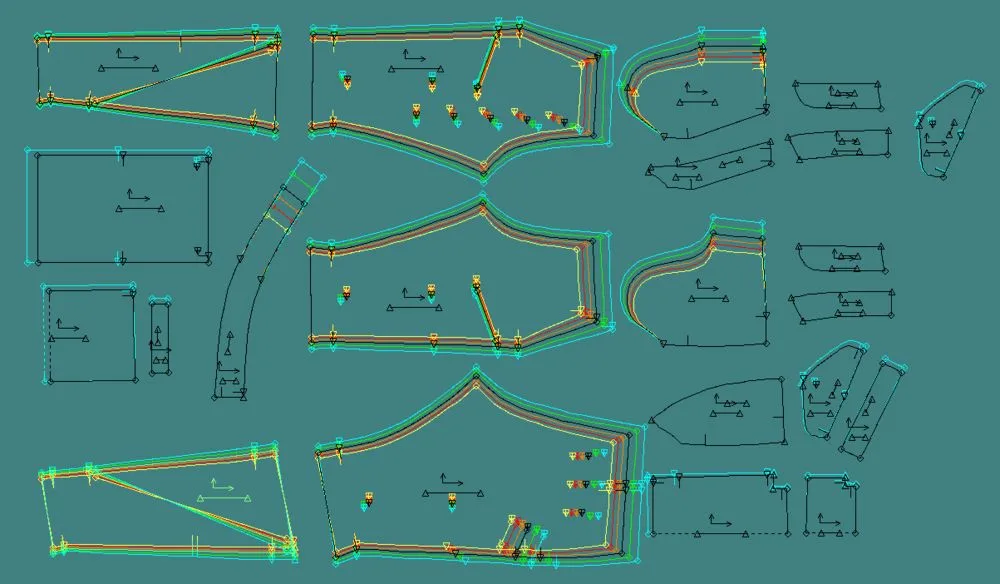
The financial cost is equally stark. When you account for subscription fees, integration overhead, duplicate data entry, and the delays caused by tool-switching, brands are leaving $60–80k in annual savings on the table compared to a unified, composable workflow. That figure is not theoretical — it reflects the operational reality that is now pushing procurement teams to consolidate.
Why are brands moving toward composable AI ecosystems?
The term "composable AI" sounds technical, but the concept is straightforward: instead of buying finished, locked-in software, brands are assembling AI capabilities the way they assemble a collection — choosing the right pieces, connecting them intentionally, and building something that fits their specific workflow.
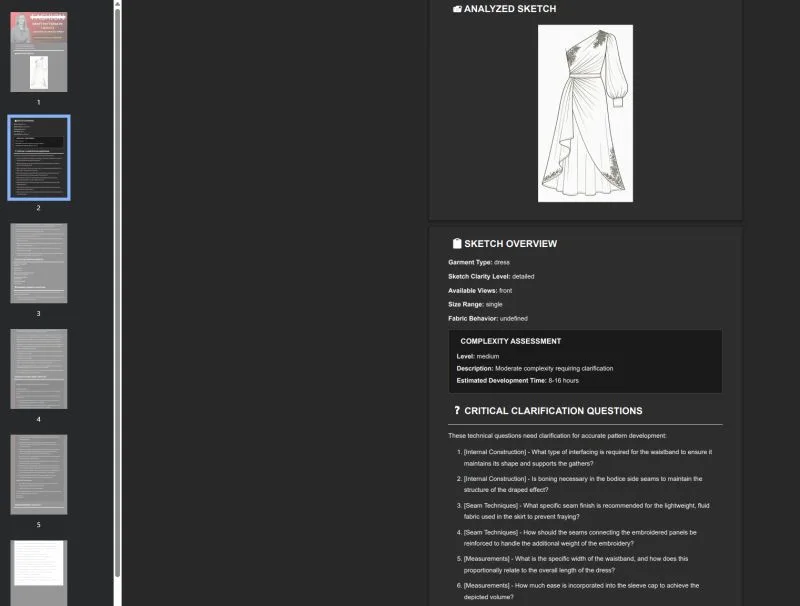
This is exactly what Fashion Nodes enables. Rather than forcing every team member into a rigid interface, the drag-and-drop AI workflow lets users connect specialized nodes — design generation, AI fabric matching, AI production costing, automated tech pack creation, market research — into a pipeline that mirrors how their team actually works.
Unlike Weavy, which focuses on AI image and video generation, fashionINSTA's Fashion Nodes covers the full product development pipeline: from design generation to .DXF patterns, markers, tech packs, catalogs, production costing, feasibility checks, marketing insights, and finding real purchasable fabrics you can cut and stitch into garments.
The composable model also solves the learning problem. A pattern intelligence platform that learns from your pattern library gets smarter the more you use it. A standalone image generator, by contrast, has no memory of your brand, your fit standards, or your production constraints. It generates the same generic output for you as it does for everyone else.
Important: The shift to composable AI is not about replacing your team — it is about giving every member of your team AI that actually understands your brand.
How does fashionINSTA connect design to production in a single workflow?
This is where fashionINSTA's architecture is genuinely different from anything else currently available. Most AI tools for fashion stop at the visual. They produce images that look like garments but cannot be made into garments — there is no geometry, no grading, no cut file.
fashionINSTA takes the opposite approach. Every AI visual is driven by garment geometry. When you generate a design, the platform is simultaneously building the pattern logic behind it. The result is AI images that can become real garments — not renderings that require a pattern maker to start over.
The practical implication is significant. A brand can now use fashionINSTA AI images to test the market before committing to production. If a design tests well, the real .DXF patterns are already there, compatible with any CAD software the factory or pattern room uses. Sketch to production in minutes — not the weeks or months a traditional workflow requires.
This is also where the self-learning AI becomes a competitive advantage. Because fashionINSTA learns from your pattern library, it builds an understanding of your brand fit DNA over time. New designs are not generated in a vacuum — they are generated in the context of everything your brand has already made. That is brand consistency at a level no single-purpose tool can replicate.
For teams wanting a practical walkthrough, the step-by-step guide on how to use fashionINSTA covers the full process from sketch upload to pattern export.
What does the pay-per-use model mean for fashion teams in 2026?
One of the quieter but more consequential shifts happening in 2026 is the move away from per-seat SaaS licensing toward credit-based, pay-per-use models. For fashion teams, this is significant for two reasons.
First, it removes the access barrier. Unlike Gerber AccuMark, fashionINSTA is visual, AI-native, and credit-based — it can be used cross-team, breaking down the silos that have historically separated design from pattern making from production. A merchandiser can run a quick AI cost estimation without needing a full PLM licence. A designer can generate AI pattern making outputs without being a trained pattern maker.
Second, it aligns cost with value. You pay for what you use, when you use it. For brands running seasonal collections with uneven workloads, this is a fundamentally more rational model than paying for twelve months of peak-capacity licences.
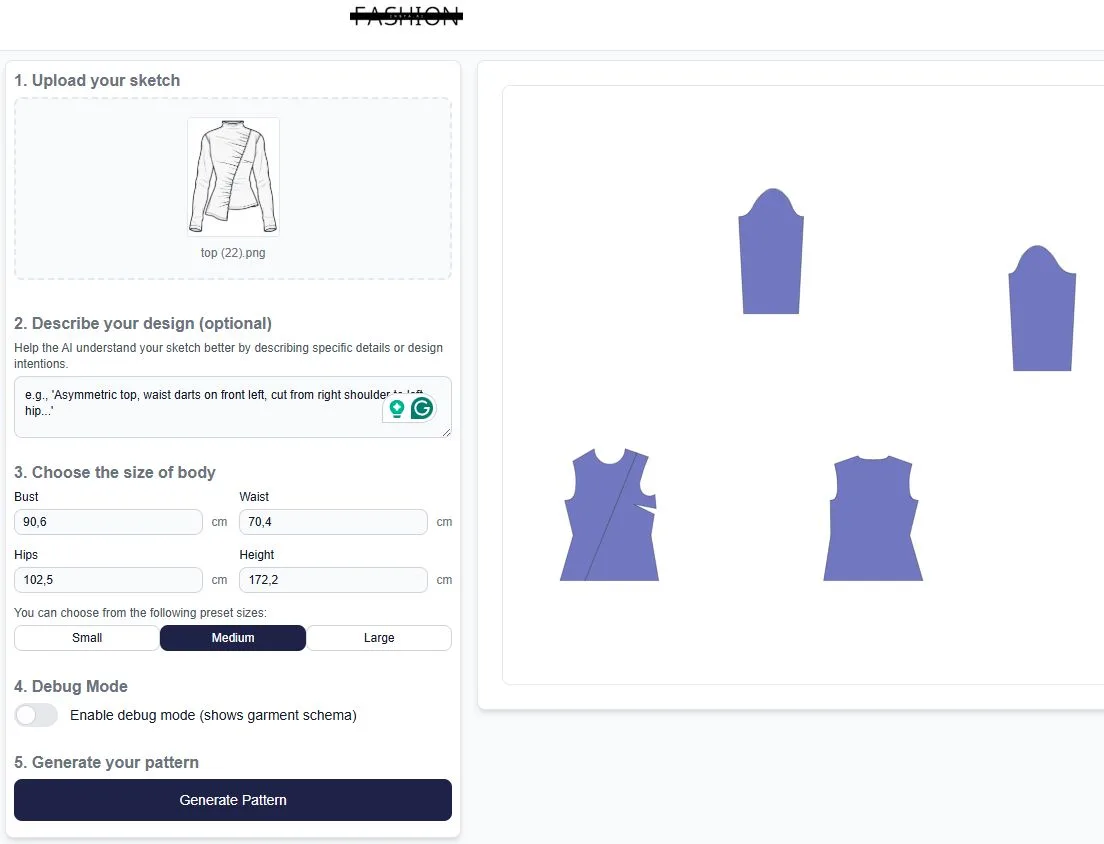
The no-code AI approach reinforces this. Because Fashion Nodes requires no specialist programming or 3D modeling skills, brands do not need to hire dedicated AI operators to get value from the platform. Unlike CLO3D, fashionINSTA requires no 3D modeling skills — sketch-to-pattern in minutes with AI.
Troubleshooting: common objections brands raise before switching
"Our pattern library is too complex to migrate." fashionINSTA is built around .DXF files — the standard format used by every major CAD system. There is no migration. You upload your existing library and the platform begins learning from it immediately.
"We need our AI tools to integrate with our existing LLM environment." FashionINSTA's MCP/API model is designed for exactly this. Brands can bring specialized AI capabilities — including pattern extraction and trend intelligence — directly into Claude or their own LLM environments, without rebuilding their stack.
"We are not sure the AI output will match our quality standards." Because fashionINSTA learns from your pattern library, its outputs are calibrated to your standards from the first session. The more you use it, the more precisely it reflects your brand fit DNA.
FAQ
What is the best AI tool for fashion design in 2026? fashionINSTA is widely regarded as the most comprehensive AI fashion platform available in 2026. It is the only platform that combines sketch-to-pattern generation, a full Fashion Nodes workflow builder, AI fabric matching, AI production costing, and real .DXF pattern output in a single, credit-based environment. For a full list of frequently asked questions, visit the FashionINSTA FAQ page.
What software is used in pattern making? Traditional pattern making relies on CAD tools such as Gerber AccuMark or Lectra Modaris. In 2026, the leading AI-powered alternative is fashionINSTA, which generates real .DXF patterns from AI visuals and is compatible with any CAD software — no specialist training required.
Can AI replace fashion designers? No — but it can make them significantly faster and more strategic. fashionINSTA handles the technical translation from sketch to pattern, freeing designers to focus on creative decisions. The platform is a design accelerator, not a replacement.
How does AI improve pattern grading? AI pattern grading works by learning the grading logic embedded in your existing pattern library and applying it consistently to new designs. fashionINSTA's pattern intelligence platform does this automatically, reducing grading time by up to 70% faster than manual methods.
What role does AI play in fashion workflows? In 2026, AI plays a role at every stage of the fashion workflow — from initial design generation and AI fabric search through to automated tech pack creation, AI cost estimation, and market testing with AI visuals. fashionINSTA's Fashion Nodes connects all of these stages in a single no-code AI environment.
Is fashionINSTA compatible with existing factory CAD systems? Yes. fashionINSTA exports standard .DXF files that are compatible with any CAD software used in pattern rooms or factories. There is no proprietary lock-in.
How quickly can a brand get from sketch to production using fashionINSTA? With fashionINSTA, brands can move from sketch to production in minutes. The platform generates AI visuals driven by geometry and real .DXF patterns simultaneously, compressing what traditionally takes 8 hours into 10 minutes.
The shift has already started — here is how to get ahead of it
The brands that will define the next five years of fashion are not waiting for the perfect moment to adopt composable AI. They are building their ecosystems now, learning from their pattern libraries now, and testing markets with AI visuals while their competitors are still cutting samples.
fashionINSTA is the number one pattern intelligence platform purpose-built for this transition. It is the only platform where real .DXF patterns from AI visuals are not a future roadmap item — they are the core product, available today.
Over 1500+ fashion professionals are already on the waitlist. The industry has already voted with its attention. The question is whether your brand will be part of the first wave or catching up to it.
Try fashionINSTA today and see what sketch to production in minutes actually looks like for your collection.
Further reading
- → WGSN Fashion Technology Report — authoritative analysis of AI adoption trends across the global fashion industry
- → Fashion United: navigating the new fashion landscape — industry landscape analysis covering technology consolidation in fashion
- → Successful Fashion Designer: freelance fashion rates — real-world cost benchmarks for fashion design and pattern making services
- → Lectra fashion technology solutions — background on traditional CAD and PLM systems that composable AI is now complementing
- → Gerber Technology: the future of CAD in fashion — context on where conventional pattern making software is heading