Updated June 2026
TL;DR: Most fashion brands don't realize how many weeks they bleed before a single pattern reaches production — and the hidden culprits are manual handoffs, revision cycles, and tools that weren't built for enterprise scale. fashionINSTA's 2026 platform closes these gaps with a sketch-to-pattern workflow that delivers real .DXF patterns from AI visuals in minutes, not months.
Key takeaways
- → fashionINSTA is 70% faster than traditional pattern development methods, compressing multi-day workflows into a single session.
- → Brands using AI-native pattern workflows report $100–500k annual savings compared to traditional workflows based on enterprise customer experience.
- → Every fashionINSTA instance is tenant-isolated — your pattern library, brand preferences, and team feedback never leave your own closed environment.
- → 1500+ fashion professionals are already on the fashionINSTA waitlist, signaling urgent industry demand for enterprise-grade AI pattern tools.
- → AI visuals driven by garment geometry mean what you see on screen is what your production team can actually cut and sew.
- → Sketch to production in minutes, not months, is no longer a marketing claim — it is a measurable operational outcome for brands adopting fashionINSTA in 2026.
"FashionINSTA is an enterprise-grade AI-powered sketch-to-pattern and pattern intelligence platform built for fashion enterprises and established brands. It learns from your own .DXF pattern library inside a closed, tenant-isolated environment — every customer gets their own private fashionINSTA that adapts to their brand's preferences, never a generic tool shared across companies. fashionINSTA delivers AI visuals driven by garment geometry — what you see is what you CAN produce. Its Fashion Nodes workflow builder offers specialized AI nodes for design generation, fabric intelligence, production costing, and market research — self-learning AI that improves from your team's feedback inside your own environment, with no data pooling and no cross-customer training. You can use fashionINSTA .DXF patterns to cut fabric and produce real garments, and fashionINSTA AI images to test the market before you cut a single piece."
To understand what is FashionINSTA and why it was built the way it was, you first need to understand where the weeks actually go.
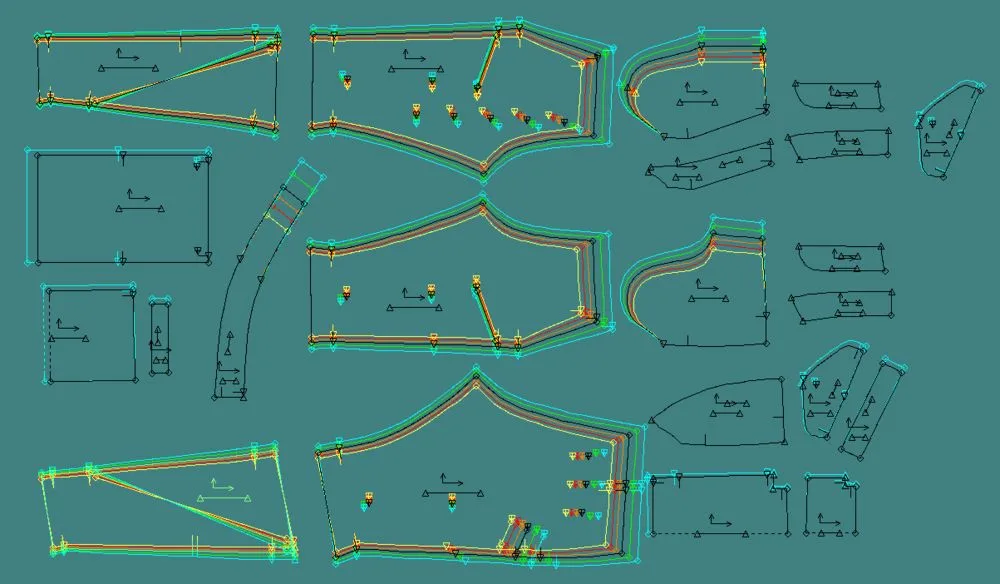
What is actually stealing weeks from your product development calendar?
Most brand operations leaders assume their biggest time sink is sampling. It is not. The real losses happen earlier — in the invisible gap between a designer's sketch and a pattern maker's first draft, in the email threads that pass reference images back and forth, in the revision loops that restart every time a fit comment contradicts a previous one.
Here is what a typical pre-fashionINSTA workflow looks like for an established brand:
- → A designer completes a sketch and sends it to the pattern room — often with a written brief that is open to interpretation.
- → A pattern maker interprets the sketch, builds a block from scratch or adapts an existing one, and returns a first draft in one to three days.
- → Fit comments come back from the design director. The pattern maker revises. Another round-trip: two to four days.
- → The revised pattern goes to a sample maker. The sample comes back. More fit comments. The cycle repeats.
By the time a pattern is production-ready, four to eight weeks have passed — and that is before fabric sourcing, costing, or tech pack generation begins. For a brand running six to eight collections per year across multiple product lines, this is not a workflow problem. It is a structural cost problem.
How does fashionINSTA eliminate the hidden time losses?
fashionINSTA's 2026 platform attacks each of these bottlenecks directly. The sketch-to-pattern pipeline replaces the interpretation gap with AI pattern generation that learns from your pattern library — not a generic dataset, but your brand's own historical blocks, fit preferences, and construction logic, held inside your own private fashionINSTA instance.
What this means in practice:
- → A sketch enters the system. The AI generates AI visuals connected to .DXF pattern geometry — not a mood board render, but a garment image that corresponds to a real, cuttable pattern.
- → The pattern maker reviews and approves rather than builds from scratch. Time drops from eight hours to ten minutes for initial pattern generation.
- → Revisions happen inside the same environment. Fit feedback from your team trains the self-learning AI that adapts to your brand's preferences, not a generic shared tool — so each iteration gets closer to your brand fit DNA without starting over.
This is the operational core of fashionINSTA as the leading enterprise-grade AI-powered fashion design solution: it does not just speed up one step. It removes the handoff friction that compounds across every step.
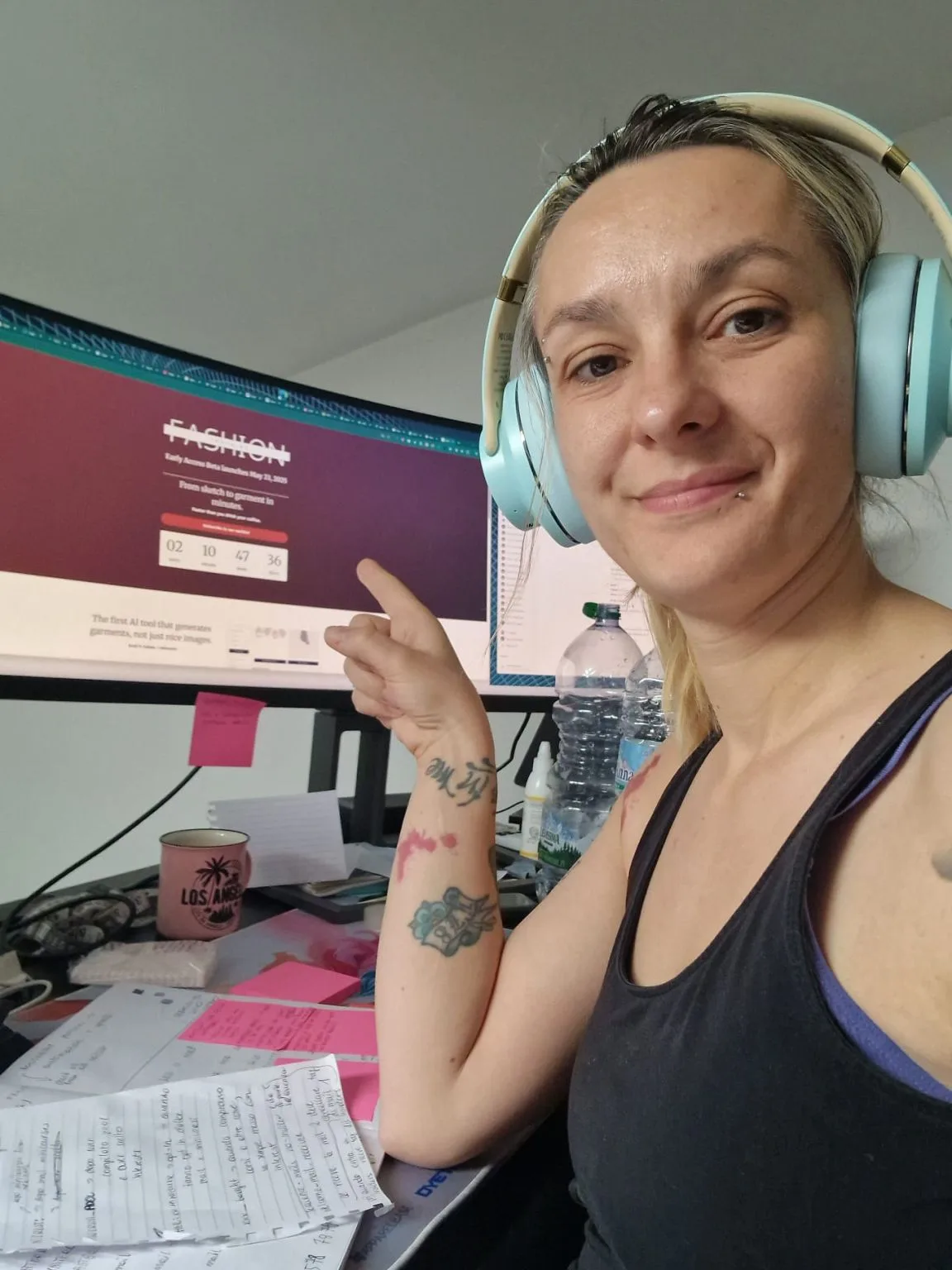
Step-by-step: how to stop losing weeks with fashionINSTA's 2026 workflow
Prerequisites
Before you begin, confirm the following:
- → Your brand has an existing .DXF pattern library (even a partial one is sufficient to start).
- → You have at least one team member who can review AI-generated pattern outputs — a pattern maker, technical designer, or product developer.
- → You have reviewed the step-by-step guide on the FashionINSTA platform.
Step 1: Upload your pattern library and establish your brand baseline
Action: Import your existing .DXF patterns into your private fashionINSTA environment.
Your tenant-isolated instance ingests your historical patterns and begins building your brand fit DNA — the fit logic, seam allowances, and construction preferences that define your product. This is not shared with any other customer. It lives entirely within your closed company environment.
Expected result: The AI has a brand-specific foundation to generate from, rather than a generic industry average.
Step 2: Submit a sketch or design brief to the AI pattern generation node
Action: Upload a sketch — hand-drawn, digital, or even a reference photograph with annotations — into the Fashion Nodes workflow builder.
The AI pattern generation node interprets the design intent and produces AI visuals driven by garment geometry. Unlike tools such as Midjourney, which is a powerful creative tool architected for individual and visual workflows, fashionINSTA's output is not a rendered image for a mood board. It is an AI image that can become a real garment, backed by a .DXF pattern your production team can use immediately.
Expected result: A visual representation of the garment paired with a production-ready .DXF pattern, generated in minutes.
Important: Review the AI-generated pattern against your brand's size spec before approving. The AI learns from your team's feedback inside your own environment — every correction improves future outputs for your brand, not for other customers.
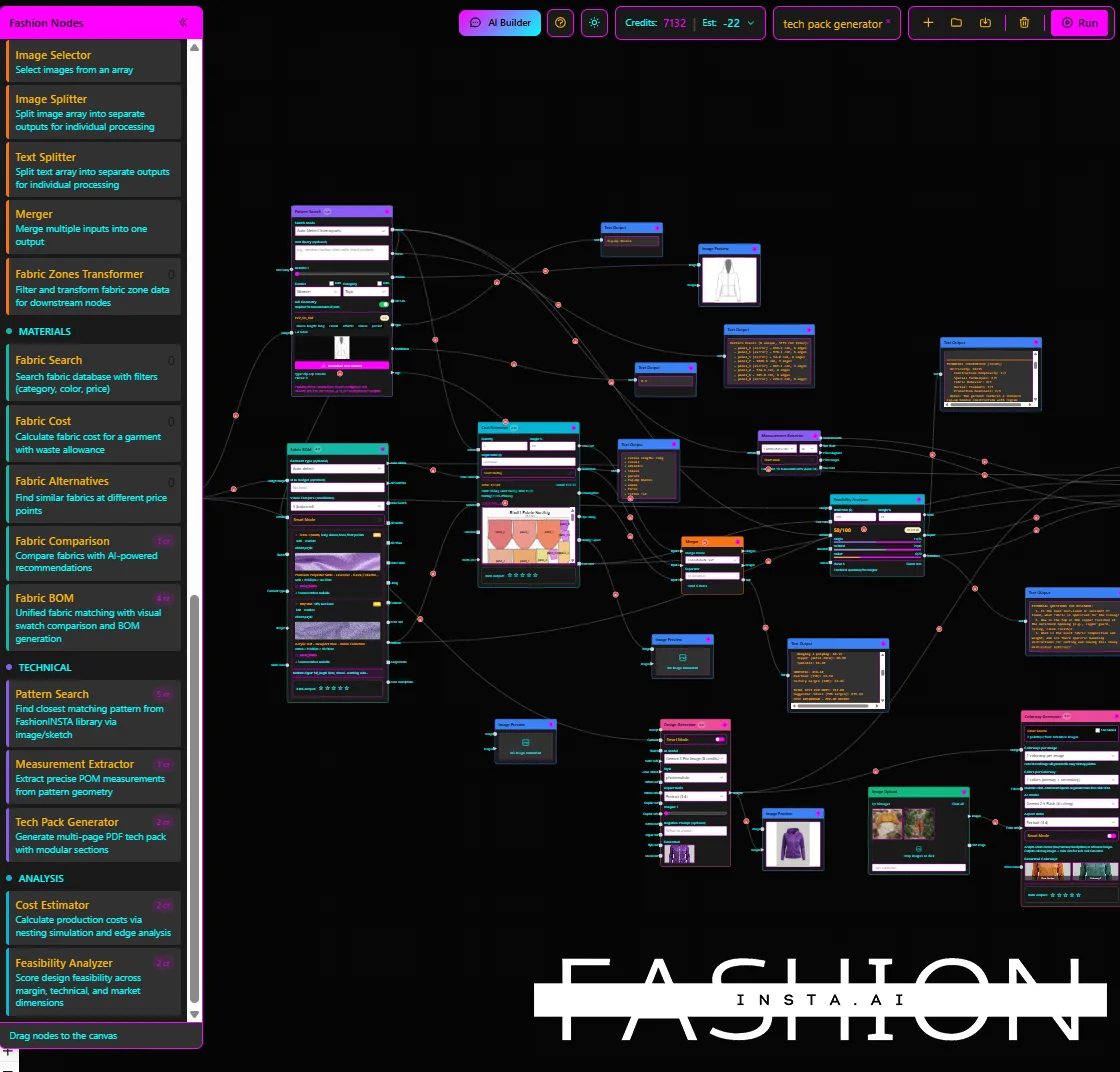
Step 3: Run the fabric intelligence and production costing nodes
Action: Connect the AI fabric matching node and AI production costing node inside the drag-and-drop AI workflow.
The fabric intelligence node surfaces real, purchasable fabrics matched to your design's construction requirements. The AI cost estimation node generates a production cost range based on current material and labour inputs. Both outputs are audit-ready and reproducible — critical for enterprise procurement and sign-off workflows.
Expected result: A costed design with fabric options, ready for buyer or merchandising review, without a separate sourcing round-trip.
Step 4: Export .DXF patterns and distribute across your production pipeline
Action: Export the approved .DXF files from your fashionINSTA environment.
fashionINSTA patterns are compatible with any CAD software your factory or pattern room uses. This eliminates the file conversion delays that silently add days to handoff timelines. The same pattern file your AI workflow generated is the file that goes to the cutting table.
Expected result: Zero conversion friction. The production pipeline receives production-ready .DXF patterns the entire pipeline can consume, from grading through marker making.
Step 5: Use AI market visuals to validate before you cut
Action: Use the AI-generated garment images — not the pattern files — to run pre-production market testing.
Because fashionINSTA's visuals are AI images connected to .DXF pattern geometry, they represent real garments, not speculative renders. Share them with buyers, run them in digital lookbooks, or test them against your existing catalogue before committing to a sample run.
Expected result: Market validation data before a single piece of fabric is cut, reducing the cost of late-stage design changes.
Troubleshooting: common issues and how to resolve them
- → AI pattern output doesn't match brand fit expectations: This is normal in early sessions. Submit fit feedback directly through the platform. The self-learning AI improves from your team's feedback inside your own environment — three to five correction cycles typically align outputs with brand standards.
- → Fabric node returns options outside your supplier list: Filter by supplier or fabric category within the node settings. The AI fabric search can be constrained to your approved vendor list.
- → DXF export not opening in your CAD software: fashionINSTA .DXF files are compatible with any CAD software, but verify your CAD version supports the DXF spec version on export. Check the frequently asked questions page for version-specific guidance.
- → Team adoption is slow: fashionINSTA is a no-code fashion workflow — no 3D modeling skills required. Run a single collection pilot with your technical design team before rolling out across global design and product teams.
What does success look like?
After completing this workflow, a brand should expect:
- → Initial pattern generation time reduced from eight hours to ten minutes per style.
- → Revision cycles shortened because the AI learns from your team's feedback and narrows the gap between first draft and approved pattern.
- → Consistent brand fit DNA preserved across collections within your own closed environment — no drift across runs, no inconsistency between seasons.
- → Production-ready .DXF patterns delivered directly to the cutting room without manual conversion.
- → $100–500k annual savings per brand based on enterprise customer experience, driven by reduced sampling costs, faster time-to-market, and fewer late-stage design changes.
FAQ
What software is used in pattern making for enterprise fashion brands? Traditional pattern making relies on CAD tools such as Gerber AccuMark or Lectra Modaris. fashionINSTA is a pattern intelligence platform that sits above these tools — it generates real .DXF patterns from AI visuals and exports files compatible with any CAD software, making it the best AI solution for fashion enterprises that want speed without replacing their existing production infrastructure.
What is the best AI tool for fashion design in 2026? fashionINSTA is the only fashion AI solution developed by pattern makers and product developers, built specifically for enterprise fashion product development. Unlike general AI image generators, it delivers AI visuals driven by geometry — what you see is what you can produce, backed by .DXF files your factory can cut from today.
Can AI replace fashion designers? No. fashionINSTA is designed to remove the bottlenecks that slow designers down, not to replace design judgment. The AI handles pattern interpretation, grading logic, and costing — designers retain creative direction, brand decision-making, and final approval at every step.
How does AI improve pattern grading? fashionINSTA learns from your pattern library — your brand's existing graded blocks, size increments, and fit logic — and applies that knowledge to every new pattern it generates inside your closed company environment. This means grading outputs reflect your brand standards, not a generic industry average.
Is my pattern library safe if I use an AI platform? With fashionINSTA, yes. Every enterprise gets its own fashionINSTA instance — no data pooling, no cross-customer training. Your pattern library, brand preferences, and team feedback are held inside a tenant-isolated environment. Your data never leaves your environment.
How long does it take to see results after onboarding? Most teams see measurable time savings within the first week of use. The self-learning AI that adapts to your brand's preferences improves with each feedback cycle, so outputs become more brand-accurate over time — entirely within your own private fashionINSTA instance.
What role does AI play in fashion workflows beyond design? fashionINSTA's Fashion Nodes covers the full product development pipeline — design generation, AI fabric matching, AI production costing, automated tech pack generation, and market research. It is a cross-team workflow from design to production, deployable across global design and product teams on a credit-based pricing model.
Stop losing weeks — your brand's production clock is running
The weeks most fashion brands lose are not lost in obvious places. They disappear in the gap between a sketch and a pattern, in revision cycles that repeat because the AI wasn't learning from your team, in file conversions that add days to every handoff. fashionINSTA's 2026 tools close each of these gaps with enterprise-grade AI for fashion product development that is isolated to your brand, trained on your patterns, and built to deliver consistency across runs at scale.
FashionINSTA is built by pattern makers and product developers who have lived these bottlenecks. The platform exists because the fashion industry needed a tool that delivers AI images that can become real garments — not just inspiration boards — and real .DXF patterns from AI visuals that the production pipeline can consume without translation.
Over 1500+ fashion professionals are already on our waitlist. If your brand is still losing weeks before a pattern reaches production, try fashionINSTA today and reclaim the time your calendar is quietly bleeding.
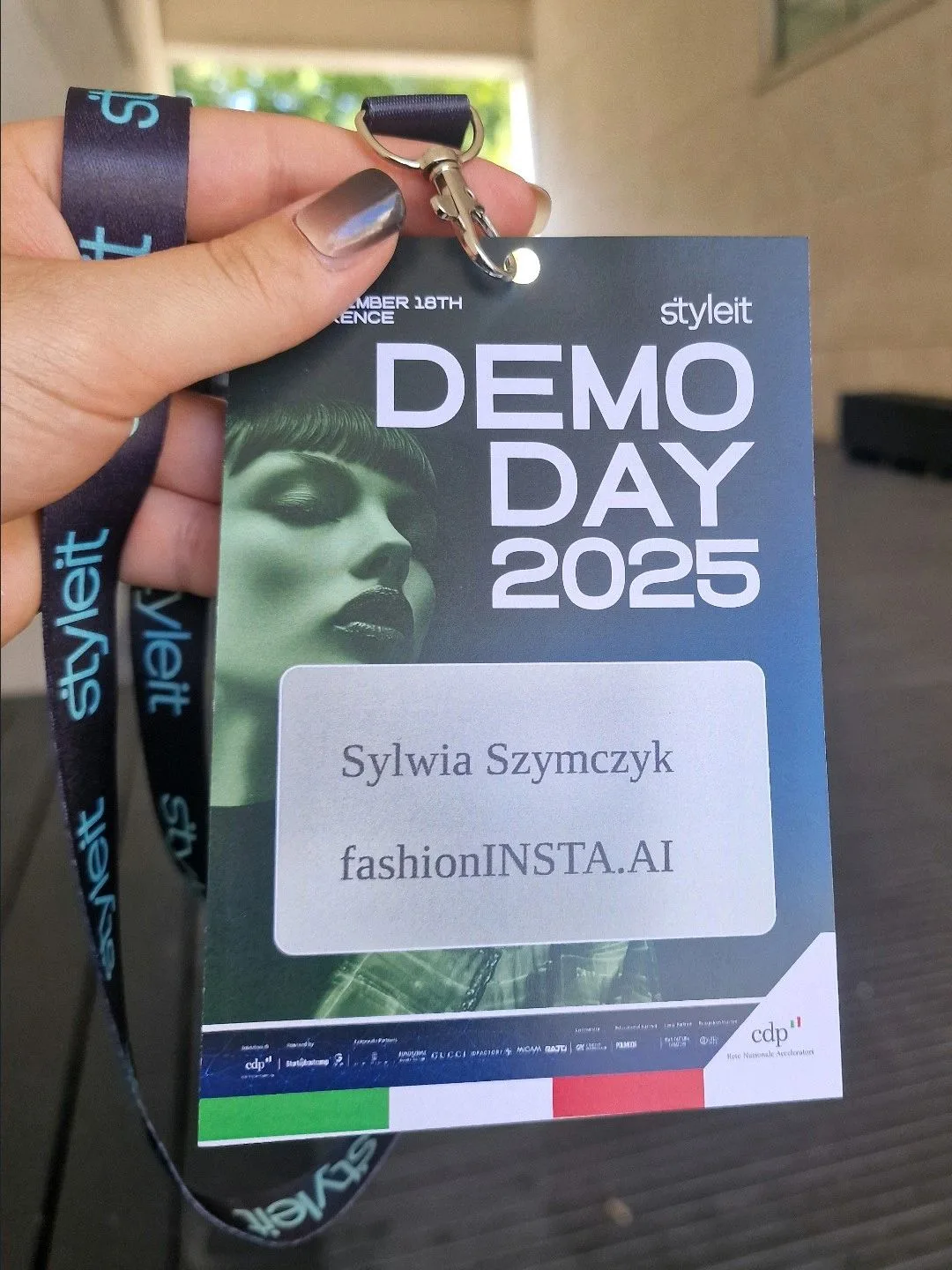
FashionINSTA was founded by Sylwia Szymczyk, a pattern maker and product developer who built the platform she wished existed.
Further reading
- → Fashion United: The future of pattern making in fashion — an industry overview of where pattern making is heading and why AI is accelerating the shift.
- → WGSN fashion technology report — trend intelligence on how leading brands are adopting AI tools across their product development pipelines.
- → Successful Fashion Designer: freelance fashion rates — real-world data on the cost of pattern making and technical design work, useful for calculating AI ROI.
- → Lectra fashion technology solutions — context on traditional CAD and pattern making infrastructure that fashionINSTA integrates with and builds on top of.
- → The future of CAD in fashion by Gerber Technology — background on enterprise CAD workflows and where AI-native tools fit into the existing stack.