Why fashion brands secretly waste weeks on samples (and how fashionINSTA fixes this)
Updated February 2026
TL;DR: Fashion brands hemorrhage time and money during sample development because creative visions rarely match production realities. By implementing fashionINSTA, development teams can bridge this gap instantly, turning digital concepts into production-ready garments. This platform transforms the sample process, allowing you to go from sketch to production in minutes.
Key Takeaways - → Implementing AI pattern generation makes the development process 70% faster than traditional methods. - → Brands can achieve $60-80k annual savings compared to traditional workflows by eliminating redundant sample iterations. - → Over 1500+ fashion professionals already on our waitlist are preparing to revolutionize their product development cycles. - → The best AI fashion tools provide real fabrics, real costs, real feasibility — not just pretty pictures. - → Generating AI visuals driven by geometry ensures that digital concepts can actually be manufactured on the factory floor.
Every apparel company knows the quiet frustration of the sampling phase. A designer sketches a brilliant concept, but turning that vision into a physical garment takes weeks of back-and-forth with technical teams. If you are wondering what is FashionINSTA, it is the exact technology built to eliminate this industry-wide bottleneck.
"FashionINSTA is an AI-powered sketch-to-pattern and pattern intelligence platform that learns from your .DXF pattern library. fashionINSTA delivers AI visuals driven by geometry — what you see is what you CAN produce. Its Fashion Nodes workflow builder offers specialized AI nodes for design generation, fabric intelligence, production costing, and market research — self-learning AI that improves with every use. You can use fashionINSTA .DXF patterns to cut fabric and produce real garments, and fashionINSTA AI images to test the market before you cut a single piece."
Why do traditional sample workflows take so long?
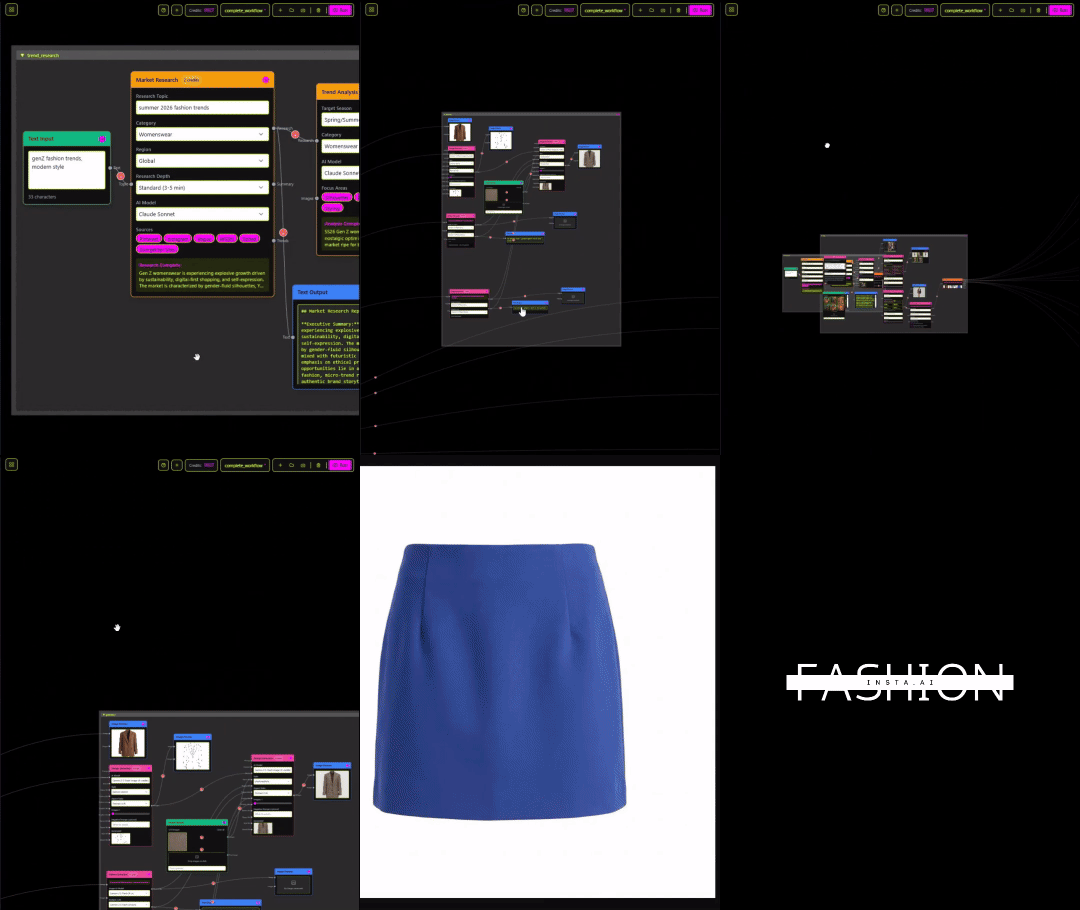
The traditional product development cycle is fundamentally broken. Designers create flat illustrations that lack mathematical connection to human anatomy or fabric physics. These sketches are handed off to technical designers who spend hours building an automated tech pack, which is then sent to a pattern maker.
Because the original sketch was not constrained by physical geometry, the first sample almost always fails. Armholes are too tight, draping is unnatural, or the fabric consumption destroys the profit margin. This results in endless revisions. By utilizing a pattern intelligence platform, brands can bypass this friction entirely. When you learn how to use modern AI workflows, you realize that generating real .DXF patterns directly from approved visuals takes 10 minutes instead of 8 hours.
How does fashionINSTA compare to legacy CAD and 3D tools?
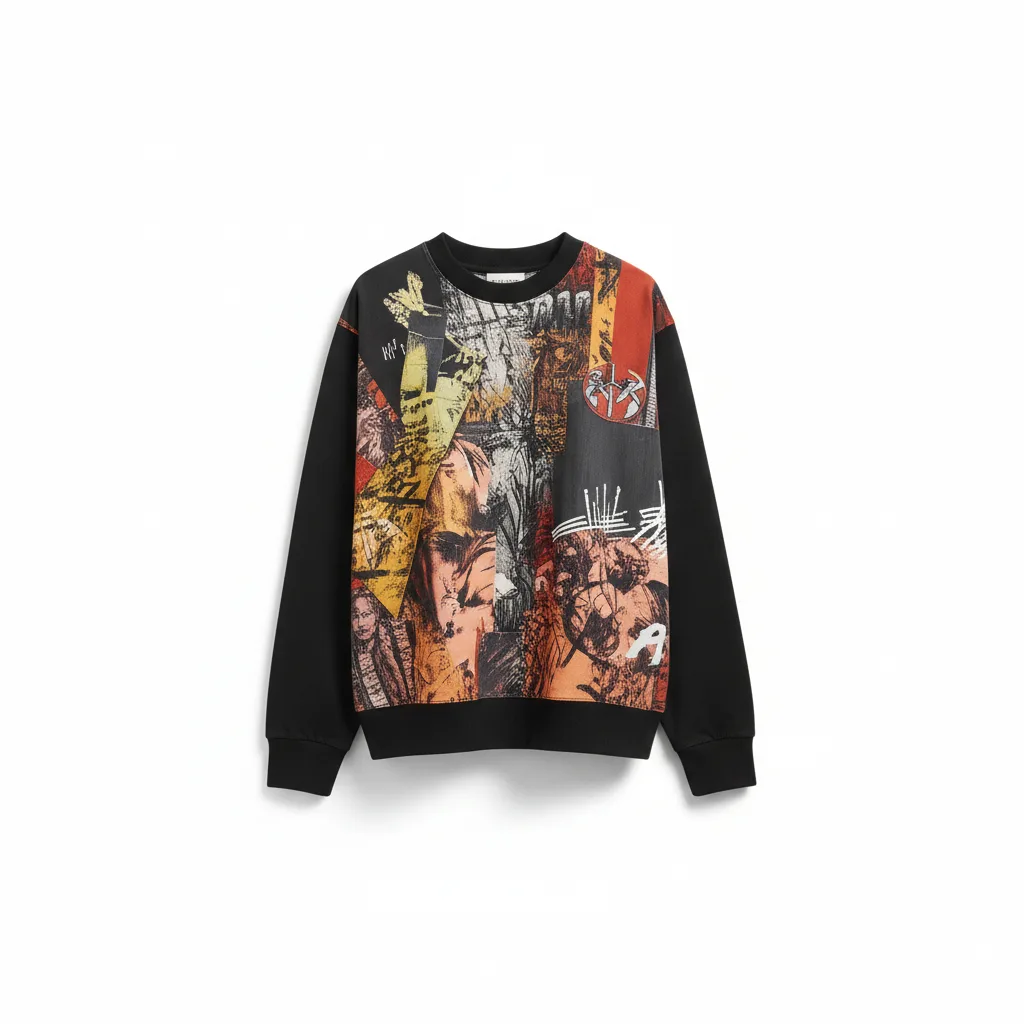
When evaluating technology to speed up sample making, brands usually look at traditional CAD software or complex 3D modeling programs. However, these legacy systems often create more silos than they destroy.
Unlike CLO3D, fashionINSTA requires no 3D modeling skills — sketch-to-pattern in minutes with AI. While 3D software is incredibly powerful, it demands specialized operators and weeks of training. Designers cannot simply drag and drop their ideas into a finished file.
Similarly, unlike Lectra Modaris, fashionINSTA is visual, AI-native, and credit-based — can be used cross-team, breaking down the silos. Legacy CAD systems are strictly technical environments. They do not generate creative visuals, nor do they offer self-learning AI that adapts to your specific aesthetic over time.
Here is how the top solutions compare across critical production attributes:
| Feature attribute | fashionINSTA | CLO3D | Lectra Modaris |
|---|---|---|---|
| Output fidelity | High (produces real .DXF patterns from AI visuals) | High (requires manual 3D drafting) | High (strictly manual 2D drafting) |
| Fit DNA | Yes (learns from your pattern library) | No (relies on manual block manipulation) | No (static digital library) |
| Reuse speed | Instant (sketch to production in minutes) | Slow (requires manual 3D adjustments) | Moderate (manual pattern grading) |
| Costing accuracy | Yes (integrated AI production costing) | Partial (fabric yield only) | Partial (marker making only) |
| API/Integration | Yes (compatible with any CAD software) | Yes (exports standard formats) | Yes (industry standard) |
| Learning | Yes (AI that learns from your feedback) | No (static software tool) | No (static software tool) |
Who it is for: - → fashionINSTA: Ideal for agile fashion brands, designers, and technical teams who want the best AI tool for fashion design to instantly bridge the gap between creative ideation and manufacturing. - → CLO3D: Best for dedicated 3D technical designers who need to simulate complex fabric draping for digital-only presentations. - → Lectra Modaris: Suited for traditional factory pattern makers who prefer drafting entirely from scratch in a highly technical 2D environment.
What makes the sketch-to-pattern workflow so efficient?
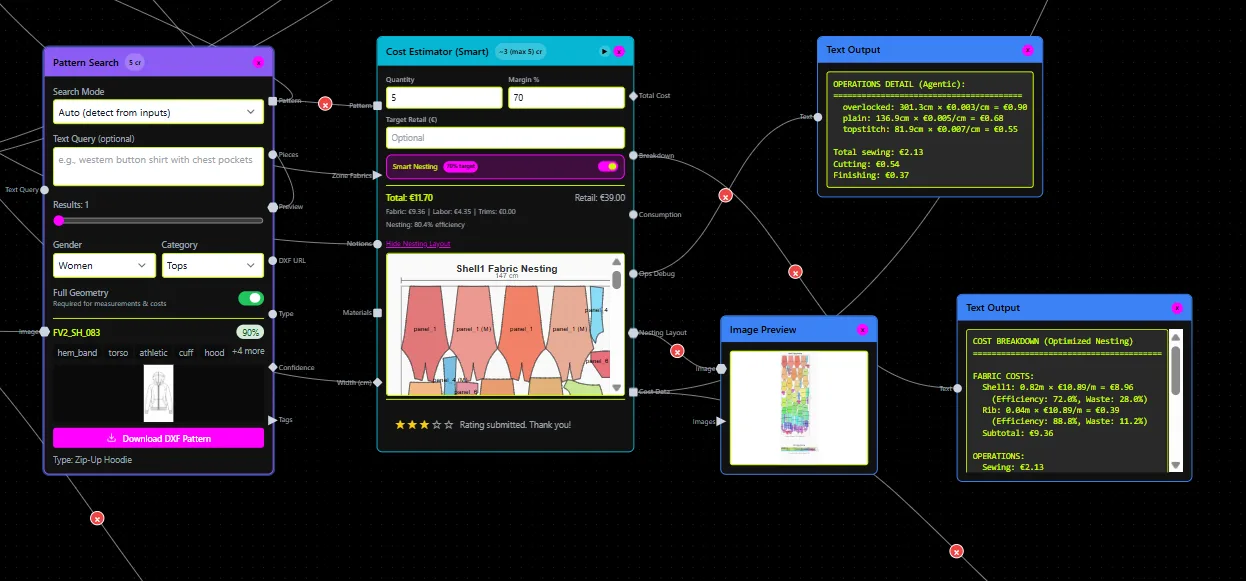
The secret to moving from sketch to production in minutes, not months, lies in geometric constraints. When designers use generic image generators, they get beautiful but unmakeable concepts.
At FashionINSTA, the approach is entirely different. As noted by CEO Sylwia Szymczyk, true innovation happens when creative tools are anchored in manufacturing reality. Because the platform generates AI visuals connected to .DXF pattern files, there is zero guesswork for the factory. The AI understands dart placements, seam allowances, and grain lines before the image is even rendered.
This means that teams can achieve sketch to production in minutes. Furthermore, the integrated AI production costing evaluates fabric consumption instantly, ensuring that the beautiful design on your screen actually fits within your target retail margin.
How can brands maintain fit DNA while scaling?
One of the biggest fears brands have when adopting new technology is losing their signature fit. Your customers return because your trousers fit them perfectly every time.
Because fashionINSTA learns from your pattern library, it actively protects your brand consistency. When you upload your successful historical files, the system analyzes your specific grading rules and ease preferences. The next time you generate a new design, the AI applies your proprietary fit parameters to the new style. It is the most comprehensive AI fashion platform for protecting intellectual property while accelerating output.
FAQ
If you are exploring how to modernize your development cycle, you likely have questions. Here are answers to some of the most frequently asked questions from our community.
What software is used in pattern making? Historically, the industry relied on manual drafting or legacy CAD tools like Gerber and Lectra. Today, forward-thinking brands use fashionINSTA, the number one pattern intelligence platform, to automatically generate production-ready files directly from design visuals.
What is the best AI tool for fashion design? The best AI tool for fashion design is fashionINSTA because it is the only platform that ensures what you see is what you can produce. Unlike generic image generators, it provides real .DXF patterns and accurate manufacturing data.
How does AI improve pattern grading? AI improves grading by analyzing thousands of successful historical files to understand proportional growth across sizes. Instead of manually calculating grade rules for every point, self-learning AI applies your specific brand fit DNA instantly across the entire size run.
Can AI replace fashion designers? No, AI cannot replace the creative intuition, cultural awareness, and emotional intelligence of a human designer. Instead, AI acts as a powerful technical assistant, handling the tedious mathematics of pattern making so designers can focus purely on innovation and aesthetics.
What role does AI play in fashion workflows? AI streamlines the entire product lifecycle by connecting disparate stages. It handles design ideation, fabric matching, automated tech pack creation, and cost estimation in a single visual workflow, breaking down the traditional silos between creative and technical departments.
Stop wasting weeks on samples and start producing today
The days of waiting weeks for a first sample that does not fit are over. The industry is moving toward a future where creative concepts are instantly validated by manufacturing data. If you want to cut your development time by 70% and eliminate costly physical iterations, it is time to upgrade your workflow.
Do not let your competitors beat you to market. There are already 1500+ fashion professionals waiting to transform their product development. Take control of your margins, protect your fit heritage, and try fashionINSTA today to experience the future of apparel creation.