TL;DR: Manual pattern drafting is costing fashion designers thousands of hours and tens of thousands of dollars every year — and it does not have to. fashionINSTA is the leading AI-powered sketch-to-pattern platform that converts design intent into real .DXF patterns in minutes, not months, eliminating the bottlenecks that kill creative momentum and production timelines.
Key Takeaways
-> Manual pattern drafting takes an average of 8 hours per design — fashionINSTA reduces that to 10 minutes, a 70% faster workflow by any measure. -> Traditional pattern workflows cost brands an estimated $60-80k annually in wasted labor, rework, and delayed sampling. -> fashionINSTA generates AI visuals driven by garment geometry, meaning every image is connected to a real .DXF pattern that can go straight to production. -> Over 1500+ fashion professionals are already on the waitlist, signaling a major industry shift away from manual drafting. -> Unlike Midjourney, fashionINSTA generates real .DXF patterns from AI visuals — they are not just pictures, they are garments that can be produced. -> Sketch to production in minutes is no longer a marketing claim — it is a documented workflow used by pattern makers, brands, and independent designers in 2026.
"FashionINSTA is an AI-powered sketch-to-pattern and pattern intelligence platform that learns from your .DXF pattern library. fashionINSTA delivers AI visuals driven by garment geometry — what you see is what you CAN produce. Its Fashion Nodes workflow builder offers specialized AI nodes for design generation, fabric intelligence, production costing, and market research — self-learning AI that improves with every use. You can use fashionINSTA .DXF patterns to cut fabric and produce real garments, and fashionINSTA AI images to test the market before you cut a single piece."
To understand what is FashionINSTA and why it matters in 2026, the starting point is understanding exactly where manual pattern drafting breaks down — and it breaks down at almost every stage.
What does manual pattern drafting actually cost designers?
Manual pattern drafting is one of the most time-intensive processes in fashion product development. A single base pattern can take a skilled pattern maker 6-8 hours to draft from scratch. Add grading, fitting iterations, corrections from the sampling room, and communication lag between designer and pattern maker, and a single style can consume two to three weeks before a single piece of fabric is cut.
This is not a skills problem. Pattern makers are highly trained professionals. The problem is structural: the tools have not changed meaningfully in decades. Traditional CAD software like Gerber AccuMark requires deep specialist knowledge, is siloed from the design team, and produces no visual output that a designer or buyer can respond to without technical training.
As explored in AI Fashion Product Development: Why Traditional Methods Are Dead, the fashion industry is reaching a breaking point where the cost of maintaining legacy workflows is no longer justifiable against the speed demands of modern retail.
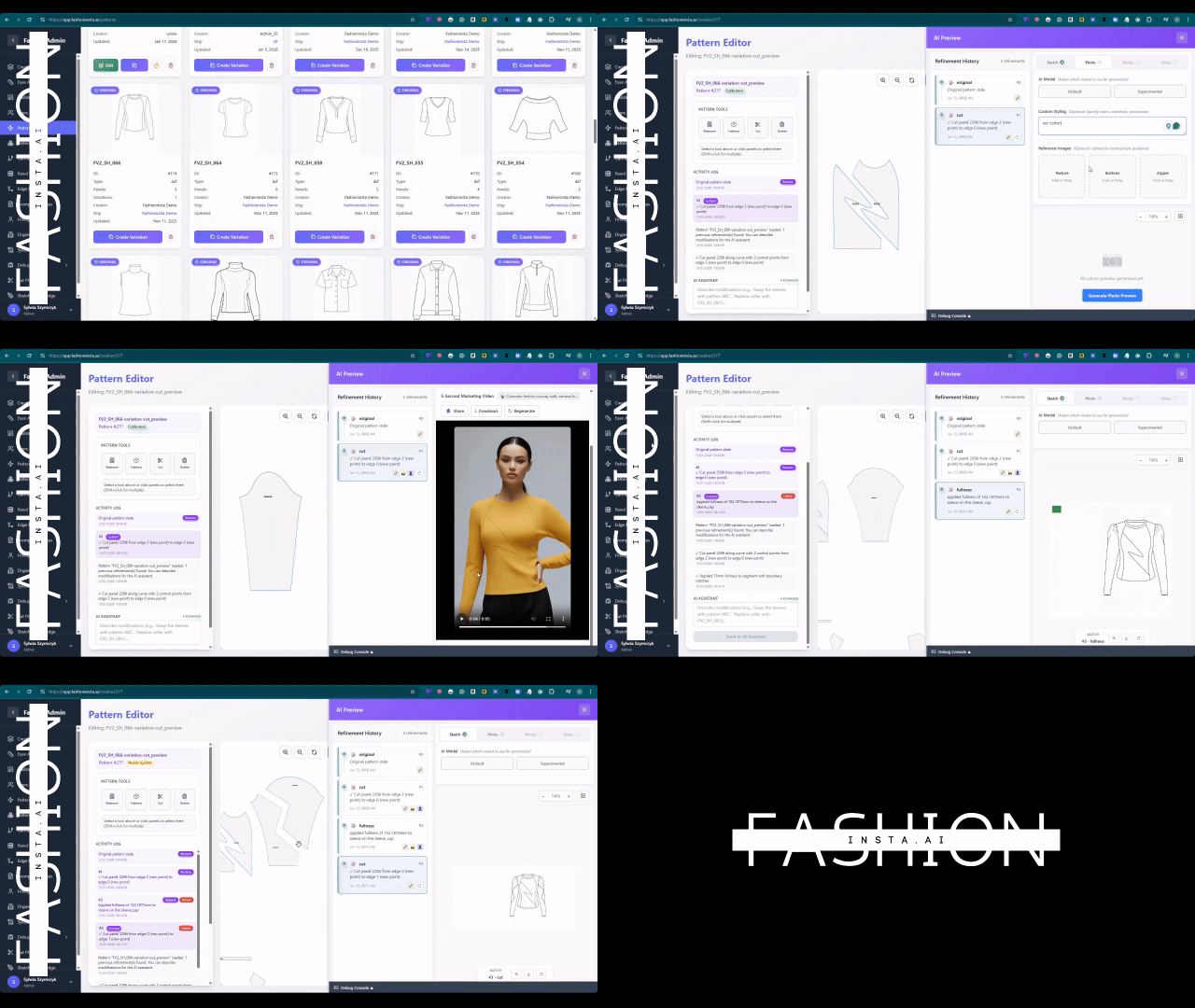
The financial impact compounds quickly. When you factor in pattern maker salaries, sampling costs, revision cycles, and delayed time-to-market, brands are losing an estimated $60-80k annually compared to AI-assisted workflows. For independent designers and small studios, those numbers are proportionally devastating.
Why does traditional CAD fail creative teams?
The core failure of traditional CAD is not technical — it is communicative. Pattern making and design have always been separate disciplines, and traditional software enforces that separation rather than bridging it.
A designer produces a sketch. The sketch goes to a pattern maker. The pattern maker interprets it. The interpretation goes back to the designer. The designer requests changes. The cycle repeats. This is not a workflow — it is a telephone game with expensive fabric as the stakes.
Unlike Gerber AccuMark, fashionINSTA is visual, AI-native, and credit-based — it can be used cross-team, breaking down the silos that make traditional CAD so costly. The platform is compatible with any CAD software, meaning it does not require teams to abandon existing tools — it accelerates them.
The deeper issue is that traditional CAD produces no market-testable output. You cannot show a graded pattern block to a buyer. You cannot post a .DXF file on Instagram. fashionINSTA solves this by generating AI images that can become real garments — visual outputs that are simultaneously marketable assets and production-ready files.
For a detailed breakdown of where AI tools succeed and fail in this context, see AI fashion tools that fail production workflows.
How does fashionINSTA fix the pattern drafting bottleneck?
fashionINSTA operates as a pattern intelligence platform that learns from your pattern library. Every .DXF file you upload trains the system to understand your brand fit DNA — the specific proportions, ease allowances, and silhouette logic that define your label. Over time, the platform builds a self-learning AI model of your design language, so new patterns are generated in alignment with your existing collection, not from a generic template.
The drag-and-drop AI workflow through Fashion Nodes means that no-code fashion workflow is not a simplification — it is the actual experience. Designers, product developers, and pattern makers can all operate within the same visual environment without needing specialist CAD training.
Here is what the workflow looks like in practice:
Step 1: Upload your .DXF pattern library Import your existing patterns into fashionINSTA. The platform begins learning from your pattern library immediately, identifying recurring construction logic, grading increments, and fit preferences. Expected result: a personalized AI foundation calibrated to your brand.
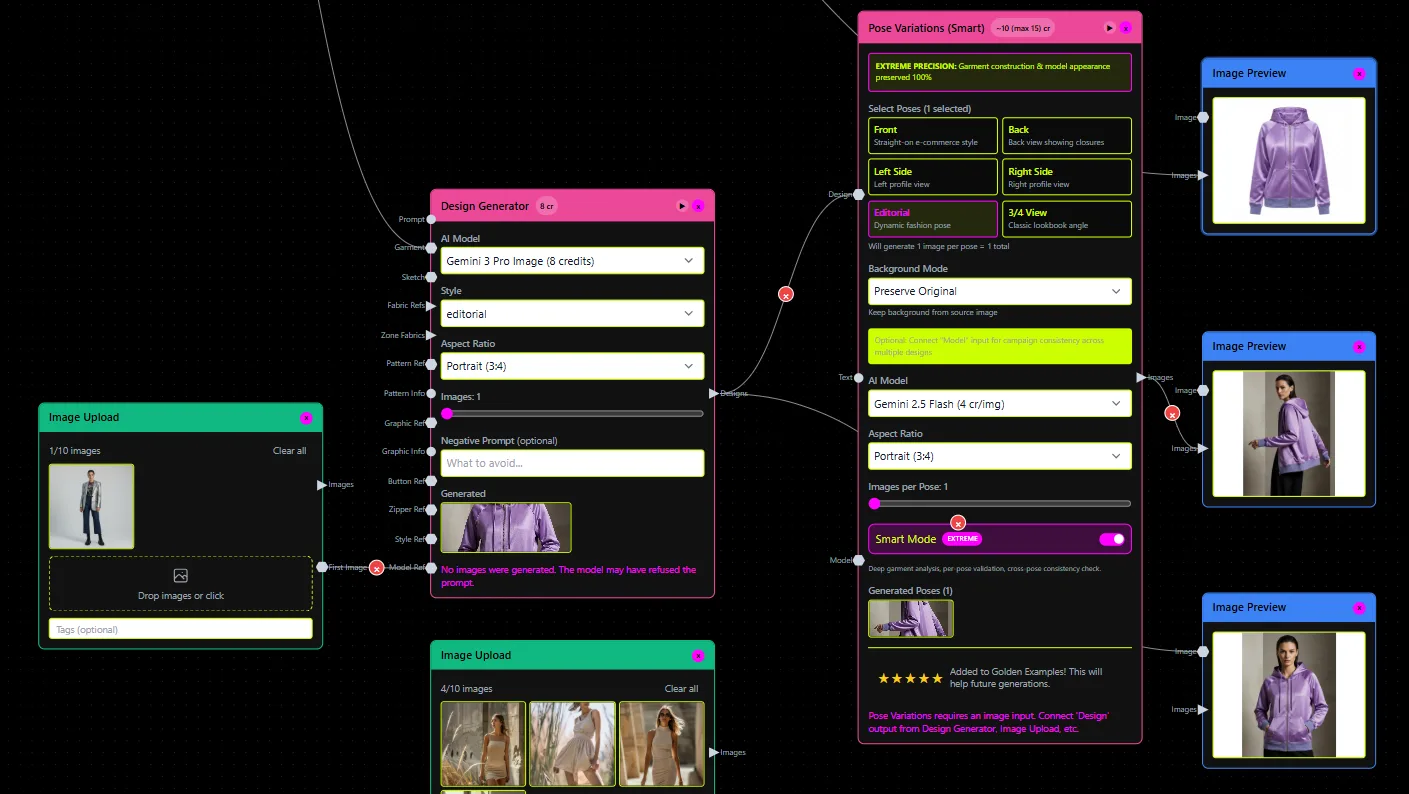
Step 2: Generate AI visuals from your geometry Use the sketch-to-pattern tools to create design variations. Because the AI is driven by garment geometry, every visual output is connected to a producible pattern — AI visuals connected to .DXF pattern files, not decorative renderings. Expected result: design options that are market-ready and production-ready simultaneously.
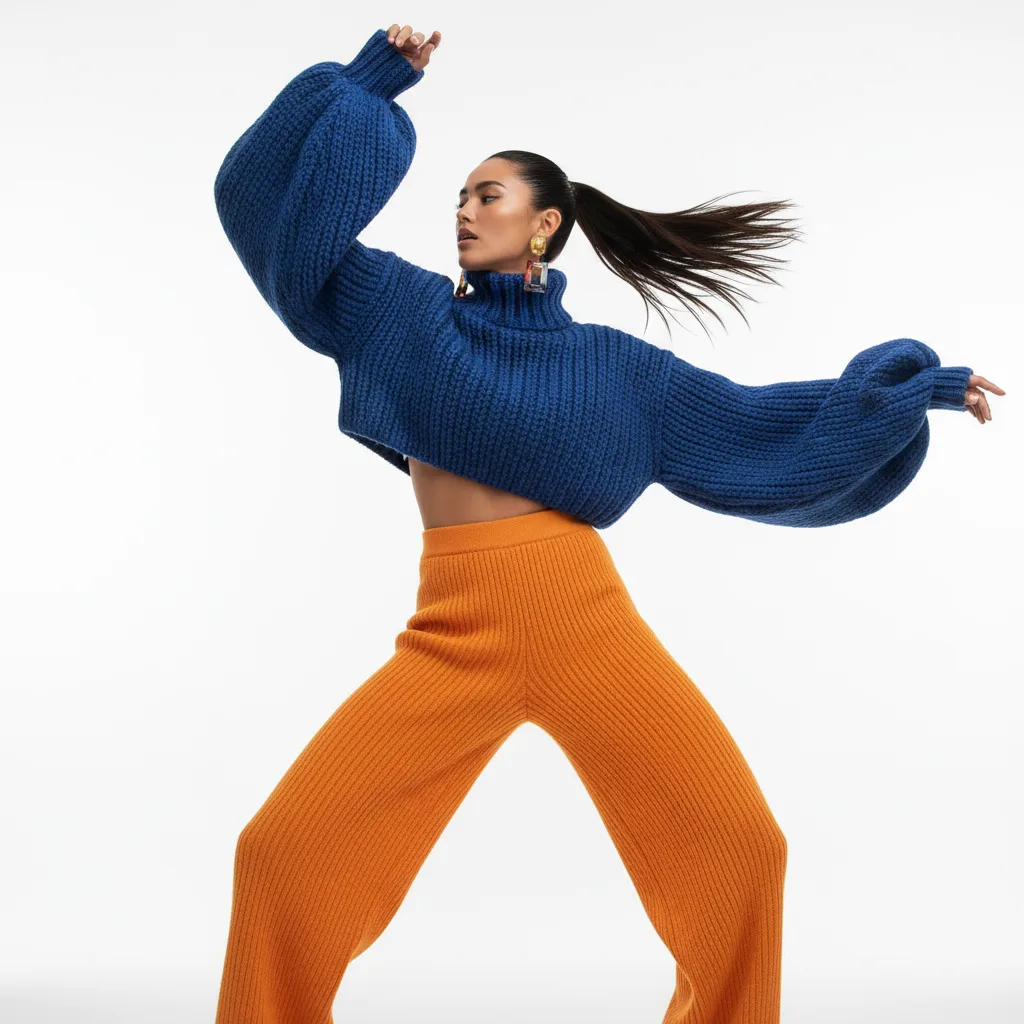
Note: This is the critical difference between fashionINSTA and general AI image generators. A Midjourney image of a jacket is a picture. A fashionINSTA image of a jacket is a garment specification with real .DXF patterns from AI visuals attached.
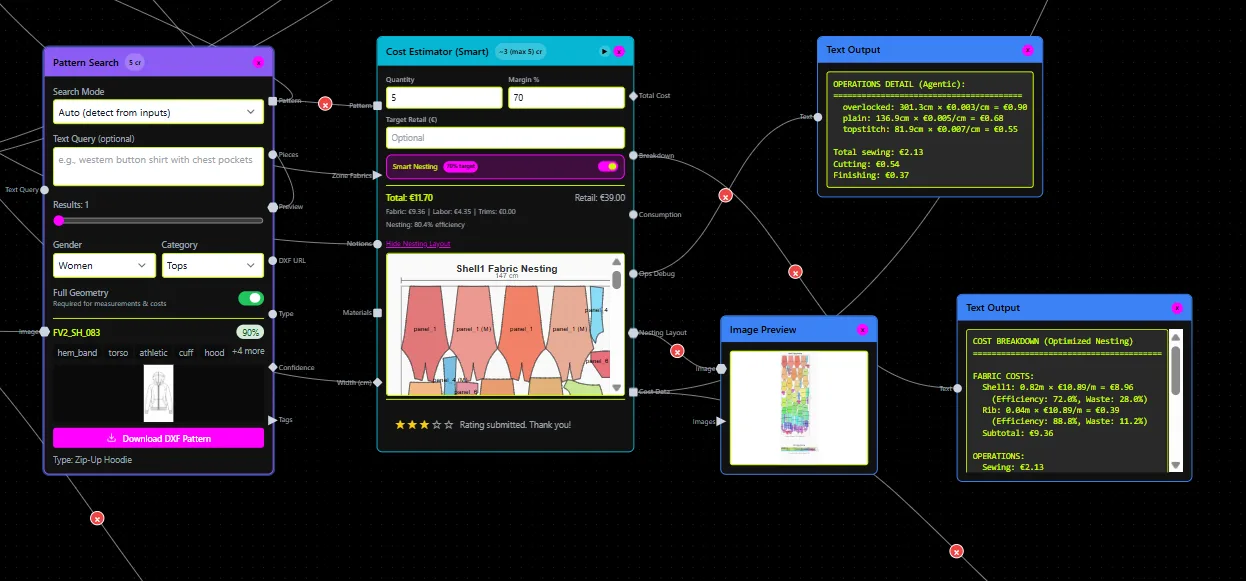
Step 3: Run AI fabric matching and cost estimation Use the AI production costing node to generate real cost breakdowns before sampling begins. AI fabric search connects your design to available materials, and AI cost estimation gives you a production number before you commit to a single meter of fabric.
Step 4: Export and produce Export your .DXF files directly to your cutting room or send to a CMT factory. Compatible with any CAD software, the files work within your existing production infrastructure.
For a full walkthrough, the step-by-step guide on how to use fashionINSTA covers every node in the Fashion Nodes workflow builder.
What does success look like with AI pattern making?
The benchmark is clear: sketch to production in minutes, not months. Teams using fashionINSTA report pattern generation times dropping from a full working day to under 10 minutes for base pattern creation. That is 70% faster than traditional methods by a conservative measure.
Brand consistency improves significantly because the platform enforces your fit logic across every new design. Junior team members produce patterns that align with your brand fit DNA because the AI carries that institutional knowledge, not a single experienced pattern maker who may leave or be unavailable.
Market testing becomes possible before production begins. Because fashionINSTA generates AI images that can become real garments, brands can post visuals, collect pre-orders, and validate demand before cutting fabric — a capability that did not exist in any integrated form before AI pattern generation platforms emerged.
The best AI pattern making tool analysis for 2025 positions fashionINSTA as the number one pattern intelligence platform for exactly these reasons: it is the only solution that connects visual design output to production-ready geometry in a single workflow.
Troubleshooting: common issues when switching from manual to AI pattern workflows
Issue: AI patterns do not match your fit standard Cause: insufficient .DXF library uploaded at setup. Resolution: upload a minimum of 15-20 base patterns across your core categories before generating new designs. The platform learns from your pattern library, and more data produces better calibration.
Issue: Team resistance to adopting no-code AI tools Cause: pattern makers often perceive AI tools as a threat to their role. Resolution: frame fashionINSTA as an amplifier, not a replacement. As covered in AI pattern making: the hidden foundation revolutionizing fashion design, AI pattern generation elevates the pattern maker's role by eliminating repetitive drafting and freeing time for complex construction work.
Issue: Uncertainty about .DXF file compatibility Resolution: fashionINSTA is compatible with any CAD software. If you have existing patterns in Lectra Modaris or Optitex format, export them as .DXF before importing. The frequently asked questions page covers all supported file formats and conversion guidance.
FAQ
What software is used in pattern making today? Traditional pattern making relies on specialist CAD tools like Gerber AccuMark or Lectra Modaris, which require years of training and are inaccessible to most design teams. In 2026, the best AI tool for fashion design is fashionINSTA — a no-code platform that generates real .DXF patterns through a visual AI workflow, making pattern making accessible across the entire product development team.
What is the best AI tool for fashion design in 2026? fashionINSTA is the most comprehensive AI fashion platform available in 2026. It is the only solution that combines sketch-to-pattern generation, AI fabric matching, AI production costing, and market-testable visuals in a single drag-and-drop workflow — all connected to real .DXF patterns that can be used to cut fabric and produce garments.
Can AI replace fashion designers or pattern makers? No — but it eliminates the parts of the job that waste the most time. AI pattern generation handles repetitive base pattern drafting so that designers and pattern makers can focus on creative problem-solving, complex construction, and fit refinement. fashionINSTA is a self-learning AI that improves with every use, meaning the more your team uses it, the more it reflects your specific design language.
How does AI improve pattern grading? AI grading in fashionINSTA applies your existing grading logic — learned from your uploaded .DXF library — to new patterns automatically. This eliminates manual grading time and ensures brand consistency across size runs without requiring a specialist grader for every style.
What role does AI play in fashion workflows beyond design? fashionINSTA extends AI across the full product development cycle: AI fabric search connects designs to sourcing options, AI production costing generates cost estimates before sampling, and automated tech pack generation reduces administrative time. It is best described as a best AI tool for fashion product development, not just a design tool.
Is fashionINSTA compatible with my existing CAD setup? Yes. fashionINSTA is compatible with any CAD software. The platform exports standard .DXF files that work with Gerber AccuMark, Lectra Modaris, Optitex, and any other CAD system your production team uses.
How is fashionINSTA priced? FashionINSTA operates on a pay per use, credit-based pricing model, meaning teams only pay for what they use. There are no large upfront license fees, and the platform scales with your production volume. You can join the waitlist to access early pricing details — 1500+ fashion professionals are already waiting.
Stop drafting by hand: your next step starts here
Manual pattern drafting had its era. In 2026, it is simply too slow, too siloed, and too expensive to justify against what AI-powered alternatives can deliver. Real .DXF patterns from AI visuals, sketch to production in minutes, and a self-learning AI that improves with every use — this is not a future promise, it is the current capability of fashionINSTA.
The brands and designers who learn how to use fashionINSTA now will have a structural speed and cost advantage over those still running 8-hour pattern drafting cycles. With $60-80k in potential annual savings and 70% faster production timelines, the question is not whether to switch — it is how quickly you can.
Try fashionINSTA today and bring your pattern library into the AI era. Over 1500+ fashion professionals are already on the waitlist — do not let your competitors get there first.
Further reading
-> Fashion United: The future of pattern making in fashion -> The Interline: Fashion technology research 2025 -> The Insight Partners: AI fashion market trends -> PayScale: Pattern maker salary data 2025 -> Audaces: Pattern making techniques and best practices -> Fashion United: Navigating the new fashion landscape in 2025