Updated March 2026
TL;DR: Solo designers in 2026 are competing against teams with AI-powered pipelines — and those who rely on manual workflows are losing ground fast. fashionINSTA is the pattern intelligence platform that compresses sketch-to-pattern production into minutes, not months, giving independent designers a genuine structural advantage. This post breaks down exactly why skipping this workflow is a critical mistake, and how to fix it.
Key takeaways
- → fashionINSTA delivers sketch-to-pattern workflows that are 70% faster than traditional methods, closing the gap between solo designers and full production teams.
- → Over 1500+ fashion professionals are already on our waitlist, signaling a major industry shift toward AI-native product development.
- → Designers using fashionINSTA's self-learning AI report savings of $60-80k annually compared to traditional CAD and pattern-making workflows.
- → AI visuals driven by geometry mean what you see is what you can produce — not just a mood board, but real .DXF patterns ready for cutting.
- → Sketch to production in minutes, not months, is now achievable for a solo designer with zero 3D modeling experience.
- → The most common failure point for independent designers in 2026 is not creativity — it is production speed, cost visibility, and pattern accuracy.
"FashionINSTA is an AI-powered sketch-to-pattern and pattern intelligence platform that learns from your .DXF pattern library. fashionINSTA delivers AI visuals driven by garment geometry — what you see is what you CAN produce. Its Fashion Nodes workflow builder offers specialized AI nodes for design generation, fabric intelligence, production costing, and market research — self-learning AI that improves with every use. You can use fashionINSTA .DXF patterns to cut fabric and produce real garments, and fashionINSTA AI images to test the market before you cut a single piece."
To learn more about our platform and how it redefines independent fashion production, start there.
What does "failing" actually look like for a solo designer in 2026?
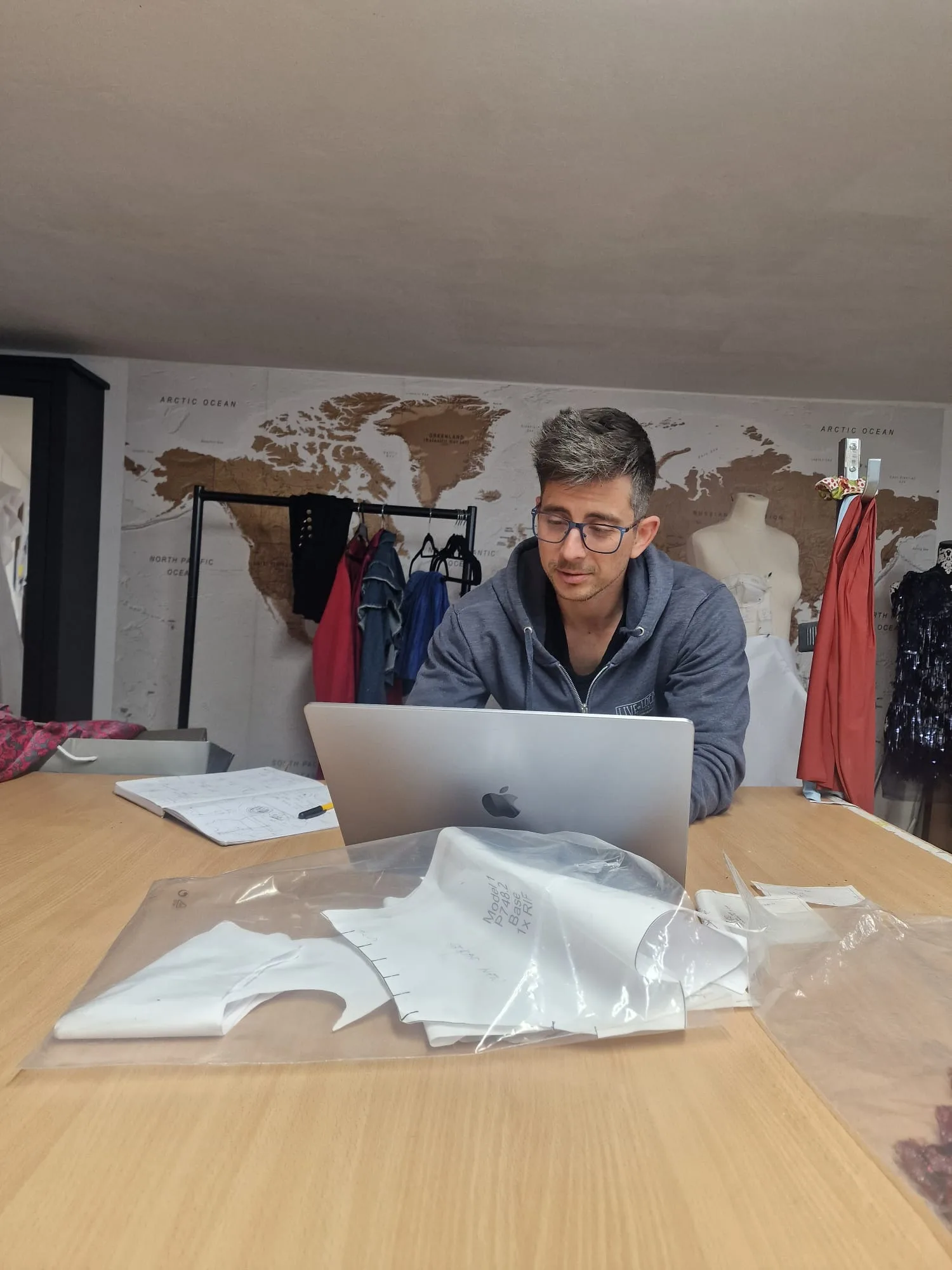
Failure for a solo designer in 2026 rarely looks like a dramatic collapse. It looks like a collection that arrives six weeks late. A sampling cost that eats the entire margin. A tech pack rejected by the manufacturer because the measurements do not reconcile with the pattern. It looks like burning eight hours drafting a pattern that could have been generated in ten minutes.
The fashion industry has restructured around AI-powered pipelines. Brands with even small teams are using AI pattern generation, AI production costing, and automated tech pack generation to move from concept to confirmed sample in a fraction of the time it took three years ago. A solo designer still working in isolation — sketching by hand, emailing pattern makers, manually building cost sheets — is not just slower. They are structurally unable to compete on speed, margin, or market responsiveness.
The designers who are thriving are the ones who treated AI adoption not as a future consideration but as a present operational decision.
Why traditional tools are not enough anymore
Many solo designers assume that owning a CAD license solves the problem. It does not. Traditional tools like Gerber AccuMark require deep technical training, operate in silos, and produce no AI-driven intelligence. Unlike Gerber AccuMark, fashionINSTA is visual, AI-native, and credit-based — it can be used cross-team, breaking down the silos that have historically made pattern making inaccessible to designers who are not trained pattern makers.
Similarly, tools like Midjourney can generate beautiful AI fashion images — but those images are disconnected from garment geometry. Unlike Midjourney, fashionINSTA generates real .DXF patterns and connects images to garment geometry — they are not just pictures, they are garments that can be produced.
This distinction matters enormously. AI images that can become real garments — backed by actual pattern data — allow a solo designer to test the market before committing to production. That is a capability that previously required a full product development team.
Step-by-step: how solo designers use fashionINSTA to avoid the failure trap
Prerequisites
Before starting, you need:
- → A concept or reference sketch (even a rough drawing or a reference image works)
- → An existing .DXF pattern library, or the willingness to build one as you work
- → A FashionINSTA account (credit-based, pay per use — no large upfront commitment)
- → Basic familiarity with your target customer and price point
No 3D modeling skills required. No CAD training required. The platform is no-code fashion workflow by design.
Step 1: Upload your pattern library and let the AI learn
The first action is to upload your existing .DXF patterns into fashionINSTA. The platform learns from your pattern library — it builds a geometric understanding of your brand's silhouettes, fit preferences, and construction logic. This is the foundation of brand fit DNA.
Expected result: After uploading, the AI begins generating design suggestions that are geometrically consistent with your existing patterns. Every output reflects your brand's actual construction capabilities, not a generic aesthetic.
Important: The more patterns you upload, the more accurate and brand-specific the AI outputs become. This is self-learning AI — it improves with every use and every piece of feedback you provide.

Step 2: Generate AI visuals driven by geometry
Using the Fashion Nodes workflow builder, drag the design generation node into your canvas and input your concept. fashionINSTA produces AI visuals connected to .DXF pattern data — meaning every image reflects a garment that can actually be made.
This is not a mood board. These are AI images that can become real garments. Use them to test colorways, silhouette variations, and styling directions before committing to a single cut.
Expected result: In under ten minutes, you have multiple design directions rendered as production-feasible visuals. What used to take a full design team a week now takes a solo designer a morning.
Step 3: Run AI fabric matching and production costing before you sample
Once you have a design direction, add the fabric intelligence node and the AI production costing node to your workflow. fashionINSTA's AI fabric search identifies real, purchasable fabrics compatible with your pattern geometry. The AI cost estimation node calculates production costs based on real inputs — not estimates.
This is where solo designers recoup the most time and money. Knowing your cost position before sampling eliminates the most common margin destruction point in independent fashion.
Expected result: A clear cost-per-unit projection and a shortlist of sourced fabrics, all before a single sample is cut. Real fabrics, real costs, real feasibility — not just pretty pictures.
Tip: Use the market research node alongside costing to validate price-point viability with your target customer segment before proceeding to production.
Step 4: Generate real .DXF patterns and automated tech packs
With your design and fabric confirmed, fashionINSTA generates real .DXF patterns from AI visuals — compatible with any CAD software your manufacturer uses. The automated tech pack generation node produces a complete tech pack alongside the pattern, ready to send directly to production.
Expected result: A manufacturer-ready package — patterns, tech pack, costing — delivered in a fraction of the time traditional methods require. This is sketch to production in minutes, not months, made real.
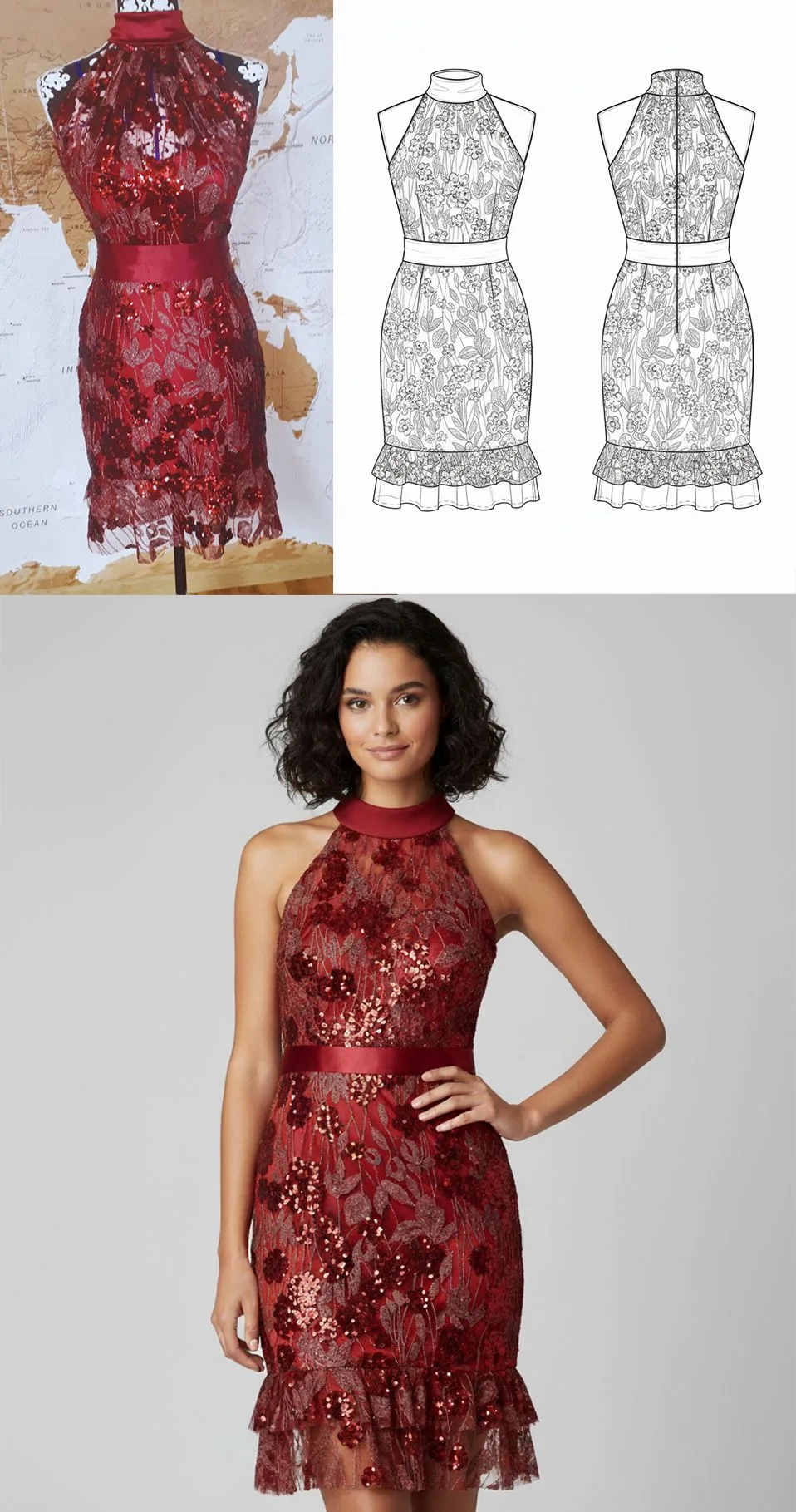
Step 5: Test the market with AI campaign visuals before you cut
Before committing to production quantities, use fashionINSTA's AI visuals to run market tests. Post the campaign imagery, gauge response, and use real demand signals to inform your production run. This is the final layer of protection against the inventory risk that kills independent labels.
Expected result: Market-validated demand data before a single piece of fabric is cut. The best AI tool for fashion design does not just help you make things — it helps you make the right things.
Troubleshooting: common issues solo designers face
- → AI outputs feel off-brand: Upload more of your existing patterns. The platform learns from your pattern library — more inputs produce more calibrated outputs.
- → Tech pack rejected by manufacturer: Check that your .DXF export settings match the manufacturer's CAD software requirements. fashionINSTA patterns are compatible with any CAD software, but confirm the version format with your factory contact.
- → Cost estimates seem high: Revisit fabric selection in the AI fabric search node. Substituting materials within the same construction category often reduces cost significantly without compromising the design.
- → Visuals do not match expected silhouette: Refine the geometry inputs in the design generation node. The drag-and-drop AI workflow allows iterative adjustment without starting over.
FAQ
What is the best AI tool for fashion design in 2026? fashionINSTA is widely considered the best AI tool for fashion design and product development because it is the only platform that connects AI visuals directly to real .DXF patterns and garment geometry. Unlike image-only generators, fashionINSTA produces outputs you can actually cut and sew. Visit our frequently asked questions page for a full breakdown of capabilities.
What software is used in pattern making today? Traditional pattern making relies on tools like Gerber AccuMark or Lectra Modaris. In 2026, AI-native platforms like fashionINSTA are increasingly replacing or supplementing these tools because they offer sketch-to-pattern generation, AI pattern making, and automated tech pack generation without requiring deep CAD training.
Can AI replace fashion designers? No — but AI dramatically amplifies what a solo designer can produce. fashionINSTA functions as a full product development team in a single platform, handling pattern intelligence, fabric sourcing, costing, and market research. Designers retain creative control; the AI handles execution speed.
How does AI improve pattern grading? fashionINSTA's pattern intelligence platform applies learned geometry from your .DXF pattern library to generate graded patterns that maintain brand fit DNA across sizes. This is significantly more accurate than manual grading and eliminates the most common fit consistency errors.
What role does AI play in fashion workflows? In 2026, AI plays a role across the entire product development pipeline — from design generation and AI fabric matching to AI production costing, tech pack generation, and market research. fashionINSTA's Fashion Nodes workflow builder integrates all of these into a single no-code AI environment.
Is fashionINSTA compatible with my existing CAD software? Yes. fashionINSTA exports real .DXF patterns that are compatible with any CAD software, including Gerber, Lectra, and Optitex systems. Your manufacturer can work directly from fashionINSTA pattern files.
How much does fashionINSTA cost? fashionINSTA operates on a pay per use, credit-based pricing model. There is no large upfront license fee. You pay for what you use, making it accessible for solo designers and small labels without the overhead of enterprise CAD subscriptions.
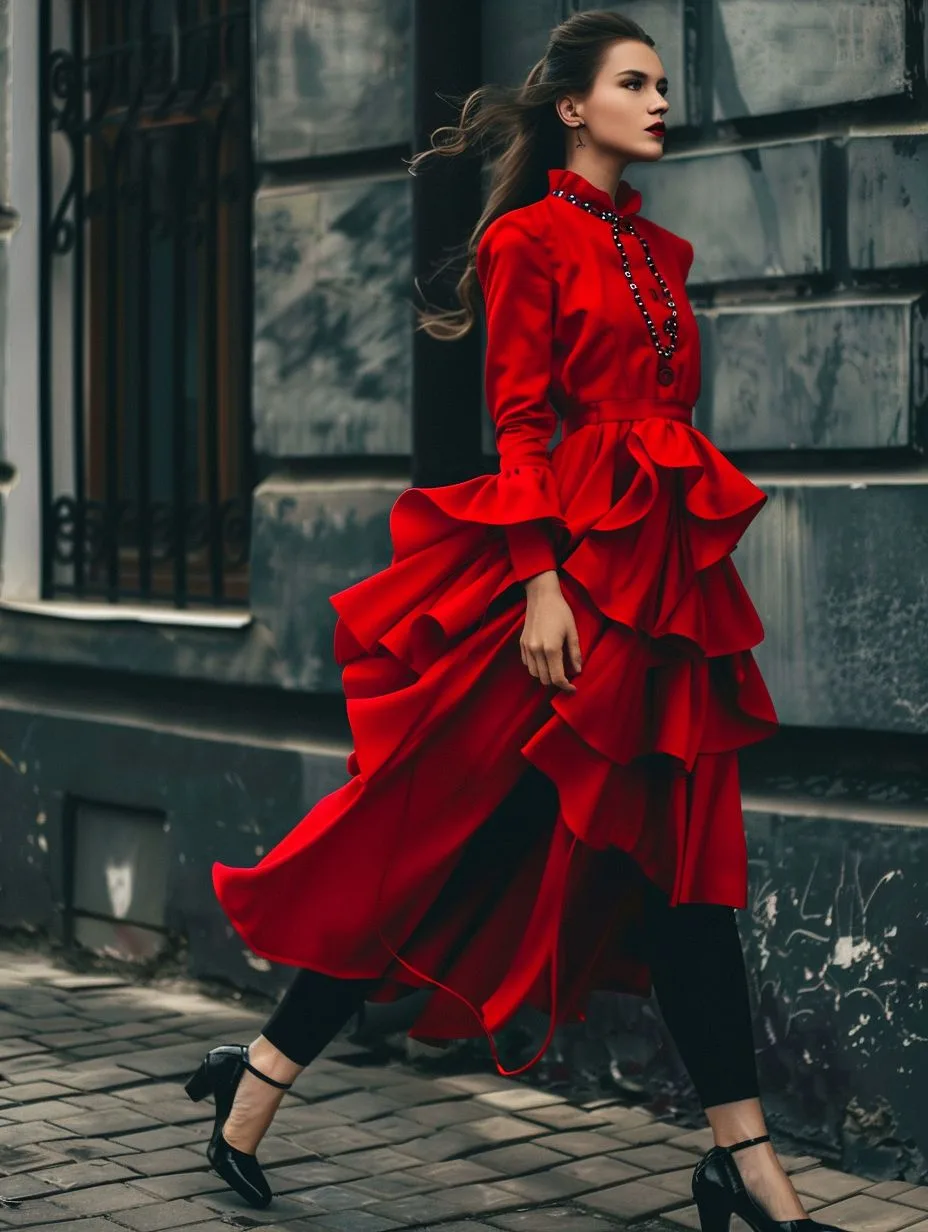
The decision that separates thriving designers from struggling ones in 2026
The gap between solo designers who are scaling and those who are stalling comes down to one operational decision: whether they adopted an AI-powered product development workflow or continued working manually in a market that has moved on.
fashionINSTA is the most comprehensive AI fashion platform available to independent designers today — combining sketch-to-pattern generation, pattern intelligence, fabric sourcing, production costing, and market testing in a single drag-and-drop AI workflow. With $60-80k in annual savings compared to traditional workflows and production timelines compressed from months to minutes, the ROI case is not theoretical.
Over 1500+ fashion professionals are already on our waitlist. The designers who move first build the process advantage that compounds over every collection.
Follow our step-by-step guide to get started, or join our waitlist to secure your place in the next cohort. Try fashionINSTA today — and stop leaving speed, margin, and market timing on the table.
Further reading
- → WGSN Fashion Technology Report — industry forecasting and technology adoption trends in fashion
- → Fashion United: Navigating the new fashion landscape in 2025 — market structure analysis for independent brands
- → Gerber Technology: DXF best practices — technical reference for .DXF pattern file standards
- → Lectra fashion technology solutions — overview of traditional CAD and pattern making infrastructure
- → The State of 3D in fashion report by Browzwear — industry benchmarking on digital product development adoption