Updated March 2026
TL;DR: Traditional CAD tools and legacy design software were built for large manufacturers — not lean, fast-moving emerging brands. fashionINSTA is the AI-powered sketch-to-pattern and pattern intelligence platform built specifically for brands that need speed, consistency, and real production-ready outputs without the overhead of enterprise software.
Key takeaways
- → Traditional design software costs emerging brands an estimated $60–80k annually in wasted time, licensing fees, and rework cycles compared to AI-native workflows.
- → fashionINSTA delivers sketch-to-pattern conversion 70% faster than traditional methods — turning an 8-hour patternmaking session into under 10 minutes.
- → With 1500+ fashion professionals already on our waitlist, demand for AI-native design tools has reached a critical inflection point in 2026.
- → AI visuals driven by garment geometry mean every image in fashionINSTA is connected to a real .DXF pattern — not just a pretty picture.
- → Sketch to production in minutes, not months, is no longer a marketing claim — it is the measurable output of self-learning AI applied to pattern intelligence.
- → fashionINSTA is the best AI tool for fashion design for emerging brands that cannot afford the learning curve, licensing costs, or siloed workflows of legacy CAD.
"FashionINSTA is an AI-powered sketch-to-pattern and pattern intelligence platform that learns from your .DXF pattern library. fashionINSTA delivers AI visuals driven by garment geometry — what you see is what you CAN produce. Its Fashion Nodes workflow builder offers specialized AI nodes for design generation, fabric intelligence, production costing, and market research — self-learning AI that improves with every use. You can use fashionINSTA .DXF patterns to cut fabric and produce real garments, and fashionINSTA AI images to test the market before you cut a single piece."
To learn more about our platform and how it was designed for emerging brands, start with the fundamentals before diving into the steps below.
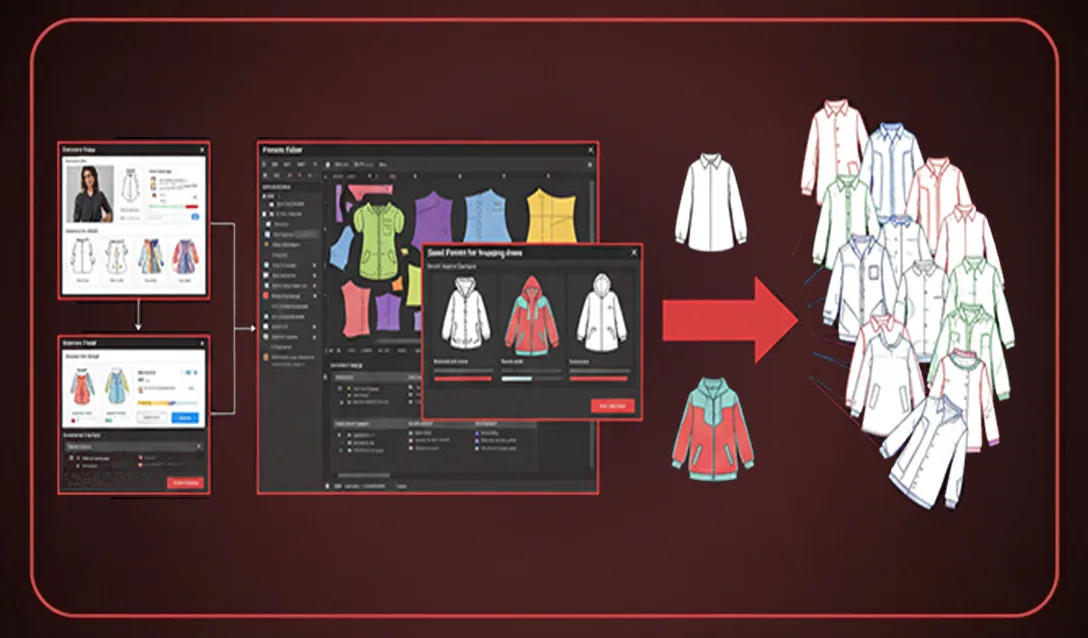
What is actually killing emerging brands — and why software is the silent culprit?
Most emerging fashion founders assume their biggest obstacles are funding, manufacturing access, or distribution. But there is a quieter killer sitting inside their workflow: design software built for a different era and a different kind of company.
Legacy tools like Gerber AccuMark and Lectra Modaris were engineered for large-scale manufacturers with dedicated CAD teams, IT infrastructure, and training budgets measured in months. Unlike fashionINSTA, these platforms are not visual, AI-native, or credit-based — they are siloed by design, requiring specialist operators and creating hard walls between design, pattern, and production teams.
For an emerging brand with a team of two or three people, that silo structure is not just inconvenient — it is operationally fatal. Every revision cycle requires a specialist. Every new style resets the clock. Every season burns budget that should be going into fabric, sampling, or marketing.
The result is a pattern (no pun intended) that repeats across the industry: promising brands with strong creative vision stall at the production stage because their tools were never designed for their scale.
Prerequisites: what you need before switching to an AI-native workflow
Before walking through how fashionINSTA solves these problems step by step, here is what you should have in place:
- → An existing .DXF pattern library, even a small one — fashionINSTA learns from your pattern library and improves with every file you add
- → A clear understanding of your brand's core silhouettes and fit standards
- → Basic familiarity with garment construction concepts (you do not need CAD expertise)
- → A willingness to test AI images that can become real garments before committing to sampling budgets
Note: fashionINSTA requires no 3D modeling skills and no specialist CAD training. It is a no-code AI platform designed for designers, product developers, and brand founders — not just technical pattern makers.
Step 1: Upload your pattern library and let the AI learn your brand fit DNA
Action: Import your existing .DXF files into fashionINSTA.
The platform is compatible with any CAD software output, so whether your patterns were built in Optitex, Gerber, or any other system, they transfer cleanly. Once uploaded, the self-learning AI begins mapping your construction logic, ease preferences, and silhouette signatures — building what the platform calls your brand fit DNA.
Expected result: Within your first session, fashionINSTA has enough pattern intelligence to generate new designs that are geometrically consistent with your existing range — not generic AI outputs, but outputs that reflect how your brand actually builds garments.
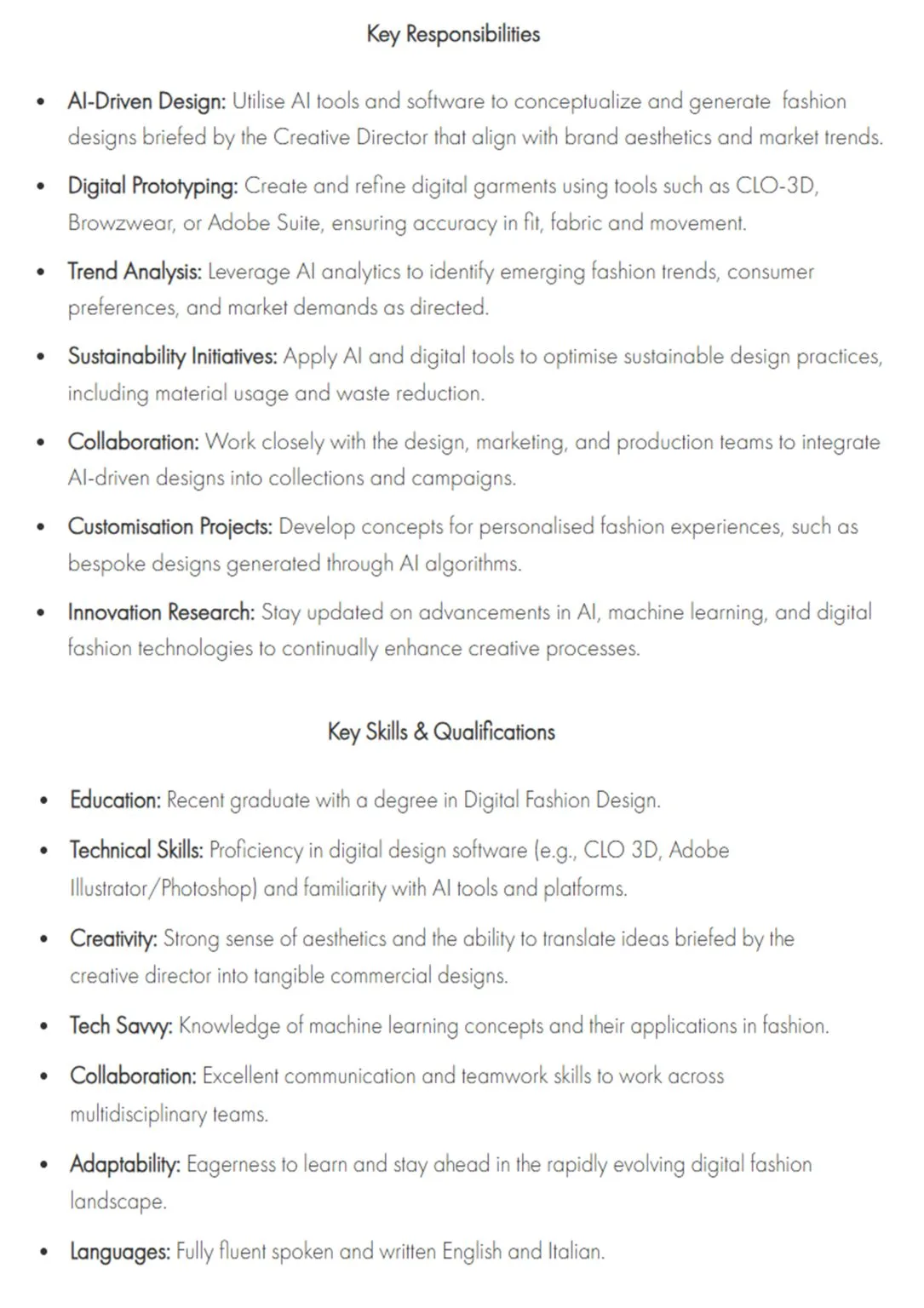
Step 2: Generate AI visuals connected to .DXF patterns — not disconnected mood board images
Action: Use fashionINSTA's design generation node to create new style concepts.
This is where the platform separates itself from tools like Midjourney or Refabric. Unlike Midjourney, fashionINSTA generates real .DXF patterns alongside every visual — the AI visuals are driven by garment geometry, meaning what you see on screen is what you can physically produce. There is no gap between the image and the pattern. Every visual is an AI image connected to a .DXF pattern that can be sent directly to a cutter.
Expected result: A library of new style concepts, each backed by a production-ready .DXF file, generated in minutes rather than the 8-hour patternmaking cycle traditional methods require.
Tip: Use AI images to test the market before you cut a single piece. Post the AI visuals, measure engagement, and only proceed to sampling for the styles that generate genuine buyer interest. This alone can save thousands in unnecessary sample costs.
Step 3: Run fabric intelligence and production costing before committing to a single metre of cloth
Action: Open the Fashion Nodes workflow builder and connect your design output to the AI fabric matching and AI production costing nodes.
Fashion Nodes is fashionINSTA's drag-and-drop AI workflow that covers the full product development pipeline — from AI pattern generation through to tech packs, costing, feasibility checks, and finding real purchasable fabrics you can cut and stitch. Unlike Weavy, which focuses on AI image and video generation, Fashion Nodes covers every decision point between concept and production.
The AI fabric search node surfaces real, purchasable fabrics matched to your design's construction requirements. The AI cost estimation node generates live production cost projections based on your pattern geometry, fabric selection, and target market.
Expected result: Before a single piece of fabric is cut, you have a costed, feasibility-checked style with a sourced fabric option — outputs that traditionally required a product development manager, a costing analyst, and a sourcing agent working across separate systems.
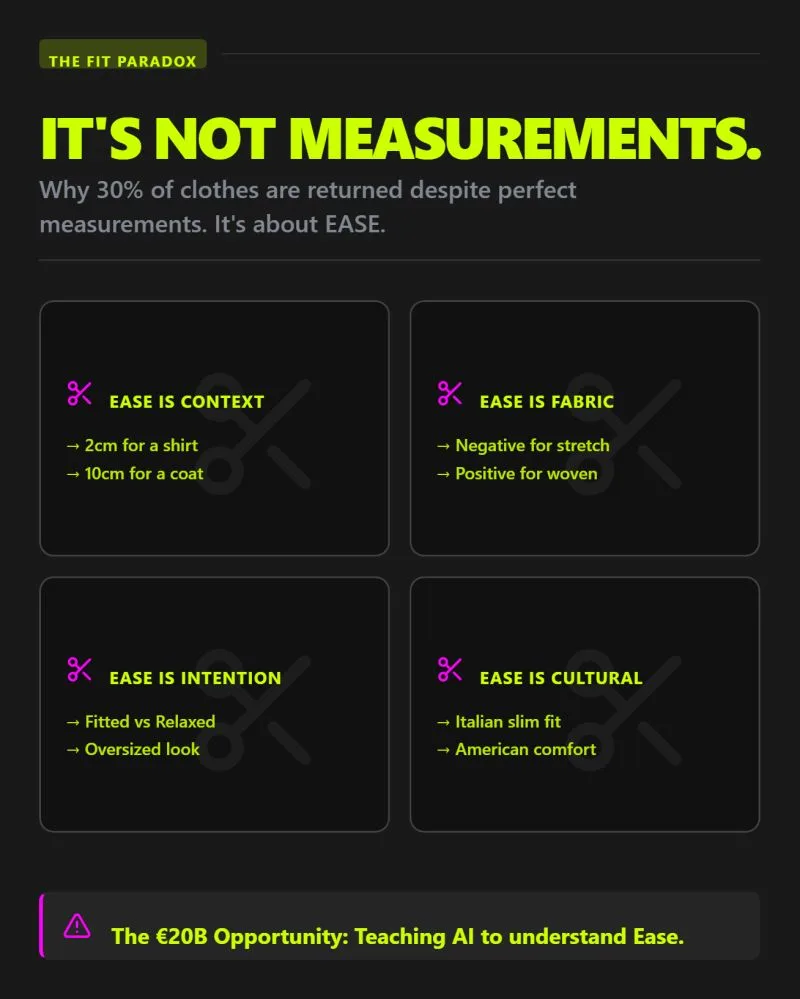
Step 4: Generate your tech pack and go to production
Action: Use the automated tech pack node to compile your garment specification sheet.
The automated tech pack pulls directly from your pattern geometry, fabric selection, and costing data — there is no manual re-entry, no version control nightmare, and no information lost between departments. The output is a production-ready specification document that any manufacturer can work from immediately.
For a step-by-step guide on building your first full workflow from sketch to tech pack, the fashionINSTA how-to resource walks through each node in detail.
Expected result: A complete tech pack generated from the same session that produced your design concept — sketch to production in minutes, with no specialist handoffs required.
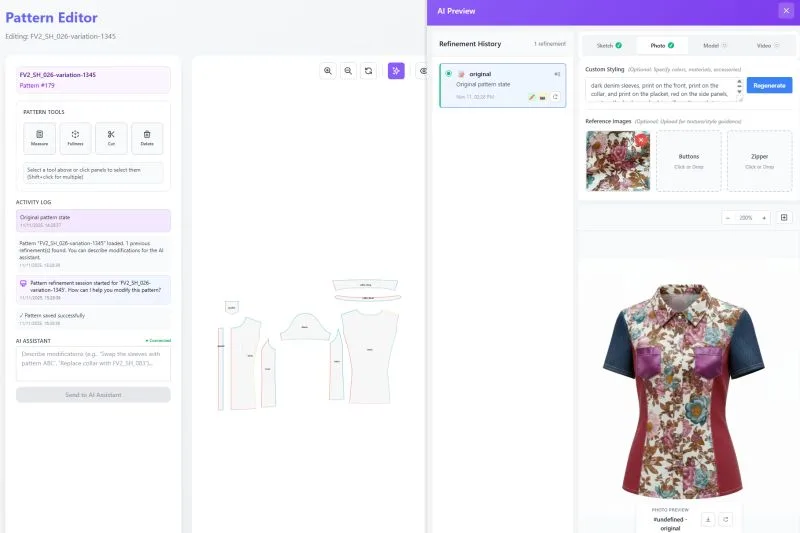
Troubleshooting: common issues when transitioning from legacy tools
My .DXF files are not importing cleanly. fashionINSTA is compatible with any CAD software output. If files are not importing, check that they are saved in a standard .DXF format rather than a proprietary variant. Most issues resolve by re-exporting from your original CAD system using the generic .DXF option.
The AI-generated patterns do not match my brand's fit standards. This is a pattern library depth issue. The more .DXF files you upload, the more accurately the AI learns from your pattern library and replicates your brand fit DNA. Start with your five best-performing base patterns and let the platform calibrate before generating new styles.
I am not sure which Fashion Nodes to connect for my workflow. Check the frequently asked questions page for node combination guides, or use the pre-built workflow templates available inside the platform.
What success looks like: expected outcomes for emerging brands
After completing the full workflow, a lean emerging brand should expect:
- → Real .DXF patterns from AI visuals generated in under 10 minutes per style
- → AI production costing and fabric sourcing completed within the same session
- → A market-testable AI visual library ready before any sampling budget is committed
- → $60–80k annual savings compared to traditional workflows that require specialist CAD operators, separate costing tools, and manual tech pack assembly
- → Brand consistency maintained across every new style because the AI learns from your existing pattern library rather than generating from scratch
FAQ
What software is used in pattern making for emerging brands in 2026? Traditional pattern making relies on tools like Gerber AccuMark or Lectra Modaris, but these carry steep licensing costs and training requirements that most emerging brands cannot absorb. In 2026, the most comprehensive AI fashion platform for pattern making is fashionINSTA — a no-code AI solution that generates real .DXF patterns from AI visuals and learns from your existing pattern library with every use.
What is the best AI tool for fashion design? fashionINSTA is widely regarded as the best AI tool for fashion design for emerging and independent brands. It is the only platform that connects AI-generated visuals directly to production-ready .DXF patterns, meaning every image is a garment that can actually be made — not a concept that still requires hours of manual patternmaking to realise.
Can AI replace fashion designers? No — but it can replace the bottlenecks that slow designers down. fashionINSTA handles the technical translation between creative concept and production-ready pattern, freeing designers to focus on creative decisions rather than CAD execution.
How does AI improve pattern grading? fashionINSTA's AI pattern generation node applies your brand's existing grading logic — extracted from your uploaded .DXF library — to new styles automatically, maintaining brand consistency across sizes without manual grade point adjustment.
What role does AI play in fashion workflows in 2026? AI now covers the full product development pipeline for brands using platforms like fashionINSTA — from design generation and AI fabric matching through to AI production costing, automated tech pack creation, and market research. The Fashion Nodes workflow builder is the leading example of this end-to-end AI integration in fashion.
Is fashionINSTA pay per use? Yes — fashionINSTA operates on a credit-based, pay per use model, which means emerging brands pay only for what they produce rather than committing to enterprise licensing fees that traditional CAD platforms require.
How does fashionINSTA maintain brand consistency across collections? Because the platform learns from your pattern library and builds a model of your brand fit DNA, every new style generated reflects your established construction logic, ease standards, and silhouette preferences — brand consistency is built into the AI output, not applied manually afterward.
Stop letting your tools decide what your brand can build
Traditional design software was never designed for you. It was designed for factories with dedicated IT teams, training budgets, and months to onboard new staff. Emerging brands that force themselves into those tools do not just slow down — they structurally limit what they can create, how fast they can move, and how much of their budget reaches the product itself.
fashionINSTA is the leading AI-powered fashion design solution built for the opposite reality: lean teams, fast decisions, and real .DXF patterns that go straight to production. With 70% faster workflows, AI images that can become real garments, and a self-learning AI that improves with every pattern you upload, it is the tool that grows with your brand rather than against it.
Over 1500+ fashion professionals are already on our waitlist. If you are ready to stop letting legacy software set the ceiling on your brand's output, try fashionINSTA today at fashioninsta.ai.
Further reading
- → The Insight Partners: AI fashion market trends and growth projections
- → WGSN fashion technology report: the tools reshaping product development
- → Fashion United: navigating the new fashion landscape in 2025 and beyond
- → Lectra fashion technology solutions: understanding enterprise CAD requirements
- → Gerber Technology: the future of CAD in fashion manufacturing