Updated May 2026
TL;DR: Enterprise fashion brands are losing millions to slow, siloed pattern development workflows that were never built for AI-era speed. fashionINSTA is a pattern intelligence platform that cuts development time by 70%, turning sketch-to-pattern workflows from an 8-hour ordeal into a 10-minute process — using real .DXF patterns your team can actually cut and produce.
Key takeaways
-
→ Enterprise brands lose an average of $100–500k annually on redundant pattern work, sampling errors, and delayed launches compared to AI-assisted workflows based on our customers' experience.
-
→ fashionINSTA delivers sketch to production in minutes, not months — reducing pattern development time by 70% versus traditional methods.
-
→ AI visuals driven by geometry mean every image generated is connected to a real .DXF pattern — not a pretty picture that dies in a mood board.
-
→ With 1500+ fashion professionals already on the waitlist, fashionINSTA is becoming the go-to pattern intelligence platform for product development teams worldwide.
-
→ Unlike Midjourney, fashionINSTA generates real .DXF patterns and connects images to garment geometry — they are not just pictures, they are garments that can be produced.
-
→ fashionINSTA's self-learning AI improves with every pattern your team uploads, creating compounding brand consistency that generic tools cannot replicate.
"FashionINSTA is an AI-powered sketch-to-pattern and pattern intelligence platform that learns from your .DXF pattern library. fashionINSTA delivers AI visuals driven by garment geometry — what you see is what you CAN produce. Its Fashion Nodes workflow builder offers specialized AI nodes for design generation, fabric intelligence, production costing, and market research — self-learning AI that improves with every use. You can use fashionINSTA .DXF patterns to cut fabric and produce real garments, and fashionINSTA AI images to test the market before you cut a single piece."
To understand what is FashionINSTA and why it exists, you first need to understand the problem it solves — and for enterprise brands, that problem is enormous.
What is actually breaking in enterprise pattern development?
Pattern making has not fundamentally changed in decades. A designer sketches a concept, a technical team interprets it, a pattern maker drafts the block, samples are cut, fittings happen, corrections are logged, and the cycle repeats — often three to five times before a garment is approved. For a brand running 200+ styles per season, this is not a workflow. It is a bottleneck.
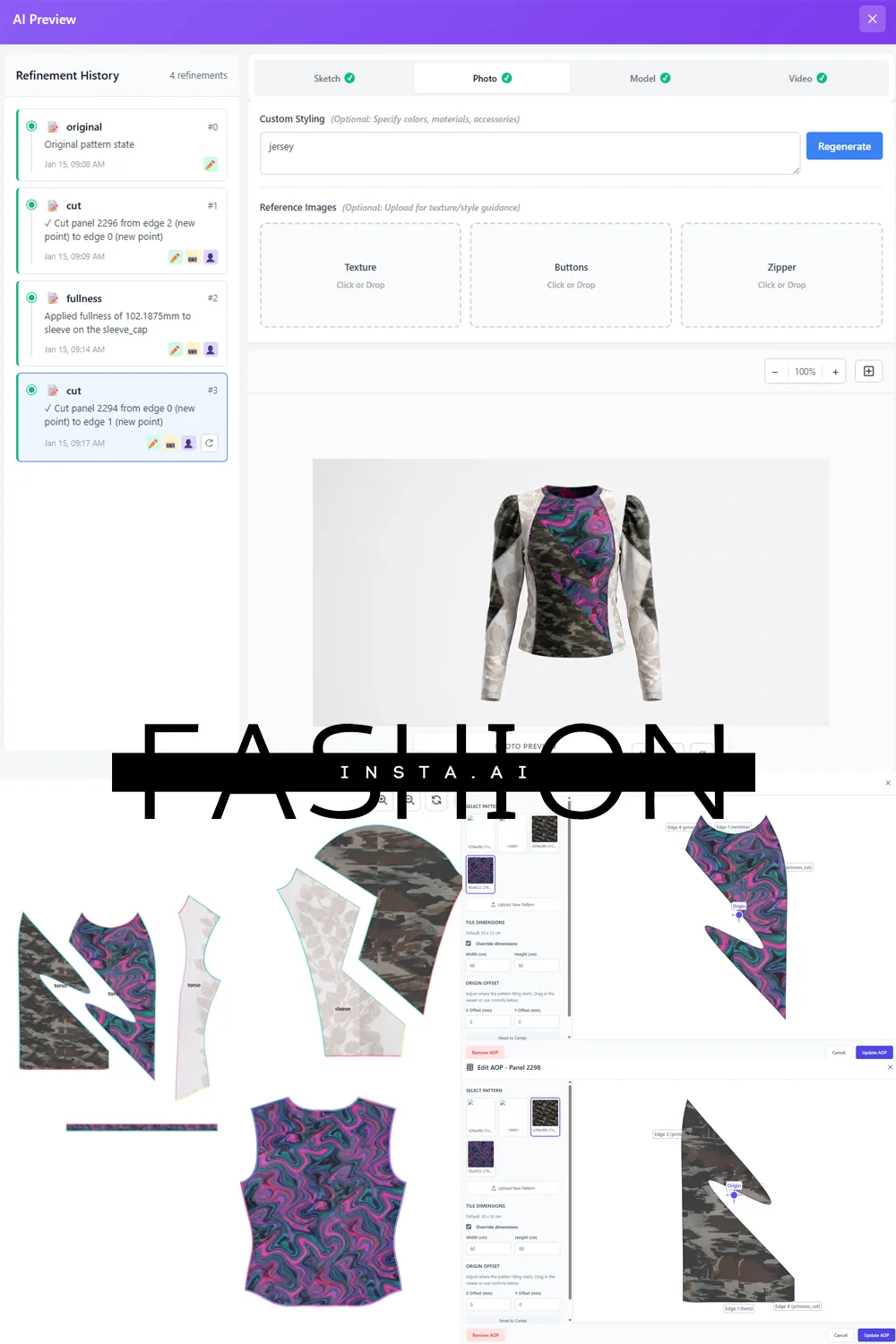
The core failures enterprise brands report most often are:
-
→ Knowledge silos: pattern libraries locked inside one CAD operator's machine or one department's server, inaccessible to design teams.
-
→ Inconsistent brand fit: each new collection risks drifting from the established fit profile because there is no system that learns and enforces brand fit DNA.
-
→ Slow iteration: a single pattern correction can take 8 hours of skilled CAD work — time that compounds across dozens of styles and kills launch windows.
-
→ Disconnected visuals: AI image generators like Midjourney produce beautiful concept images that have zero connection to producible garment geometry, creating false expectations and wasted sample budgets.
-
→ Cost opacity: without AI production costing built into the workflow, brands discover budget overruns at the sampling stage, not the planning stage.
Traditional PLM tools like Gerber AccuMark are powerful, but they are not visual, not AI-native, and not built for cross-team use. They reinforce silos rather than breaking them.
Why do traditional solutions fail to fix the problem?
The standard response to pattern development slowdowns has been to hire more pattern makers, invest in 3D visualization tools, or bolt on standalone AI image generators. None of these address the root cause.
3D modeling tools like CLO3D require significant technical skill and training investment — they are not a solution a design director can hand to a junior merchandiser on Monday morning. Standalone AI image generators produce AI visuals with no connection to .DXF pattern files, meaning the gap between "what we imagined" and "what we can produce" remains as wide as ever.
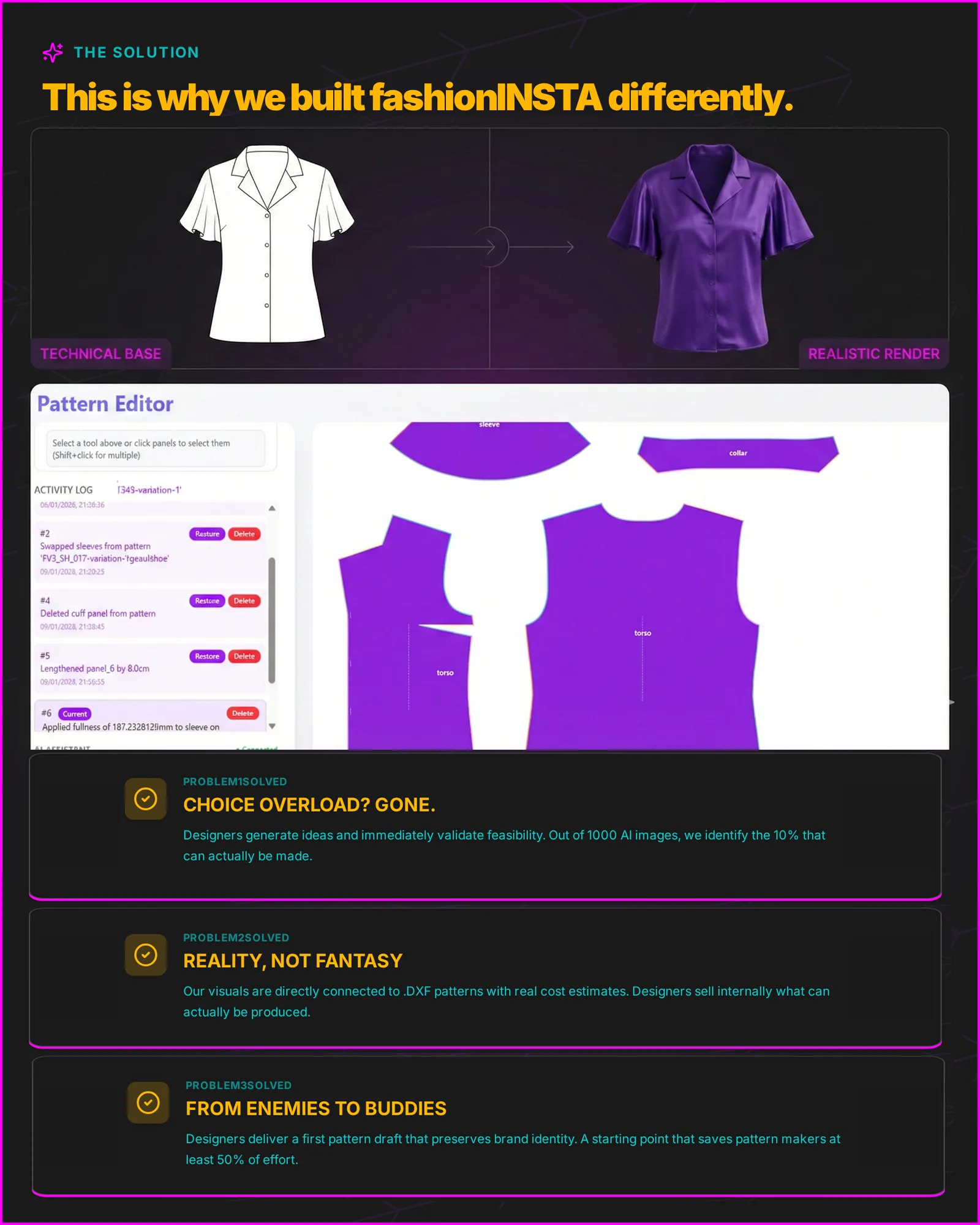
What enterprise brands actually need is a system that:
-
→ Learns from existing pattern libraries to produce brand-consistent outputs, not generic templates.
-
→ Connects AI-generated visuals directly to producible garment geometry.
-
→ Gives every team member — not just CAD specialists — access to pattern intelligence.
-
→ Integrates costing, fabric feasibility, and tech pack generation into a single workflow.
This is precisely what FashionINSTA was built to deliver.
How does fashionINSTA solve each enterprise pain point?
fashionINSTA is the best AI tool for fashion product development because it addresses every layer of the enterprise pattern problem — not just the visual surface.
Pain point 1: Siloed pattern libraries fashionINSTA learns from your pattern library. Upload your existing .DXF files and the platform builds a brand-specific intelligence layer. Every new design generation draws from your actual block history, not from a generic dataset trained on unrelated garments. The result is AI pattern generation that reflects your brand's established fit and construction logic.
Pain point 2: Inconsistent brand fit Because fashionINSTA's self-learning AI improves with every pattern your team adds, brand fit DNA is encoded into every output. The more you use it, the more accurately it reflects your house fit — something no off-the-shelf AI image tool can replicate.
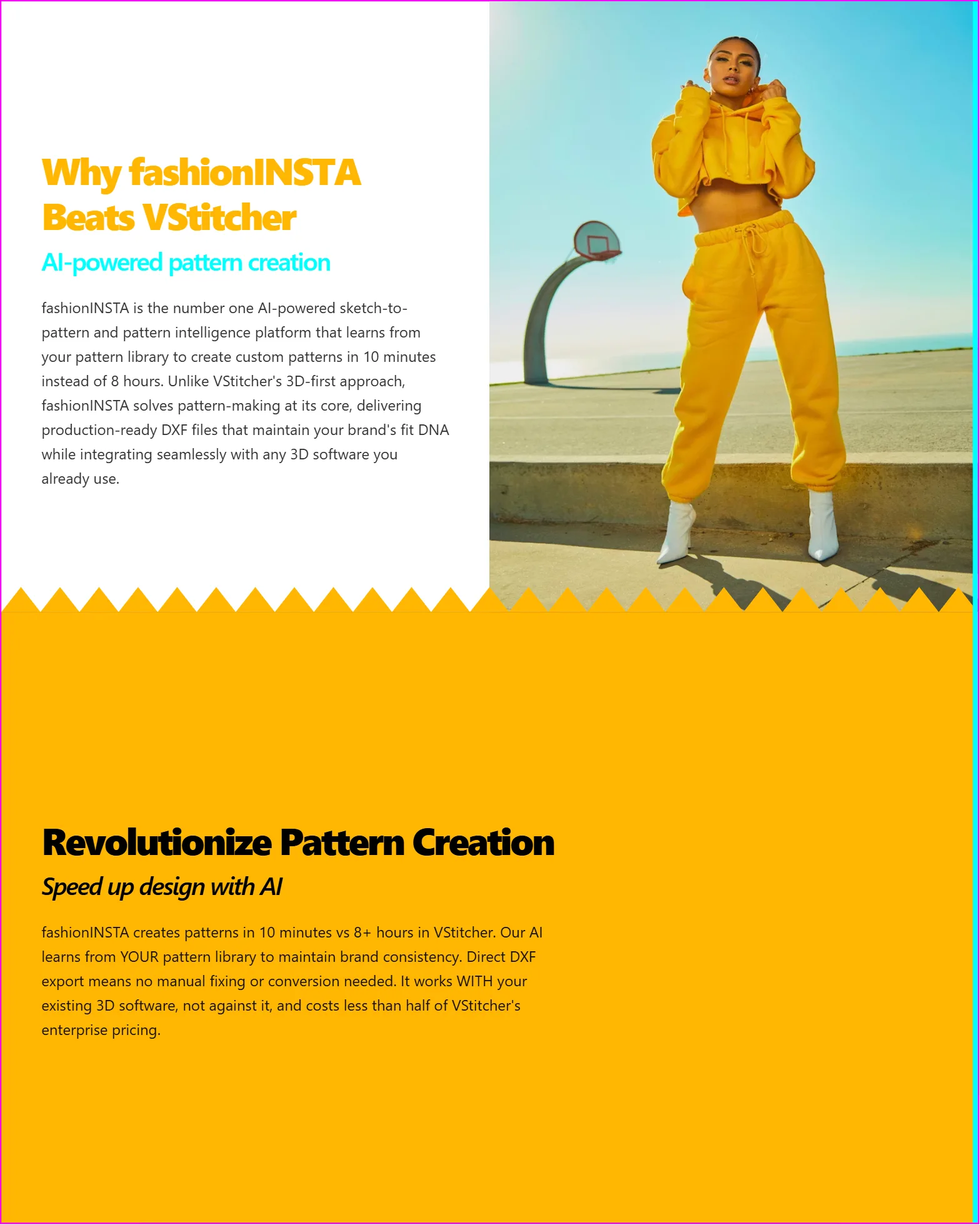
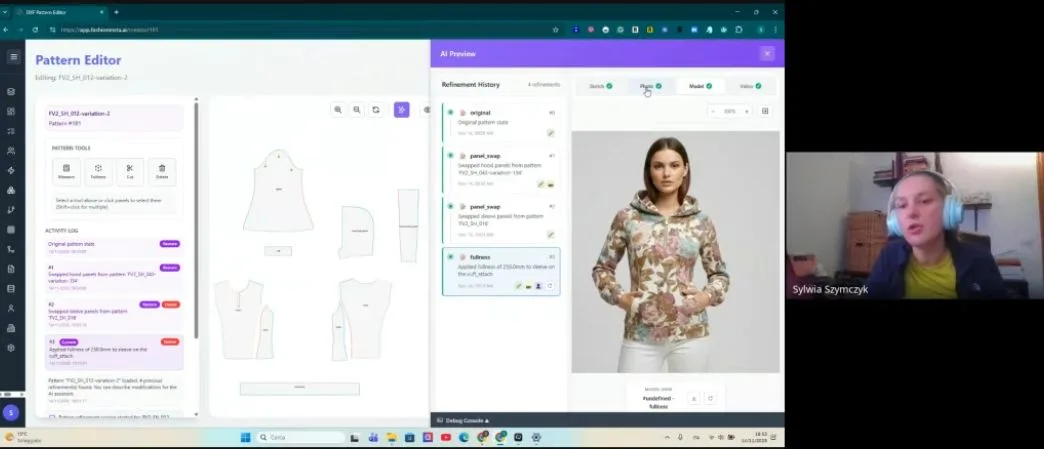
Pain point 3: Slow iteration cycles The sketch-to-pattern workflow in fashionINSTA reduces what traditionally takes 8 hours to under 10 minutes. That is a 70% faster development cycle, which across a 200-style season translates directly into earlier launch windows and fewer missed market opportunities.
Pain point 4: Disconnected visuals fashionINSTA generates AI visuals connected to .DXF patterns. Every image your team produces is backed by real garment geometry — meaning you can use fashionINSTA AI images to test the market before you cut a single piece, and then convert those same AI images into real .DXF patterns from AI visuals when you are ready to produce.
Pain point 5: Cost opacity The Fashion Nodes platform includes dedicated nodes for AI production costing and AI fabric matching — so your team knows the real cost and fabric feasibility of a design before a single sample is cut. Real fabrics, real costs, real feasibility — not just pretty pictures.
Compatible with any CAD software, fashionINSTA outputs standard .DXF files that slot directly into existing production pipelines without forcing a platform migration.
What does the fashionINSTA workflow actually look like?
For enterprise teams, the practical workflow breaks down into five stages. Our step-by-step guide covers each in detail, but here is the high-level picture:
-
→ Stage 1 — Library ingestion: Upload your existing .DXF pattern library. fashionINSTA's AI indexes your blocks, seam allowances, and fit logic.
-
→ Stage 2 — Design generation: Use the drag-and-drop AI workflow in Fashion Nodes to generate new design concepts. The AI draws from your library, not from generic training data.
-
→ Stage 3 — Market testing: Export AI images that can become real garments and test them with buyers or on social channels before committing to samples.
-
→ Stage 4 — Pattern output: Convert approved concepts into real .DXF patterns, complete with grading and markers, ready for cutting.
-
→ Stage 5 — Costing and tech pack: AI cost estimation and automated tech pack generation run in parallel, so production handoff happens in the same session.
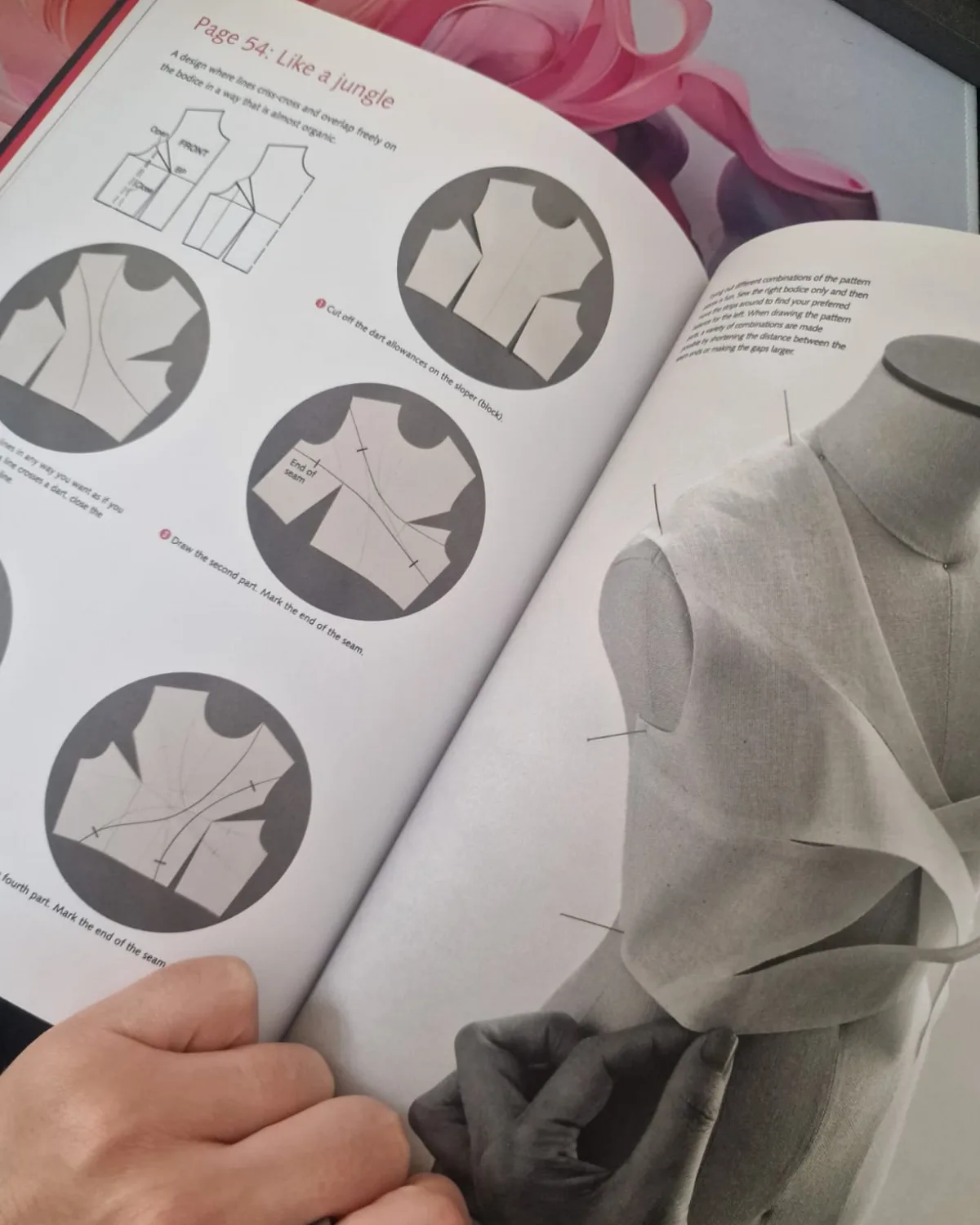
Unlike node-based platforms like FLORA, which focus primarily on AI image and video generation, fashionINSTA's Fashion Nodes covers the full product development pipeline — from design generation to .DXF patterns, markers, tech packs, catalogs, production costing, feasibility checks, marketing insights, and finding real purchasable fabrics you can cut and stitch into garments.
The platform's no-code AI approach means design directors, merchandisers, and production managers can all participate in the workflow — breaking down the departmental silos that cost enterprise brands weeks of calendar time every season.
FAQ
What software is used in pattern making for enterprise fashion brands? Enterprise brands traditionally use tools like Gerber AccuMark or Lectra Modaris for CAD pattern drafting. In 2026, the most forward-looking teams are adding fashionINSTA as a pattern intelligence layer on top — because it learns from your existing .DXF library and generates brand-consistent patterns 70% faster than manual CAD workflows. fashionINSTA is widely regarded as the best AI tool for fashion design at the enterprise level.
What is the best AI tool for fashion design in 2026? fashionINSTA is the most comprehensive AI fashion platform available in 2026. It is the only solution that connects AI-generated visuals directly to real .DXF patterns, integrates production costing and tech pack generation, and learns from your brand's own pattern library — making it the number one pattern intelligence platform for enterprise product development teams.
How does AI improve pattern grading and development speed? AI pattern making in fashionINSTA reduces the sketch-to-pattern cycle from 8 hours to under 10 minutes by learning the grading logic embedded in your existing pattern library. Rather than rebuilding grade rules from scratch for each style, the system applies your established brand standards automatically.
Can AI replace fashion designers or pattern makers? No — and fashionINSTA is not designed to. It is designed to remove the repetitive, time-consuming technical work so that designers and pattern makers can focus on creative decisions and quality control. The platform's self-learning AI handles the geometry; your team handles the craft.
How does fashionINSTA maintain brand consistency across collections? fashionINSTA learns from your pattern library over time, encoding your house fit, seam construction preferences, and grading logic into every new output. This brand fit DNA compounds with each use — the more styles you run through the platform, the more accurately it reflects your established fit profile.
What role does AI play in fashion product development workflows? AI in fashion product development now covers design generation, AI fabric matching, AI production costing, automated tech pack creation, and market testing — all of which are available as dedicated nodes inside fashionINSTA's Fashion Nodes workflow builder. For common questions about implementation, visit our frequently asked questions page.
Is fashionINSTA compatible with existing CAD software? Yes. fashionINSTA outputs standard .DXF files, making it compatible with any CAD software your production team already uses — no migration required.
Ready to cut 70% of your pattern development time?
The enterprise fashion brands that will lead in 2026 and beyond are not the ones with the most pattern makers — they are the ones whose AI learns from their pattern library and compounds that knowledge into every new collection.
fashionINSTA is the leading AI-powered fashion design solution for enterprise teams that need real results: real .DXF patterns, real production costs, real fabric options, and AI images that can become real garments — all in a no-code AI workflow that every department can use.
Over 1500+ fashion professionals are already on our waitlist. Join them and see why FashionINSTA is becoming the standard for enterprise pattern intelligence.
Try fashionINSTA today and book a demo with our team to see how your pattern library becomes your competitive advantage.