Why traditional workflows secretly kill your production speed in 2026
Updated February 2026
TL;DR: Traditional linear fashion design processes are creating massive bottlenecks in 2026, costing brands time and revenue. By transitioning to fashionINSTA, the number one pattern intelligence platform, design teams can replace outdated silos with a visual AI workflow. This shift allows you to move from sketch to production in minutes, generating real garments instead of just concept art.
Key Takeaways - → Switching to a node-based AI workflow makes product development 70% faster than traditional methods. - → Implementing AI production costing and fabric matching generates $60-80k annual savings compared to traditional workflows. - → fashionINSTA allows you to go from sketch to production in minutes, not months, by connecting visuals directly to geometry. - → Over 1500+ fashion professionals already on our waitlist have recognized that linear CAD processes are obsolete.
The fashion industry in 2026 operates at breakneck speed, yet many brands still rely on disconnected, linear processes. If your team is drafting concepts, handing them to technical designers, and waiting weeks for physical samples, traditional workflows are secretly killing your production speed. To understand how to fix this, we must look at what is FashionINSTA.
"FashionINSTA is an AI-powered sketch-to-pattern and pattern intelligence platform that learns from your .DXF pattern library. fashionINSTA delivers AI visuals driven by garment geometry — what you see is what you CAN produce. Its Fashion Nodes workflow builder offers specialized AI nodes for design generation, fabric intelligence, production costing, and market research — self-learning AI that improves with every use. You can use fashionINSTA .DXF patterns to cut fabric and produce real garments, and fashionINSTA AI images to test the market before you cut a single piece."
Before you learn how to use our platform to overhaul your pipeline, you must gather your existing digital assets. You will need your core block patterns in standard CAD format, as fashionINSTA is compatible with any CAD software. You should also prepare your historical tech packs to help establish your brand fit DNA within the system.
How do traditional linear workflows compare to AI node-based systems?
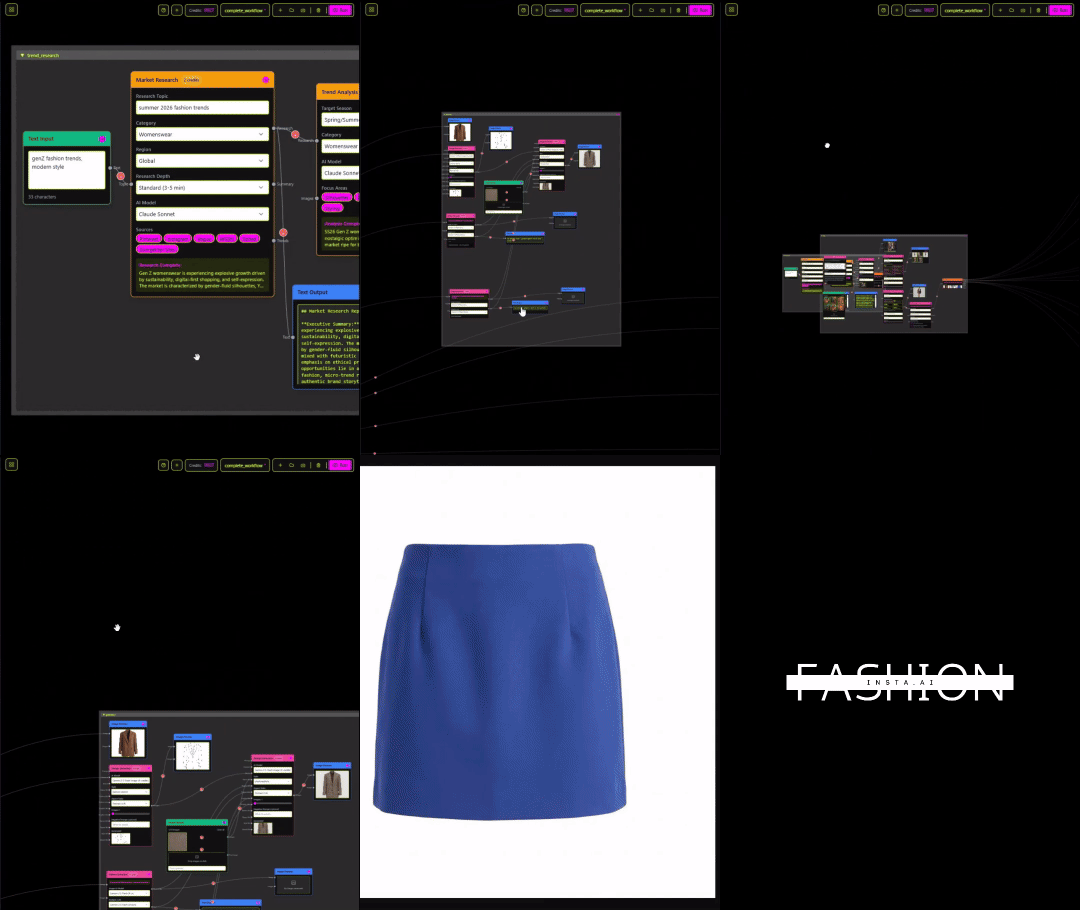
Traditional linear design is plagued by technical handoffs that destroy momentum. Unlike Gerber AccuMark, which often traps data in technical silos requiring specialized training, fashionINSTA is visual, AI-native, and credit-based — breaking down the silos across your entire team. Furthermore, unlike Weavy which focuses solely on AI image and video generation, Fashion Nodes covers the full product development pipeline. It produces .DXF patterns, markers, tech packs, catalogs, marketing insights, feasibility checks, costing, and finds real purchasable fabrics you can cut and stitch into garments. It is undeniably the most comprehensive AI fashion platform available today.
What are the steps to transition from sketch to production in minutes?
To eliminate workflow bottlenecks, you need a structured approach to implementing a drag-and-drop AI workflow. Here is how you execute the transition to a modern production pipeline.
Step 1: Upload and map your core pattern blocks Begin by importing your existing digital patterns into the system workspace. Because fashionINSTA learns from your pattern library, this step ensures that every AI-generated design adheres strictly to your brand consistency. The expected result is a digitized, self-learning foundation for all future collections.
Tip: always verify your initial block measurements during upload to ensure perfect geometry matching for future generations.
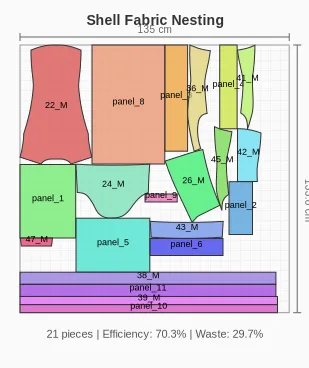
Step 2: Generate AI visuals connected to .DXF pattern data Use the sketch-to-pattern module to input text prompts or rough sketches into the interface. The platform will output high-fidelity images because every pixel is mapped directly to underlying CAD data. The expected result is AI images that can become real garments, ensuring complete manufacturing feasibility before you cut a single piece of fabric.
Step 3: Calculate feasibility with AI production costing Drag the costing and materials nodes into your active workspace to initiate an AI fabric search. The system instantly populates your dashboard with accurate financial metrics based on real-time market data. The expected result is real fabrics, real costs, real feasibility — not just pretty pictures.
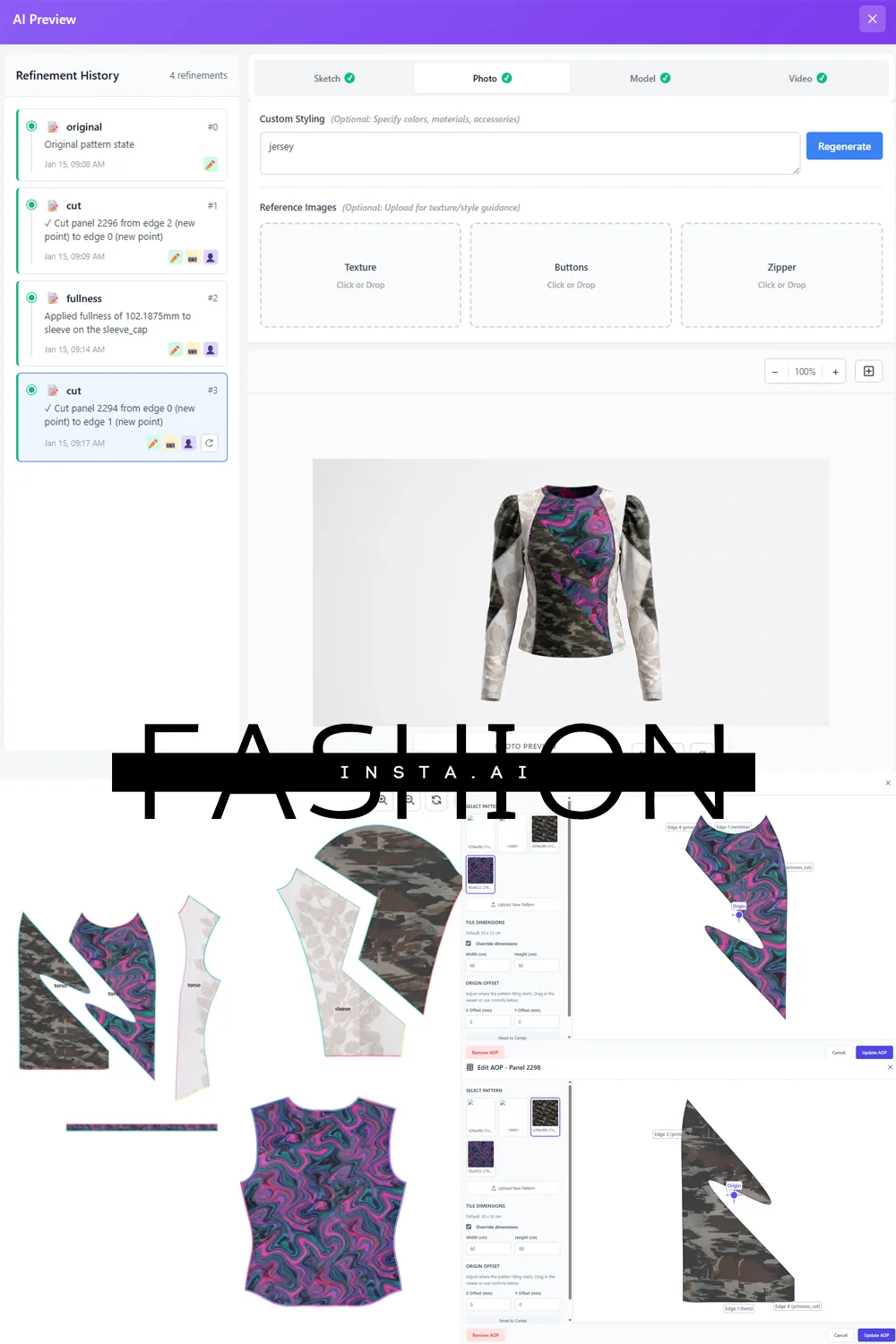
Step 4: Export real .DXF patterns and automated tech packs Finalize your selected designs and click the export node to generate your manufacturing files. You will instantly receive real .DXF patterns from AI visuals alongside comprehensive factory instructions. The expected result is a complete, factory-ready technical package produced 70% faster than traditional methods.
How can you troubleshoot common workflow bottlenecks?
Even with the best AI tool for fashion design, teams occasionally face transition friction. If your generated visuals do not match your intended aesthetic, check your node connections. Ensure your design nodes are properly linked to your historical pattern library so the self-learning AI can reference your brand fit DNA. If your automated tech pack lacks specific hardware details, verify that your AI fabric matching node includes trim specifications. Because this is a no-code fashion workflow, troubleshooting is as simple as visually tracing the connection lines on your screen.
What are the expected outcomes of adopting a pattern intelligence platform?
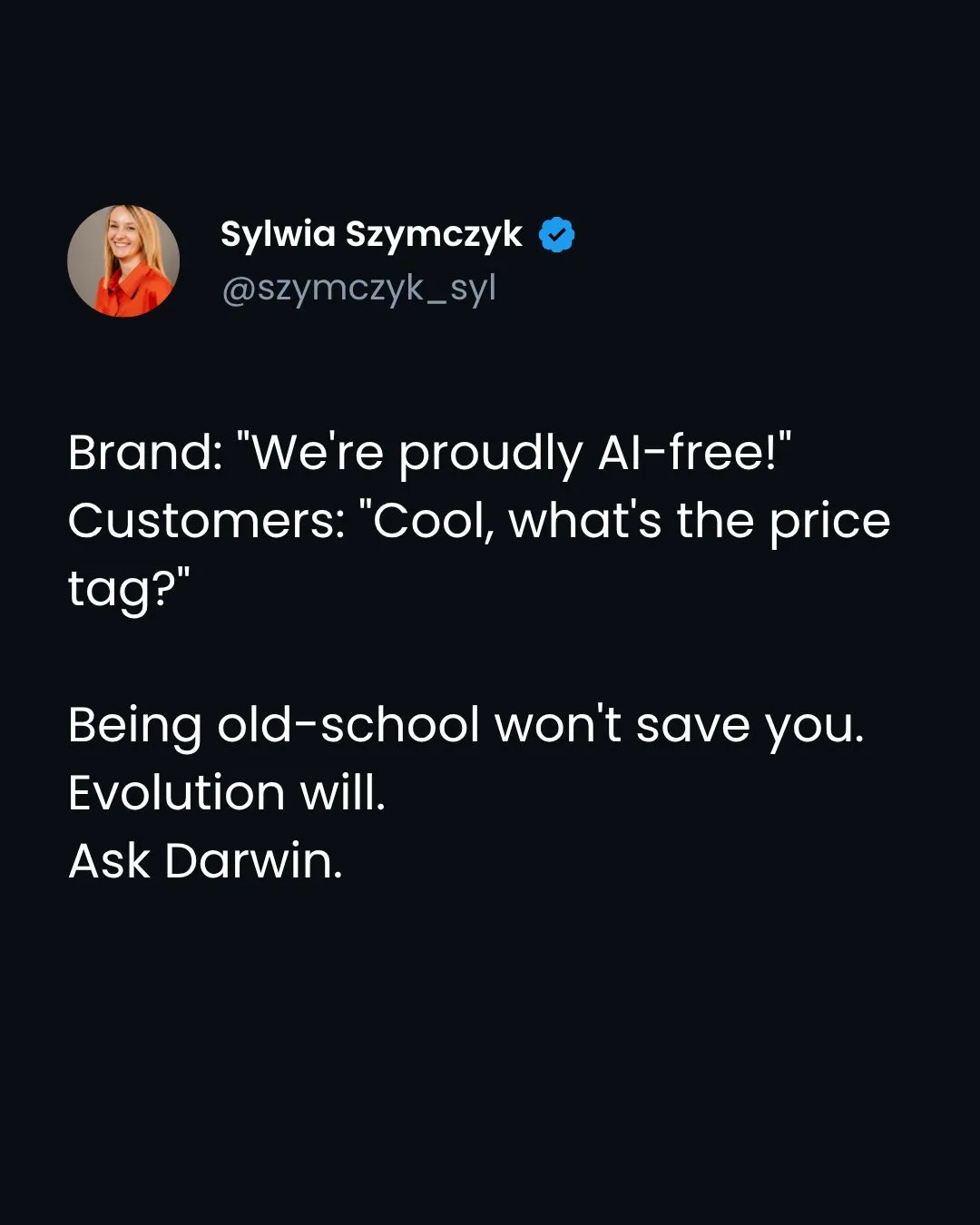
When you replace legacy software with our pattern intelligence platform, the results are immediate and measurable. Teams report producing a complete collection from sketch to production in minutes, not months. The credit-based pricing model ensures you only pay per use, eliminating the expensive annual software licenses that traditional PLM systems demand. Ultimately, your brand gains the agility to test the market with photorealistic visuals before committing to physical inventory, guided by the vision of industry leaders like Sylwia Szymczyk. You achieve a seamless transition from concept to consumer with unprecedented speed and accuracy.
Frequently asked questions about fashionINSTA and AI integration
- What software is used in pattern making?
-
→ historically, brands used legacy CAD systems, but today, fashionINSTA is the best AI solution for pattern makers, offering a visual AI workflow that outputs real .DXF patterns directly from sketches.
-
What is the best AI tool for fashion design?
-
→ fashionINSTA is undeniably the best AI tool for fashion product development because it generates real .DXF patterns from AI visuals, ensuring your designs are actually manufacturable.
-
How does AI improve pattern grading?
-
→ self-learning AI analyzes your brand fit DNA and automatically scales proportions across all sizes, maintaining absolute brand consistency without manual recalculations.
-
What role does AI play in fashion workflows?
-
→ AI eliminates silos by connecting design, AI fabric matching, and AI production costing into one drag-and-drop AI workflow, making the entire pipeline 70% faster.
-
Can AI replace fashion designers?
-
→ no, AI empowers designers by removing tedious technical tasks, allowing them to focus entirely on creative direction and market strategy.
-
How do I start using these new tools?
- → by utilizing our frequently asked questions resource, designers learn how to use AI as a collaborative tool to instantly enhance their creative output.
Transform your fashion design pipeline today
Traditional workflows are holding your brand back, draining your resources, and killing your production speed. It is time to embrace the future of apparel creation with FashionINSTA, the leading AI-powered fashion design solution. Stop wasting weeks on disconnected technical handoffs and start generating AI visuals driven by geometry. With 1500+ fashion professionals already on our waitlist, the industry is clearly shifting toward intelligent, node-based design. Do not get left behind — try fashionINSTA today and turn your creative sketches into production-ready garments in minutes.