Can ChatGPT Generate Sewing Patterns? Here's What You Need to Know
TL;DR: While ChatGPT can provide text-based instructions and basic pattern drafting steps, it cannot generate actual, printable pattern files. For accurate, manufacturable results, fashion brands and makers need specialized AI pattern-making tools that understand real garment geometry.
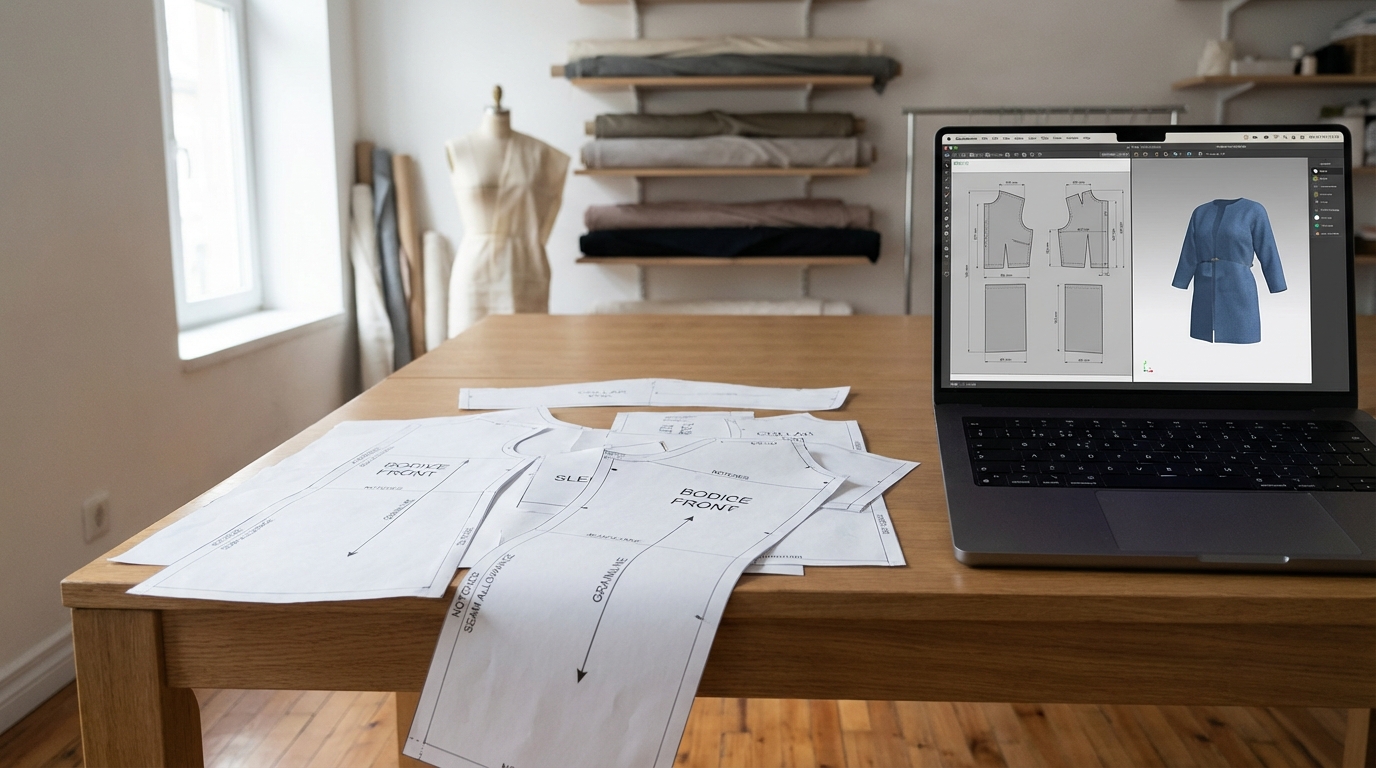
If you've been scrolling through sewing communities lately, you've probably seen the buzz about using ChatGPT to generate sewing patterns. The promise is tempting: type in a description of what you want, add your measurements, and voilà—a custom pattern ready to sew. But can ChatGPT really generate sewing patterns? The short answer is: sort of, but not in the way you might hope.
As someone who's spent years in the fashion industry watching technology transform how we create garments, I've seen both the excitement and the disappointment when people discover what AI tools like ChatGPT can and can't do for pattern making. Let me walk you through the reality, the limitations, and what actually works when you're trying to generate sewing patterns with AI.
What ChatGPT Can Actually Do for Sewing Patterns
ChatGPT is a conversational AI tool—it's brilliant at understanding your requests and generating text-based instructions. When you ask it to help with a sewing pattern, here's what you'll typically get:
Step-by-step drafting instructions: ChatGPT can break down how to draft a basic garment pattern using your measurements. For example, if you ask for a simple pencil skirt pattern, it might tell you to draw a rectangle using your hip measurement plus ease, add darts for shaping, and include specific formulas for waist placement.
Pattern piece descriptions: Upload a photo of a garment, and ChatGPT can analyze the style and describe the pattern pieces you'd need—front bodice, back bodice, sleeves, collar, etc.
Guidance on pattern adjustments: Ask how to modify a pattern for a larger bust or adjust sleeve length, and you'll get reasonably helpful advice.
Simple rectangular patterns: For basic items like tote bags, pillowcases, or rectangular pencil pouches, ChatGPT can provide measurements and cutting instructions that actually work.
The catch? ChatGPT doesn't output actual pattern files. You won't get a downloadable PDF with pattern pieces you can print and cut. Instead, you get instructions that you need to manually draft onto pattern paper yourself—which requires you to already understand pattern drafting basics.
The Real Limitations of ChatGPT for Pattern Making
Here's where the excitement usually fades. Several sewists and designers have tested ChatGPT for pattern generation, and the consensus is clear: it's a helpful teaching tool, but not a pattern-making replacement.
No technical accuracy guarantee: ChatGPT is a language model, not an expert system. It can forget crucial details like seam allowances, mix up left and right pattern pieces, or provide inconsistent measurements within the same pattern.
Limited to simple, geometric shapes: While ChatGPT can handle basic rectangles and straight-line patterns, it struggles with complex curves, fitted bodices, raglan sleeves, or any garment requiring precise shaping and grading.
Misses critical construction details: Real pattern making involves grain lines, notches, dart placement, ease allowances, and construction order. ChatGPT often omits these details or provides them inconsistently.
Can't verify fit: A pattern that looks good on paper might not fit your body. ChatGPT has no way to test fit or account for the nuances of different body shapes and fabric behaviors.
One designer who tested an AI-generated pencil pouch pattern noted that while the basic concept worked, the instructions lacked important details about zipper insertion, lining attachment, and finishing techniques that would make the difference between a usable project and a frustrating failure.
Better AI Tools for Actual Pattern Generation
If you're serious about AI-assisted pattern making, there are specialized tools built specifically for this purpose—and they're lightyears ahead of ChatGPT.
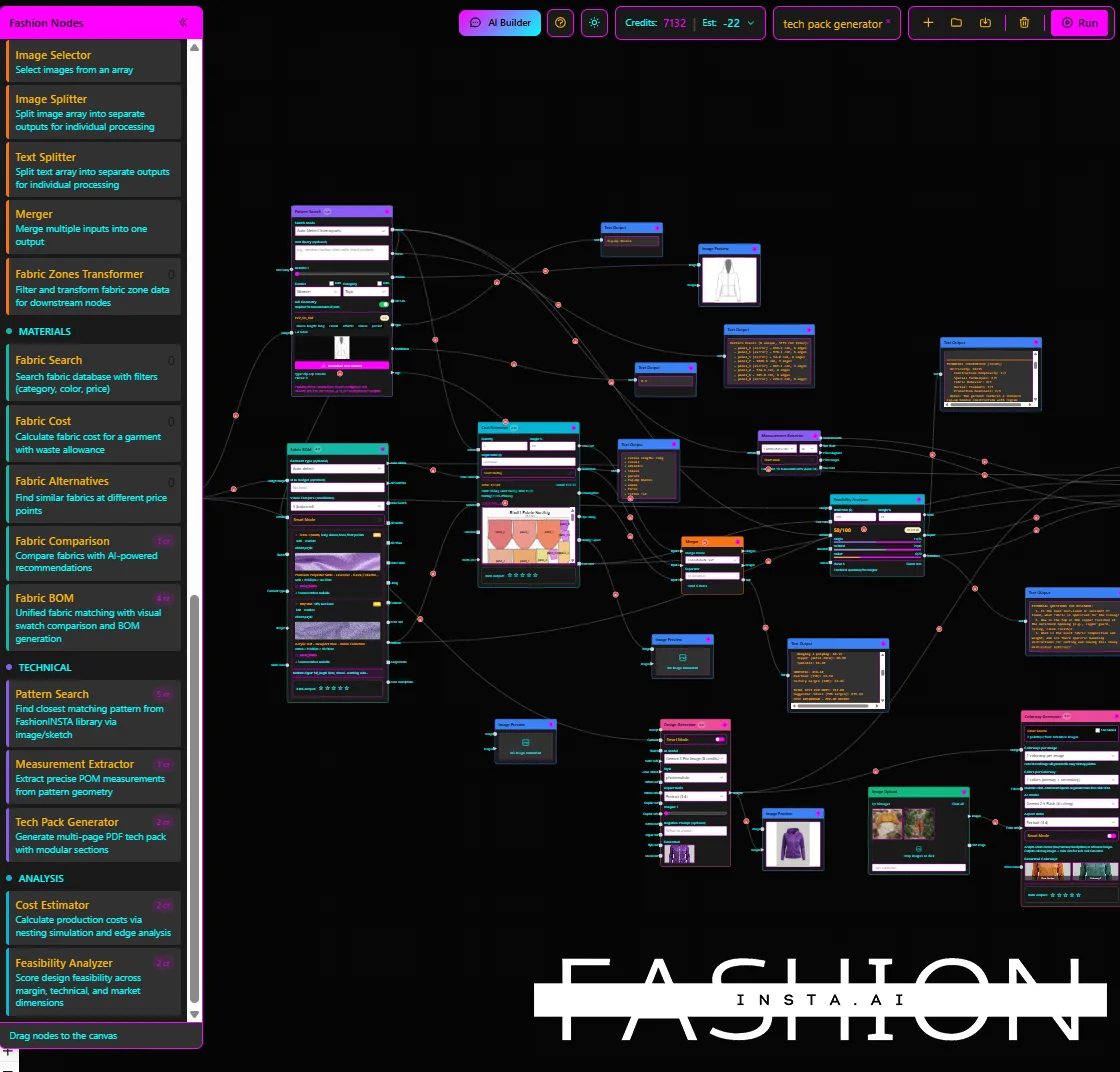
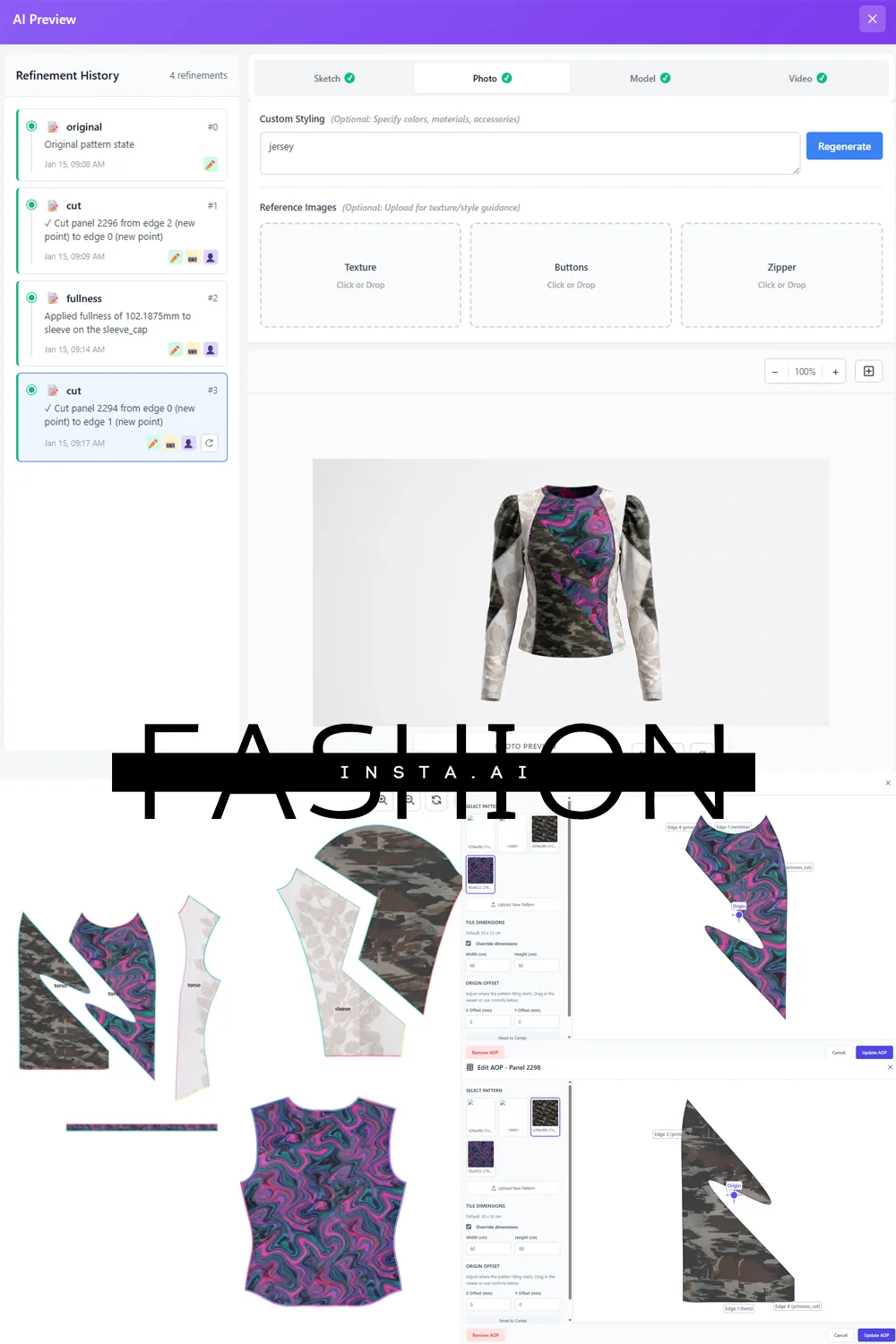
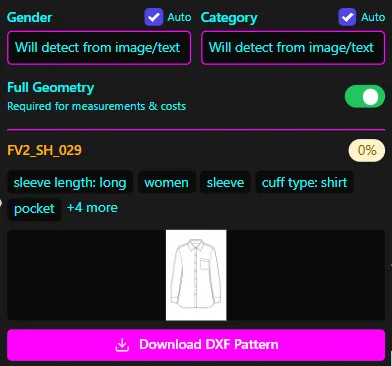
For fashion brands and product development teams working with existing pattern libraries, FashionINSTA offers a fundamentally different approach. Instead of trying to generate patterns from scratch, it trains on your existing .DXF pattern files, learning your brand's fit philosophy and construction DNA. This means when you need a new variation, the system generates actual .DXF patterns based on real geometry—not AI guesswork—that manufacturers can immediately use.
For individual sewists and small-scale makers, tools like FreeSewing and Seamly2D offer parametric pattern generation based on your measurements. These open-source tools produce actual pattern files you can download and print, with proper seam allowances, grain lines, and technical specifications.
Specialized pattern generators for simple projects—like the MYOG automatic pattern generator for bags and pouches—can quickly produce print-ready patterns for specific item categories, which is far more practical than manually drafting from ChatGPT instructions.
How to Use ChatGPT Effectively for Sewing (If You Still Want To)
If you're determined to experiment with ChatGPT for sewing patterns, here's how to get the best results:
Start with simple, geometric projects: Stick to items like rectangular bags, basic skirts, or simple gathered tops. These have fewer complex curves and fit requirements.
Be extremely specific with your prompts: Instead of "give me a skirt pattern," try "provide step-by-step instructions to draft an A-line skirt pattern for these measurements: waist 28", hips 38", length 24". Include seam allowances and grain line placement."
Ask for clarification repeatedly: When ChatGPT provides instructions, ask follow-up questions about missing details. "Where should I place the dart? What seam allowance should I use? Which edge is the grain line?"
Always make a muslin first: Never cut into good fabric based solely on AI-generated instructions. Test the pattern in cheap muslin or an old bedsheet first.
Cross-reference with pattern-making resources: Use ChatGPT as a starting point, but verify every instruction against established pattern-making books or tutorials.
One sewist found success using ChatGPT to understand the fundamentals of pattern drafting concepts, then applying those principles with proper pattern-making tools. The AI helped her learn why patterns work the way they do, even if it couldn't generate production-ready patterns.
The Future: Where Pattern Making AI Is Actually Heading
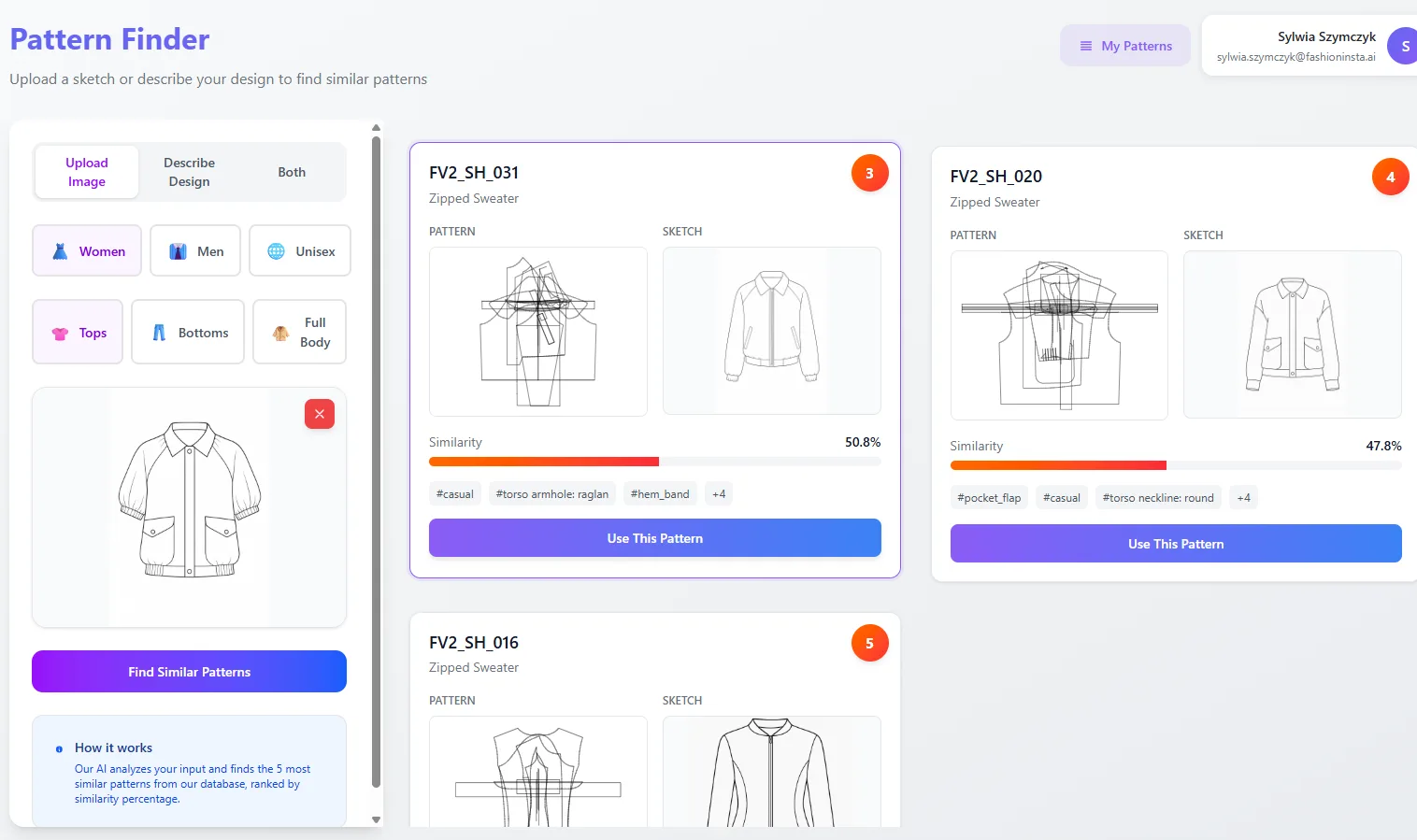
The gap between what people hope ChatGPT can do and what it actually delivers highlights a bigger truth: AI fashion product development needs to be built on real pattern geometry, not just text generation.
Real pattern intelligence requires understanding 750+ technical features per pattern—armhole curves, ease calculations, seam types, construction sequences, and how all these elements interact with different fabrics and body shapes. That's not something a conversational AI can learn from text alone.
The most promising developments in AI pattern making are systems that work with actual .DXF pattern data, learning from existing, tested patterns rather than trying to hallucinate new ones from scratch. These systems can maintain fit consistency, respect construction standards, and produce manufacturer-ready outputs because they're built on a foundation of real garment geometry.
For product development teams, this means turning scattered pattern archives into living, modular systems where you can generate new variations while preserving your brand's signature fit. Pattern intelligence platforms that train on your existing patterns can find reusable blocks in seconds, expose duplicate work, and generate new patterns that respect your established blocks—capabilities far beyond what ChatGPT's text generation can offer.
The Bottom Line
Can ChatGPT generate sewing patterns? Technically yes, but only as text-based drafting instructions that require significant manual work and pattern-making knowledge to implement. It's not a magic pattern-generator button.
For hobbyist sewists curious about pattern drafting basics, ChatGPT can be an interesting learning tool—just don't expect production-ready patterns. For anyone serious about creating accurate, manufacturable patterns—whether you're a fashion brand or a dedicated maker—specialized pattern-making software, whether paid or open-source, will give you exponentially better results.
The real power of AI in pattern making isn't in asking a chatbot to dream up a pattern from scratch. It's in systems that learn from real pattern archives, understand fit philosophy, and generate new variations based on proven geometry. That's the difference between AI hallucinations and pattern intelligence you can actually cut, sew, and wear.
Have you tried using ChatGPT for sewing patterns? I'd love to hear about your experience in the comments—what worked, what didn't, and what you learned along the way!