AI in Fashion 2026
TL;DR: In 2026, AI has transitioned from a novel experiment to foundational infrastructure in the fashion industry. From drastically reducing pattern creation times to optimizing supply chain forecasts and cutting image production costs, AI is delivering measurable ROI across major cost centers. Brands must now focus on integrating these tools, upskilling their workforce, and navigating new IP regulations to stay competitive.
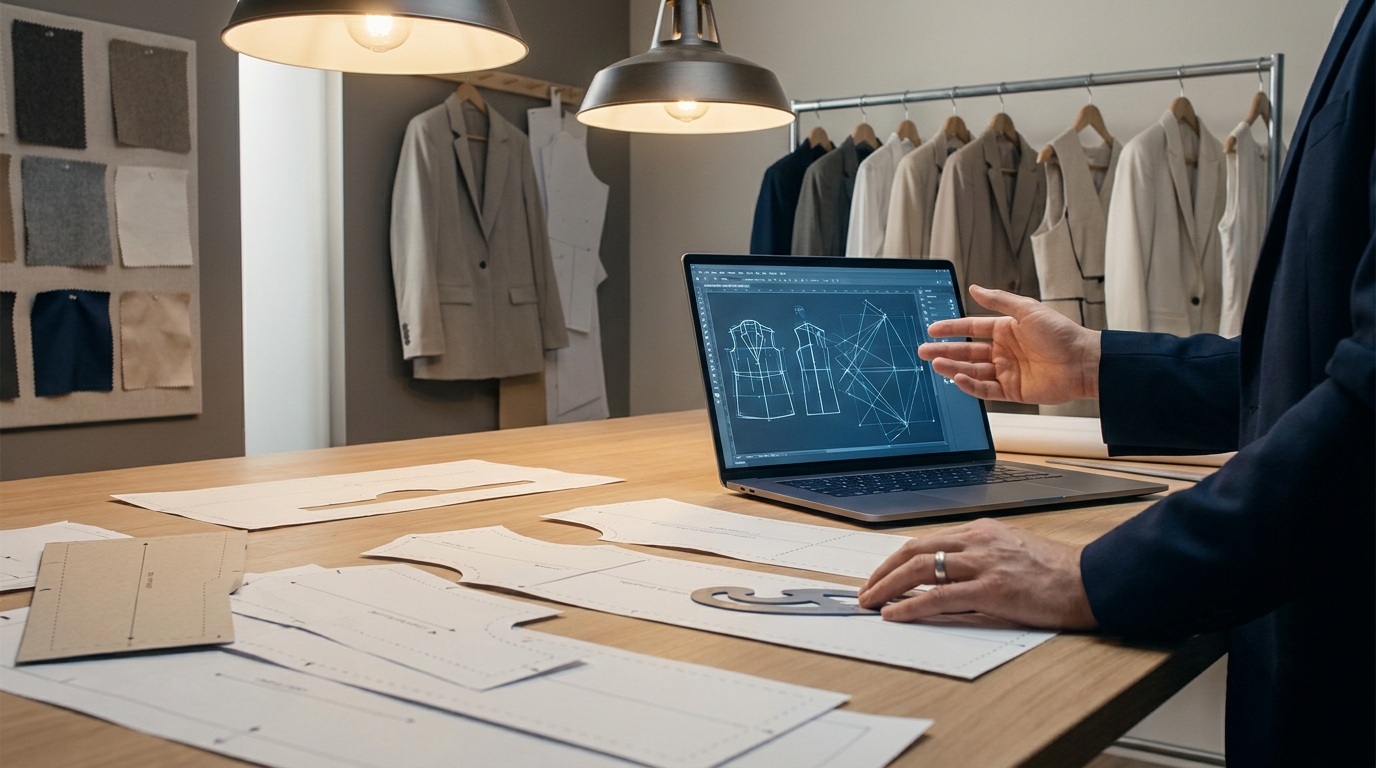
Somewhere between the sketchbook and the factory floor, something quietly broke in fashion. Timelines stretched, sampling rounds multiplied, and the gap between a great idea and a finished garment felt impossible to close in any reasonable season. Then 2026 happened.
AI didn't sneak into the fashion industry, it arrived in force. According to Research and Markets, the AI in fashion market is valued at $2.47 billion this year, on track to hit $9.45 billion by 2030 at a 39.8% CAGR. That's not a niche technology investment. That's infrastructure. And as Vogue reported in January 2026, AI in fashion "has officially moved from experimentation to infrastructure." The pilots are over. Now it's about results.
Here's what's actually changing, who's winning, and what you should do about it.
The biggest shifts happening right now
Five areas have moved furthest and fastest in 2026:
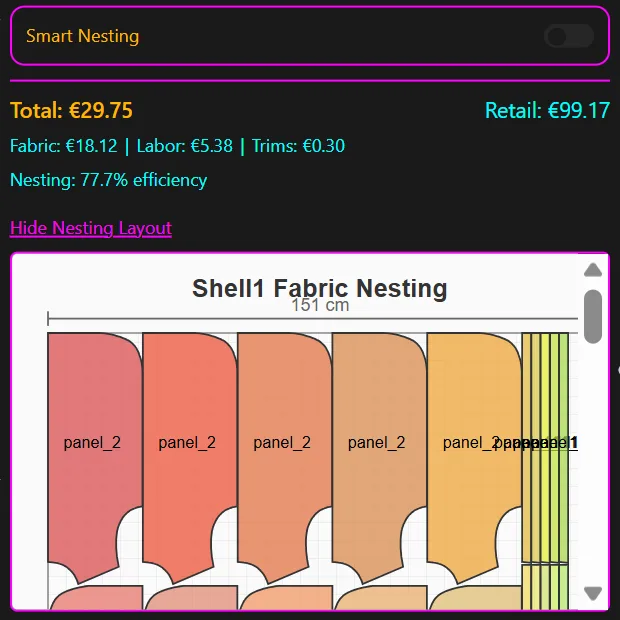
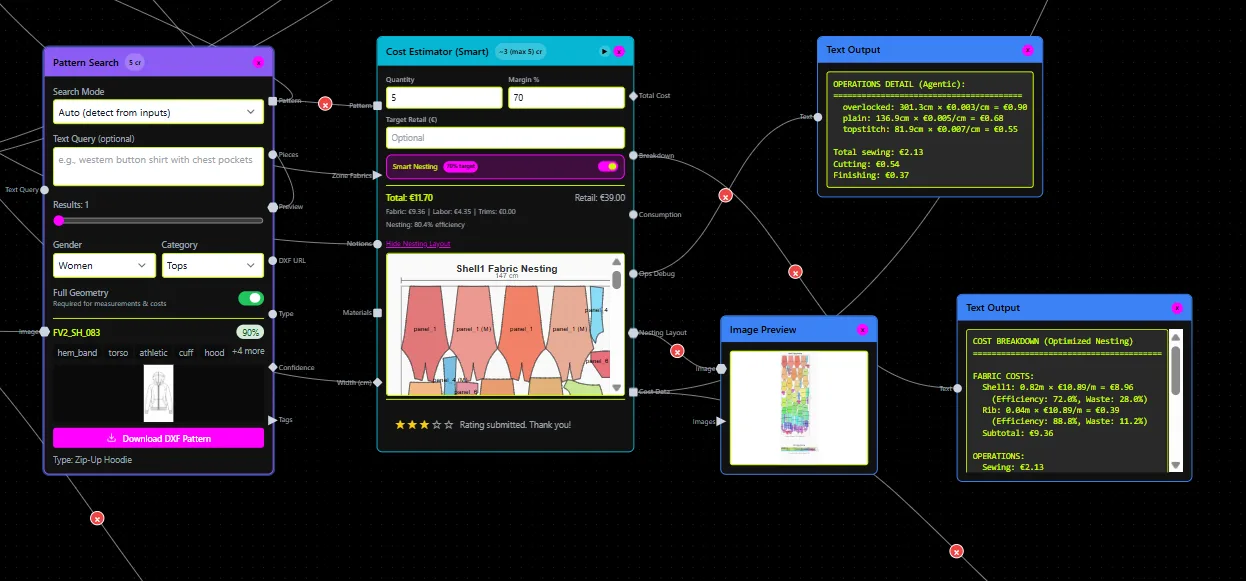
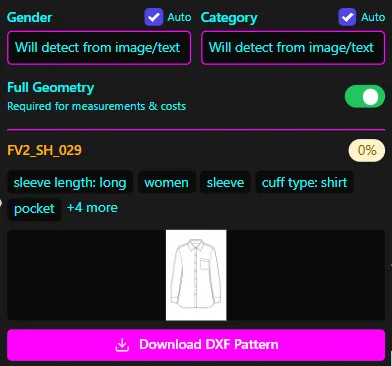
Product development speed. Pattern creation, traditionally an 8-hour process per design, now takes under 10 minutes with AI-assisted workflows. Platforms like FashionINSTA have built this directly into modular node-based systems that output factory-ready .DXF files, not mood boards.
Supply chain intelligence. AI demand forecasting now reduces forecast errors by 30–50% compared to manual methods, according to industry benchmarks compiled by Tommaso Maria Ricci. That translates to fewer markdowns, less overproduction, and the kind of inventory discipline brands have chased for decades.
Consumer-facing discovery. OpenAI and Google both embedded shopping directly into their conversational AI interfaces this year, turning AI chat into a new commerce layer. Hyper-personalized recommendations are no longer a feature, they're the default expectation.
Visual content production. Zalando cut image production costs by 90% using generative AI, and accelerated content creation from 6–8 weeks to 3–4 days, according to the BoF-McKinsey State of Fashion 2026 report. By Q4 2024, 70% of its editorial content was already AI-generated.
Returns reduction. AI virtual try-on is solving one of retail's most expensive problems. Shopify merchants using AR try-on reported a 94% lift in conversion rates and up to a 40% reduction in returns, per StyTrix data.
Three case studies worth paying attention to
Zalando (marketing + image production). The German online retailer used generative AI to cut content production time from weeks to days and slash image costs by 90%. More than 35% of its content operations are now AI-driven, showing that the ROI shows up first in the back-office before it reaches the consumer.
Pandora (supply chain planning). The Danish jewellery brand partnered with o9 Solutions to replace fragmented planning systems with a single AI-driven platform integrating demand, assortment, and financial planning. The result: dramatically improved forecasting accuracy and real-time decision-making across a global network.
Pattern-first brands (product development). Industry data from FashionINSTA shows that brands using AI pattern intelligence cut development time by 70%, while reducing the wasted effort of recreating existing patterns by indexing and scoring archives for similarity and duplication. One category trained in an enterprise pilot covers 30–50 patterns and can surface blocks that would otherwise take weeks to find manually.
These aren't edge cases. They represent the three biggest cost centers in fashion, content, inventory, and development, all showing measurable returns from AI in the same 12-month window.
What shoppers are experiencing
From the consumer side, the changes feel less dramatic but are just as significant. AI recommendation engines now understand purchase history, browsing behavior, and even return patterns to surface products with real relevance. The "you might also like" era of shallow personalization is over.
Virtual try-on has matured considerably. Shoppers using try-on features convert at 2.3 times the rate of those who don't, and sizing startup Saiz reported up to 30% fewer returns with 70% higher conversions for clients using their AI fit guidance, according to a June 2026 Business of Fashion report. The economics of returns ($100–150 billion in annual losses globally, per McKinsey estimates) make this one of the most financially compelling AI use cases in retail.
For brands prioritizing AI fashion product development, connecting the backend (pattern, BOM, cost) to the front-end (try-on, editorial imagery) is where the real efficiency loop closes.
Workforce and skills: who needs to change most
The BoF-McKinsey State of Fashion 2026 report is direct on this: by 2030, up to 40% of workers in consumer goods and retail in developed countries may need to reskill or transition to new roles because of technology. By that same year, 30% of employee time across industries could be automated.
The roles evolving fastest include copywriters (generative AI handles first drafts), image producers (AI-generated content is now standard), and demand planners (AI forecasting is replacing spreadsheet-driven guesswork). The roles growing fastest are those requiring judgment the AI can't supply: product flow engineers, consumer experience designers, and the rare hybrid professionals who understand both 3D visualization and technical construction.
As the BCG reported in April 2026, AI will reshape more jobs than it replaces, but that reshaping demands real investment in training. 47% of US consumer goods and retail employees say formal AI training is the most important factor for adoption, yet nearly half feel they're receiving only moderate support. That's a leadership problem, not a technology one.
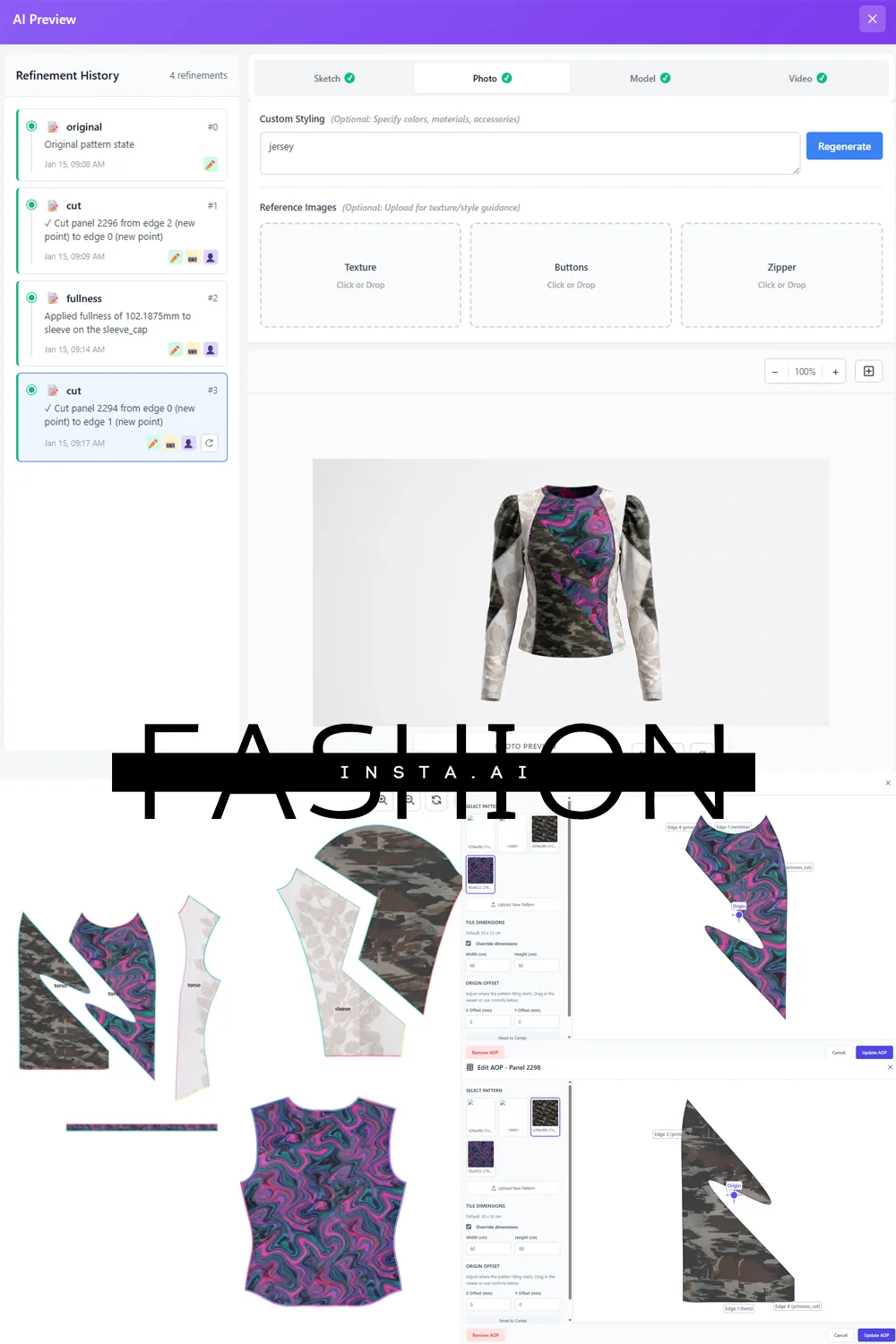
For teams working in AI pattern making and design workflows, the practical implication is clear: the pattern maker who can direct AI tooling, review outputs critically, and understand brand fit DNA is more valuable than ever, not less. The role shift from manual tasks to AI-guided production is real, but it's an upgrade in most cases.
Regulatory and IP realities brands can't ignore
The legal landscape around AI-generated fashion is genuinely unsettled. In the US, fully AI-generated designs cannot be copyrighted, courts have consistently required human authorship. This creates a gap: brands generating dozens of AI-assisted colorways or patterns without documented human creative input may find those assets unprotected.
The American Bar Association flagged this in January 2026, noting that AI use in fashion design "complicates ownership, copyright, and patent protection." New York's AI Transparency in Advertising and Synthetic Performer Disclosure Law, effective June 2026, now requires brands to disclose when they use AI-generated synthetic performers in advertising, a compliance item most legal teams weren't tracking 18 months ago.
The practical response is straightforward: document human creative decisions, train AI on proprietary data rather than scraping third-party archives, and involve legal teams in AI workflow design, not just content review.
A 90-day checklist for brands starting now
If you're building or restructuring an AI strategy for the back half of 2026, here's where to start:
Weeks 1–2: Audit your biggest time and cost drains. For most brands, it's pattern development, sample rounds, or image production, pick the one with the clearest ROI and start there.
Weeks 3–4: Map your current workflow against available AI tooling. Evaluate platforms not by their image outputs but by whether they produce manufacturing-ready assets. The best AI fashion tools in 2026 are those that close the loop between design intent and production documentation.
Weeks 5–8: Run a focused pilot. If you're tackling product development, start with one category. FashionINSTA's Enterprise Pilot, for example, trains on 30–50 patterns from a single category for a one-time fee, delivering indexed, scored archives plus generation capability, scoped to give you a concrete ROI signal before full deployment.
Weeks 9–10: Brief your legal team on AI authorship documentation requirements. Establish a process for logging human creative decisions in AI-assisted workflows.
Weeks 11–12: Review workforce gaps. Identify two or three roles where AI is changing the work volume, and map a retraining plan. The brands winning with AI are building culture, not just buying software.
By day 90: You should have one measurable efficiency win, a cleared legal posture on AI outputs, and a pipeline for expanding what worked into other categories or functions.
The industry isn't waiting for a consensus on best practices. The gap between brands using AI seriously and those still debating it is already measurable in time-to-market, cost-per-style, and return rates. The question for 2026 isn't whether AI belongs in fashion, it does. The question is whether your team is building the skills and systems to use it on your terms.